Published: March 31, 2026. The English Chronicle Desk.
The English Chronicle Online—Providing trusted news and professional analysis for the UK and International Affairs.
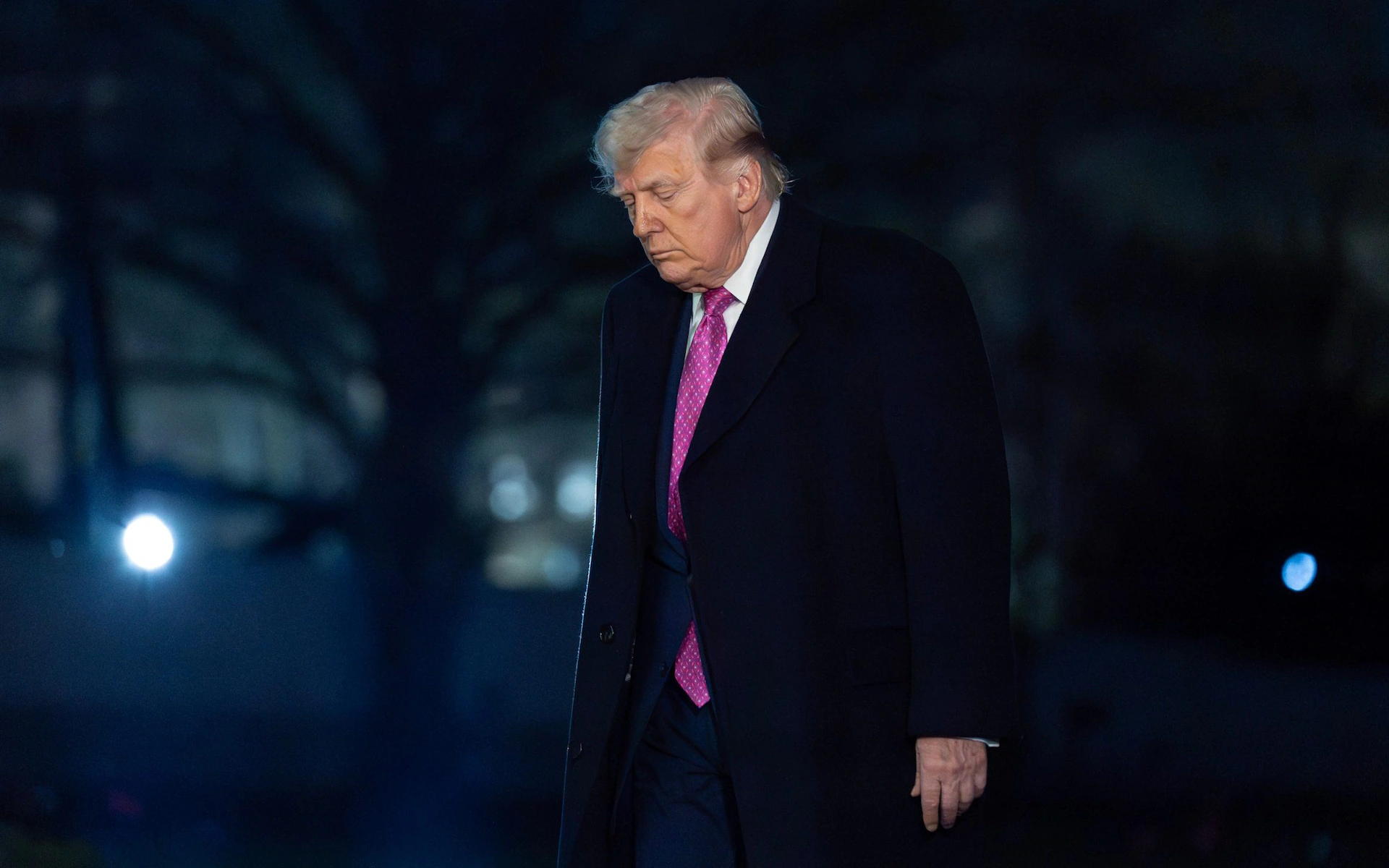
The specter of a global economic depression has moved from a theoretical warning to a “certainty,” according to the International Energy Agency (IEA), as President Donald Trump struggles to maintain control over the escalating conflict in the Persian Gulf. Despite initial White House assurances that the war against Iran would be a “four-to-six week” surgical operation, the conflict entered its fifth week today with no clear exit strategy in sight. Financial markets have reacted with alarm to reports that the President’s “maximalist” military aims have decoupled from regional reality, leading to what economists are calling the “Trump Shock”—a volatility spike that has pushed global growth forecasts to the brink of collapse.

The primary engine of this potential recession is the “energy cataclysm” triggered by the effective closure of the Strait of Hormuz on March 4. With 20% of global oil supply and significant LNG volumes now stranded, Brent crude has surged past $120 per barrel, while Asian LNG spot prices have skyrocketed by 140%. The IEA’s Executive Director described the situation as the “greatest global energy security challenge in history,” warning that the current supply disruption is larger than the 1973 and 1979 oil crises combined. For a global economy already weakened by high interest rates and trade tensions, the sustained triple-digit oil price is acting as a “tax on growth” that many analysts believe will trigger a technical recession by Summer 2026.
The ‘42-Day’ Fiction
The political pressure on the Trump administration is intensifying as the “surgical strike” narrative dissolves. On Monday, White House Press Secretary Karoline Leavitt insisted that the original 4-6 week timeline “remains right for now,” even as the President renewed threats to strike Iran’s civilian power plants—a move critics say signals a lack of control over the war’s scope. The Institute for the Study of War (ISW) reports that while the U.S.-Israeli coalition has struck over 13,000 targets, Iran has pivoted to a resilient “attrition strategy,” successfully hitting a Kuwaiti tanker in Dubai and targeting desalination plants that provide 80% of the Gulf’s fresh water.
[Image: A infographic comparing the ‘Planned War Duration’ (42 days) vs the ‘Actual Conflict Trajectory’ showing no downward trend]
Recession Odds Hit 48%
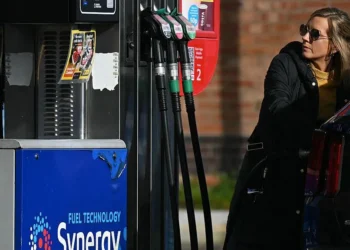
The economic fallout is no longer confined to the Middle East. In the United States, gasoline prices are rising by 5-10 cents daily, while in the UK and Europe, chemical and steel manufacturers have imposed 30% surcharges to offset energy costs, sparking fears of permanent deindustrialization.
-
Moody’s Analytics: Has raised the probability of a U.S. recession in the next 12 months to 48.6%.
-
Oxford Economics: Warns that if oil averages $140 for just two months, the UK and Eurozone will enter a “mild contraction” by Q3.
-
The IMF: Managing Director Kristalina Georgieva noted that the war could “wreck a fragile global recovery,” adding that an inflation shock of this magnitude will force central banks to “rip up” their current playbooks.

As the $116 oil price (and rising) filters through to the cost of groceries and heating, the “Trump War” is becoming a domestic political liability. With younger conservatives expressing disappointment at a “CPAC” conference last week and the Pope condemning the “blood on the hands” of those waging war, the administration is facing a pincer movement of economic panic and moral outcry. If the President cannot find a way to “stand down and declare victory” in the coming fortnight, the “Trump Shock” of 2026 may be remembered not as a military triumph, but as the moment the global economy was pushed into a decade-long dark.
Related News:
 Shein’s Elusive Boss Hails Chinese Roots in Rare Public Appearance
 Why Asian Firms Are Not Cheering Trump Tariff Ruling
 Why Asian Firms Are Not Cheering Trump Tariff Ruling
 India and Canada Seal Series of Deals as Carney and Modi Reset Ties
 Beyond ‘Halfway’: Netanyahu Signals Progress as Iranian Drone Strikes Tanker in Dubai
 ‘Emergency Management’: Korean Air Slashes Costs as Jet Fuel Prices Double
 Modi’s London Visit Seals Historic UK-India Trade Pact Amid Global Tensions
 China’s crackdown on civil servant perks sparks economic concerns
 Shein UK Faces Allegations of Shifting Majority of Profits to Singapore to Reduce UK Tax
 British AI Startup Outshines Human Forecasters in Global Prediction Contest
 China warns UK over delayed London mega embassy decision
 UPS Cargo Plane Crash in Kentucky Kills Seven
 Canada Passes Carney’s First Budget in Tight Parliamentary Vote
 India’s Labour Law Overhaul Sparks Fierce Debate
 US Citizens Warned to Venezuela Flee Amid Paramilitary Threats
 Gulf states warn Trump Iran strikes risk wider Middle East war
 Machado Trump medal gesture reshapes Venezuela power struggle
 Greenland defence seen as shared Nato duty amid troop arrivals
 Canada-China trade gains momentum in new strategic partnership
 Trump Receives Machado’s Nobel Medal in White House Meeting
 Syria President Declares Victory as Ceasefire Reached with SDF
 US Considers Asylum for British Jews Amid Rising Antisemitism
 Russia Strikes Kyiv and Kharkiv as Peace Talks Enter Day Two
 UK New Car Discounts Near £6,000 as Prices Are Slashed
 Emails Show Epstein Funded Mandelson’s Husband After Jail
 Fears of New Arms Race as US-Russia Nuclear Weapons Treaty Expires
 US Military Says Two Killed in Strike on Alleged Drug Boat in Eastern Pacific
 Venezuela’s Opposition Says Party Leader Kidnapped Hours After Being Freed
 Iran Says ‘Guiding Principles’ Agreed With US at Nuclear Talks
 Netflix and Paramount Are Battling for Warner Bros. — Who Is Likely to Win?
 Ukraine Peace Talks End in Acrimony After Two Hours
 Indian University Kicked Out of AI Summit for Claiming Chinese Robot Dog as Its Own Invention
 India Sentences Three Men to Death for Attack on Israeli Tourist and Hosts
 The Chinese AI App Sending Hollywood Into a Panic
 UK Has Not Given US Permission to Use RAF Bases for Iran Strikes
 Live Nation Sees Strong Ticket Sales as Monopoly Lawsuit Looms
 ‘We’re Still on Edge’: Toy Firms Look to US Supreme Court as Tariffs Hit Profits
 Uncertainties Loom for Businesses and Consumers After Trump’s Tariff Changes
 US Will Not Back Out of Tariff Deals with UK and Others, Says Trump Trade Representative
 Drugs, Denial, Stigma: Fiji’s HIV Crisis Hits Children
 Ukraine war briefing: Russia exporting more oil now than before war despite sanctions – report
 Trump’s new tariff takes effect at lower than expected rate
 Bill Gates ‘Took Responsibility’ Over Epstein Ties in Staff Meeting, Foundation Says
 US ‘Suitcase Murderer’ Deported From Bali After 11 Years in Jail
 Canada’s Finance Minister Says US Unlikely to Lift Tariffs
 Oil Prices Rise After Ships Attacked Near Strait of Hormuz
 Months of Planning Behind US‑Israeli Mission to Target Iran’s Supreme Leader
 UK Will Allow US to Use Bases to Strike Iranian Missile Sites, PM Says
 Oil Prices Surge as Iran War Jolts Markets
 Cooper: Joining US Strikes on Iran ‘Not in Britain’s Interest’
 Limited Flights Leave UAE But Disruption Continues Amid Iran Strikes
 Israel Launches Fresh Strikes on Tehran & Beirut; US Warns “Hardest Hits” Ahead
 Carney to Push His Middle Power Strategy During Australia Visit
 Bars Close and Hundreds Lose Jobs as US Firm Buys BrewDog in £33m Deal
 Global Order Is ‘Breaking Down’, Carney Tells Australian Parliament
 Azerbaijan Promises Retaliation After Iranian Drone Hits Airport
 Caffè Nero Warns Coffee Prices May Rise Again
 Oil Prices Surge Above $100 Amid Iran War
 G7 Weighs Emergency Oil Reserves as Prices Surge
 Gulf Oil Shock Sends Global Economic Ripples
 Iran Rejects Ceasefire, Warns Trump With Chilling Message
 US Says 16 Iranian Mine Ships Destroyed in Hormuz
 Iran War Costs to Be Passed to Consumers, Shipping Boss Warns
 Abramovich Chelsea Sale Cash Faces Jersey Probe
 Oil Price Jumps Despite Deal to Release Record Amount of Reserves
 Brazil Floods Warning as Scientists Urge Fossil Fuel Exit
 Yvette Cooper: UK Must Follow Principles, Not US Pressure
 UniCredit’s Bold Move to Reshape European Banking
 Wary Allies Signal No Easy Path in Iran Crisis
 UK Wage Growth Slows as Jobs Market Holds Firm
 Oil Slides, Stocks Jump on Trump Peace Signals
 Saudi Arabia Urging US to Keep Up Iran Attacks
 Jim Ratcliffe’s £3.5bn Chemical Plant Delayed with Parts Stranded in the Gulf
 Michel Rolland: The ‘Spielberg of Wine’ Who Directed the Global Palate
 Zelensky Looks to Gulf to Protect Him from Putin
 Trump Threatens Iran With Total Infrastructure Destruction
 IMF Predicts Global Economic Crisis Due to Gulf Unrest
 Washington Enlists Musk to Battle Global Hostility Online
 ‘Better Off Not Planting’: UK Farmers Face 36% Fertiliser Spike as Gulf Crisis Bites
 Tragedy in Lebanon: Two Indonesian UN Peacekeepers Killed in Border Explosion