
Published: April 6, 2026
The English Chronicle Desk
The English Chronicle Online
Category: UK News
Subcategories: Employment, Economy, Labour Rights
Proposed changes to statutory sick pay rules could benefit up to 9.6 million workers across the UK, according to analysis from the Trades Union Congress (TUC), which has welcomed the reforms as a significant expansion of workplace protections.

The planned adjustments are expected to widen eligibility and improve access for lower-paid and part-time workers who have historically been excluded from full sick pay coverage under existing thresholds. The TUC says the changes could reduce financial insecurity for employees forced to take time off due to illness.
Under the current system, statutory sick pay is only available to workers earning above a minimum earnings threshold, and payments are often criticised as insufficient to cover basic living costs. Campaigners argue this has led some employees to work while unwell, raising concerns about public health and workplace productivity.
The TUC has described the proposed reforms as a long-overdue correction to what it sees as structural weaknesses in the UK’s employment protection framework. It argues that expanding access to sick pay would particularly benefit workers in insecure or low-wage sectors such as retail, hospitality, and care services.
Government sources have previously indicated support for improving sick pay coverage, stating that reforms are aimed at strengthening financial resilience for workers and reducing pressure on the healthcare system by discouraging presenteeism during illness.
However, business groups have warned that changes could increase costs for employers, particularly small and medium-sized enterprises, which may face higher wage-related expenses and administrative adjustments. They argue that any reform must balance worker protection with economic sustainability.
Labour market analysts note that the UK’s statutory sick pay system remains less generous than many comparable European economies, particularly in terms of replacement rates and eligibility scope. They suggest that reform could help align the UK more closely with international standards.

Supporters of the changes also highlight potential wider economic benefits, including reduced spread of illness in workplaces and improved long-term workforce productivity. Critics, however, caution that without targeted support for small businesses, the policy could have unintended consequences for hiring and job creation.
The proposals are expected to form part of ongoing discussions between government, unions, and employer representatives, with further detail anticipated in forthcoming policy updates.
Related News:
 How to Exit Your Broadband Contract Without Paying Exit Fees
 Chancellor Rachel Reeves Pushes for Sweeping Changes to Environmental Protections to Accelerate Development
 Inflation Latest: Cost of Living Expected to Rise Again in Key Figures Released Today
 Retail Sales See Uptick Amid Errors and Delays as ONS Faces Scrutiny
 UK House Prices Hit Record £299,331 as Market Shows Steady Growth
Shein UK Faces Allegations of Shifting Majority of Profits to Singapore to Reduce UK Tax
UK House Prices Hit Record £299,331 as Market Shows Steady Growth
Shein UK Faces Allegations of Shifting Majority of Profits to Singapore to Reduce UK Tax
 UK Retail Sales Rise in August, but Tax Concerns Loom Over Festive Period
 Jaguar Land Rover Extends Production Halt Following Cyber-Attack
 UK Labour Market Shows Signs of Cooling as Wage Growth Slows and Redundancies Rise
 British AI Startup Outshines Human Forecasters in Global Prediction Contest
 Vodafone Franchisees Sound Alarm: Mental Health Toll of Commission Cuts Revealed Years Before £120m Court Battle
 Great Britain’s Energy Operator Commits to Strengthening Grid to Prevent Blackouts
 UK Government Backs Return of International Rail Travel to Kent Stations
 Marks & Spencer Staff to Work on Boxing Day for First Time in Five Years Amid Cost-Cutting Measures
 Senior Tories Condemn Badenoch’s Vow to Repeal Climate Change Act as Catastrophic
 Wetherspoon vows to keep prices low amid soaring energy and tax costs
 He-Man Set for Big Comeback as UK Toy Industry Rides ‘Newstalgia’ Wave
 Delivery Apps Could Double the Cost of Your Groceries, Warns Consumer Watchdog
 UK House Price Growth Slows as Buyers Exercise Caution Ahead of Autumn Budget
 Kemi Badenoch Unveils ‘Golden Rule’ to Halve Spending Cuts for Deficit Reduction at Tory Conference
 Royal Mail Fined £21m for Delivery Failures
 Parents spending £5,000 on special school assessments in England
 China warns UK over delayed London mega embassy decision
 New V-Level qualification to transform post-16 education
 Pizza Hut to shut 68 sites after collapsing into administration
 Real living wage set to rise nearly 7% for UK workers in 2026
 Reeves Faces Setback as Labour May Miss Homes Target
 Trump’s UK Ambassador Urges North Sea Drilling to Strengthen US Ties
 ABF May Split Primark from Food Division Amid Tough Market
 M&S Profits More Than Halve After Cyber-Attack
 Tony Blair think tank warns Rachel Reeves must cut taxes if manifesto broken
 Millionaires group urge Reeves to introduce wealth tax to ‘lift kids out of poverty’
 Global markets drop amid tech sell-off and China slowdown
 Mossmorran Plant Closure Hits Cowdenbeath Hard
 Starmer Says Labour’s Economic Plan Needs Years to Deliver
 Virgin Media Fined £23.8m Over Telecare Safety Failures
 Rising Water Bills Lift Troubled Thames Back to Profit
 Historic £100-Weekly Pension Boost Brings Relief for UK Mineworkers
 UK Investment G7: Britain Records Lowest Level Under Starmer
MPs warn AI financial risks threaten UK stability
UK Investment G7: Britain Records Lowest Level Under Starmer
MPs warn AI financial risks threaten UK stability
 MPs warn AI financial risks threaten UK stability
 Households in England Face Rising Water Bills in April
 UK New Car Discounts Near £6,000 as Prices Are Slashed
 Study Finds One in Seven England Takeaways Are Dark Kitchens
 Pound Sinks and Borrowing Costs Rise as Starmer Fights for Job
 London Loses Its Grip on Ambitious Young Workers
 Row at David Lloyd Clubs Over £140-a-Month ‘Queue-Jumping’ Pass
 Major UK Clothing Firm Collapses into Administration — 109 Jobs at Risk
 UK economy struggles as growth stalls at 0.1% in late 2025
 Could Manchester Lead the UK’s Economic Revival?
 Royal Mail Blames Poor Weather and Sickness for Delayed Deliveries
 Lloyds Boss Accepts Concern Over Use of Staff Data in Pay Talks
 Store at Famous Shopping Village to Close After 18 Years Due to Rising Costs
 UK Job Vacancies Hit Five-Year Pandemic Low
 US Will Not Back Out of Tariff Deals with UK and Others, Says Trump Trade Representative
 Luxury Airbnb Cabins With Hot Tubs Must Be Demolished After Planning Ruling
 UK Youth Unemployment Surges Amid Tax Changes
 Strong Rebound for UK Housing Market Sees 6% More Homes
 Reeves Must Back Defence Plan or Face Dismissal, Says Unite Chief
 Switching Energy Deal Can Save £200 as Price Cap Falls
 Hornby Sells Scalextric for £20m to Purbeck Capital Partners
 UK house prices rise as market steadies
 Labour’s Employment Shake‑Up ‘Makes Britain Worse Than France’
 Bogus ‘Oxford Professor’ Jailed Over £880k Investment Scam
 Sarah Ferguson Loses Another £1.5m Amid Financial Struggles
 Courier Firm Bust After 14 Years as Evri Deliveries Face ‘Temporary Disruption’
 UK Fuel Tax Hike Plan to Be Kept Under Review Over Iran Conflict
 ‘Heating Oil Suppliers Are Holding Us to Ransom’ as Prices and Cancellations Surge
 UK Pushes NHS and MoD to Buy British Tech
 UK Wage Growth Slows as Jobs Market Holds Firm
 Charity Watchdog Takes Control of Learning Disability Care Home
 Starmer Launches Labour Local Election Campaign Under Shadow of ‘Bloodbath’ Predictions
 English Football’s Managerial Merry-Go-Round Has Become a Circus
 Tottenham Ramp Up Roberto De Zerbi Pursuit with Blockbuster Five-Year Offer
 The 8 Million Dilemma: Why Britain’s Disability Safety Net is Facing a ‘2026 Reckoning’
 The ‘Peterborough Windfall’: Council Calculator Finds £84,800 in Unclaimed Support
 ‘Better Off Not Planting’: UK Farmers Face 36% Fertiliser Spike as Gulf Crisis Bites
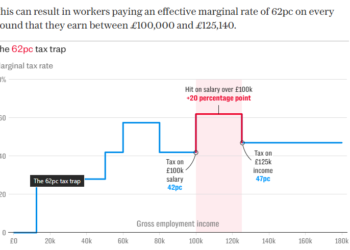 The ‘Career Ceiling’: One in Five High Earners Say £100k Tax Trap is ‘Ruining’ Their Ambition
 ‘White Elephant on Wheels’: Orkney Council to Sell £456,000 Bin Lorry with Only 2,000 Miles
 New UK Farm Inheritance Tax Rule Will Cause ‘Significant Challenges’, Say Accountants