Published: 07 April 2026. The English Chronicle Desk. The English Chronicle Online.
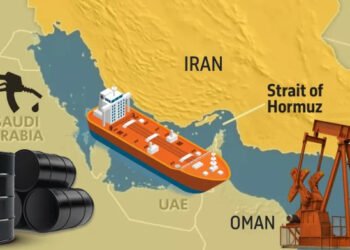
The global community watches with bated breath as a critical diplomatic deadline fast approaches. Tensions between Washington and Tehran have reached a fever pitch over the last few days. President Donald Trump has issued a stark ultimatum to the Iranian leadership regarding maritime access. This demand requires the immediate reopening of the strategic Strait of Hormuz by Tuesday evening. Failure to comply could result in a massive military escalation against Iranian national infrastructure. Specifically, the White House has threatened to target power plants and vital transport bridges. Such a move would significantly alter the current landscape of the ongoing regional conflict.
Mediators from Pakistan, Egypt, and Turkey are working tirelessly to secure a lasting peace. Their proposed framework includes an immediate ceasefire followed by a structured period of diplomatic talks. This plan seeks to restore stability to global energy markets and protect civilian lives. However, the Iranian government has expressed significant reservations about the nature of this truce. Tehran officially maintains that a temporary ceasefire is insufficient for their long-term security needs. They have instead proposed a comprehensive ten-point plan for a permanent end to hostilities. This counter-proposal emphasizes the total withdrawal of threats rather than a short-term pause.
President Trump addressed these developments during an Easter event held at the White House. He acknowledged the Iranian proposal but ultimately deemed the gesture as falling quite short. While he noted it was a step, he insisted it lacked the necessary commitments. The President remains firm on his timeline for the reopening of the vital shipping lanes. His rhetoric has been uncharacteristically blunt, even for a leader known for his directness. This approach has sparked intense debate among international legal experts and global human rights groups. Many argue that targeting civilian infrastructure could constitute a violation of established international laws.

The potential bombing of power grids raises serious concerns about the welfare of millions. Critics suggest that such actions would cause disproportionate harm to the innocent Iranian population. They argue that the humanitarian cost outweighs any perceived military advantage gained in the process. President Trump has rejected these claims by pointing to the actions of the Iranian regime. He cited the violent suppression of domestic protests as justification for his aggressive stance. Unverified reports suggest that thousands of protesters may have been killed by the state recently. The President used this internal strife to characterize the current leadership in very harsh terms.
Meanwhile, the United States Secretary of Defence has echoed the President’s very stern warnings. Pete Hegseth stated that the military is prepared for an unprecedented volume of strikes. He indicated that operations would intensify significantly if the deadline passes without a resolution. The Pentagon appears ready to execute a campaign of historical proportions against specified targets. This hardline stance is intended to force a quick decision from the Iranian high command. Despite these threats, there are still small flickers of hope for a diplomatic breakthrough. Trump has hinted that he remains open to a deal under the right circumstances.
He even suggested that the United States might assist in rebuilding the Iranian nation. This dual approach of extreme pressure and potential partnership is a hallmark of his style. Iranian officials, however, remain skeptical of the promises coming from the current American administration. They fear being trapped in an agreement that does not stop localized military strikes. The Iranian Foreign Ministry has stated that threats are incompatible with genuine peace negotiations. They have warned that any escalation will be met with a much more devastating retaliation. This cycle of threats has left the global oil market in a state of flux.
Brent crude futures have fluctuated wildly as traders react to every new headline today. Prices remain significantly higher than they were before the conflict began in late February. The economic impact of a closed strait continues to haunt the major global economies. In Israel, political sources suggest that a total collapse of talks is quite likely. They believe the Israeli Defence Forces are already preparing for a wider range of scenarios. Further targets have been identified should the campaign against energy infrastructure begin in earnest. Israel has already demonstrated its willingness to strike key petrochemical facilities across the region.
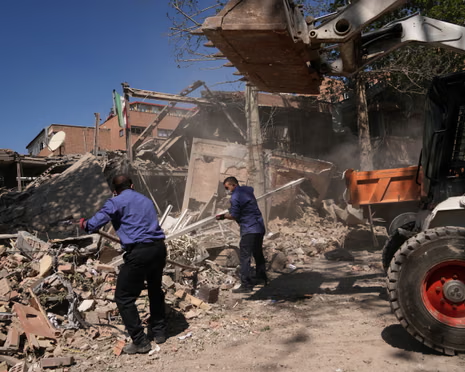
Recent attacks on the South Pars complex have severely crippled Iran’s primary export capacity. The Israeli Defence Minister confirmed these strikes were aimed at the heart of the economy. He stated that the majority of Iran’s petrochemical exports have now been effectively halted. This economic warfare is designed to drain the resources required to sustain the war effort. On the ground, the human cost of the conflict continues to rise daily. Strikes on Tehran have resulted in the deaths of high-ranking military intelligence officials. Meanwhile, missile attacks on northern Israel have claimed the lives of several civilians recently.

The destruction of a residential building in Haifa has left families mourning their loved ones. In Lebanon, the conflict has spread to the southern suburbs of the capital city. Strikes in Beirut have targeted strongholds of Hezbollah as the regional front expands further. Casualties in Lebanon include political figures and innocent bystanders caught in the crossfire. The recovery of bodies from the rubble has become a tragic and daily occurrence. Each side remains entrenched in their positions as the Tuesday night deadline draws near. The involvement of Field Marshal Asim Munir highlights the international scale of the mediation.
He has been in constant contact with Vice President JD Vance to find common ground. Simultaneously, special envoys are attempting to maintain a direct line to the Iranian Foreign Ministry. The complexity of these multi-party talks makes a swift resolution exceptionally difficult to achieve. Every sentence uttered by the leaders is scrutinized for any sign of a possible retreat. The world now waits to see if the Iranian leadership will blink before morning. A failure to reach an agreement could trigger a night of unprecedented regional destruction. The English Chronicle will continue to provide live updates as this delicate situation unfolds.
The next twenty-four hours will likely define the future of the modern Middle East. History has shown that deadlines of this nature often lead to sudden, dramatic shifts. Whether those shifts lead toward peace or total war remains a very grim uncertainty. Citizens across the globe are hoping for a miracle on the road to Tehran. The eyes of history are firmly fixed on the decisions made in the coming hours. For now, the silence before the storm is filled with frantic whispers of diplomacy. We can only hope that reason prevails over the impulse for further violent escalation. The cost of failure is simply too high for the world to bear right now.
Related News:
 Trump Plans Venezuela Meeting, Warns of Cartel Land Strikes
 Mandelson apologises over Epstein ties after public scrutiny
 US Senate rejects resolution limiting Trump military powers
 Trump Calls Greenland Critical for US Security After Denmark Talks
 Trump: Iran Killing Has Stopped, Strike Threats Pulled Back
 Machado Trump medal gesture reshapes Venezuela power struggle
 Trump Receives Machado’s Nobel Medal in White House Meeting
 Iran unrest slows under brutal crackdown and global tensions
 Trump Allies Pursue $200m European Gas Pipeline Deal
 US Considers Asylum for British Jews Amid Rising Antisemitism
 Starmer Challenges US Over Controversial Greenland Deal
 Spoof “Make America Go Away” Caps Rally Denmark Over Greenland
 Trump slams UK ‘stupidity’ over Chagos Islands, eyes Greenland takeover
 UK Presses On With Chagos Handover Despite Trump Criticism
 Kim Jong-un Fires Vice-Premier Over Factory Failures
 Shinzo Abe’s killer receives life sentence in Japan
 Starmer Resists Matching Trump Amid Greenland Tensions
 Netanyahu Accepts Trump’s ‘Board of Peace’ Invitation
 South Korean Ex-PM Jailed 23 Years Over Martial Law Role
 Canada Rules Out Free Trade Deal With China Amid US Tensions
 Snow Threatens Japan Election Turnout Amid Extreme Cold
 Keir Starmer meets Xi to strengthen UK-China economic relations
 Cambridge Faces Scrutiny Over Arms Investment Transparency
 Files Link Andrew to Epstein Dinner After Prison Release
 Thousands Protest ICE Operations in Nationwide US Day of Action
 Epstein Files Reveal Trump Officials’ Emails with Financier
 Thousands Protest ICE in New York Against Trump Deportation Campaign
 Trump-Petro Meeting Sparks Hopes of Diplomatic Detente
 Epstein UAE Emails Shake British Royal Andrew’s Legacy
 Liberal Fallout: Taylor Challenge Casts Shadow Over Sussan Ley’s Leadership
 Ukraine, Russia Meet in Geneva Ahead of War Anniversary
 Brazilian Politician Brothers Sentenced for Marielle Murder
 Tommy Robinson Meets Trump Officials at US State Department
 New Zealand Covid Response Praised Despite Lingering Scars
 HMS Dragon to Head to Cyprus Amid Rising Tensions
 Starmer Praised for Stance on Trump and Iran Conflict
 Yvette Cooper: UK Must Follow Principles, Not US Pressure
 UK Ministers Signal Strategic Independence From Trump Demands
 Florida Governor renames Palm Beach Airport for Donald Trump
 Big Tech Faces Investigation Over Australia’s Social Media Ban
 Farage Shuns Truss as US Right-Wing Roadshow Hits London
 European Leaders Slam Hungary Over Alleged Russian Ties
 Starmer Urges Ambitious EU Ties Amid Middle East Conflict
 A Global Voice For Justice: Stephen Lewis Dies At Age 88
 Trump Mocks Starmer and UK Carriers in White House Speech
 Starmer visits Gulf as US and Iran agree ceasefire
 GOP Senator Criticizes Trump’s Feud With Pope Leo XIV
 Global Oil Prices Surge Amid Renewed Gulf Tensions
 Faith and Power: Catholics React to Trump-Pope Feud
 Timor-Leste Faces Tough Questions Over Resort Proposal
 Security Scrutiny After Washington Shooting Incident
 Aukus Submarine Plan Faces Critical Failures
 UK Envoy Sparks Controversy Over Special Relationship Claims
 US Calls Australia Media Law “Foreign Extortion”
 USS Gerald R Ford Ends Record Naval Deployment
 Activists allege abuse after Gaza flotilla seizure
 Australia pushes Pacific security pact amid China tension
 Indiana Republicans Defy Trump in Key Vote Test
 Middle East Crisis Escalates as Oil Routes Shake Markets
 One Nation Candidate’s Surprising Ties to Independents
 Anika Wells Repays Over £5,000 in Travel Claims
 Tensions Emerge in Netanyahu-Trump Alliance
 California Mayor Resigns Over Foreign Agent Charges
 Liberal Senator Criticises Immigration Rhetoric
 Hanson Stunner: Norway Model Sparking Energy Row
 Tony Abbott Returns as New Liberal Party President
 Tulsi Gabbard exits after turbulent intelligence tenure
 UK Urged to Build EU Rejoin Consensus, Says Miliband
 Zelenskyy warns over Oreshnik threat as Kyiv hit
 Discontent grows around Putin amid war strain
 Former ICC prosecutor condemns US sanctions
 Trump Weighs Retreat from Controversial $1.8bn Slush Fund
 Iran Prepares for Massive Six-Day Funeral for Khamenei
 Trump’s Mount Rushmore Speech: A Divisive Anniversary
 Iran Mourns: Millions at Khamenei’s Final Procession
 Starmer Braces for Nato Spending Clash in Ankara
 Trump Swaps Planes Amid Iran Tensions
 House Democrats Divided Over Israel Military Funding Bid
 Houthis Strike Saudi Arabia as Middle East Tensions Rise
 Taliban global ties grow as rights fears mount