Published: April 7, 2026. The English Chronicle Desk. The English Chronicle Online — Real-time analysis of energy markets and geopolitical risk.
Energy markets experienced a day of extreme turbulence as global oil prices reacted sharply to an unprecedented and expletive-laden warning from President Donald Trump directed at the Iranian leadership. Following a weekend of heightened tension in the Persian Gulf, the President used a social media address and a subsequent press briefing to issue a final ultimatum, utilizing remarkably blunt language to promise the “total obliteration” of Iranian energy assets if the Strait of Hormuz is not cleared for international shipping by Tuesday’s 8:00 p.m. ET deadline. This unfiltered rhetoric has introduced a fresh layer of “unpredictability premium” to the market, sending traders into a frenzy as they attempt to gauge the likelihood of a massive military strike.

The immediate reaction on the trading floors was a sharp spike, with Brent crude briefly touching a 30-month high of $112.50 per barrel before retreating as investors weighed the possibility that the President’s words were a high-stakes psychological tactic. However, the price remained “choppy” throughout the afternoon session, characterized by rapid fluctuations of up to three dollars in a single hour. Market analysts noted that while the President’s aggressive stance is not new, the specific and graphic nature of his latest threats—vowing to turn Iran’s primary refineries into “smoldering piles of scrap”—has significantly raised the floor for oil prices. Investors are now hedging against the worst-case scenario: a localized conflict expanding into a regional war that could permanently damage the infrastructure of one of the world’s most vital oil-producing zones.
The volatility is further compounded by a lack of clarity regarding the U.S. Navy’s rules of engagement in the region. Reports from the Gulf indicate that American carrier groups have moved into striking distance of Iranian coastal installations, while the President’s “Operation Epic Fury” continues to exert pressure on the Islamic Republic’s defensive capabilities. The expletive-laden nature of the President’s recent communication has also alienated some traditional European allies, who have called for a “return to diplomatic decorum” even as they remain reliant on the very oil routes currently under threat. This diplomatic friction has created an environment where traders can no longer rely on coordinated international responses, further fueling the market’s erratic behavior.
In Asia, the “Trump Threat” has triggered emergency stockpiling measures. In Tokyo and Seoul, government officials have reportedly authorized the release of strategic reserves to stabilize domestic prices, even as they nervously eye the Tuesday evening deadline. Meanwhile, in China and India, the rhetoric has accelerated efforts to finalize independent energy deals with Tehran, as these nations seek to bypass the potential fallout of a U.S. strike. This fragmentation of the global market means that while “legal” crude becomes increasingly expensive and volatile, a “shadow market” is emerging, further complicating the price discovery process for West Texas Intermediate and Brent benchmarks.

As the final hours before the deadline tick away, the global economy remains in a state of high-alert. Shipping insurers have reportedly raised premiums for vessels entering the Gulf of Oman to “prohibitive” levels, and major airlines have begun rerouting flights to avoid the potential combat zone. The “choppy” nature of oil prices today is a physical manifestation of a world on the brink; it reflects a market that is simultaneously terrified of a total energy shutdown and hopeful for a last-minute de-escalation. Regardless of the outcome on Tuesday night, the President’s latest outburst has ensured that the energy sector will remain in a state of high-octane uncertainty for the foreseeable future.
Related News:
 Oil Markets Surge as Investors Await Trump’s Final Iran Ultimatum
 Reform Plans to Keep UK’s Budget Watchdog in Office
 Tories Call for Rethink of Parliament Revamp Plans
 Reeves Blocking Spending Boost for Defence
 Jenrick: I’ll Back OBR but There’ll Be No More Cosy Consensus
 Another U-turn Ahead as Labour Reconsiders Youth Minimum Wage
 Live Markets Bet on Spring Rate Cut as Inflation Falls
 City Bets on Rate Cuts as Unemployment Soars
 Reeves Faces Triple Threat as Markets Reel From Global Turmoil
 Gulf Oil Shock Sends Global Economic Ripples
 US Launches Probe into Trading Partners Including EU, China, and India
 Close Brothers to Axe 600 Jobs in £85m Cuts
 Badenoch Demands Energy Tax Cuts Over ‘Benefit Street’ Bailouts
 Tories Urge Three-Year VAT Scrap on Energy Bills to Combat Price Spike
 India’s High-Growth Economy Braces for a Middle East Oil Shock
 Asian Powers Secure Energy Lifelines as Trump’s Hormuz Deadline Looms
 Modi’s London Visit Seals Historic UK-India Trade Pact Amid Global Tensions
 David Lammy Faces Possible Legal Challenge Over Foreign Office Secondment Scheme
 Chancellor Rachel Reeves Pushes for Sweeping Changes to Environmental Protections to Accelerate Development
 Starmer Urged to Champion Workers’ Rights Amid Low Public Awareness
 Senior Tories Condemn Badenoch’s Vow to Repeal Climate Change Act as Catastrophic
 Kemi Badenoch Unveils ‘Golden Rule’ to Halve Spending Cuts for Deficit Reduction at Tory Conference
 Lucy Powell urged ministers to reconsider costly legal case for Labour donor’s firm
 Trump’s UK Ambassador Urges North Sea Drilling to Strengthen US Ties
 Rachel Reeves Set to Break Labour Pledge and Raise Income Tax
 MPs Press Rachel Reeves to Hike Gambling Taxes
 Millionaires group urge Reeves to introduce wealth tax to ‘lift kids out of poverty’
 Canada Passes Carney’s First Budget in Tight Parliamentary Vote
 PM Highlights UK Business at G20 in South Africa
 India’s Labour Law Overhaul Sparks Fierce Debate
 Starmer Says Labour’s Economic Plan Needs Years to Deliver
 Starmer links foreign trips to tackling cost of living crisis
 China Dependence Threatens UK Energy Supply Chains and Jobs
 MPs warn AI financial risks threaten UK stability
 MPs warn AI financial risks threaten UK stability
 Labour Must Revive High Streets to Avoid Election Collapse
 UK food industry urges transition if post-Brexit rules reset
 AstraZeneca China Investment Signals Strategic Shift Abroad
 Barclays drops Global Counsel after Mandelson link scrutiny
 Could Manchester Lead the UK’s Economic Revival?
 Robert Jenrick to Be Unveiled as Reform UK’s Treasury Spokesman, Reports Say
 Sanders Condemns Billionaire ‘Greed’ in California Tax Debate
 Tim Wilson Backs RBA Dual Mandate Amid Inflation Debate
 UK Sees Record £30.4bn Budget Surplus, Boosting Reeves’ Position
 Uncertainties Loom for Businesses and Consumers After Trump’s Tariff Changes
 Canada Eyes Trade Talks After US Supreme Court Tosses Trump Tariffs
 Ministers Urged to Ban Crypto Political Donations
 Reeves Must Back Defence Plan or Face Dismissal, Says Unite Chief
 Labour’s Employment Shake‑Up ‘Makes Britain Worse Than France’
 China Sets Lowest Economic Growth Target Since 1991
 Venezuela and US to Work Together on Mining Developments, Rodríguez Says
 Could Trump Threaten London’s £50bn Insurance Giant?
 Iran War Raises Questions Over China’s Global Plan
 Iran Rejects Ceasefire, Warns Trump With Chilling Message
 US Says 16 Iranian Mine Ships Destroyed in Hormuz
 Iran War Costs to Be Passed to Consumers, Shipping Boss Warns
 ‘Chippies Will Die Unless We Eat Cheaper Fish’
 UK Fuel Tax Hike Plan to Be Kept Under Review Over Iran Conflict
 Oil Price Jumps Despite Deal to Release Record Amount of Reserves
 Wealthy Britons Flee Gulf War but Avoid UK Taxes
 UniCredit’s Bold Move to Reshape European Banking
 Sri Lanka Sets Weekly Shutdown to Save Fuel
 India’s $300bn Outsourcing Industry Faces AI Test
 UK Wage Growth Slows as Jobs Market Holds Firm
 Farage Faces Backlash Over Crypto Cameo Endorsements
 Estate of Late Tycoon Mike Lynch to Pay £920m
 UK Forecast to See Biggest Growth Hit from Iran War
 Welsh Labour Pledges Income Tax Freeze at Manifesto Launch
 Starmer Launches Labour Local Election Campaign Under Shadow of ‘Bloodbath’ Predictions
 Zelensky Looks to Gulf to Protect Him from Putin
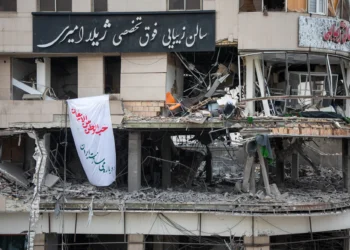 Iran Strikes Kuwaiti Desalination Plant, Killing Worker as ‘Water War’ Escalates
 The 8 Million Dilemma: Why Britain’s Disability Safety Net is Facing a ‘2026 Reckoning’
 The ‘Peterborough Windfall’: Council Calculator Finds £84,800 in Unclaimed Support
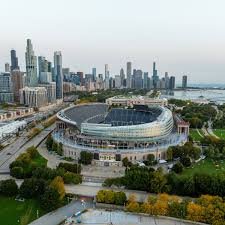 Can Congress Stop US Sports Teams From Moving Cities?
 British Businesses Braced as National Living Wage Hits £12.71 Published: 1 April 2026
 The “Citrus” Shift: Marmalade to be Legally Rebranded in Post-Brexit Food Realignment
 Fuel Duty Relief Plea Amid Middle East Oil Crisis
 Tax Shift Hits UK Farms: New Inheritance Rules Begin
 Oil and Diplomacy: Russian Refineries Burn as Zelenskyy Secures Middle East Shield
 “A Perfect Storm”: UK Small Businesses Face Doubling Energy Bills as Iran War Rattles Markets