Published: April 7, 2026. The English Chronicle Desk. The English Chronicle Online — Reporting on the intersection of culture, politics, and public policy.
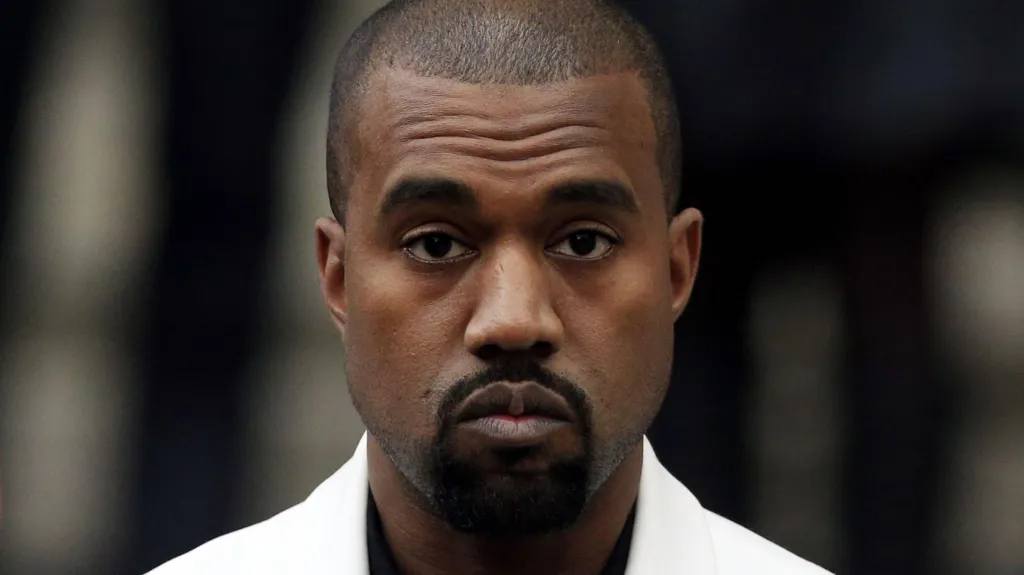
The British government has confirmed that it is reviewing the right of American rapper Kanye West, now legally known as Ye, to enter the United Kingdom following a wave of public and political indignation over his scheduled performance at London’s Wireless Festival. The 48-year-old musician, who has not performed on British soil since his 2015 Glastonbury headline set, was recently announced as the top-billed act for all three nights of the July event in Finsbury Park. However, the decision by festival organizers has triggered a massive corporate exodus and prompted direct intervention from Prime Minister Keir Starmer and senior cabinet ministers.

The controversy centers on Ye’s history of antisemitic rhetoric and his recent glorification of Nazi imagery, which critics argue makes his presence in the UK “not conducive to the public good”—the legal threshold required for the Home Office to bar a non-citizen. Public anger reached a boiling point following the 2025 release of his track “Heil Hitler” and his subsequent sale of swastika-branded merchandise. In response to the booking, global brands including Pepsi, Diageo, and PayPal have formally withdrawn their sponsorship of the Wireless Festival, citing a fundamental misalignment with their corporate values. The loss of these major partners represents a significant financial blow to the festival’s organizers, Live Nation and Festival Republic.
Prime Minister Keir Starmer has publicly joined the chorus of disapproval, describing the booking as “deeply concerning” and reiterating that antisemitism must be confronted “firmly wherever it appears.” While the Prime Minister’s office traditionally remains at arm’s length from individual visa cases, the Home Office confirmed on Monday that Home Secretary Shabana Mahmood has the personal authority to exclude individuals whose presence might incite social tension or promote extremist ideologies. High-profile advocacy groups, including the Campaign Against Antisemitism and the Board of Deputies of British Jews, have formally petitioned the government to use these powers, arguing that providing a platform to the rapper would be an insult to the Jewish community.
In his defense, Ye has previously sought to characterize his past outbursts as the result of an untreated bipolar disorder and a “manic episode of psychotic, paranoid, and impulsive behavior.” Earlier this year, he took out full-page advertisements in major international newspapers to apologize for his actions, claiming he had “lost touch with reality.” However, for many UK lawmakers and activists, the apology rings hollow in the face of his continued use of inflammatory symbols. Melvin Benn, the managing director of Festival Republic, has defended the booking by urging the public to embrace “forgiveness,” insisting that the rapper will not be given a platform to “extol opinion” during his musical performance.

The outcome of the Home Office review will have significant implications for the UK’s summer festival season and the broader debate over free speech versus the prevention of hate speech. If barred, Ye would join a growing list of controversial figures denied entry to the UK on public interest grounds, following in the footsteps of his 2025 visa cancellation in Australia for similar reasons. As the July dates approach, the music industry and the British public remain sharply divided over whether the artist’s past can—or should—be separated from his cultural influence. For now, the rapper’s European comeback tour remains on a precarious footing as the British government weighs the “public good” against the draw of a global superstar.
Related News:
 Russell T Davies Warns of Declining UK Gay Rights Amid Rise of Reform UK and Trump Influence
 Army Probes Apache Flyover at Kid Rock’s Nashville Estate
 Keir Starmer Expresses Concern Over Kanye West Wireless Festival Dates
 UK Must Act with Courage and Clarity on Israel-Palestine Conflict, Says Foreign Affairs Committee Report
 Chancellor Faces Mounting Pressure Amid “Impossible Trilemma” Over Tax Rises
 Radioactive Leak at UK’s Nuclear Warhead Base Sparks Outcry Over Safety and Secrecy
 Mutual Inconvenience: Why Alaska Was Chosen for the Trump-Putin Summit on Ukraine
 Terence Stamp, ’60s British Film Legend and Star of Superman, Dies at 87
 Chancellor Rachel Reeves Pushes for Sweeping Changes to Environmental Protections to Accelerate Development
 Is the UK Ready to Put Boots on the Ground in Ukraine? Assessing Military Capacity and Challenges
 Police Scotland Spends £500,000 Compensating Officers Over Trump Visit
 Britain’s Migration Challenge: Rising Asylum Numbers and Hotel Pressures
 Elon Musk Sparks New Controversy by Backing Tommy Robinson Amid Farage Feud
 Urgent Action Needed on Windrush Compensation as Survivors Speak of “Waiting to Die”
 Tanni Grey-Thompson Faces Abuse Over Opposition to Assisted Dying Bill
 TfL Invites RMT to Resume Talks as London Tube Strikes End
 Nigel Farage Unveils Controversial Immigration and Welfare Plans at Reform UK Press Conference
 Ed Miliband Warns UK Government on X, Citing Elon Musk as a “Dangerous Influence”
 Digital ID Plans Ignite Debate Over £600m Treasury Tax Boost and Privacy Concerns
 Kemi Badenoch Unveils ‘Golden Rule’ to Halve Spending Cuts for Deficit Reduction at Tory Conference
 Public Trust in SNP Hits Historic Low Amid NHS Concerns
 Paedophile Singer Ian Watkins Dies After Prison Attack
 Strictly Celebs Starstruck as Cynthia Erivo Shines
 Johnson Suggests Mandelson Linked to China Spy Controversy
 UK border officers deployed to Balkans to tackle migrant smuggling
 Ministry of Justice fails to file £11bn in spending receipts
 UK MPs warn of repeat riots over online misinformation
 Rachel Reeves signals welfare reform ahead of key budget
 Reform UK candidate fined £19,000 after using AI-generated cases to challenge election
 William Steps Up Over Prince Andrew Palace Response
 Army Barracks to House Migrants as Hotels Phase Out
 Kate Winslet to Narrate Film Highlighting King’s Environmental Mission
 Green Party Surges Past Labour in Latest UK Poll
 Trump’s UK Ambassador Urges North Sea Drilling to Strengthen US Ties
 French Taxi Driver Cleared in David Lammy Theft Case After Fare Dispute
 I’m a Celebrity 2025 line-up revealed: Osbourne joins
 Millionaires group urge Reeves to introduce wealth tax to ‘lift kids out of poverty’
 Reeves rejects £1bn plea for NHS redundancy payouts
 PM Condemns Leaks, Vows Loyalty to Ministers and Stability
 Major Rent Reform Ends No-Fault Evictions in England
 Starmer Says Labour’s Economic Plan Needs Years to Deliver
 England delays four mayoral elections amid criticism
 UK Ministers Drop Foreign Student Targets for Global Education Push
 No Gas Boiler Ban as UK Warm Homes Plan Backs Heat Pumps
 Shinzo Abe’s killer receives life sentence in Japan
 Police response times face strict new national limits
 Labour policing overhaul sparks fears over growing central control
 Starmer warns of toxic division politics in Reform challenge
 Palantir contracts face UK halt calls over transparency
 Diane Abbott Slams Applause for Keir Starmer as PM Vows to Stay On After Mandelson-Epstein Row
 Could Manchester Lead the UK’s Economic Revival?
 Starmer Weighs Fast-Tracking Defence Boost
 Farage to Name Jenrick as Reform Chancellor Pick
 Civil Service Pay: Union Urges Ministers to End ‘Barking Mad’ Limits
 Antonia Romeo appointment sparks criticism
 Australian PM Says Former Prince Andrew Has Suffered ‘Extraordinary Fall’ but That Won’t Prompt Republic Referendum
 Farage Chagos Islands Row Sparks Fury
 Meet Robert Aramayo: From Humble Beginnings in Hull to Juilliard and BAFTA Glory After Beating Timothée Chalamet
 Lord Mandelson Released on Bail After Arrest on Suspicion of Misconduct in Public Office
 Reform UK targets workers’ rights repeal
 Russian Trade Routed Through British Islands Exposed
 Mandelson Arrest: Met Apologises to Hoyle
 No 10 Will Have No Say on Which Mandelson Papers Are Released
 BBC Charter Reform Sparks Independence Battle
 Labour MP’s Partner Arrested on Suspicion of Spying for China
 Police Scotland Pays £8m Compensation to Staff
 Minister Meets Crews Who Will ‘Take Out’ Iranian Drones
 Thousands Protest Iran Strikes Outside US Embassy London
 UK Oil and Gas Supplies Reassured Amid Middle East Concerns
 Tommy and Gail Sheridan to Stand for New Political Party After Alba Demise
 Yvette Cooper: UK Must Follow Principles, Not US Pressure
 Wes Streeting Backs Starmer Amid Speculation of Leadership
 Mandelson’s Phone Messages Requested in Files Release
 UK Forces Ready to Seize Russian Shadow Fleet Vessels
 US Lawmaker Demands Testimony Over Sarah Ferguson’s ‘Close Epstein Ties’
 ‘Eye in the Sky’ Blinded: Photos Reveal Destroyed US Radar Jet at Saudi Base
 ‘My Hatred of Dogs is Ruining My Love Life’
 The 8 Million Dilemma: Why Britain’s Disability Safety Net is Facing a ‘2026 Reckoning’
 The ‘Peterborough Windfall’: Council Calculator Finds £84,800 in Unclaimed Support
 Labour to Back Down on Foie Gras and Fur Bans to Ease EU Trade Deal