Published: 07 April 2026. The English Chronicle Desk. The English Chronicle Online.
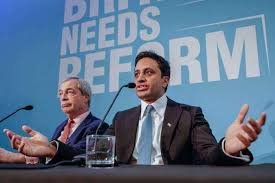
The political landscape in Britain has shifted significantly today as Reform UK announces a bold new immigration policy. The party has declared it will stop issuing visas to citizens from nations seeking financial slavery reparations. Zia Yusuf serves as the home affairs spokesperson and he recently outlined this firm stance to the media. He described the ongoing calls for historical compensation as deeply insulting to the British people and state. Yusuf claimed that three million eight hundred thousand visas were issued to these specific countries recently. This figure covers the last two decades of migration from nations now demanding various forms of payment.
The historical context of this debate spans four centuries of the transatlantic trade in enslaved people. During this period seven European nations trafficked more than fifteen million Africans across the Atlantic Ocean. Historians often link the wealth generated from this enslavement to mass industrialisation in the Western world. Recently the United Nations voted to describe this trade as the gravest crime against humanity. This landmark resolution called for reparations as a concrete step toward remedying these various historical wrongs. The African Union and the Caribbean Community both provided strong backing for this specific international resolution.

President John Dramani Mahama of Ghana proposed the resolution to the United Nations general assembly recently. He stated that history beckoned the world to do what was right for those who suffered. However the United Kingdom and members of the European Union chose to abstain from the vote. The United States voted against the resolution because it was not considered a legally binding document. Yusuf told the Daily Telegraph that a growing number of countries are now demanding British reparations. He argued these nations ignore the fact that Britain made huge sacrifices to outlaw slavery early.
The spokesperson emphasized that the British bank is now closed and the door is firmly locked. He stated that history should not be used as a weapon to drain the national treasury. Yusuf insisted that the United Kingdom is not an ATM for various ethnic grievances of the past. He added that the party will no longer tolerate being ridiculed on the world stage today. Countries like Jamaica and Nigeria and Ghana were specifically named as they ramp up their demands. Yusuf claimed the Westminster establishment has rewarded these nations despite their ongoing and vocal financial claims.
Reform UK has previously pledged to scrap international aid for any countries demanding these large payments. This latest visa threat represents a significant escalation in their proposed domestic and foreign policy platform. In twenty twenty three a major report on reparations was compiled by a former international judge. Patrick Robinson concluded that the United Kingdom should pay eighteen trillion pounds to fourteen different countries. This staggering sum reflects the estimated economic impact of the slave trade over several hundred years. Reform UK argues that such demands are unrealistic and fundamentally damage modern diplomatic and social relations.
The party believes that the British taxpayer should not be held responsible for ancient historical injustices. They argue that the Royal Navy played a pivotal role in ending the global slave trade. This perspective suggests that Britain has already paid its debt through abolitionist efforts and military lives. Critics argue that the legacy of slavery still affects global economic inequality in the modern era. They believe that formal apologies and financial compensation are necessary for true international reconciliation to occur. However Reform UK insists that the focus must remain on the future of the nation.
The proposal to link visa eligibility to diplomatic demands is a controversial move in British politics. It suggests a transactional approach to immigration that could alter relations with many Commonwealth partner nations. Many people in the Caribbean and Africa view reparations as a matter of basic human justice. They see the vast wealth of London as a direct result of their ancestors’ forced labor. Reform UK counters this by saying that modern citizens bear no guilt for the past. They want to protect the current economy from what they describe as endless historical claims.
This policy announcement comes at a time of heightened debate over British identity and colonial history. Statutes have been removed and institutions have reviewed their historical links to the slave trade recently. Reform UK aims to provide a clear alternative to what they call the politics of guilt. They hope this firm stance will resonate with voters who feel the country is overextended. The party suggests that national resources should be spent on domestic priorities rather than foreign claims. Whether this policy could be legally implemented remains a subject of intense debate among experts.
International law regarding reparations is complex and often lacks a clear mechanism for direct enforcement today. The United Nations resolution provides a moral framework but does not compel any nation to pay. By targeting visas Reform UK is seeking to use a domestic lever for foreign policy. This could potentially reduce migration from several key nations across the African and Caribbean geographic regions. It would also likely lead to reciprocal measures against British citizens traveling abroad to those countries. Such a scenario could complicate business and tourism for many people living in the United Kingdom.

The discourse surrounding the transatlantic slave trade continues to be a deeply emotional and divisive issue. It touches on themes of race and justice and the fundamental origins of the modern world. Reform UK is positioning itself as the primary defender of the British treasury against these claims. They believe that the era of apologizing for national history must come to a definitive end. The party’s supporters often feel that Britain is unfairly singled out among other former colonial powers. They point to the fact that many other nations also participated in the slave trade.
As the election cycle approaches these themes of sovereignty and history will likely take center stage. The British public remains divided on how to address the complicated legacy of the British Empire. Some see the empire as a source of pride while others view it with deep regret. Reform UK is tapping into a specific sentiment that favors national interest over global historical accountability. Their plan to halt visas is a clear signal of their intent to change course. The international community will undoubtedly be watching how the British public responds to these bold proposals.
The debate over eighteen trillion pounds is not just about money but about historical recognition. Proponents of reparations argue that the wealth gap between nations is a direct result of exploitation. They believe that a formal transfer of wealth is the only way to level the field. Reform UK disagrees and views the demand as a threat to the stability of Britain. They argue that the country has already contributed enough through global development and various aid programs. This clash of worldviews will continue to shape the political discourse in the coming months.
Ultimately the proposal highlights the tension between historical responsibility and modern national policy in the West. Reform UK is betting that a hardline stance will win over those tired of modern apologies. The party remains committed to the idea that Britain must look forward rather than backward always. As April progresses the conversation about visas and reparations will likely grow even more intense and loud. Every political faction will have to decide where they stand on this very difficult national issue. The English Chronicle will continue to follow this developing story as more details emerge today.
Related News:
 Trump Plans Venezuela Meeting, Warns of Cartel Land Strikes
 Mandelson apologises over Epstein ties after public scrutiny
 US Senate rejects resolution limiting Trump military powers
 Trump Calls Greenland Critical for US Security After Denmark Talks
 Trump: Iran Killing Has Stopped, Strike Threats Pulled Back
 Machado Trump medal gesture reshapes Venezuela power struggle
 Trump Receives Machado’s Nobel Medal in White House Meeting
 Iran unrest slows under brutal crackdown and global tensions
 Trump Allies Pursue $200m European Gas Pipeline Deal
 US Considers Asylum for British Jews Amid Rising Antisemitism
 Starmer Challenges US Over Controversial Greenland Deal
 Spoof “Make America Go Away” Caps Rally Denmark Over Greenland
 UK Presses On With Chagos Handover Despite Trump Criticism
 Kim Jong-un Fires Vice-Premier Over Factory Failures
 Shinzo Abe’s killer receives life sentence in Japan
 Starmer Resists Matching Trump Amid Greenland Tensions
 Netanyahu Accepts Trump’s ‘Board of Peace’ Invitation
 South Korean Ex-PM Jailed 23 Years Over Martial Law Role
 Canada Rules Out Free Trade Deal With China Amid US Tensions
 Snow Threatens Japan Election Turnout Amid Extreme Cold
 Keir Starmer meets Xi to strengthen UK-China economic relations
 Cambridge Faces Scrutiny Over Arms Investment Transparency
 Files Link Andrew to Epstein Dinner After Prison Release
 Thousands Protest ICE Operations in Nationwide US Day of Action
 Epstein Files Reveal Trump Officials’ Emails with Financier
 Thousands Protest ICE in New York Against Trump Deportation Campaign
 Trump-Petro Meeting Sparks Hopes of Diplomatic Detente
 Epstein UAE Emails Shake British Royal Andrew’s Legacy
 Liberal Fallout: Taylor Challenge Casts Shadow Over Sussan Ley’s Leadership
 Ukraine, Russia Meet in Geneva Ahead of War Anniversary
 Brazilian Politician Brothers Sentenced for Marielle Murder
 Tommy Robinson Meets Trump Officials at US State Department
 New Zealand Covid Response Praised Despite Lingering Scars
 HMS Dragon to Head to Cyprus Amid Rising Tensions
 Starmer Praised for Stance on Trump and Iran Conflict
 Yvette Cooper: UK Must Follow Principles, Not US Pressure
 UK Ministers Signal Strategic Independence From Trump Demands
 Florida Governor renames Palm Beach Airport for Donald Trump
 Big Tech Faces Investigation Over Australia’s Social Media Ban
 Farage Shuns Truss as US Right-Wing Roadshow Hits London
 European Leaders Slam Hungary Over Alleged Russian Ties
 Starmer Urges Ambitious EU Ties Amid Middle East Conflict
 A Global Voice For Justice: Stephen Lewis Dies At Age 88
 Trump Mocks Starmer and UK Carriers in White House Speech
 Final Countdown as Trump Deadline Looms Over Tehran
 Starmer visits Gulf as US and Iran agree ceasefire
 GOP Senator Criticizes Trump’s Feud With Pope Leo XIV
 Global Oil Prices Surge Amid Renewed Gulf Tensions
 Faith and Power: Catholics React to Trump-Pope Feud
 Timor-Leste Faces Tough Questions Over Resort Proposal
 Security Scrutiny After Washington Shooting Incident
 Aukus Submarine Plan Faces Critical Failures
 UK Envoy Sparks Controversy Over Special Relationship Claims
 US Calls Australia Media Law “Foreign Extortion”
 USS Gerald R Ford Ends Record Naval Deployment
 Activists allege abuse after Gaza flotilla seizure
 Australia pushes Pacific security pact amid China tension
 Indiana Republicans Defy Trump in Key Vote Test
 Middle East Crisis Escalates as Oil Routes Shake Markets
 One Nation Candidate’s Surprising Ties to Independents
 Anika Wells Repays Over £5,000 in Travel Claims
 Tensions Emerge in Netanyahu-Trump Alliance
 California Mayor Resigns Over Foreign Agent Charges
 Liberal Senator Criticises Immigration Rhetoric
 Hanson Stunner: Norway Model Sparking Energy Row
 Tony Abbott Returns as New Liberal Party President
 Tulsi Gabbard exits after turbulent intelligence tenure
 UK Urged to Build EU Rejoin Consensus, Says Miliband
 Zelenskyy warns over Oreshnik threat as Kyiv hit
 Discontent grows around Putin amid war strain
 Former ICC prosecutor condemns US sanctions
 Trump Weighs Retreat from Controversial $1.8bn Slush Fund
 Iran Prepares for Massive Six-Day Funeral for Khamenei
 Trump’s Mount Rushmore Speech: A Divisive Anniversary
 Iran Mourns: Millions at Khamenei’s Final Procession
 Starmer Braces for Nato Spending Clash in Ankara
 Trump Swaps Planes Amid Iran Tensions
 House Democrats Divided Over Israel Military Funding Bid
 Houthis Strike Saudi Arabia as Middle East Tensions Rise
 Taliban global ties grow as rights fears mount