Published: April 7, 2026. The English Chronicle Desk. The English Chronicle Online — Redefining the urban landscape for a greener future.
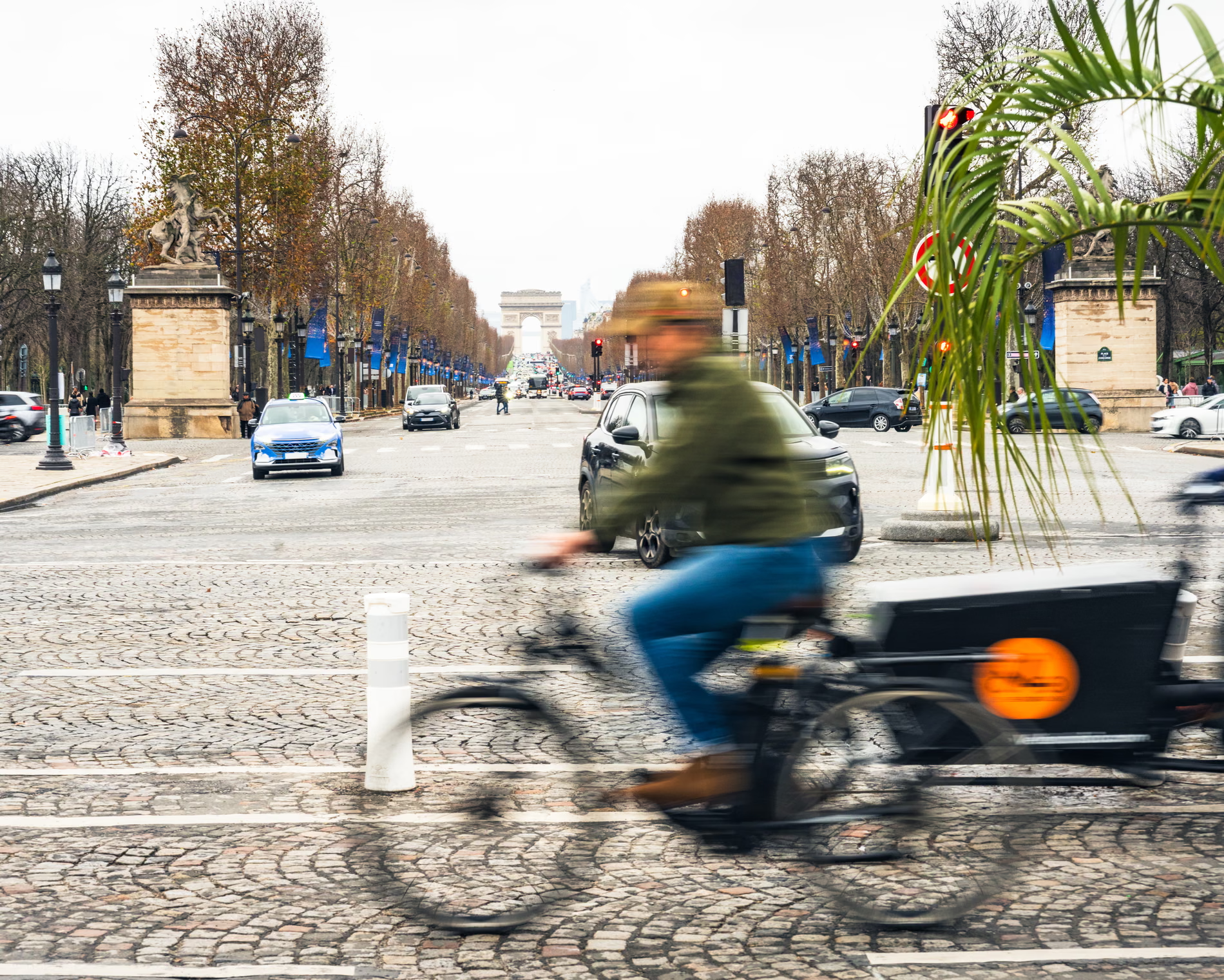
PARIS — For decades, the French capital was defined by the roar of traffic circling the Arc de Triomphe and the grey haze of exhaust along the Seine. But as of April 2026, the city has completed a transformation so radical it is being hailed as the “Parisian Miracle.” Under the decadelong leadership of outgoing Mayor Anne Hidalgo—who officially handed over the keys to the Hôtel de Ville last week—Paris has successfully “flipped the script” on urban mobility. Once a car-centric fortress, the city now boasts over 1,300 kilometers (800 miles) of protected cycle lanes, proving that even the most stubborn metropolitan layouts can be re-engineered for people over pistons.

The centerpiece of this overhaul is the legendary Rue de Rivoli. Once a multi-lane chokepoint for 40,000 cars a day, it has been transformed into a “cycling highway” where two-wheeled commuters outnumber drivers by a ratio of six to one. The shift was accelerated by the 2021-2026 “Plan Vélo,” a €250 million investment that turned temporary “coronapistes” (pandemic lanes) into permanent granite-curbed fixtures. Statistics released this month show that bicycle use in Paris has doubled since 2023 alone, with roughly 30% of all local trips now made by bike—surpassing car usage for the first time in modern history.
The transformation isn’t just about lanes; it’s about the very air Parisians breathe. Since 2020, the city has:
-
Pedestrianized 300 “School Streets”: Closing the roads immediately outside primary schools to ensure children can walk and cycle safely.
-
Removed 10% of On-Street Parking: Swapping asphalt for 155,000 newly planted trees and “terraces” for cafes.
-
Implemented a 30 km/h Speed Limit: Covering almost the entire city, reducing noise pollution and accidents.
-
Transformed Roundabouts: Places like the Place du Colonel Fabien have been ripped up and replaced with “urban forests,” turning traffic islands into genuine community squares.
“Ten years ago, I was too scared to cycle here,” says Corentin Roudaut, an IT developer and volunteer with the campaign group Paris en Selle. “Today, my child has never known a Rue de Rivoli filled with cars. We have a network that is finally starting to feel safe and complete.” This sentiment is backed by a 45% reduction in air pollution across the city center since 2014—a metric Hidalgo’s administration successfully used to win over a skeptical public during two terms of office.
The journey has been anything but smooth. The “war on cars” sparked fierce opposition from suburban commuters and motoring lobby groups, who criticized the chaos as “anxiety-inducing.” In the lead-up to the March 2026 municipal elections, right-wing candidates campaigned on the promise to “bring back order” to public spaces. However, the momentum proved unstoppable; a recent referendum saw two-thirds of Parisians vote to close an additional 500 streets to vehicles. The new Mayor, Emmanuel Grégoire, has pledged to continue the “15-minute city” vision, where every resident can access work, shops, and parks within a short walk or ride from their front door.

As Paris looks toward the rest of 2026, the “Parisian Model” is being exported worldwide. Delegations from Berlin, London, and New York have arrived this month to study how Hidalgo managed to push through such ambitious changes despite the political risk. For other car-centric cities, the message from the banks of the Seine is clear: changing a city is complicated, but with enough political courage, the “bum note” of traffic can be replaced by the quiet whir of a bicycle chain.
Related News:
 The Spiky Standoff: German Mayors Call for Night-Time ‘Robot Ban’ to Save Hedgehogs
 Weather Tracker: Record March Heat Leaves Western Snowpack at ‘Abysmal’ Lows
 ‘Extinct’ Antelope Returns to Sahara, Bringing Hope
 Guterres Warns Global Cooperation Under Threat at UN’s 80th Year
 Half the World’s Largest Cities Face Rising Water Stress
 Hindu Man’s Stand Sparks Hope in India
 Five Young People Die in Spain Apartment Block Fire
 Moment Officers Rescue Injured Bald Eagle From Icy Hudson River
 Snow and Rain Warnings as Cold Snap Continues in the UK
 Flooding May Worsen Before It Improves as More Rain Forecast for the UK
 Suspect in Rhode Island Ice Hockey Shooting Killed Ex‑Wife and Son
 Shutting North Sea ‘Will Drive Up Carbon Emissions’
 Revealed: The Billions Given to Charity by Ordinary Indians Every Year
 Epstein Eyed Record Label Investment to Access Women, Files Suggest
 Break from Wintry Weather as UK Temperatures to Climb to 14 °C
 Australian Presenter Apologises for Drinking Before Slurred Olympics Report
 Deer Shooting to Be Facilitated in England to Protect Woodlands
 What’s Next for Andrew Mountbatten-Windsor’s Ex-Wife, Sarah Ferguson?
 Austrian Climber Found Guilty After Girlfriend Froze to Death on Mountain
 Storm Hernando: Edinburgh Airport Flights Cancelled in US Travel Chaos
 ‘We Pray for Peace’: Indian Filmmaker From Troubled State Who Won a BAFTA
 Inside Kyiv’s resolve as conflict nears five‑year mark
 Greenpeace $345m Ruling Sparks Appeal Battle
Instagram Investigating AI Profiles ‘Fetishising’ Disabled People
Greenpeace $345m Ruling Sparks Appeal Battle
Instagram Investigating AI Profiles ‘Fetishising’ Disabled People
 UK Winter Nowhere Near a Record Breaker Despite Floods and Storms
 UK Records Warmest Day of the Year as Temperatures Exceed 18 °C
 ‘I Stopped Engaging’ Due to Instagram and YouTube, Woman Tells Landmark Trial
 Conservation Budgets Hit by Increased Fly‑Tipping Costs
 ‘I Want to Find the Man Who Saved Us from Drowning’
 Water Cremation Introduced in UK First
 Crowing Cockerels Must Be Silenced, Council Warns Owner
 Amazon Says Drones Damaged Three Facilities in UAE and Bahrain
 Muslim Group Wants Mosques to Be Used as Polling Stations Ahead of UK Elections
 Travellers’ Mobile Home Burnt Down Overnight in Suspected Arson Attack
 Why Aren’t Our Dirtiest Roads Getting Cleaned?
 ‘Every Day Feels Like a Month’: Iranians Describe Life Under ‘Constant’ US‑Israeli Strikes
 Manchester Students Mourn Ayatollah Amid Protest
 Baba Vanga’s Chilling World War 3 Prediction and Russia’s New Leader
 Tears and Cheers as Controversial Long‑Running Australian Breakfast Radio Show Implodes
 My One-Hour Flight Transfer Left Me Facing 10 Days Stuck in a City Under Attack
 Fuel and Remittances: How Iran Conflict Hits India At Home
 Tiny Possum and Glider Thought Extinct for 6,000 Years Found in Remote West Papua
 Guernsey Mother Breaks Down After £11,500 Battery Waste Fine
 Iranian Players Get Australian Visas After Anthem Protest
 Musk’s xAI Permit Sparks Fury Over Power Plant Expansion
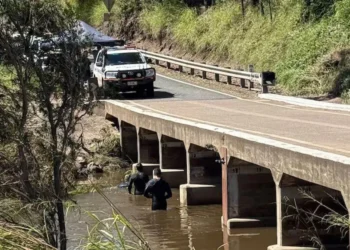 Bodies of Two Chinese Backpackers Found in Floodwaters
 What to Stockpile at Home Amid Iran War Fears
 Ecuador Deploys 75,000 Forces in Anti-Gang Drive
 Teen Admits Filming Westfield Chair Prank
 Missing Cuba-Bound Aid Ships Spark Urgent Search
 PM Seeks to Reassure Australians Over Fuel Supply
 Horror in the Outback as Crocodile Kills World-Renowned Doctor
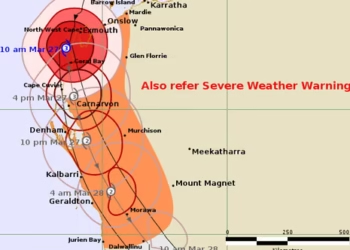 Tropical Cyclone Narelle Batters the Western Australian Coast
 How and When to See April’s Full Pink Moon
 I’ve Lived in a French Village for 35 Years. This is Why They are So Special.
 Michel Rolland: The ‘Spielberg of Wine’ Who Directed the Global Palate
 Status Quo Restored: Netanyahu Intervenes After Police Block Latin Patriarch from Holy Sepulchre
 ‘Please Keep Her in Your Prayers’: Dad Describes Final Moments Before 7-Year-Old Was Swept to Sea
 ‘Something Wasn’t Right’: UK Families Devastated by Sperm Mix-Up at Northern Cyprus IVF Clinics
 ‘Democracy Manifest’: Iconic ‘Succulent Chinese Meal’ Rant Added to National Film Archive
 A Hero’s Shadow: Activists and Lawmakers Rethink Cesar Chavez Day Following Abuse Claims
 ‘The Final Word’: Kathleen Stock’s Polemic Against Assisted Dying Reshapes the UK Debate
 ‘Silent Neighbors’: China Bans Residential ‘Bone-Ash’ Apartments Amid Qingming Crackdown
 ‘The Cost of Living’: Asia’s Migrant Workers Debate if Gulf Jobs are Worth the Risk of War
 ‘You’re No Longer My Sister’: The Invisible Frontline Dividing Iranian Families
 ‘The Invisible Killer’: Chiang Mai Air Pollution Sparks Health Crisis as Children Suffer Nosebleeds
 ‘The Invisible Killer’: Chiang Mai Air Quality Crisis Sparks Pediatric Health Emergency
 India Begins Mammoth Census for 1.4 Billion People
 Red Skies and Raging Floods: One Dead as Storm Erminio and Saharan Dust Grip Greece
 The Banbridge Rescue: 300 Sheep Saved from Massive Hay Shed Inferno
 “Homo Sapiens are All of Us”: Artemis II Crew Sends Emotional Message of Unity from Deep Space
 Peretz Targets FA Cup Upset Amid War Concerns
 Apple at 50: Three Products That Changed How We Live
 Pope Leo Urges Peace in First Easter Mass Address
 Tragic End to Outback Search as Floods Claim a Life
 Paradise Aground: Cruise Ship Evacuated After Striking Reef Near ‘Cast Away’ Island
 “The Forest’s Last Guardian”: Dominique Bauma’s Forty-Year Battle for Congo’s Mountain Gorillas
 Silver Linings: Why Global Tourism is Finding “Positives” Amidst Iran War Uncertainty
 ‘I Will Not Abandon Him’: Pauline Hanson Stands by Ben Roberts-Smith After War Crime Charges
 Country Diary: A Bum Note Amid the Dawn Chorus