
Published: April 10, 2026. The English Chronicle Desk.
The English Chronicle Online — Navigating the “human-centered” complexities of modern relationships.
LONDON / NEW YORK — In the hyper-connected “Life & Society” of 2026, the definition of a “ride or die” friendship is undergoing a “seismic” system update. As social awareness regarding mental health and “emotional intelligence” reaches a “Power Plant” peak, a polarizing question is trending across digital platforms: Would you call out your friend’s toxic behaviour? While older generations might have leaned toward a “holding pattern” of polite silence, Gen Z and Millennials are leading a “tectonic” shift toward radical transparency, arguing that “unfiltered” honesty is the only way to prevent a “technical glitch” in one’s own well-being.

The debate has moved beyond simple “bum notes” of disagreement. In an age of “digital footprints” and accountability, failing to address a friend’s “toxic” traits—such as gaslighting, constant negativity, or “emotional vampire” tendencies—is increasingly viewed as complicity. However, experts warn that the “logistical friction” of a direct confrontation can often lead to a “market shock” of lost social circles and deep-seated “poetic” regret.
Identifying a “seismic” shift in a friend’s personality requires “remarkable wisdom” to distinguish between a “bad day” and a “toxic pattern.”
The ‘Energy Vampire’: A friend whose presence acts as a “drain” on your “Power Plant” of positivity, leaving you in a state of emotional exhaustion after every interaction.
The Subtle Gaslighter: Using “unfiltered” manipulation to make you doubt your own reality or “technical glitch” of memory during a conflict.
The ‘Main Character’ Syndrome: A “tectonic” imbalance where the friendship only functions when the focus is entirely on their needs, leaving yours in a permanent “holding pattern.”
The 2026 approach to relationship “system updates” has birthed two distinct schools of thought.
The ‘Call-Out’ Culture: A “very frank” and immediate confrontation. Advocates argue this is an “Iron Horse” for boundaries, ensuring that “unprecedented” disrespect is met with immediate consequences.
The ‘Calling-In’ Method: A more “human-centered” approach that treats toxic behavior as a “technical glitch” to be fixed together. This involves “remarkable wisdom” and empathy, assuming the friend may not be aware of their “seismic” impact on others.
The ‘Slow Fade’: For those who fear “logistical friction,” the 2026 “market shock” move is the “digital ghosting” or “gradual distancing,” avoiding the “unfiltered” confrontation altogether.
Psychologists suggest that the decision to call out a friend often leads to a “seismic” internal struggle.
The Guilt Factor: Even when a friend is clearly “toxic,” the “poetic” history of the relationship can create a “holding pattern” of guilt that prevents action.
The Social Ripple: In 2026, many friendships are part of “digital matrices” or group chats. Calling out one person can cause a “tectonic” split in an entire social group, forcing others to take sides in a “very frank” public arena.
The Growth Outcome: Those who successfully navigate the “friction” report a “remarkable” increase in self-respect and a “system update” to the quality of their remaining inner circle.

As the “World holds its breath” for global peace treaties this week, the “seismic” peace treaties we make in our personal lives are just as vital. Choosing to call out a friend’s toxic behaviour is an “unprecedented” act of bravery that prioritizes “human-centered” health over social convenience.
“Silence is a ‘bum note’ in a true friendship,” one relationship coach shared. “If you can’t be ‘unfiltered’ with your friends, are they really your friends?” As we move through 2026, the “remarkable wisdom” seems to be that a “system update” to our social boundaries is the only way to keep our personal “Power Plants” running smoothly.
Related News:
 Mind Launches Inquiry into AI and Mental Health After Guardian Investigation
 Water Cremation Introduced in UK First
 ‘A Living Nightmare’: Parents of Vaccinated Teenager Speak Out After Rare Meningitis B Battle
 ‘The Best Decision I Ever Made’: A Mother’s Viral Plea After a Near-Miss with Lung Disease
 Paws for Peace: Frankie the Cockapoo Brings ‘Unfiltered’ Joy to MND Centre
 UK Launches World-First Gonorrhoea Vaccine Amid Record Infection Surge
 AI Tools Used by English Councils Found to Downplay Women’s Health Issues, Raising Concerns Over Gender Bias in Care
 Breakthrough Clinical Trial Lets 12-Year-Old Boy with Rare Skin Disorder Play Football
 Hot Tea and Coffee Found to Contain Highest Levels of Microplastics in Popular Drinks
 Expanded Access to Health Diagnostics in England Now Available Beyond Standard Hours
 Shocking Rise in Children’s Exposure to Violent Online Pornography Raises Alarm
 Ed Davey Urges UK to Attract US Cancer Scientists Amid Funding Cuts Under Trump
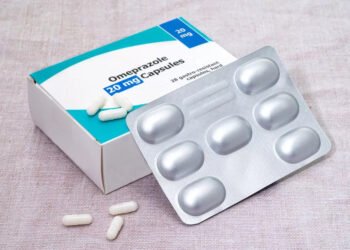 Omeprazole Alert: NHS Issues Guidance on Safe Use for Heartburn and Indigestion
GPs in England Warn of Overload as Nationwide Online Appointment System Approaches
Omeprazole Alert: NHS Issues Guidance on Safe Use for Heartburn and Indigestion
GPs in England Warn of Overload as Nationwide Online Appointment System Approaches
 Eligibility Confusion Over COVID Vaccination Leaves Pharmacies Struggling Across the UK
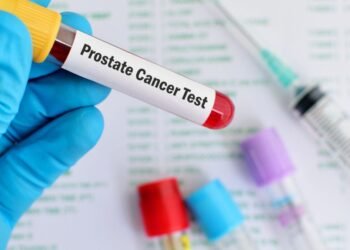 Majority of UK Men Would Opt for Prostate Cancer Screening, Survey Finds
 Scientists Announce First Potentially Accurate Blood Test for Chronic Fatigue Syndrome
 NHS May Pay 25% More for Medicines Amid US Drug Talks
 Survey Shows Most GPs Rushing Appointments
 Genetic Tests May Predict Return of Blood Cancer
 UK Woman Becomes Longest Survivor of Heart-Lung Transplant
 Thousands in the UK sue Johnson & Johnson over alleged talcum powder, linked to cancer
 ‘Game-Changing’ HIV Prevention Jab Set for NHS Approval
 Breath test could ‘revolutionise’ pancreatic cancer treatment
 How Bringing Forests Into Preschools Boosts Children’s Health
 Experts Urge Legal Right to Timely Cancer Care
 Patients to Test Health at Home to Ease NHS Winter Pressure
 North Sea oil workers must lose weight or face job loss
 No link found between paracetamol in pregnancy and autism
 UK launches major AI drive to fight deadly superbugs
 Coffins Now Too Large to Cremate Amid Rising Obesity Crisis
 Thinktank Urges Smaller Hospitals to End NHS ‘Permacrisis’
 NHS paediatric leave parents waiting months for answers
 Robo-Vaccination Could Transform Fight Against Bovine TB
 Illegal Skin Lightening Cream Being Sold in UK Butchers, Watchdog Warns
 Adoption Breakdown Ended My Career and Relationship – ‘We’re Told to Get On With It’
 Why There’s No Quick Fix in Sight for the Problem of Dazzling Headlights
 Mystery GP on Train Saves Passenger’s Life
 ‘A Disgrace’ — Patient Blasts Neurology Report
 Gaming Helps Woman Cope with Rare Health Condition
 ‘I Stopped Engaging’ Due to Instagram and YouTube, Woman Tells Landmark Trial
 Parents of Gravely Ill Child Refused Respite Care
 ‘I Almost Died After a Touch‑and‑Go C‑Section’
 Vegetarian Diet Linked to Lower Risk of Several Cancers
 GPs Losing a Day of Appointments to No‑Shows Each Month
 Allergy Training to Become Compulsory in Schools in England
 Should We Be Eating Three Meals a Day? Experts Rethink Traditional Meal Patterns
 Streeting Criticises SNP Over NHS App Dispute
 Scots Firefighter Cycles 800 Miles for MND Charity
 Woman, 29, ‘Chucked’ Into Care Home 100 Miles Away
 Surgeon’s op on patient 1,500 miles away a UK first
 Cancer Death Rate in Britain Falls by Nearly a Third
 Pregnant Woman Faces Motherhood Without Late Mum
 Father Dies by Suicide Weeks After Wedding in Clitheroe
 Mum Blinded After Tumour Linked to Contraceptive Jab
 SNP Health Secretary Criticised Over NHS Failures Locally
 Scotland Combines Alcohol and Drug Strategy to Cut Addiction Deaths
 Dad Delivers Baby After Midwife Flees During High‑Risk Labour in UK
 Schnauzer Travels 140 Miles for Life-Saving Spinal Surgery
 Brain-Damaged Scot ‘Stuck’ in Hospital at Centre of Police Probes
 NHS Enlists AI in Major Push to Slash Hospital Waiting Lists
 ‘A Cliff Edge’: Hospice Leaders Warn Cutbacks Are Only Way to Survive
 The High Cost of Survival: How the 2026 Fiscal Outlook is Redefining British Life
 Safety Fears at New £200m Maternity Unit: Mums-to-Be ‘Put at Risk’
 ‘F***, We’re Dead’: The Chilling Final Words from the Air France 447 Cockpit
 Spring Awakening: Temperatures to Hit 17°C as Britain Bathes in Sunshine
 ‘Ripple of Fear’: Iran War Fears Sink UK Consumer Confidence to 11-Month Low
 Fuel Famine: How African Nations are Rationing Power and ‘Diluting’ Petrol to Survive
 ‘My Daughter is Under the Rubble’: The Human Cost of the Tehran Strikes
 Parents Warned Against Letting Children Cuddle Lambs Following Infection Spike
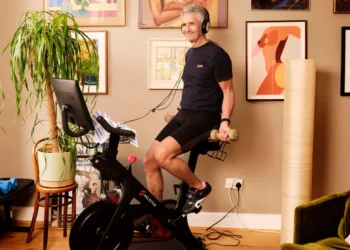 Tim Spector: ‘At 67, I’m Fitter Than Ever Thanks to These Five Tips’
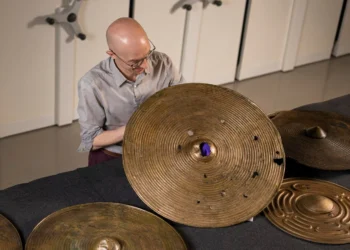 ‘Breath-taking’ Return: Rare Bronze Age Shield Back in Scotland After 235 Years
 ‘Zoom Dysmorphia’ Explosion: BDD Patients Quadruple in Post-Pandemic UK
 Digital Siege: Record Surge in Sextortion Attacks Targeting UK Schoolboys
 ‘Look After the Children’: The 84-Year-Old Widower Fighting a Broken Care System
 Swept Out in Seconds: Rip Current Warning After Dramatic Rescue of Five Teens
 From Flatline to Finish Line: The ‘Widow-Maker’ Survivor Inspiring a Nation
 The Miracle of Phoenix: ‘Half Dead’ Rescue Dog Defies the Odds in Worcestershire
 The Hidden Hurdle: Breaking the Silence on Athletic Incontinence
 Tragedy in Redcar: Community in Mourning After Child Dies in Dog Attack