Published: 15 April 2026. The English Chronicle Desk. The English Chronicle Online.
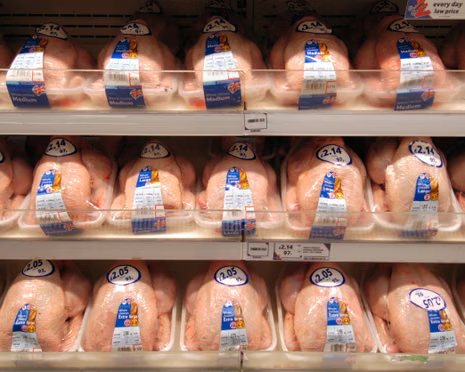
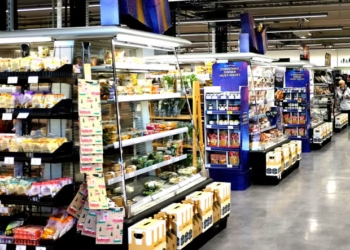
The British government is currently preparing for a potential crisis regarding supermarket shelves this summer. Ongoing conflict in Iran has created significant uncertainty for global shipping lanes and critical industrial supplies. Ministers are now drafting emergency plans to address a possible shortage of essential carbon dioxide gas. This gas plays a vital role in the production of pork, poultry, and carbonated beverages. The closure of the Strait of Hormuz remains a primary concern for high-level security officials. This narrow waterway is a lifeline for global trade and energy exports from the region. Without a clear resolution, the impact on British dinner tables could be felt very soon. Government departments are working together to ensure the nation remains resilient during these volatile times.
Several major departments have participated in a high-stakes planning operation known as Exercise Turnstone. This exercise allows the Treasury and Ministry of Defence to rehearse various difficult economic scenarios. It focuses on the potential for a prolonged closure of the Middle Eastern shipping lanes. Officials are considering what happens if peace remains elusive between the United States and Iran. The scenario also accounts for possible mechanical failures at major domestic carbon dioxide production plants. Such a combination of events would create a perfect storm for the UK food industry. The government’s Cobra emergency committee is leading these vital efforts to protect the national interest. They aim to prevent the kind of empty shelves seen during previous global disruptions.

Business Secretary Peter Kyle has urged the British public to remain calm despite these reports. He stated that making contingency plans is a responsible action for any modern government to take. While the leaked details caused some alarm, Kyle insists that current supplies remain relatively stable. He believes that scenario planning should reassure citizens rather than cause unnecessary panic or worry. The Secretary noted that the government is working behind the scenes to maintain economic strength. He expressed frustration that the details of the secret planning exercise were shared with the media. However, he maintained that the UK is well-prepared for any sudden shifts in the market. The focus remains on keeping the wheels of industry turning throughout the coming summer months.
The boss of Tesco has also weighed in on the current state of the market. Ken Murphy stated that the UK’s largest retailer has not yet seen any supply issues. He confirmed that their extensive supply chain remains robust despite the tensions in the Middle East. Murphy believes the government is doing the right thing by preparing for the worst outcomes. He noted that the supermarket sector has become very experienced in handling various global crises. From the pandemic to recent trade shifts, retailers have learned to adapt their logistics quickly. Suppliers have not yet raised any red flags regarding the availability of carbon dioxide gas. This suggests that the immediate risk to consumers may currently be kept at bay. Tesco continues to monitor the situation daily to ensure products remain available for all.
Carbon dioxide is often misunderstood as just a simple byproduct of various industrial manufacturing processes. However, it is an essential component for many different sectors within the British economy. The farming and food production industries rely heavily on this gas for humane animal slaughter. It is used to stun livestock before processing to ensure high standards of animal welfare. Furthermore, the gas is vital for packaging fresh salads and many different meat products. It helps to prevent the growth of bacteria and significantly extends the total shelf life. Without it, the amount of food waste in the country would likely rise sharply. The hospitality sector also requires the gas for the production of beer and cider. Even the cooling systems for large-scale refrigeration depend on a steady supply of CO2.
The timing of these potential shortages is particularly sensitive for the nation’s major breweries. The football World Cup is set to begin on the eleventh of June this year. This global sporting event traditionally leads to a massive surge in demand for fizzy drinks. Pubs and bars across the country are expecting a very busy and profitable summer season. Any disruption to the supply of carbonated beverages would be a blow to the industry. Beyond the world of food and drink, carbon dioxide has critical medical and scientific uses. It is required for various surgical procedures and for running essential MRI scanning equipment. Even the cooling systems of our nuclear power plants rely on this versatile industrial gas. The reach of this potential shortage extends far beyond the aisles of local supermarkets.
In response to these growing fears, the government recently took a very significant financial step. They invested one hundred million pounds to reopen a mothballed bioethanol plant located on Teesside. The Ensus plant is expected to boost domestic production of carbon dioxide for the nation. This move aims to reduce British reliance on volatile international markets during the Iran conflict. Peter Kyle noted that this investment provides an extra layer of security for the economy. The plant will operate for an initial period of three months to shore up stocks. This proactive measure is intended to head off any shortages before they can actually occur. It demonstrates a commitment to supporting the food industry during a period of global unrest. Residents in the North East have welcomed the return of jobs to the facility.
A government spokesperson clarified that these scenarios are tools for experts rather than solid predictions. They emphasized that the “reasonable worst-case scenario” is a standard part of modern risk management. Ministers are continuing to work very closely with various business groups to mitigate any risks. The goal is to ensure that the UK remains insulated from the shocks of war. While the situation in the Middle East is fluid, the domestic response is structured. Experts are constantly analyzing data to adjust the national strategy as new information arrives. They want to ensure that the British public can enjoy their summer without any hardship. Transparency regarding these plans is seen as a way to build trust with consumers. Preparation is the best defense against the unpredictable nature of international conflict and trade.

Ken Murphy from Tesco highlighted that the weather has actually been a bigger recent challenge. Heavy rains in Spain and North Africa impacted the supply of certain fruits and vegetables. Despite these environmental hurdles, shoppers likely did not notice many gaps on the store shelves. This is because major retailers have become experts at flexing their complex global supply chains. They can source products from different regions to compensate for any local or regional failures. Murphy expressed total confidence that the industry can handle the current geopolitical tensions as well. He believes that early intervention and constant communication with suppliers are the keys to success. The retail sector is much more resilient now than it was just five years ago. This experience provides a safety net for the country as the summer approaches.
Ultimately, the goal of the British government is to maintain a sense of national stability. By running exercises like Turnstone, they identify vulnerabilities before they become actual problems for citizens. The link between Middle Eastern peace and the price of a British chicken is clear. Global events have a direct and measurable impact on the lives of everyday working people. While the threat of shortages is real, the measures being taken are quite substantial. The reopening of the Teesside plant is a clear signal of the government’s active intent. As long as the shipping lanes remain a point of contention, the vigilance will continue. Consumers are encouraged to shop as normal while the experts manage the industrial background. Britain is moving forward with a plan designed to keep the nation fed and secure.
Related News:
 UK Experts Raise Alarm Over Machinery Export to Armenian Firm
 Caffè Nero Warns Coffee Prices May Rise Again
 BP Profits Surge Amidst Middle East Conflict Crisis
 UK Urged to Build EU Rejoin Consensus, Says Miliband
 Steel Tensions Rise Between United Kingdom and European Union
 EU Slashes Steel Quotas But Grants UK Favourable Rates
 Reeves Faces Setback as Labour May Miss Homes Target
 Trump’s UK Ambassador Urges North Sea Drilling to Strengthen US Ties
 M&S Profits More Than Halve After Cyber-Attack
 Tony Blair think tank warns Rachel Reeves must cut taxes if manifesto broken
 Millionaires group urge Reeves to introduce wealth tax to ‘lift kids out of poverty’
 Global markets drop amid tech sell-off and China slowdown
 Mossmorran Plant Closure Hits Cowdenbeath Hard
 Starmer Says Labour’s Economic Plan Needs Years to Deliver
 Virgin Media Fined £23.8m Over Telecare Safety Failures
 Rising Water Bills Lift Troubled Thames Back to Profit
 Starmer Faces Parliamentary Battles Over UK-EU ‘Reset’ Plan
 Phoenixism Costs UK Taxpayers Millions in Recruitment Sector
 British skier killed in La Plagne avalanche tragedy
 ScottishPower Tops List of Worst UK Energy Suppliers
 City & Guilds pay surge sparks backlash amid £22m cuts
 UK Government Borrowing Drops to £11.6bn in December
 AI job losses UK: Britain faces sharper employment shock
 India-EU Free Trade Deal Marks Historic Economic Shift
 UK economy struggles as growth stalls at 0.1% in late 2025
 UK Unemployment Rate Climbs to 5.2% Peak
 UK shelves £110m border project amid trade strain
 UK Inflation Surprise Sparks Early Rate Cut Hopes
 Reeves Must Back Defence Plan or Face Dismissal, Says Unite Chief
 Switching Energy Deal Can Save £200 as Price Cap Falls
 Rachel Reeves Faces Middle East Conflict Test
 Grocery Inflation Rises Amid War Fears
 Peak Greggs fears as profits tumble sharply
 UK suspends study visas for four nations to curb asylum
 Jordanian Arrested in Philippines Over Bondi Beach Terror Links
 BrewDog sold Highland estate for knockdown price after abandoning reforestation plans
 Ukraine war briefing: Zelenskyy offers help to Saudi Crown prince on combatting Iranian drones
 Yorkshire Water Funding Sparks Debate Amid Fines and Pay Row
 Abramovich Chelsea Sale Cash Faces Jersey Probe
 Starmer Praised for Stance on Trump and Iran Conflict
 UK Energy Reform Could Cut Bills by £200
 Rising Costs Force Families to Rethink Days Out
 Trump Slams Europe as Transatlantic Tensions Boil Over
 Hospitality Sector Teeters on Brink as Costs Surge
 Trump Facing Backlash Over Firing of Cabinet Women
 US and Iran Agree to Two-Week Provisional Ceasefire
 Melania Trump Denies Ties to Epstein and Ghislaine Maxwell
 Aegon Sells Historic UK Arm to Standard Life for £2bn
 City & Guilds Sale Sparks Fees and Pay Uproar
 Trump Starts $166bn Tariff Refund Process
 Prominent Voices Challenge Palestine Action Ban
 Ukraine Urges UK to Seize Russian Oil Tankers
 Heathrow Chair Seeks Peace to Save Third Runway
Carillion Executives Banned After Reckless Misconduct
Heathrow Chair Seeks Peace to Save Third Runway
Carillion Executives Banned After Reckless Misconduct
 Millionaires Back Higher Taxes to Save UK Public Services
 Big Tobacco Under Fire Over Controversial New Ad Campaign
 UK Firms Freeze Spending as Iran Conflict Bites
 Summer Shock: British Energy Bills Set for Grim July Hike
 Reeves to Fast-Track Clean Energy Amid Iran Crisis
 M&S Boss Slates Food Price Caps as ‘Preposterous’
 Uefa Transforms Men’s Major Tournament Qualification
 Tube Strike Brings Capital to a Standstill Over Shift Disputes
 BP Stands Firm on Amanda Blanc Amid Boardroom Storm
 Teaching Machines Right From Wrong in the Digital Age
 UK House Prices Drop For Third Month Due To War Fears
 Top Chefs Back Andy Burnham to Save UK Hospitality Sector
 UK Steel Crisis: Jingye Demands Payout After Takeover
 Flutter to Cancel London Stock Exchange Share Listing
 AI Scams Push UK Investment Fraud Past £220m
 Thames Water Nationalisation Pushes Closer After Rescue Objected
 Russian Tanker Captain Remanded in UK Court After Channel Seizure
 Controversial London Property Show Sparks Legal Fury
 Andy Burnham Enlists Economic Heavyweights for Leadership Bid
 What Burnham in Number 10 Means for the Future of Britain
 Scouts Introduce Badges For AI And Digital Skills
 Rethinking the Blueprint for Youth Employment in Britain
 Sainsbury’s Boss Optimistic As Grocery Inflation Eases
 UK Households Suffer Squeeze As Disposable Incomes Drop
 Bank of England Eases Rules Despite Rising AI Risks
 BBC Faces Real Jeopardy as Licence Fee Income Declines