Published: 18 April 2026. The English Chronicle Desk. The English Chronicle Online.
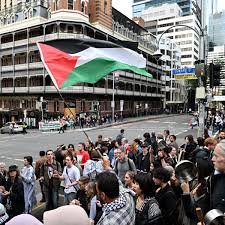
Tensions have reached a breaking point across Queensland as citizens defy new government restrictions. Authorities recently implemented a strict ban on specific phrases linked to the pro-Palestine movement. These legislative changes prohibit the public use of terms like globalise the intifada today. Furthermore, the chant from the river to the sea is now strictly forbidden by law. Many citizens view these regulations as a direct attack on fundamental rights of free speech. The situation escalated significantly during a large gathering held in central Brisbane this past Saturday. Approximately three hundred demonstrators assembled to openly challenge the state government and its controversial new policy. These protesters explicitly voiced the forbidden phrases directly in front of various observing police officers. Law enforcement officials responded by arresting twenty individuals for violating these newly established speech regulations. Specifically, the police issued fourteen charges for displaying prohibited expressions and seven for reciting them. Despite the heavy police presence, authorities admitted that the overall protest remained peaceful throughout the day. This event serves as a stark reminder of the deep divisions currently impacting public discourse. The legal consequences for these actions are severe, carrying potential prison sentences of two years. Such harsh penalties have sparked intense debate among legal scholars and various civil liberties groups. Many critics argue that these laws create a dangerous precedent for controlling public political dissent.

The atmosphere surrounding this issue remains highly charged following a creative protest held just earlier. On Friday evening, demonstrators organized a unique flashmob to directly challenge the state’s legislative restrictions. Participants wore bright blond wigs and retro eighties clothing to channel the spirit of John Farnham. Several hundred people gathered to belt out the iconic nineteen eighty eight classic Two Strong Hearts. This famous song contains the specific lyrics reaching out forever like a river to the sea. The crowd clearly aimed to highlight the potential absurdity of enforcing these new legislative bans. Surprisingly, no participants were arrested for singing these lyrics during the lively Friday evening demonstration. Deb Cleland, who choreographed the event, spoke passionately about the motivations behind this public performance. She stated that politicians and police have been actively bullying both local artists and dedicated activists. Cleland emphasized that the community would not stand for such intimidation regarding common song lyrics. The event successfully drew significant public attention to the arbitrary nature of the state’s new policy. Supporters of the protest believe that art and music should remain protected from political interference. By using a beloved Australian song, the group sought to expose flaws in the legislation.
The definitions and interpretations of these banned phrases remain central to this ongoing heated conflict. Various conservative Jewish organizations have formally stated that these phrases are inherently antisemitic in nature. They argue that such language creates an unsafe environment for Jewish communities within the local area. Conversely, many other activists strongly reject this characterization as a harmful and inaccurate political conflation. These advocates argue that criticizing Israeli government actions is entirely separate from expressing hatred toward Jews. The term globalise the intifada has historically been used to demand greater pressure on Israel. Proponents suggest that the phrase highlights a critical need to prioritize essential Palestinian human rights. The Arabic word intifada traditionally refers to specific uprisings that occurred during the late eighties. This term has gained renewed popularity as military actions have escalated in the Palestinian territories. Supporters of the movement believe that their language reflects a desire for justice and equality. The debate remains incredibly polarized, with both sides feeling deeply misunderstood by the other party. These differing perspectives continue to drive the intense public demonstrations currently occurring throughout the region.
The Queensland government officially enacted these controversial prohibitions during the month of February this year. This legislative decision proceeded despite widespread and serious concerns voiced by numerous civil liberties experts. The government maintains that such measures are necessary to ensure community safety and public order. However, early enforcement of these laws has already led to several notable and publicized arrests. For instance, an individual named Liam Parry was taken into custody for chanting the phrase. Similarly, a young woman named Bonnie Carter faced charges for wearing a branded protest shirt. These incidents have fueled further public outrage and criticism from various human rights advocacy groups. Critics continue to suggest that the government is overstepping its authority by policing specific speech. They warn that such actions could lead to further erosion of democratic freedom in Australia. The legal battles ahead will likely test the constitutionality of these new and restrictive measures. Many eyes remain focused on how the court system will handle these emerging legal cases.

The reach of this legislative controversy extends well beyond the borders of the Queensland state. New South Wales has also declared its intention to ban the term globalise the intifada soon. This decision followed the tragic events during a recent Hanukah event at Bondi beach earlier. Two gunmen opened fire during that gathering, which resulted in the deaths of fifteen people. Following that devastating incident, the New South Wales government moved quickly to introduce new legislation. The state has faced considerable backlash from groups concerned about the potential impact on freedoms. Despite this mounting pressure, the state Premier Chris Minns confirmed the government’s ongoing legislative commitment. During a press conference last Thursday, he defended the necessity of these new speech restrictions. Minns claimed that the government could observe how the policy operates within the Queensland state. He further argued that the hateful nature of the phrase has been clearly exposed now. The Premier remains firm in his resolve to pass the bill into law soon. This issue clearly reflects broader global tensions that are currently impacting local communities throughout Australia. As both states move forward, the conflict between safety and freedom will certainly remain intense. The debate continues to evolve as the public waits for further developments from the government.
Related News:
 Mansfield condemns refusal to meet hunger strikers
 Grief, Fear and Fury: Mothers Unite to End Israeli-Palestinian Violence
 Protest Rights Under Threat Across England and Wales
 Gambia Supreme Court Hears Case to Overturn FGM Ban
 Iran Leader Blames Protesters, Says They Serve Trump
 Civil groups oppose new anti-protest powers in England and Wales
 Iran Death Toll Crisis Exposed: Bodies, Mass Graves, and Concealment
 Calls Grow for King Charles to Apologise for Crown’s Role in Slavery
 Thousands Protest ICE in New York Against Trump Deportation Campaign
 Concerns rise for Canberra boy amid Iran detention fears
 Australian Women in Syrian Camp Offer Separation Deal
 Hero Rescuer Saves Baby from Icy Chicago Lake
 Brazilian Politician Brothers Sentenced for Marielle Murder
 Anthony Albanese Must Uphold Rights for All Australians
 Woman Executed in Somalia Sparks Debate on Justice System
 Uganda Crackdown: Two Women Arrested for Public Kissing
 UK Activism Faces New Threats From Growing Repression
 Tribunal Rules Burgertory Founder’s Chant Incited Hatred
 Hong Kong Bookstore Arrests Spark New Freedom Concerns
 Police Seek Immunity in Indigenous Custody Death Case
 Manila Transport Crisis: Fuel Costs Hit Breaking Point
 UN Warns Israeli Death Penalty Bill Could Be a War Crime
 UK Activist Leaders Convicted Over Protest Violations
 Spain Faces Backlash Over Xenophobic Chants in Egypt Draw
 A Global Voice For Justice: Stephen Lewis Dies At Age 88
 Artist Sues in Paris Over Israeli Strike Killing Parents
 Canadian Mother and Daughter Released From ICE Detention
 Queensland Youth Justice Debate: The Data Behind the Law
 Gaza Child Arrives in UK for Life-Changing Care
 Brisbane Rideshare Driver Faces Serious Assault Charges
 Tragedy in the Channel as Four Lives Lost in Boat Sinking
 Asylum Seekers Bound in Restraints During Removal Flights
 Kyiv and Odesa Mourn After Deadly Wave of Russian Strikes
 France Urges Release of Elderly Widow Held by ICE
 Charity Sector Sounds Alarm Over Proposed Regulatory Powers
 Trump Weighs Sending Afghan Allies to the Congo
 Prominent Voices Challenge Palestine Action Ban
 Aid Crisis Grows as Hormuz War Disrupts Supply
 Police Suspect Help in Missing Alice Springs Girl Case
 Australian Activists Detained as Gaza Aid Flotilla Intercepted
 Standoff Over Syria: Australia Defies Trump Repatriation Plea
 Judge halts deportation of Yemeni refugees in US
 Activists allege abuse after Gaza flotilla seizure
 Asylum deal sparks fears over Syria deportations
 UK may ban protests amid rising antisemitism fears
 Alice Springs Murder Case: Justice Begins for Little Baby
 Afghan Families Left in Limbo Face Risk of Deportation
 Three Australian Women Detained Over Islamic State Links
 Australia Faces Rising Tide of Modern Antisemitism
 Security Failures and the Road to the Bondi Inquiry
 Immigration Judges Fear Pressure in Trump Era
 Mexico’s Missing: State Complicity in a Growing Crisis
 Human Rights Barrister Wins Appeal Over Contempt Charge
 Nobel Laureates Demand Release of Activist Narges Mohammadi
 London Prisoner Forced to Crawl Due to Lack of Care
 Plea for Mercy: The Battle to Bring Ahmed al-Doush Home
 Farage Faces Backlash Over Support for Preacher
 Court Upholds Landmark Win for Transgender Rights
 The Hidden Cost of Separation for Refugee Families
 Taliban Codifies Strict New Marriage and Divorce Legislation
 Israeli Strikes in Lebanon Kill 10 Amid Ceasefire Strain
 US green card applicants must apply from abroad, DHS says
 China mine blast death toll rises to 90
 Victim says non-custodial rape sentence ‘rock in my face’
 Former ICC prosecutor condemns US sanctions
 Preserving the Fragile Memories of Tiananmen Square
 Silenced Stitches: The Cost of Memory in Hong Kong
 Vision Lost Amid the Rubble of Modern Conflict
 Controversial London Property Show Sparks Legal Fury
 UK Watchdog Launches Major Privacy Inquiry Over NHS Bedroom Cameras
 US Supreme Court Rejects Trump Attack on Birthright Law
 UK Charity Funds Illegal Hebron Settlement Expansion
 Unflinching Witness: Doctors Document Gaza’s Medical Crisis
 Evidence of Abuse: New Photo Sparks Global Outrage
 Ukraine Creates Long-Range Strike Command
 Dreyfus Statue Finally Gets Permanent Paris Home
 Asylum Seekers Struggle as Hotel Closures Cause Chaos
 Florida Executes One of Its Oldest Death Row Prisoners
 Israeli Strike in Southern Lebanon Kills Seven
 Five Years of Taliban Rule Leave Afghanistan in Crisis