Published: 17 April 2026. The English Chronicle Desk. The English Chronicle Online.
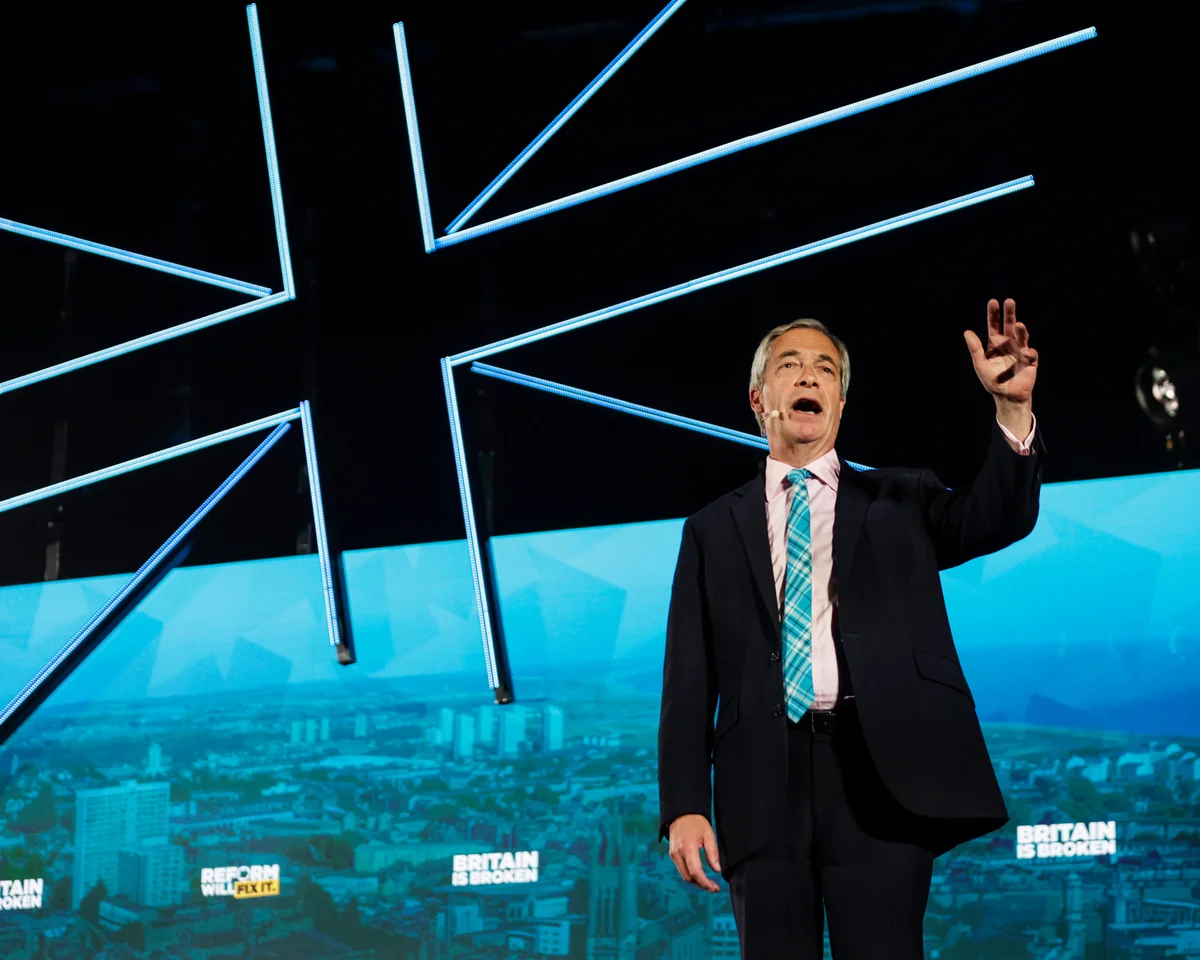
The political landscape across the United Kingdom is currently witnessing a dramatic and high-stakes confrontation. Kemi Badenoch has launched a scathing attack against the prominent Reform UK leader Nigel Farage today. This intense verbal conflict centers on the future of the union and upcoming Scottish elections. Badenoch has officially labeled Farage an opportunist following his recent outreach to various Scottish nationalist voters. The Conservative leader believes that Farage lacks any genuine commitment to the strength of the union. She argued that his recent political maneuvers prove he only cares about his personal political brand. Farage recently suggested that genuine nationalists should consider voting for Reform in the next Holyrood election. He believes many voters who want independence also wish to remain outside the European Union sphere. This strategic move by Reform UK has sent shockwaves through the traditional Scottish political establishment lately.
Badenoch spoke to a group of reporters in Edinburgh during a busy campaign visit this Thursday. She insisted that only the Conservative party offers a truly centre-right and unionist political platform now. The opposition leader claimed that Nigel Farage simply tells every audience exactly what they want to hear. According to Badenoch, Farage adapts his core beliefs depending on who is standing in front of him. She suggested that he presents as a unionist to some and a nationalist to others. This flexibility is viewed by the Conservatives as a sign of deep political and moral inconsistency. Badenoch pointed to previous voting records to highlight what she calls a lack of clear direction. She mentioned a specific instance where Reform members seemingly held two different positions on benefit caps. This lack of clarity is a central theme in her current strategy to discredit her rivals.

The leader of the Conservative party emphasized that Reform UK lacks any viable or realistic solutions. She stated that while they can identify problems, they cannot provide the answers the country needs. The Conservatives are currently fighting a very difficult battle to retain their traditional voter base in Scotland. Recent opinion polls show that Reform UK is gaining significant ground among previously loyal Conservative voters. This shift threatens to push the Scottish Conservatives further down the official rankings at Holyrood soon. They currently sit as the second largest party but face stiff competition from Labour and Reform. Some polls even suggest the party might fall to fifth place in the coming election cycle. This potential decline has prompted a more aggressive stance from the central party leadership in London.
Nigel Farage previously told the Scotsman that another independence referendum might be a reasonable future step. He suggested that if the issue returned to the forefront, the public deserves another final say. This comment was particularly controversial given his usual stance on the integrity of the United Kingdom. It provided Badenoch with the ammunition needed to question his actual loyalty to the British union. She believes this rhetoric is designed solely to peel away voters from the Scottish National Party. Farage argues that the SNP’s desire to rejoin the EU contradicts the spirit of true independence. He wants to capture the votes of those who want a break from both unions. This unique positioning has created a strange and unpredictable dynamic within the current Scottish political race.
Malcolm Offord, the leader of Reform UK in Scotland, has added more fuel to this fire. He recently confirmed that his party might not block John Swinney from becoming the First Minister. This would only happen if the vote in Holyrood became a very close and difficult contest. Offord stated that Reform would not necessarily work with Labour to keep the SNP out. He described Reform as a challenger party that does not follow the old establishment rules. This stance has led to accusations that Reform is merely trying to disrupt British politics entirely. Badenoch and her allies argue that this approach only helps the cause of Scottish independence supporters. They believe that any vote for Reform is effectively a vote for the nationalist movement’s success.
The Scottish National Party is currently expected to perform very well in the upcoming May election. Some polling data suggests that John Swinney could even secure a full majority for his party. If this happens, Swinney has promised to demand a second independence referendum by the year 2028. The UK Labour government has already stated that it will not authorize such a legal vote. This sets the stage for a major constitutional standoff between London and Edinburgh in the future. Labour and the Liberal Democrats are hoping to form an alternative coalition to govern Scotland instead. They want to see Anas Sarwar elected as the First Minister through a cross-party alliance. This plan relies heavily on the Conservatives and other parties working together against the nationalist bloc.
However, the rising popularity of Reform UK could completely derail these carefully constructed unionist political plans. If Reform wins ten or more seats, their votes will become crucial in the Scottish Parliament. Their refusal to join an anti-SNP coalition could allow the nationalists to retain their power. This possibility is what makes the current rhetoric from Kemi Badenoch so urgent and highly charged. She is trying to convince voters that Reform is a dangerous choice for the UK’s stability. The Conservative strategy involves painting Farage as a chaotic force rather than a serious political leader. They want to remind voters of the importance of a stable and unified unionist front. Whether this message resonates with a frustrated electorate remains to be seen in the coming weeks.
Internal divisions within the Conservative party are also starting to show as the election draws near. Some senior figures are now openly encouraging people to vote tactically against the Scottish National Party. David Mundell, a former Scottish secretary, recently urged voters to use their ballots very wisely indeed. He suggested that preventing an SNP majority is more important than voting for a specific party. This advice directly contradicts the official line from Kemi Badenoch regarding party loyalty during this time. She insists that supporters must vote Conservative in every instance to ensure a strong party result. This disagreement highlights the desperation felt by those who fear a nationalist victory in the spring. Tactical voting has become a major topic of discussion in pubs and homes across the country.

The English Chronicle has observed that the upcoming Holyrood election is a turning point for Britain. The results will likely dictate the tone of constitutional debates for the next several years at least. Nigel Farage continues to defend his comments as a common-sense approach to a complex political issue. He believes that the people of Scotland should eventually have the right to decide their fate. His supporters see him as a bold truth-teller who is not afraid to challenge old dogmas. Meanwhile, his critics see a man who is willing to gamble with the union’s future. The tension between the Conservatives and Reform UK is reaching a fever pitch as May approaches. Every speech and interview is now scrutinized for any sign of weakness or a shift in policy.
The voters in Scotland now face a very difficult and confusing choice at the ballot box. They must weigh the traditional unionism of the Tories against the disruptive energy of Reform UK. They must also consider the persistent and strong message of independence coming from the SNP leadership. The role of the Labour party as a potential middle ground is also a major factor. Kemi Badenoch knows that her performance in this election will define her early leadership of the party. A poor result could lead to questions about her ability to unite the right-wing vote. Nigel Farage is equally aware that a strong showing for Reform would cement his political influence. The outcome will surely change the face of Scottish and British politics for a generation.
As the campaign enters its final and most intense phase, the rhetoric will likely get even sharper. The battle for the soul of the centre-right is being fought on the streets of Edinburgh. Both leaders are working tirelessly to convince the public that they hold the key to prosperity. The English Chronicle will continue to provide detailed and fair coverage of these important national events. We remain committed to keeping our readers informed about the people who lead our great nation. This election is not just about Scotland but about the very nature of our United Kingdom. The eyes of the entire world will be on Holyrood when the final votes are cast. Every citizen should stay engaged and informed as this historic political drama unfolds before our eyes.
Related News:
 Green Party Surges Past Labour in Latest UK Poll
 Trump’s UK Ambassador Urges North Sea Drilling to Strengthen US Ties
 French Taxi Driver Cleared in David Lammy Theft Case After Fare Dispute
 Millionaires group urge Reeves to introduce wealth tax to ‘lift kids out of poverty’
 Starmer Faces Growing Dissent as Labour MPs Weigh Leadership Challenge
 Reeves rejects £1bn plea for NHS redundancy payouts
 PM Condemns Leaks, Vows Loyalty to Ministers and Stability
 Major Rent Reform Ends No-Fault Evictions in England
 Peers Flood Assisted Dying Bill with 942 Amendments
 Most Tories Expect to Support a Farage-Led Government
 Labour MP claims devolution bill is ‘blatant discrimination’ against Cornwall
 Millions Face Higher Taxes Under Reeves New Budget
 Starmer Says Labour’s Economic Plan Needs Years to Deliver
 Culture secretary to review Telegraph takeover by Daily Mail owner
 UK Government Borrowing Drops to £11.6bn in December
 Labour Blocks Burnham as Party Rift Deepens Ahead of Polls
 Andy Burnham and the Labour Rift Over Power and Leadership
 Huge mistake: Labour blocks Burnham from byelection bid
 Artificial intelligence will cost jobs, admits Liz Kendall
 Labour targets Greens on drugs in Gorton Denton byelection
 Greens nominate Hannah Spencer for Gorton and Denton byelection
 Mandelson Faces Police Inquiry Over Epstein Leak
 Starmer Condemns ‘Depraved’ Russian Strikes on Ukraine
 Labour Thinktank Row Deepens Over Journalist Probe Claims
 Morgan McSweeney downfall shocks Labour leadership
 Labour Lord Doyle Apologises Over Paedophile Ties in Political Storm
 Cabinet Secretary Shake-Up Triggers Due Diligence Warning
 Starmer Faces Inquiry Calls Over Thinktank Probe
 Royal Mail Delivery Crisis Deepens Amid Weather Chaos
 UK shelves £110m border project amid trade strain
 Farage Unveils Reform UK Frontbench Team
 California Democrats Vow Trump Reckoning
 Trump Tariffs Threat Spark UK and EU Alarm
 Wales Approves Assisted Dying Bill Consent
 UK EU Trade Reset Gains Public Backing
 Your Party leadership fight nears dramatic end
 NHS Maternity Units Cover Up Harmful Childbirth Errors
 Green Party Stuns Labour in Gorton and Denton Byelection
 Corbyn Leads Your Party in Coordinated Left-Flank Strategy
 Labour Together scandal sparks clean break vow
 Asylum Seekers to Work After Year-Long Wait
 Starmer Row as Greens Demand Apology
 Proposed Law Leaves Gap for Children of Convicted Paedophiles
 Gordon Brown urges court for crimes against children
 Starmer Praised for Stance on Trump and Iran Conflict
 Inquiry into HMRC child benefit errors launched by NAO
 NHS Plans to Cut Overseas Workers Labeled Overambitious
 Farage Faces Backlash Over Crypto Cameo Endorsements
 Army Probes Apache Flyover at Kid Rock’s Nashville Estate
 Relationship with Trump may be beyond repair, Starmer warned
 Unions Raise Concerns Over Doctors’ Pay Dispute
 UK Government Poised to Revive Stalled Hillsborough Law
 Kezia Dugdale Warns of Possible Reversal of Equal Rights Gains
 Starmer Faces Commons Test Over Mandelson Scandal
 Crackdown Backfires on UK Climate Protesters
 Red Wall Faces Collapse in UK May Elections
 Starmer Survives Mandelson Rebellion
 Labour Members Doubt Starmer Future as Burnham Leads Poll
 Reform UK Faces Crisis as Newly Elected Councillors Resign
 Farage Faces New Questions Over Private Helicopter Use
 NHS Drug Deal Faces Legal Threat Over US Trade Agreement
 Green Party Makerfield Candidate Resigns Over Posts
 UK Welfare: Focus on Jobs Over Benefit Cuts, Says JRF
 Secret Role of UK Security Services in Troubles Amnesty Law
 Starmer Leadership Under Pressure After Setbacks
 The Hidden Crisis Eroding Trust in British Communities
 Deepfake Abuse on X Sparks Safety Concerns for Dissidents
 Modernising the Military: Carns Demands Urgent Procurement Reform
 UK Ministers Lobby Trump Over Under-16s Social Media Ban
 Starmer Resolves to Fight Burnham in Leadership Battle
 Starmer Resigns as Prime Minister Amid Internal Pressure
 MP Warning: Northern Rail Risks Repeating HS2 Failures
 Hollie Ridley to Step Down as Labour General Secretary
 New South Wales Premier Chris Minns Signals Tough Road Ahead for Labor
 Jarvis Urges Burnham to Secure 3.5% Defence Spending
 Farage Warns Sky News Following Financial Inquiry
 Reform UK Finances Face Deep NCA Probe
 Ann Widdecombe, Formidable Political Figure, Dies at 78
 Treasury Reform Urged After Tragic Loss
 Sadiq Khan Backs Call for Maximum UK Work Heat Limit