Published: 18 April 2026. The English Chronicle Desk. The English Chronicle Online.
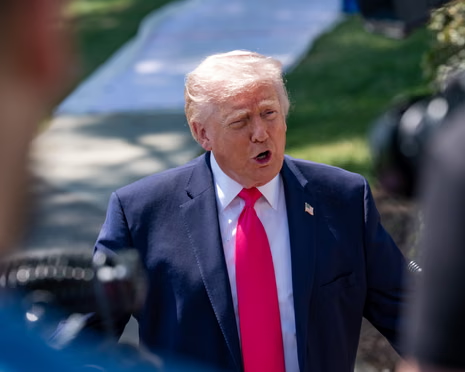
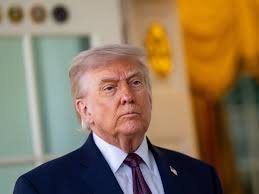
The recent declaration of victory by Donald Trump feels strikingly familiar to many political observers today. It lacks the exact theatrical staging of the famous aircraft carrier banner from years ago. However, the tone remains eerily similar to that ill-fated mission accomplished claim from long ago. The current military assault on neighbouring Iran has continued for roughly the same period of time. Widespread expert consensus outside the Trump administration suggests the campaign has not proceeded as planned. Ahead of scheduled peace talks in Islamabad, the president utilized his social media network. He engaged in a frantic flurry of digital posts to declare a total, unambiguous victory. Trump insisted that all major sticking points were ironed out well in advance of meetings. He described the day as a great and brilliant moment for the entire global community. His trademark block-capital letters emphasized the supposed significance of these rapid diplomatic and military breakthroughs.

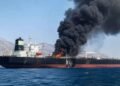
The primary focus of his claims involves the strategically vital strait of Hormuz today. Iran had previously blocked this choke point in direct retaliation for the ongoing military attacks. Removing this threat is essential because twenty percent of world energy supplies transit the route. Trump asserts that the strait will reopen fully to allow global energy supplies to flow. Post after post from the president mentioned the reopening of this critical maritime passageway. Iran reportedly used the waterway as a central pillar of its regional economic pain strategy. The president claims that Iran is currently removing the various mines placed in the area. These mines were originally deployed as a deterrent against international shipping vessels moving through there. Trump insists that Tehran agreed to never again use the strait as a military weapon. This is a truly striking declaration considering Iran long viewed this passage as survival leverage.
It remains a shaky justification for such a sudden and triumphant victory lap today. The strait was already completely open to commercial shipping before this current war began. Iran has now effectively demonstrated its unique ability to inflict major damage on global markets. Furthermore, the president claims that Lebanon is not included in the broader regional agreement. This is highly unusual given Iran’s intense fixation on its regional axis of resistance. Lebanon is currently subject to a ten-day ceasefire agreement with the state of Israel. Israel has been in a renewed conflict with the Lebanese Shia group called Hezbollah. A significant clue regarding Iranian concessions appeared in a statement from the president recently. Trump stated that Israel will no longer be bombing Lebanon under his direct order. He asserted that Israel is strictly prohibited from doing so by the United States.
The president ended that particular sentiment with a declaration that enough is finally enough. Conspicuously absent on that critical point was any official confirmation or clarification from Tehran. However, the Iranian foreign minister, Abbas Araghchi, did confirm the strait is now open. The minister did not offer any further details regarding the broader terms of the deal. Trump was notably less effusive regarding the specific goals achieved by the military decision. He made only a passing reference to the current Iranian stockpile of enriched uranium. The United States and Israel have long alleged this is a precursor to weapons. Trump claimed the United States will secure all nuclear dust from his bombers. He promised that no money will exchange hands in any way during this process.

The president told Reuters that Iran agreed to suspend its nuclear programme quite indefinitely. He suggested that Tehran would work with Washington to recover all the enriched uranium. Trump claimed to have obliterated this entire stockpile during bombing raids last June. Given that nuclear activities have been a tortuous dispute for decades, this sounds dubious. The 2015 nuclear agreement reached with Barack Obama was years in the making, after all. That deal was later abrogated by Trump himself during his previous term in office. Now he claims to have secured a total surrender at the negotiating table today. It is far from clear that the United States actually won this on the battlefield.
Meanwhile, the Islamic regime remains standing despite predictions that it would inevitably collapse quickly. Prime Minister Benjamin Netanyahu had assumed the regime would fall during the initial military strikes. The leadership in Tehran remains determined to do everything in its power to survive. Such endurance is arguably an achievement of victory for Iran given the military imbalance. The regime has also survived the targeted killings of many of its most senior figures. Against this complex backdrop, one must ask how likely such reconciliation really is today. Peace for our time might be the hopeful label for this current fragile moment. However, that specific phrase carries a very unfortunate and dark history for the world. True stability often requires far more than mere proclamations made on social media platforms. The coming weeks will likely reveal the true substance behind these very bold declarations.
Related News:
 George Clooney and Amal Clooney Receive French Citizenship
 Capitol Attack Anniversary Sparks Deep Political Divide
 Saudi Officials Report Zubaidi Flee Before Yemen Peace Talks
 UK Targets in New York Bomb Threat Hoax: Man Jailed
 Gambia Supreme Court Hears Case to Overturn FGM Ban
 Trump targets Iran trade with 25% tariff warning
 Rudd successor: Defence chief and former ministers considered
 US Senate rejects resolution limiting Trump military powers
 Venezuela regime claims release of political prisoners signals new era
 Gulf states warn Trump Iran strikes risk wider Middle East war
 Machado Trump medal gesture reshapes Venezuela power struggle
 Greenland defence seen as shared Nato duty amid troop arrivals
 Geopolitical football: Iran, Trump and the World Cup clash
 Canada-China trade gains momentum in new strategic partnership
 Trump Receives Machado’s Nobel Medal in White House Meeting
 Syria President Declares Victory as Ceasefire Reached with SDF
 US Considers Asylum for British Jews Amid Rising Antisemitism
 Trump slams UK ‘stupidity’ over Chagos Islands, eyes Greenland takeover
 Trump Tightens Grip on EU and UK Energy Supply
 Shinzo Abe’s killer receives life sentence in Japan
 China General Under Investigation Amid Leadership Purge
 Philippines ferry disaster leaves 15 dead, dozens missing
 Cambridge Faces Scrutiny Over Arms Investment Transparency
 Files Link Andrew to Epstein Dinner After Prison Release
 Epstein UAE Emails Shake British Royal Andrew’s Legacy
 Christchurch gunman seeks to vacate guilty plea
 Liberal Fallout: Taylor Challenge Casts Shadow Over Sussan Ley’s Leadership
 Infantino Faces Russia Threat and Trump Concerns at Uefa Congress
 Concerns rise for Canberra boy amid Iran detention fears
 Ukraine, Russia Meet in Geneva Ahead of War Anniversary
 Caribbean Leaders Urge Dialogue Amid US Oil Embargo on Cuba
 Anthony Albanese Must Uphold Rights for All Australians
 DHS Probe Into Border Official Sparks National Debate
 Ukraine Sends Drone Experts to Defend US Bases in Jordan
 New Zealand Covid Response Praised Despite Lingering Scars
 Abramovich Chelsea Sale Cash Faces Jersey Probe
 Yvette Cooper: UK Must Follow Principles, Not US Pressure
 US Strike on IRIS Dena Strains Strategic Indian Security Ties
 Slovenia Election: A Nation at a Crossroads
 Jury Rules Meta and YouTube Liable for Addictive Design
 Saudi Arabia Urging US to Keep Up Iran Attacks
 Trump Softens Cuba Oil Stance as Russian Tanker Nears
 The Woman Guarding Earth From the Threat of Asteroids
 IMF Predicts Global Economic Crisis Due to Gulf Unrest
 Spain Shuts Airspace to US Military Over Iran Conflict
 California Defies Trump With Strict New AI Standards
 Germany Grapples With AI Abuse Following TV Star Scandal
 Exiled Tycoon Warns of New Russian Attacks on UK Soil
 Labor Under Fire Over Stalled University Fee Reform
 LA 2028: Millions of Affordable Olympic Tickets Announced
 Trump Slams Europe as Transatlantic Tensions Boil Over
 Inside the Deceptive Machine: A Former Producer Speaks Out
 Italy Faces Third Successive World Cup Absence After Loss
 Turkey End Kosovo Dreams to Secure World Cup Return
 Starmer Urges Ambitious EU Ties Amid Middle East Conflict
 Spain Faces Backlash Over Xenophobic Chants in Egypt Draw
 A Global Voice For Justice: Stephen Lewis Dies At Age 88
 Trump Issues Stark Warning After Strike On Iran’s Largest Bridge
 Hope and Fear as Iranians Flee Across the Turkish Border
 Trump Mocks Starmer and UK Carriers in White House Speech
 Tragic End to Outback Search as Floods Claim a Life
 Ben Roberts-Smith Arrested Over Alleged War Crimes
 Reform UK Pledges To Halt Visas Over Reparations Demands
 US and Iran Agree to Two-Week Provisional Ceasefire
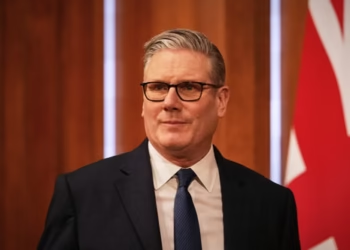 Starmer visits Gulf as US and Iran agree ceasefire
 Gaza Child Arrives in UK for Life-Changing Care
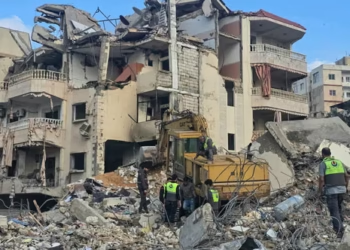 Israel Defies Ceasefire as Lebanon Operations Persist
 Own an Entire Australian Town for the Price of a UK Flat
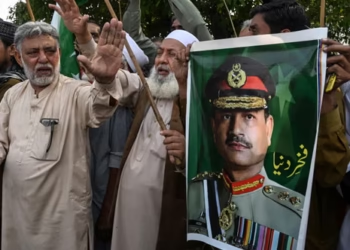 Pakistan Brokers Historic Peace Deal Amid Rising Tensions
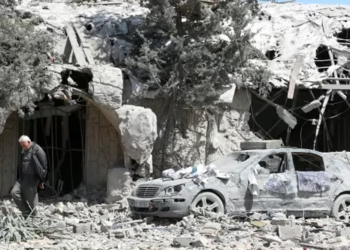 Netanyahu Vows Continued Lebanon Strikes Amid Peace Talks
 UK Holds Firm on Strait of Hormuz Amid Trump Pressure
 Rory McIlroy Eyes New Horizons After Masters Defence
 Trump Signals Hope for New Iran Talks as Ceasefire Fades
 Reeves Slams Trump Over Iran War Lack Of Exit Plan
 US and Iran Pursue Extension of Ceasefire via Pakistan
 Trump’s Islamabad Gamble: The High Stakes of a New Iran Deal
 Wall Street Hits Historic High Amid Hopes for Iranian Peace
 Ian Katz to Step Down as Channel 4 Content Chief
 Middle East Conflict Risks UK Food Supply Chains This Summer
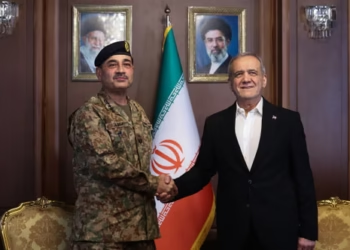 The General’s Gambit: Pakistan’s New Role in Global Peace