Published: 18 June 2026. The English Chronicle Desk. The English Chronicle Online.
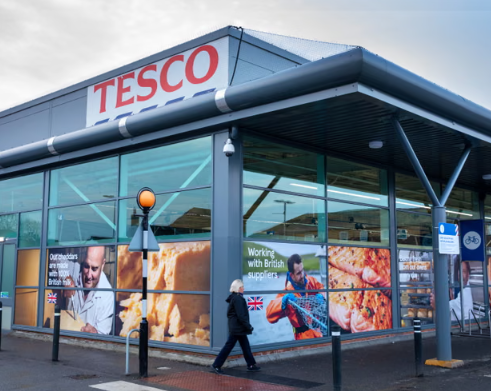
The United Kingdom retail landscape is facing fresh economic headwinds this summer season. Tesco has reported a significant slowdown in its domestic sales growth performance recently. This sudden deceleration highlights the growing pressure currently facing ordinary British household budgets. The leading supermarket chain directly blamed ongoing geopolitical tensions for dampening consumer confidence. Intense conflict in the Middle East has triggered widespread economic uncertainty across Britain.
According to the latest financial report, comparable sales rose by just 1.8 percent. This figure represents a sharp decline from the previous quarter’s strong performance. During the prior three months, the grocery giant enjoyed a robust 4.2 percent increase. The new numbers also fell short of optimistic city analyst expectations of 2.3 percent. Total UK sales reached thirteen point four billion pounds during this specific three-month period.
Despite the domestic slowdown, some areas of the business showed impressive resilience. Online sales provided a bright spot, surging by nearly nine percent overall. This digital growth helped lift total group sales by one percent globally. Group revenue reached sixteen point eight billion pounds despite the tough trading environment. E-commerce platforms continue to attract shoppers seeking maximum convenience during difficult times.
Market experts point to rising fuel prices as a primary cause of trouble. The international conflict has disrupted global energy markets and increased transport costs significantly. Families are adjusting their weekly budgets to cope with higher bills at the pump. This cautious consumer behavior has directly impacted spending on everyday grocery items. People are prioritising essential goods over premium products to save money.
Unfavorable weather comparisons also played a major role in these disappointing results. The same period last year enjoyed exceptionally warm and sunny summer weather conditions. That beautiful sunshine had previously boosted sales of seasonal food and drink items. This year’s cooler weather made matching those high sales figures very difficult. Seasonal distortions often make year-on-year financial comparisons look much worse than reality.
Tesco is actively fighting back against discount rivals to protect its market share. The retailer has expanded its popular price-match scheme with German supermarket Aldi. This competitive pricing strategy now applies to over two thousand smaller Express stores. Previously, the price-matching promise was mostly kept for larger supermarket locations. Executives hope this aggressive move will retain price-conscious shoppers in urban areas.
In addition to price cuts, the supermarket has introduced hundreds of new products. Exactly five hundred and twenty fresh items were launched to excite regular customers. Management believes these innovations will help sustain momentum through the coming financial months. The company insists it remains well-positioned to navigate the current economic storm. Enhancing the shopping experience remains a top priority for the boardroom leaders.
Chief executive Ken Murphy expressed ultimate satisfaction with their overall quarterly progress. He noted that customer satisfaction scores have risen strongly across the country. Murphy emphasized that current growth builds upon last year’s truly exceptional performance. He acknowledged that international conflicts create ongoing anxiety for millions of households. The chief executive promised to keep focusing on price, quality, and service.
However, the wholesale division did not share the main supermarket’s steady success. Sales at the Booker wholesale arm fell by over three percent recently. This decline reflects very tough conditions currently facing the British high street. Independent retailers and catering businesses are cutting back on their regular orders. Hospitality sectors are feeling the squeeze as consumers reduce their luxury spending.
Despite these varied challenges, Tesco maintains its financial guidance for the year. The company expects to meet its original underlying profit targets without trouble. Independent city analysts predict annual profits will reach over three billion pounds. Investors, however, reacted with visible caution to the latest trading update. Tesco shares suffered a two point four percent drop in early trading.
This current slowdown follows an earlier profit warning issued back in April. At that time, executives warned about a potential drop in annual profits. Such a decline would represent the first profit fall since two thousand twenty-three. The market has been highly volatile ever since that cautious announcement. Shareholders are watching the company’s defensive strategies with a very critical eye.
The recent slump contrasts sharply with the excellent results reported last year. In the year ending February, profits rose by over eight percent. Total annual profits had reached a comfortable two point four billion pounds. Overall sales had also grown by over four percent during that period. Strong domestic growth in the United Kingdom had driven those fantastic results.
The coming months will test the resilience of Britain’s largest grocery retailer. High energy costs look set to remain a fixture of economic life. Tesco must continue balancing competitive pricing with its own rising operational costs. Shoppers will undoubtedly keep searching for the best value on every trip. The grocery market remains a fierce battlefield for customer loyalty and cash.
Related News:
 Reeves Faces Setback as Labour May Miss Homes Target
 Trump’s UK Ambassador Urges North Sea Drilling to Strengthen US Ties
 ABF May Split Primark from Food Division Amid Tough Market
 M&S Profits More Than Halve After Cyber-Attack
 Tony Blair think tank warns Rachel Reeves must cut taxes if manifesto broken
 Oprah enjoys Meghan’s jam on English muffins
 Millionaires group urge Reeves to introduce wealth tax to ‘lift kids out of poverty’
 UK toy market enjoys bumper year as ‘kidults’ fuel demand
 Global markets drop amid tech sell-off and China slowdown
 PM Highlights UK Business at G20 in South Africa
 Mossmorran Plant Closure Hits Cowdenbeath Hard
 UK Taskforce Unveils Plan to Streamline Nuclear Reactor Rules
 Steel billionaire Lakshmi Mittal reportedly leaves UK
 Starmer Says Labour’s Economic Plan Needs Years to Deliver
 Virgin Media Fined £23.8m Over Telecare Safety Failures
 Rising Water Bills Lift Troubled Thames Back to Profit
 Sainsbury’s CEO leads business honours in New Year list
 Starmer Faces Parliamentary Battles Over UK-EU ‘Reset’ Plan
 Phoenixism Costs UK Taxpayers Millions in Recruitment Sector
 ScottishPower Tops List of Worst UK Energy Suppliers
 City & Guilds pay surge sparks backlash amid £22m cuts
 UK Government Borrowing Drops to £11.6bn in December
 AI job losses UK: Britain faces sharper employment shock
 Most young adults in UK fear uncertain jobs and economic future
 Royal Mail delivery delays affect 16 million during Christmas
 UK Housing Market Shows Early Recovery Signs
 UK economy struggles as growth stalls at 0.1% in late 2025
 Bank of England Urged to Cut Rates to Spur Growth
 UK Unemployment Rate Climbs to 5.2% Peak
 UK shelves £110m border project amid trade strain
 UK Inflation Surprise Sparks Early Rate Cut Hopes
 Progress on gender equality at top UK firms ‘achingly slow’
 Strong Rebound for UK Housing Market Sees 6% More Homes
 Reeves Must Back Defence Plan or Face Dismissal, Says Unite Chief
 Doom Bar Closure Stuns Cornish Brewing Fans
 Switching Energy Deal Can Save £200 as Price Cap Falls
 OBR Reform Row Deepens Before Spring Forecast
 UK Hotel Data Sharing Probe Shakes Global Chains
 Rachel Reeves Faces Middle East Conflict Test
 Grocery Inflation Rises Amid War Fears
 Peak Greggs fears as profits tumble sharply
 BrewDog sold Highland estate for knockdown price after abandoning reforestation plans
 Yorkshire Water Funding Sparks Debate Amid Fines and Pay Row
 John Lewis bonus returns after four years as profits rise
 New £10bn rescue plan offered for Thames Water
 UK Energy Reform Could Cut Bills by £200
 Rising Costs Force Families to Rethink Days Out
 Hospitality Sector Teeters on Brink as Costs Surge
 Iceland Boss Offers Role to Sacked Waitrose Employee
 Student Loan Interest May Rise Despite 6% Cap
 Aegon Sells Historic UK Arm to Standard Life for £2bn
 Major Housebuilder Cuts Land Buying Amid Global Unrest
 UK Staycations Rise as Travel Fears Grow
 City & Guilds Sale Sparks Fees and Pay Uproar
 Silent Tracks: Rail Line Without Passengers
 Heathrow Chair Seeks Peace to Save Third Runway
Carillion Executives Banned After Reckless Misconduct
Heathrow Chair Seeks Peace to Save Third Runway
Carillion Executives Banned After Reckless Misconduct
 Lotus Boss Pledges Future to Norfolk and Seeks State Support
 Millionaires Back Higher Taxes to Save UK Public Services
 UK Firms Freeze Spending as Iran Conflict Bites
 Summer Shock: British Energy Bills Set for Grim July Hike
 Reeves to Fast-Track Clean Energy Amid Iran Crisis
 M&S Boss Slates Food Price Caps as ‘Preposterous’
 UK Urged to Build EU Rejoin Consensus, Says Miliband
 Tube Strike Brings Capital to a Standstill Over Shift Disputes
 Tube Strike Brings Capital to a Standstill Over Shift Disputes
 BP Stands Firm on Amanda Blanc Amid Boardroom Storm
 UK House Prices Drop For Third Month Due To War Fears
 Top Chefs Back Andy Burnham to Save UK Hospitality Sector
 UK Steel Crisis: Jingye Demands Payout After Takeover
 Flutter to Cancel London Stock Exchange Share Listing
 AI Scams Push UK Investment Fraud Past £220m
 Thames Water Nationalisation Pushes Closer After Rescue Objected
 Andy Burnham Enlists Economic Heavyweights for Leadership Bid
 Tories Clinch Shock Victory in Aberdeen South Byelection
 Rethinking the Blueprint for Youth Employment in Britain
 Sainsbury’s Boss Optimistic As Grocery Inflation Eases
 UK Households Suffer Squeeze As Disposable Incomes Drop
 Bank of England Eases Rules Despite Rising AI Risks
 BBC Faces Real Jeopardy as Licence Fee Income Declines