Published: 19 April 2026. The English Chronicle Desk. The English Chronicle Online
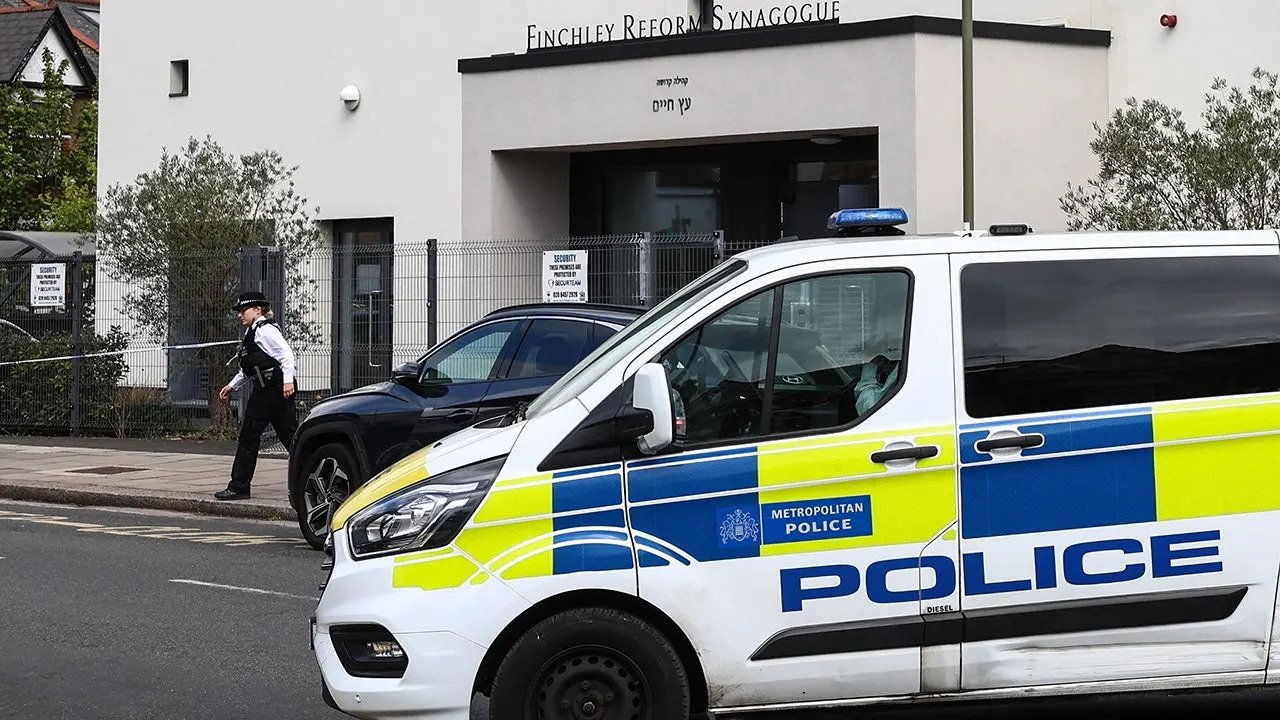
An attempted arson attack at a synagogue in north-west London has intensified concerns over the safety of Jewish communities across the capital, following a series of similar incidents reported in recent weeks. The latest episode unfolded at the Kenton United Synagogue, where authorities say a fire was deliberately set late on Saturday night, causing minor smoke damage inside the building but no injuries.
The synagogue, located in the suburban borough of Harrow, sits near a school and a children’s playground, raising further alarm among residents and community leaders about the potential risks had the incident escalated. Emergency services responded swiftly, preventing what could have become a more serious blaze. By Sunday morning, a significant police presence remained at the scene, with forensic teams, fire investigation units, and plainclothes officers working to gather evidence.
Officers from the Metropolitan Police cordoned off the area as part of an active investigation. Witnesses reported seeing police search a black SUV nearby, though authorities have yet to confirm whether the vehicle is directly linked to the attack. Several marked and unmarked police vehicles were stationed outside the synagogue throughout the day, reflecting the seriousness with which the incident is being treated.

The attack forms part of what community groups describe as a troubling pattern. According to the Community Security Trust, which monitors antisemitic incidents and provides protection to Jewish institutions, multiple arson or attempted arson attacks have targeted Jewish properties across north London in the past month. Areas such as Finchley, Golders Green, and Hendon have all reported similar incidents, creating a climate of anxiety and heightened vigilance.
A spokesperson for the Community Security Trust confirmed that they are working closely with police to support affected locations and strengthen security measures. The organisation also praised the rapid response of both police and fire services, noting that their intervention likely prevented more extensive damage. However, the spokesperson warned that the frequency of these incidents represents an “unprecedented period” for the Jewish community in the UK.
Community members in Harrow described a sense of unease following the attack. While no one was harmed, the symbolic targeting of a place of worship has resonated deeply. Synagogues are not only religious centres but also hubs for education, cultural activities, and social support. The fact that the building is situated close to areas frequented by children has further amplified concerns among local families.
Authorities have not yet released details about potential suspects or motives, though the nature of the attack has prompted widespread condemnation. Security experts suggest that such incidents often aim to intimidate communities and create fear, even when physical damage is limited. In this case, the minor scale of the fire does little to diminish the psychological impact on those who use the synagogue regularly.
The Campaign Against Antisemitism issued a strongly worded statement, describing the incident as part of a “terrifying” escalation in antisemitic violence. The group argued that repeated attacks on Jewish institutions signal a broader failure to address extremist threats effectively. Their comments reflect growing frustration among advocacy organisations, which have long called for more robust measures to counter hate crimes.
The organisation also linked the rise in such incidents to wider geopolitical tensions and concerns about foreign influence, though these claims remain a subject of political debate. While some analysts point to global conflicts as a contributing factor to increased tensions within diaspora communities, others caution against drawing direct causal links without clear evidence.
In recent years, London has seen fluctuating levels of reported antisemitic incidents, often influenced by international events. However, the concentration of suspected arson attacks within a short period has set this latest wave apart. Experts in community security note that attacks on physical infrastructure, such as synagogues, represent a particularly serious escalation compared to verbal abuse or vandalism.
Local leaders in Harrow have urged calm while emphasizing the importance of unity. Faith leaders from different communities have expressed solidarity with Jewish residents, underscoring the need for collective action against hate and intolerance. Such gestures, while symbolic, play a crucial role in maintaining social cohesion during periods of heightened tension.
The response from law enforcement will likely be closely scrutinised in the coming weeks. The Metropolitan Police has faced increasing pressure to demonstrate that it can effectively prevent and respond to hate crimes. While the swift handling of Saturday’s incident has been widely acknowledged, community groups are calling for longer-term strategies to ensure safety.
These may include increased patrols around places of worship, enhanced surveillance, and stronger collaboration between police and community organisations. Some have also advocated for greater investment in education and awareness campaigns aimed at tackling the root causes of antisemitism.
The investigation into the Kenton United Synagogue incident remains ongoing, with authorities appealing for witnesses and any relevant information. Police have not ruled out the possibility that the attack is connected to the recent series of incidents elsewhere in north London, though confirming such links will depend on forensic evidence and intelligence findings.
For many residents, the immediate priority is reassurance. The visible police presence and continued security measures have provided some comfort, but the underlying concerns persist. Parents in the area have voiced particular worry about the proximity of the synagogue to a school and playground, highlighting the need for vigilance in protecting public spaces.

At a broader level, the incident has reignited debate about how societies respond to hate crimes and protect minority communities. While the UK has long prided itself on its multicultural identity, events like these test the resilience of that ideal. The challenge lies not only in addressing individual incidents but also in confronting the conditions that allow such acts to occur.
As the investigation continues, community leaders hope that those responsible will be identified and brought to justice swiftly. In the meantime, the focus remains on ensuring that places of worship remain safe and accessible, allowing communities to gather without fear.
The attempted arson at Kenton United Synagogue may not have caused significant physical damage, but its impact extends far beyond the walls of the building. It serves as a stark reminder of the vulnerabilities faced by communities and the ongoing need for vigilance, solidarity, and decisive action in the face of hate.
Related News:
 Greens Face Internal Row Over Antisemitism Claims
 Undercover officer deceived women with ‘grotesque and cruel’ lies, spycops inquiry told
 UK may ban protests amid rising antisemitism fears
 Barrister Criticises Trial After Suicide Case Verdict
 Victim says non-custodial rape sentence ‘rock in my face’
 Cornwall Van Dwellers Face Eviction in Housing Crisis
 Westminster Council Threatens Charing Cross Soup Kitchen
 BBC Warned About Missing Clothes of Murder Victim
 Cambridge Professor Jason Arday Found Dead at Home
 Five More Prisoners Freed by Mistake in Essex Week
 Afghan man charged with murder after west London knife attack
 French Taxi Driver Cleared in David Lammy Theft Case After Fare Dispute
 Just Stop Oil Protesters Convicted Amid Climate Defence Row
 Met Police Culture Makes Racial Harm ‘Inevitable’
 Newcastle United Lifts Ban on Fan Over Gender-Critical Views
 British Grandmother to Return Home After Death Sentence in Bali
 Remaining rebel Labour MPs have whip restored
 King Charles to Lead Nation in Remembrance Sunday Service
 Government urges schools to ban phones to curb classroom disruption
 Palace to reinstate hyphen in Andrew’s surname
 Pop Stars Call on UK Government to Cap Resale Prices for Fans
 Major Rent Reform Ends No-Fault Evictions in England
 Peers Flood Assisted Dying Bill with 942 Amendments
 UK Unveils Fast-Track Deportation and Asylum Overhaul
 UK Asylum Overhaul Sparks Debate Over Human Rights and Deportations
 UK Asylum Reforms: Temporary Refugee Status and Faster Deportations
 Mahmood Defends Tough Overhaul of UK Asylum System
 Paralegal Fired After Exposé on Illegal Worker Scam
 Westminster Advances Legacy Bill Amid Criticism
 Serial Rapist and Former Cop Found Guilty Again
 Peers Get Extra Time to Debate Assisted Dying Bill
 Second homes curbs quashed in Gwynedd legal ruling
 Virgin Media Fined £23.8m Over Telecare Safety Failures
 Starmer’s communications chief to outline media strategy overhaul
 Google Employee Claims Redundancy After Harassment Report
 TikTok to Strengthen Age Verification Across the EU
 Woman Jailed for Life After Killing E-Bike Rider in Tragic Mistaken Identity Case
 Tim Walz urges Trump to withdraw federal agents immediately
 UK and EU Signal Fresh Push for Defence Cooperation Talks
 Civil Service Pay: Union Urges Ministers to End ‘Barking Mad’ Limits
 Charities Warn Millions in Ramadan Donations Face Banking Barriers
 UK Child Abuse Case Moves Forward After Court Decision
 Proposed Law Leaves Gap for Children of Convicted Paedophiles
 UK Banks Maintain £100 Contactless Limit Despite FCA Rule Change
 Rising Costs Force Families to Rethink Days Out
 Sarah Mullally: The Solid Choice for Canterbury
 Police Chiefs Under Fire for Failing to Address Racism
 Archbishop Prays for Middle East Peace in First Easter Sermon
 Starmer Defends Workers’ Rights Amid Rising Green Threat
 RSPB Urges Summer Bird Feeder Removal to Curb Disease
 Prevent Failings Exposed After Southport Attack
 Kezia Dugdale Warns of Possible Reversal of Equal Rights Gains
 City & Guilds Sale Sparks Fees and Pay Uproar
 MoD Has Lost Track of Veteran Recall List, Says Adviser
 NHS Safety Fears as Nurses Cover Doctor Gaps
 Crackdown Backfires on UK Climate Protesters
 Two Children Die in Wolverhampton House Fire Tragedy
 Reform UK funding: mystery billionaire revealed
 Ukraine Urges UK to Seize Russian Oil Tankers
 US Court Weighs Fate of TPS for Migrants
 John Terry Faces Backlash Over Political Posts
 Asylum deal sparks fears over Syria deportations
 Met Officers Probed Over Al Fayed Abuse Allegations
 Florida Surgeon ‘Devastated’ Over Fatal Surgery Error
 Immigration Judges Fear Pressure in Trump Era
 Tractor Breakdown Tests Lincolnshire Farmers
 Labour Members Turn Against Starmer Leadership
 Britons Build Emergency Supplies Amid Rising Fears
 Father’s diaries reveal doubts over Hawking
 Sycamore Gap Artwork Chosen After Public Vote
 Starmer Leadership Under Pressure After Setbacks
 Appeal Court Rules Ban on Palestine Action Was Lawful
 UK Nations Brace for Potential Breakup Amid Reform Surge
 Le Pen’s Popularity Holds Despite Conviction
 Dreyfus Statue Finally Gets Permanent Paris Home
 UK Schools Struggle as Classrooms Top 40C
 London Tube Heat Reaches Dangerous Levels
 UK’s Largest Muslim Convention Scales Up Security Amid Rising Bigotry
 Three-Quarters of England’s Riverbanks Still Off Limits
 Trump Orders Signs Criticising Smithsonian Museum