Published: 28 September ‘2025. The English Chronicle Desk
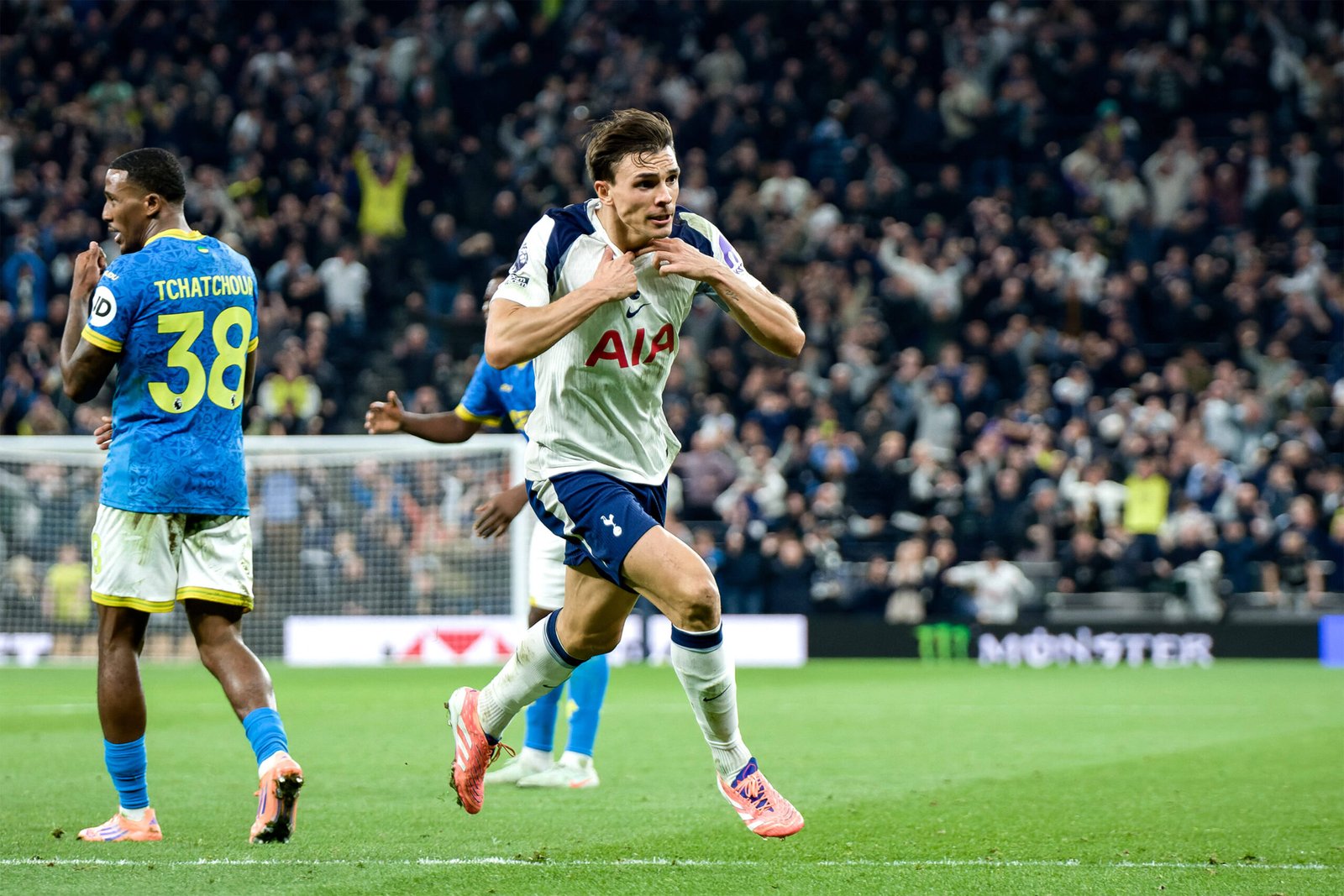
In a pulsating Premier League encounter at Molineux, Tottenham Hotspur secured a dramatic late equaliser against Wolverhampton Wanderers, courtesy of João Palhinha’s stoppage-time strike, leaving Wolves to rue what might have been a memorable victory. The match, which had promised fireworks from the outset, ultimately highlighted both teams’ tactical shifts, individual brilliance, and late-game heartbreaks, encapsulating the unpredictability and tension of English top-flight football.
Wolves began the match with remarkable intent, seemingly determined to capitalize on the momentum they had built under manager Vítor Pereira. Pereira, who recently signed a new three-year contract despite a difficult start to the season, fielded a heavily altered lineup featuring nine changes from their previous league fixture, a decision aimed at rediscovering form and instilling renewed energy in a squad that had struggled for points. Early dominance and collective pressing bore fruit when Santiago Bueno bundled in a goal, capitalizing on a Tottenham defensive lapse to put the home side ahead. Wolves appeared to have the tactical upper hand, effectively clogging the midfield and limiting Tottenham’s attacking fluency.

Tottenham, despite controlling possession for much of the first half, struggled to convert their chances. The visitors’ defensive setup was occasionally unsettled by Wolves’ pressing, with Matt Doherty receiving a booking for a robust challenge that stemmed one of Destiny Udogie’s trademark overlapping runs. Tottenham’s early dominance was reflected in a header from a Doherty corner that struck the crossbar, a missed opportunity that would later loom large as the game slipped away from them in the final moments.
Manager Thomas Frank reflected on Tottenham’s first-half performance, noting the team’s control and territorial advantage, yet he acknowledged the frustration of failing to break down a disciplined Wolves defense. Meanwhile, Pereira’s halftime adjustments, reverting to a back three/five formation and introducing Jackson Tchatchoua to counter Mohammed Kudus’ influence, proved effective. Wolves’ defensive realignment stifled Tottenham’s rhythm, and the visitors’ late lapses allowed Santiago Bueno’s opportunistic goal to give Wolves a lead that they defended valiantly throughout the second half.
Despite Wolves’ organization and tactical discipline, Tottenham’s persistence eventually paid off. Palhinha, introduced in a crucial phase of the match, showcased his composure and finishing ability, curling a decisive strike into the net during stoppage time. The goal not only secured a point for Spurs but also underscored the fine margins that define modern football. Frank, visibly relieved after the equaliser, described the strike as a moment of individual brilliance that salvaged a hard-fought result, reflecting on the emotional and psychological impact of conceding late in a closely contested match.
The Wolves squad, although disappointed, demonstrated moments of tactical ingenuity and resilience. Hugo Bueno’s near-miss and Jørgen Strand Larsen’s intelligent hold-up play highlighted their offensive potential, while Arias and André impressed with their South American flair, adding creativity and technical quality to Wolves’ midfield. Pereira praised his players’ spirit, acknowledging that despite the final disappointment, the performance exhibited the intensity, discipline, and commitment required to compete at this level.
From Tottenham’s perspective, the match offered both lessons and reassurance. Palhinha’s intervention not only rescued a point but also demonstrated the depth of quality within the squad. Sam Johnstone, replacing José Sá in goal, produced several key saves, maintaining composure under pressure and ensuring Spurs remained competitive until the final whistle. Frank acknowledged that individual moments of quality, combined with tactical adjustments, ultimately defined the outcome, highlighting the importance of focus and resilience in tight encounters.
The game also emphasized broader themes prevalent in Premier League football. Wolves’ early dominance and tactical execution revealed their potential under Pereira, yet the inability to maintain concentration until the final whistle illustrated the challenge of sustaining results over a congested fixture schedule. Tottenham, while benefiting from a dramatic equaliser, highlighted both the strengths and vulnerabilities of a squad adapting to new managerial philosophies and integrating emerging talents.
In the aftermath, both managers offered reflective comments. Pereira, visibly frustrated by the late concession, emphasized the importance of tactical discipline and psychological resilience, while Frank expressed satisfaction with the team’s ability to respond under pressure, noting that the result, though hard-earned, provided a platform for continued development and growth. Players from both sides displayed mutual respect, with Palhinha personally consoling his Wolves counterpart post-match, reinforcing the sportsmanship and professionalism that characterizes the Premier League.
The match’s narrative also reinforced the unpredictability of football, where strategic planning, individual moments of brilliance, and endurance collectively shape outcomes. Wolves’ spirited performance, punctuated by Bueno’s goal, illustrated the team’s potential to challenge established Premier League sides, while Tottenham’s resilience highlighted the depth, adaptability, and mental fortitude required to navigate a demanding season. Fans and analysts alike will undoubtedly scrutinize the tactical decisions, substitutions, and key moments, drawing insights into both clubs’ developmental trajectories.
Looking ahead, Wolves face the challenge of translating promising performances into consistent results, particularly as they aim to recover from the psychological blow of conceding a late goal. Tottenham, meanwhile, can draw confidence from their ability to salvage points under pressure, though attention will likely focus on refining defensive coordination and finishing efficiency in forthcoming fixtures. Both teams’ campaigns will continue to unfold under the intense scrutiny of Premier League observers, with every point and performance contributing to their broader ambitions.

Ultimately, João Palhinha’s stoppage-time strike will be remembered as the defining moment of an enthralling encounter at Molineux—a reminder that in football, games are contested until the final whistle. Tottenham’s late heroics denied Wolves a deserved victory, while the match itself offered a compelling display of strategy, skill, and determination. The evening’s drama encapsulated the essence of English football, providing fans with a memorable spectacle that combined tension, excitement, and the relentless pursuit of success.
As the Premier League season progresses, both Tottenham and Wolves will reflect on the lessons of this encounter, recalibrating strategies, assessing player performance, and preparing for upcoming challenges. The fixture, rich in narrative complexity and emotional intensity, will remain a reference point for discussions on tactical adaptability, resilience, and the fine margins that define football at the highest level.
In the end, while Tottenham escaped with a point, Wolves’ efforts underscored their potential, leaving supporters with anticipation, hope, and the recognition that the battle for survival and success in the Premier League demands both skill and unwavering resolve. Palhinha’s intervention not only salvaged the result but also encapsulated the drama, unpredictability, and sheer excitement that make football a sport celebrated worldwide.
Related News:
 Predicted Leicester Line-ups Reflect Cifuentes’ Tactical Plans Ahead of New Season
 Lionesses Return in Glory with an Open-Top Parade, Spark National Pride and Rewrite the Future of Women’s Football
 Central London Gears Up for Lionesses’ Victory Parade as Thousands Prepare to Celebrate Historic Women’s Euros Win
 London Set to Honour Euro 2025 Champions as Lionesses Take Victory Parade Through the Capital
 Rangers Boss Russell Martin Launches Blistering Critique After Disappointing Draw with Motherwell
 Ngumoha Shines Bright as Liverpool’s Future Looks Fiercely Promising
 Minute’s Silence for Diogo Jota Abruptly Ended After Wembley Tribute Disrupted
 Premier League Supercomputer Predicts Tough Season for Man Utd Amid Three-Team Title Battle
 Diogo Jota’s Empty Seat at Liverpool: A Symbol of Grief, Inspiration, and Duty
 Aston Villa Under Pressure as Newcastle Take on Hosts in Premier League Opener
 Isaac Price Shines as West Brom Clinch 3-2 Victory at Wrexham’s Championship Return
 Tottenham Make Three Changes as Spurs Prepare to Host Burnley in Premier League Opener
 Manchester City Announce Their Return in Style with Haaland Double and Debut Goals at Wolves
 FIFA Eyes Biennial Club World Cup from 2029, Plans Possible Expansion
 European Football: Atlético Madrid Stumble at Espanyol as Vitinha Secures PSG Win
 Leeds Mark Premier League Return with Gritty Win Over Everton
 Arsenal Move to Secure Eberechi Eze, Outpacing Tottenham
 Mateta’s Strike Gives Crystal Palace First-Leg Edge in Conference Playoff
 British Paralympians Accused of Disrespect After Turning Backs During Israeli Anthem
 Ruby Tui Emerges as the BBC Rugby Pundit Fans Never Knew They Needed
 Grimsby Stun Manchester United in Dramatic Penalty Shootout
 Club Brugge Crush Ten-Man Rangers to Deepen Russell Martin’s Crisis
 Guardiola Admits City ‘Forgot to Play’ After Shock Defeat to Brighton
 Morgan MacRae: From 17 Minutes Dead to Returning to Rugby in Six Weeks
 Serbia Humiliated 0-5 by England in World Cup Qualifier
 Fábio Carvalho’s Last-Minute Heroics Deny Chelsea Victory at Brentford
 Tottenham Cruise to 3-0 Victory Over 10-Man West Ham in London Derby
 Terence Crawford Shocks Canelo Álvarez to Claim Undisputed Super-Middleweight Crown
 Guardiola Faces Criticism for Defensive Approach in Manchester City’s Clash with Arsenal
 England Must Stay True to Their Style Ahead of Women’s Rugby World Cup Final: Lessons from 1991
Liverpool Vs outhampton Set for Carabao Cup Clash at Anfield
England Must Stay True to Their Style Ahead of Women’s Rugby World Cup Final: Lessons from 1991
Liverpool Vs outhampton Set for Carabao Cup Clash at Anfield
 Chelsea Survive Lincoln City Scare to Advance in Carabao Cup
 Aston Villa Edge Bologna as Europa League Campaign Kicks Off
Manchester City Dominate Burnley 5-1 as Haaland’s Brace Secures Vital Win
Aston Villa Edge Bologna as Europa League Campaign Kicks Off
Manchester City Dominate Burnley 5-1 as Haaland’s Brace Secures Vital Win
 Arsenal VS Newcastle Hearts with Dramatic Late Turnaround at St James’ Park
 Aston Villa Fight Back to End Winless Run with Convincing Victory over Fulham
 Tragic Death Strikes Half-Marathon in Stoke-on-Trent: Runner Dies Shortly After Crossing Finish Line
 Postecoglou Stands Firm Amid Mounting Forest Fan Frustration
 Tuchel Criticises ‘Silent Wembley’ After England Win
 Kane’s Double Seals England’s World Cup Qualification
 Ronaldo’s Record Not Enough as Hungary Hold Portugal
 Fulham vs Arsenal Trossard Strike Sends Gunners Three Points Clear
 Ange Postecoglou’s Naivety Premier League Misadventure Ends
 Arsenal vs Atlético Madrid,Gyökeres Double Secures 4-0 Champions League Victory
 Barnes Inspires Newcastle to Champions League Triumph Over Benfica
 Gibbs-White Inspires Forest to Thrilling Win Over Porto
 Go Ahead Eagles Shock Aston Villa as Buendía Misses Late Penalty
 Aaronson and Rodon Punish West Ham as Leeds Claim Victory
 Manchester United triumph as Mbeumo brace seals thrilling win
 Fabio Wardley stuns Joseph Parker to earn Usyk title shot
 Tottenham shine at Everton but Frank wary of title push
 Brentford Dominate Grimsby in Carabao Cup, Collins Seals 5-0 Triumph
 Lecomte Shines as Fulham Edge Wycombe in Nervy Carabao Cup Win
 Sarr Double Sinks Young Liverpool in Carabao Cup
 Nwaneri and Saka Secure Arsenal Win Over Brighton
 Woltemade Hot Streak Fires Newcastle Past Spurs
 Salah & Gravenberch Lead Liverpool to Win Against Villa
 Dyche Criticises Corner Decision as Forest Draw with United
Caicedo Shines as Chelsea Edge Spurs in Chaotic Derby
Dyche Criticises Corner Decision as Forest Draw with United
Caicedo Shines as Chelsea Edge Spurs in Chaotic Derby
 Granit Xhaka Rescue Earns Everton Draw at Sunderland
 Liverpool Edge Real Madrid 1-0 in Champions League Thriller
 Burn and Joelinton Head Newcastle to Victory Over Bilbao
 Foden shines as Man City dismantle Dortmund in dominant display
 Garnacho Spares Chelsea From Shock Champions League Loss in Baku
 Tension and Turmoil at Aston Villa v Maccabi Match
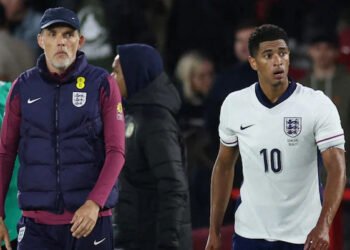 Bellingham has ‘the edge’ among England No 10s
Man City Masterclass on Guardiola’s Milestone Day Exposes Liverpool Woes
Bellingham has ‘the edge’ among England No 10s
Man City Masterclass on Guardiola’s Milestone Day Exposes Liverpool Woes
 Lando Norris Dominates Brazil GP to Strengthen F1 Title Bid
 England cannot afford to be in awe of the All Blacks, warns Jamie George
 VAR Must Rein Its Neck In to Save Football’s Spirit
 Trescothick Hints Pope Will Keep Number Three Spot
 Ronaldo Confirms Final World Cup and Plans Retirement
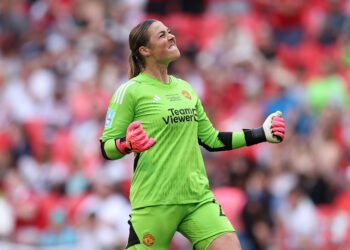 Mary Earps’s Manchester United Return Faces Mixed Reception
 Sam Kerr Stars in Chelsea Return with Champions League Double
 This kid is something else: Alex Scott’s rise to England call-up
 Former Lion Heskey Warns of Shortage of England Strikers
 Moyes Defends Gueye After Dramatic Everton Bust-Up
 Jac Morgan to Miss Six Nations Start After Surgery
 Alexander Isak ends drought as Liverpool stop rot with win at West Ham
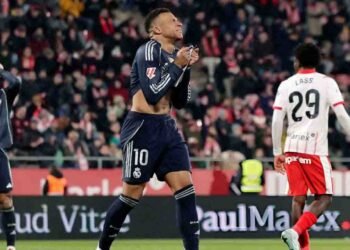 Mbappe rescues Real Madrid with a penalty at Girona