Published: 02 October ‘2025. The English Chronicle Desk
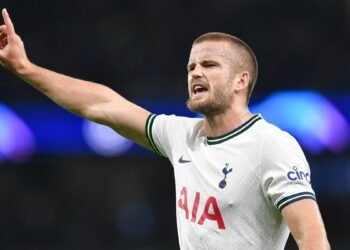
Manchester City’s quest for Champions League dominance suffered another setback on Wednesday as they were held to a 2-2 draw away at AS Monaco, despite a commanding first-half performance from striker Erling Haaland. The Norwegian forward showcased his lethal efficiency by scoring both of City’s goals in the opening 45 minutes, needing only seven touches to leave the Monaco defense in disarray. Yet, despite City’s dominance, a late controversy surrounding a penalty decision allowed Eric Dier to level the score from the spot, stretching City’s winless away run in Europe to a full year.
City looked poised to secure a crucial away victory, building on their high-intensity pressing and fluid attacking patterns that have become synonymous with Pep Guardiola’s side. Haaland, once again, proved why he remains one of Europe’s most feared forwards. His first goal came from a deft flick on Josko Gvardiol’s lofted pass in the 14th minute, marking an almost immediate impact on the match. Remarkably, this was his first touch of the night, yet it was enough to give City the lead and demonstrate the striker’s uncanny ability to capitalize on even the smallest of openings.

Just three minutes later, Monaco struck back through Jordan Teze, who unleashed a 20-yard strike into the top corner, catching City off guard and igniting a tense contest. The equalizer served as a reminder that despite City’s dominance, Champions League matches are often decided by moments of precision and opportunism, and Monaco, playing at home, were determined to challenge the visiting giants at every turn.
Throughout the first half, City created numerous opportunities, frequently testing Monaco goalkeeper Gianluigi Donnarumma. The visitors’ relentless attacking play resulted in 18 shots, with Haaland himself showcasing a combination of positioning, movement, and finishing that left defenders scrambling. Despite hitting the crossbar twice, City struggled to extend their lead before the interval, demonstrating both the fine margins in elite European competition and the resilience of Monaco’s backline.
The second half began with City attempting to consolidate their dominance and maintain pressure on Monaco. Guardiola’s tactical instructions emphasized width, rapid ball circulation, and exploiting Haaland’s movement between defensive lines. However, Monaco’s disciplined defensive shape and counter-attacking intent continued to pose significant threats. The visitors’ efforts to regain control were hindered by the resolute positioning of Monaco’s defenders, who blocked several dangerous attempts and forced City to rely on long-range strikes and crosses into the box.
The match reached its dramatic climax in stoppage time when referee Jesus Gil Manzano was called to review a potential foul during a free-kick situation involving Nico Gonzalez and Eric Dier. Initially, the call sparked debate, as multiple members of City’s backroom staff were sent off amid escalating tensions. Guardiola, while cautious in his public comments, expressed his dissatisfaction with the decision, later stating to TNT Sports, “We didn’t defend [the free-kick] perfectly, we conceded a penalty despite touching the ball first. It touched the opponent but touched the ball too.” Despite the controversy, Dier confidently stepped up to convert the penalty, sending Donnarumma the wrong way and securing a dramatic 2-2 draw for Monaco.
The outcome marks a significant continuation of City’s struggles on the road in Europe, extending their winless away run in the Champions League to exactly one year, with the last away victory dating back to a fixture against Slovan Bratislava. This prolonged absence of success on foreign soil underscores the challenges City face in translating domestic dominance to continental competition. While Guardiola’s squad boasts world-class talent, including Haaland’s extraordinary scoring efficiency, the fine margins of European knockout football continue to test even the most formidable teams.
Haaland’s first-half performance further emphasizes the striker’s extraordinary impact. Scoring twice from only seven touches, including one directly from the kick-off, he illustrated a level of efficiency rarely seen in modern football. His movement, anticipation, and precision remain key factors in City’s attacking philosophy, and his ability to capitalize on minimal opportunities highlights his role as an indispensable asset in both domestic and European competitions.
Monaco’s resilience, particularly in the second half, showcased the tactical acumen of their coaching staff. By maintaining defensive composure and exploiting City’s occasional overcommitment in attack, they were able to remain competitive throughout the match. Teze’s early equalizer and Monaco’s disciplined defensive interventions exemplify the blend of individual skill and collective strategy necessary to challenge a team of City’s caliber. The late penalty, though controversial, reinforced the unpredictable nature of high-stakes European football, where single moments can dramatically alter the course of a match.
For Guardiola, the result provides both lessons and challenges. While City’s first-half dominance and Haaland’s brilliance affirm the team’s attacking prowess, the inability to secure a victory, coupled with errors in defensive concentration, point to areas requiring tactical refinement. The Spaniard’s approach to maintaining balance between attacking freedom and defensive solidity will likely be scrutinized as City navigate the remainder of their Champions League campaign.
Beyond tactical and technical considerations, the match also highlighted the psychological demands of European competition. Players are required to maintain focus under intense pressure, adapt to rapid momentum swings, and respond to unexpected incidents, such as controversial refereeing decisions. City’s response to the penalty decision, maintaining composure despite the setback, underscores the mental resilience required at this elite level.
Fans and analysts alike have praised Haaland’s individual brilliance, noting that his finishing, positioning, and anticipation were instrumental in keeping City competitive throughout the fixture. Social media platforms were abuzz with admiration for the Norwegian striker, who continues to demonstrate why he is regarded as one of the most efficient and dynamic forwards in world football. His contributions, while not sufficient to secure victory on this occasion, reinforce his centrality to Guardiola’s tactical schemes.

Looking ahead, Manchester City must address several key areas to bolster their chances of success in Europe. Defensive organization, particularly in set-piece and transition scenarios, will be crucial to converting dominant performances into consistent victories. Additionally, tactical adaptability, squad rotation, and psychological preparedness will remain central to navigating the intensity of Champions League group stages. Guardiola’s ability to manage these factors while harnessing the creative and finishing abilities of players like Haaland will determine the team’s prospects in upcoming fixtures.
In conclusion, the 2-2 draw between Monaco and Manchester City serves as a reminder of football’s unpredictability and the narrow margins that separate victory from stalemate at the highest level. Haaland’s exceptional first-half display, Monaco’s tactical resilience, and the late dramatic penalty highlight both the excitement and challenges inherent in European competition. For Manchester City, the fixture offers lessons in concentration, tactical execution, and the need for unwavering focus, while fans are left to marvel at the brilliance and unpredictability of the beautiful game.
Related News:
 Predicted Leicester Line-ups Reflect Cifuentes’ Tactical Plans Ahead of New Season
 Lionesses Return in Glory with an Open-Top Parade, Spark National Pride and Rewrite the Future of Women’s Football
 Central London Gears Up for Lionesses’ Victory Parade as Thousands Prepare to Celebrate Historic Women’s Euros Win
 London Set to Honour Euro 2025 Champions as Lionesses Take Victory Parade Through the Capital
 Rangers Boss Russell Martin Launches Blistering Critique After Disappointing Draw with Motherwell
 Ngumoha Shines Bright as Liverpool’s Future Looks Fiercely Promising
 Minute’s Silence for Diogo Jota Abruptly Ended After Wembley Tribute Disrupted
 Premier League Supercomputer Predicts Tough Season for Man Utd Amid Three-Team Title Battle
 Diogo Jota’s Empty Seat at Liverpool: A Symbol of Grief, Inspiration, and Duty
 Aston Villa Under Pressure as Newcastle Take on Hosts in Premier League Opener
 Isaac Price Shines as West Brom Clinch 3-2 Victory at Wrexham’s Championship Return
 Tottenham Make Three Changes as Spurs Prepare to Host Burnley in Premier League Opener
 FIFA Eyes Biennial Club World Cup from 2029, Plans Possible Expansion
 European Football: Atlético Madrid Stumble at Espanyol as Vitinha Secures PSG Win
 Leeds Mark Premier League Return with Gritty Win Over Everton
 Arsenal Move to Secure Eberechi Eze, Outpacing Tottenham
 Mateta’s Strike Gives Crystal Palace First-Leg Edge in Conference Playoff
 British Paralympians Accused of Disrespect After Turning Backs During Israeli Anthem
 Ruby Tui Emerges as the BBC Rugby Pundit Fans Never Knew They Needed
 Grimsby Stun Manchester United in Dramatic Penalty Shootout
 Club Brugge Crush Ten-Man Rangers to Deepen Russell Martin’s Crisis
 Guardiola Admits City ‘Forgot to Play’ After Shock Defeat to Brighton
 Morgan MacRae: From 17 Minutes Dead to Returning to Rugby in Six Weeks
 Serbia Humiliated 0-5 by England in World Cup Qualifier
 Fábio Carvalho’s Last-Minute Heroics Deny Chelsea Victory at Brentford
 Tottenham Cruise to 3-0 Victory Over 10-Man West Ham in London Derby
 Terence Crawford Shocks Canelo Álvarez to Claim Undisputed Super-Middleweight Crown
 Guardiola Faces Criticism for Defensive Approach in Manchester City’s Clash with Arsenal
 England Must Stay True to Their Style Ahead of Women’s Rugby World Cup Final: Lessons from 1991
Liverpool Vs outhampton Set for Carabao Cup Clash at Anfield
England Must Stay True to Their Style Ahead of Women’s Rugby World Cup Final: Lessons from 1991
Liverpool Vs outhampton Set for Carabao Cup Clash at Anfield
 Chelsea Survive Lincoln City Scare to Advance in Carabao Cup
 Aston Villa Edge Bologna as Europa League Campaign Kicks Off
 Tottenham Salvage Point with Stoppage-Time Palhinha Strike Against Wolves
 Arsenal VS Newcastle Hearts with Dramatic Late Turnaround at St James’ Park
 Aston Villa Fight Back to End Winless Run with Convincing Victory over Fulham
 Everton Held by West Ham as Bowen Cancels Out Keane’s Header in Nuno’s First Game
 Tragic Death Strikes Half-Marathon in Stoke-on-Trent: Runner Dies Shortly After Crossing Finish Line
 Postecoglou Stands Firm Amid Mounting Forest Fan Frustration
 Tuchel Criticises ‘Silent Wembley’ After England Win
 Kane’s Double Seals England’s World Cup Qualification
 Ronaldo’s Record Not Enough as Hungary Hold Portugal
 Fulham vs Arsenal Trossard Strike Sends Gunners Three Points Clear
 Ange Postecoglou’s Naivety Premier League Misadventure Ends
 Arsenal vs Atlético Madrid,Gyökeres Double Secures 4-0 Champions League Victory
 Barnes Inspires Newcastle to Champions League Triumph Over Benfica
 Gibbs-White Inspires Forest to Thrilling Win Over Porto
 Go Ahead Eagles Shock Aston Villa as Buendía Misses Late Penalty
 Aaronson and Rodon Punish West Ham as Leeds Claim Victory
 Manchester United triumph as Mbeumo brace seals thrilling win
 Fabio Wardley stuns Joseph Parker to earn Usyk title shot
 Tottenham shine at Everton but Frank wary of title push
 Brentford Dominate Grimsby in Carabao Cup, Collins Seals 5-0 Triumph
 Lecomte Shines as Fulham Edge Wycombe in Nervy Carabao Cup Win
 Sarr Double Sinks Young Liverpool in Carabao Cup
 Nwaneri and Saka Secure Arsenal Win Over Brighton
 Woltemade Hot Streak Fires Newcastle Past Spurs
 Salah & Gravenberch Lead Liverpool to Win Against Villa
 Dyche Criticises Corner Decision as Forest Draw with United
Caicedo Shines as Chelsea Edge Spurs in Chaotic Derby
Dyche Criticises Corner Decision as Forest Draw with United
Caicedo Shines as Chelsea Edge Spurs in Chaotic Derby
 Granit Xhaka Rescue Earns Everton Draw at Sunderland
 Liverpool Edge Real Madrid 1-0 in Champions League Thriller
 Burn and Joelinton Head Newcastle to Victory Over Bilbao
 Foden shines as Man City dismantle Dortmund in dominant display
 Garnacho Spares Chelsea From Shock Champions League Loss in Baku
 Tension and Turmoil at Aston Villa v Maccabi Match
 Bellingham has ‘the edge’ among England No 10s
 Man City Masterclass on Guardiola’s Milestone Day Exposes Liverpool Woes
 Lando Norris Dominates Brazil GP to Strengthen F1 Title Bid
 England cannot afford to be in awe of the All Blacks, warns Jamie George
 VAR Must Rein Its Neck In to Save Football’s Spirit
 Trescothick Hints Pope Will Keep Number Three Spot
 Ronaldo Confirms Final World Cup and Plans Retirement
 Mary Earps’s Manchester United Return Faces Mixed Reception
 Sam Kerr Stars in Chelsea Return with Champions League Double
 This kid is something else: Alex Scott’s rise to England call-up
 Former Lion Heskey Warns of Shortage of England Strikers
 Moyes Defends Gueye After Dramatic Everton Bust-Up
 Jac Morgan to Miss Six Nations Start After Surgery
 Alexander Isak ends drought as Liverpool stop rot with win at West Ham
 Mbappe rescues Real Madrid with a penalty at Girona