Published: 18 October 2025. The English Chronicle Desk. The English Chronicle Online
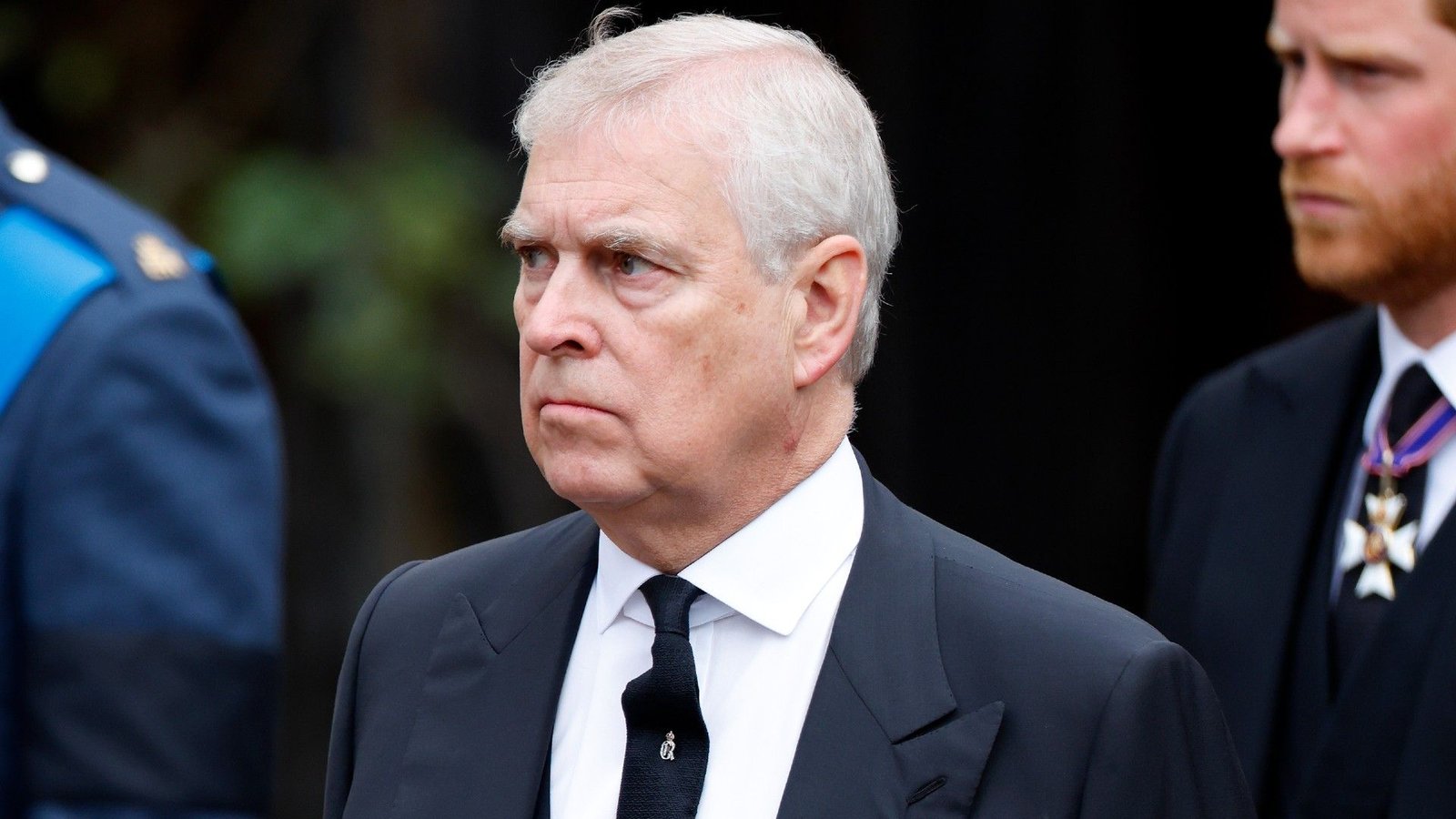
The curtain has finally fallen on one of the most turbulent chapters in modern royal history. Prince Andrew, long regarded as the monarchy’s most controversial figure, has now been cut loose by the royal family in a move that appears to complete his long and painful fall from grace. King Charles III and the Prince of Wales are believed to have reached a unanimous conclusion — that enough is enough.
Six years have passed since the Duke of York’s ill-fated 2019 interview with BBC journalist Emily Maitlis, an encounter that swiftly became one of the most damaging moments in royal public relations. Attempting to defend himself over his friendship with the convicted sex offender Jeffrey Epstein, Andrew instead unleashed a storm of public outrage and humiliation. Within days, he stepped back from royal duties “for the foreseeable future,” lost his honorary military roles, and was forced to relinquish his charitable patronages.

Despite those humiliations, the prince clung tightly to his titles — Duke of York, Earl of Inverness, and Baron Killyleagh — as well as his prestigious position as Royal Knight Companion of the Order of the Garter. These were honours bestowed upon him by his mother, Queen Elizabeth II, on the morning of his 1986 wedding to Sarah Ferguson. For a man who cherished his royal status, giving them up was unthinkable. Until now.
The palace confirmed on Friday that Prince Andrew will no longer use any of his titles or honours, effective immediately. The decision, framed publicly as his own, is understood to have been reached after months of quiet discussions within Buckingham Palace. Senior royal aides reportedly concluded that the continuing controversies surrounding Andrew posed an unacceptable risk to the reputation and integrity of the monarchy.
The final push appears to have come after a week of damaging headlines. Leaked emails suggested Andrew may have remained in contact with Epstein months after claiming to have severed ties with him. In one exchange, the prince allegedly referred to the publication of a photo of himself with Virginia Giuffre — the woman who accused him of sexual assault — saying they were “in this together.” He has always denied having any sexual contact with Giuffre, who died earlier this year at the age of 41, and maintains he never met her, despite paying a multimillion-pound settlement in 2022 to resolve a civil case in the United States.
Further embarrassment came when reports linked Andrew to the collapsed China spy case. It emerged that between 2018 and 2019 he had met multiple times with Cai Qi, a senior member of the Chinese politburo at the centre of the espionage scandal. One of those meetings allegedly took place at Buckingham Palace itself. Although no wrongdoing has been proven, the association was another blow to an already fragile reputation.
Behind closed doors, the pressure on Andrew mounted. King Charles’s patience, royal insiders say, had worn thin. The king, preparing for his historic visit to the Holy See next week — where he will become the first English monarch since Henry VIII to pray publicly with the Pope — reportedly wanted no distractions. Senior courtiers feared that renewed focus on Andrew’s past would overshadow this significant royal engagement.
Friday’s announcement was presented as a voluntary act, but few doubt that the decision came directly from the top. Removing a royal dukedom by force would have required an act of Parliament, something the palace was eager to avoid. Instead, Andrew’s “agreement” to cease using his titles provides a face-saving compromise — one that spares the monarchy a political spectacle while delivering the outcome it needed.
The move leaves the prince in a strange constitutional limbo. He remains a prince by birth and eighth in line to the throne, a position that cannot be revoked without a change in law. Technically, he also remains a Counsellor of State — one of the royals who could act in the king’s stead if required — but the palace has already confirmed that, as a non-working royal, he will never be called upon to serve in that role. His royal life, in practice, is over.
For Andrew, this latest humiliation marks the end of any realistic hope of returning to public life. Sources close to the family say he will not be invited to join the royal family’s Christmas gathering this year, nor will he participate in official engagements. He is expected to spend most of his time at his Windsor residence, leading a private and largely secluded existence.
The public response to the announcement has been broadly supportive. Recent polls show that the vast majority of Britons believe Andrew should have his remaining titles removed entirely. The decision has been interpreted by many as a necessary step to protect the integrity of the monarchy at a time when it faces increasing scrutiny and demands for transparency.
Historically, the removal of a royal dukedom is almost unprecedented. The last time it happened was in 1919, when Prince Charles Edward, Duke of Albany and grandson of Queen Victoria, lost his title for fighting on the German side during World War One. For Charles, taking such a drastic measure against his own brother must have been emotionally difficult, yet observers believe it demonstrates the king’s resolve to protect the institution above all else.

Andrew’s downfall has been one of privilege, denial, and slow-moving consequence. Once celebrated as a war hero who served with distinction in the Falklands, he has now become a cautionary tale of what happens when entitlement and scandal collide. His attempts to clear his name have only deepened public scepticism, while his failure to show contrition has alienated even those once sympathetic to him.
For the monarchy, this move represents both an ending and a new beginning. It sends a clear message that no individual, however royal, stands above the institution or the values it seeks to represent. The decision to finally cut ties with Andrew may not erase the damage done, but it signals a determination to restore dignity and accountability to the royal household.
As the royal family looks ahead to a new era under King Charles’s reign, the long and troubled saga of Prince Andrew appears to have reached its final act. For the Duke of York — now a title he can no longer use — it is a sobering conclusion to a life once defined by privilege, now overshadowed by scandal and regret.
Related News:
 Commons Speaker Warns UK Parliament Vulnerable to Foreign Espionage After China-Linked Case Dropped
 UK Police to Gain New Powers to Manage Repeated Protests, Home Office Announces
 Asylum Seeker Accused of Walsall Murder Seen Elated Post-Attack
 UK Asylum Reforms: Temporary Refugee Status and Faster Deportations
 Mahmood Announces Temporary Refugee Status Plan
 Minister Defends Tough New Asylum Reform Plan
 UK Net Migration Falls Sharply After ONS Revisions
 Court to Hear Challenge to Wimbledon Expansion Plan
 Serial Rapist and Former Cop Found Guilty Again
 Peers Get Extra Time to Debate Assisted Dying Bill
 Man Arrested Over Manchester Synagogue Terror Attack
 Second homes curbs quashed in Gwynedd legal ruling
 Twelve Prisoners Released in Error, Two Still Missing
 Trump Administration Dismisses 17 Immigration Judges, Sparking Debate Over Judicial Independence
 Tasers Introduced in UK Prisons to Combat Rising Violence and Protect Staff
 Northern Ireland Family of Three Shot Dead in Maguiresbridge Home Incident
 Supreme Court Ruling on Car Finance Scandal Poised to Impact Millions of Motorists and Banks
 Targeted Attack in Bury Sparks Murder Investigation as Community Awaits Justice
 Man Remanded After Children Fall Ill at Leicestershire Summer Camp in Shocking Child Cruelty Case
 Prison System Faced Collapse Under Sunak’s Leadership, Reveals Damning Review
 AI Revolutionises Grooming Gang Investigations as Police Target Cold Cases Across England and Wales
 Diane lost her husband to a reckless driver — and the long wait for justice was nearly just as agonizing.
 Mystery Wallaby Spotted on Norfolk-Suffolk Border Sparks Police Appeal
 Manchester Airport Faces Delays After EasyJet Planes’ Wings ‘Clip’ on Runway
 Inquest Finds Agency Worker Failings Led to Unlawful Death of Vulnerable 14-Year-Old
 UK Weather: Heat Alerts Extended as Temperatures Set to Reach 30°C This Weekend
 Access to Iconic Cornish Beach Cut Off by National Trust Amid Safety Concerns
 Aston Villa Under Pressure as Newcastle Take on Hosts in Premier League Opener
 Where Is Prince William and Kate Middleton’s New House? Inside the Historic Lodge Set to Become Their ‘Forever Home’
 Merseyside Police Helicopter Crew Cleared After Low-Altitude Pursuit of Suspect
 High Court Rules Against Noel Clarke in Libel Case Against Guardian Publisher
 Tanni Grey-Thompson Faces Abuse Over Opposition to Assisted Dying Bill
 UK Launches Major Crackdown on Networks Profiting from Online Child Sexual Abuse
 Mahmood Pledges Reform of Modern Slavery Laws After Court Blocks Deportation Appeal
 Aston Villa Fight Back to End Winless Run with Convincing Victory over Fulham
 Migrants in UK May Need to Contribute or Face Removal, Home Secretary Signals
 No Evidence Found to Substantiate Alleged Rape in Oxfordshire Churchyard, Police Confirm
 Arsenal Edge Past West Ham Amid Injury Concerns
 Digital ID Plans Ignite Debate Over £600m Treasury Tax Boost and Privacy Concerns
 Women Challenge Meta Over Targeted Ads After Miscarriage
 Former Premier League Referee David Coote Pleads Guilty to Child Image Offence
 Ange Postecoglou’s Naivety Premier League Misadventure Ends
 Lisbon Transport Board Resigns After Deadly Funicular Crash
 Gibbs-White Inspires Forest to Thrilling Win Over Porto
 Go Ahead Eagles Shock Aston Villa as Buendía Misses Late Penalty
 Manchester United triumph as Mbeumo brace seals thrilling win
 Fabio Wardley stuns Joseph Parker to earn Usyk title shot
 Lotto result jackpot draw halted due to technical glitch
 Prince Andrew May Leave Royal Lodge for Frogmore Cottage
 Man Trapped in Quicksand Rescued in Dramatic Coastal Rescue
 Hospice Cuts Raise Alarm Across England Amid Funding Crisis
 Johnson Approved China’s London ‘Super-Embassy’ in 2018
 Zarah Sultana Launches Party to Change Politics
 Ex-Army Sergeant Jailed for Assault on Soldier Who Later Died
 Dyche Criticises Corner Decision as Forest Draw with United
 Just Stop Oil Protesters Convicted Amid Climate Defence Row
 Newcastle United Lifts Ban on Fan Over Gender-Critical Views
 King Charles to Lead Nation in Remembrance Sunday Service
 Government urges schools to ban phones to curb classroom disruption
 Seven Conditions That Automatically Qualify You for a Free Bus Pass
 Mary Earps’s Manchester United Return Faces Mixed Reception
 Sam Kerr Stars in Chelsea Return with Champions League Double
 This kid is something else: Alex Scott’s rise to England call-up
 Pop Stars Call on UK Government to Cap Resale Prices for Fans
 Son Reveals UK Couple in Iran Resort to Hunger Strike for Help
 Pressure Mounts on Starmer to Sack Chief of Staff Over Briefing Row
 Peers Flood Assisted Dying Bill with 942 Amendments
 US Justice Department Files Lawsuit Against California Over Partisan Voting Maps
 Former Lion Heskey Warns of Shortage of England Strikers
 UK Asylum Overhaul Sparks Debate Over Human Rights and Deportations
 Mother Watches in Horror as Teen Daughter Dies on Tracks
 South African Detained After Neo-Nazi Rally in Australia
 Commuters warned as yellow snow and ice alert hits Northern Ireland
 Rama Rebukes Mahmood for Targeting Albanian Families
 Millions Face Higher Taxes Under Reeves New Budget
 Planned Palestinian Flag Raising at Belfast City Hall Faces Delay Amid Legal Concerns
 Machynlleth High Street Left Without Christmas Lights
 Search underway for British man overboard off Tenerife
 Virgin Media Fined £23.8m Over Telecare Safety Failures
 Indonesia to Repatriate Two Dutch Drug Convicts