Published: 28 October 2025. The English Chronicle Desk. The English Chronicle Online.
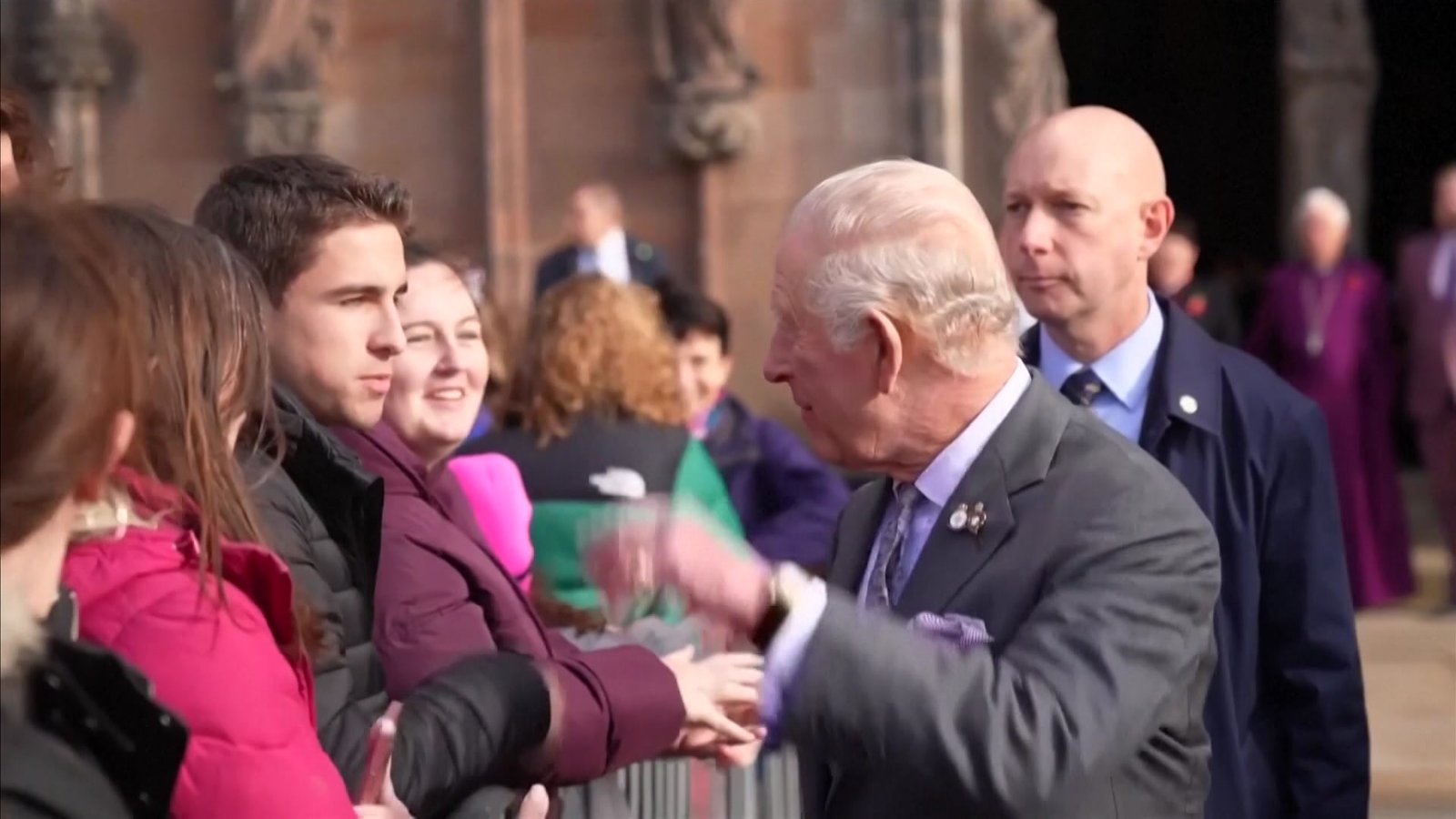
King Charles faced an unexpected and uncomfortable moment during his visit to Lichfield Cathedral in Staffordshire on Monday, when a protester publicly challenged him about his brother Prince Andrew’s connections to the late convicted sex offender Jeffrey Epstein. As the monarch shook hands with members of the public, the individual raised pointed questions about whether Charles had intervened in police matters concerning Andrew, and whether Parliament should have the authority to debate issues relating to the royal family.
In footage of the incident, the protester can be heard shouting: “How long have you known about Andrew and Epstein? Have you asked the police to cover up for Andrew? Should MPs be allowed to debate the royals in the House of Commons?” The video, which circulated widely on social media soon after the event, drew immediate attention and reignited discussions about the royal family’s handling of controversial allegations and their accountability to the public.
King Charles did not respond to the protester’s questions, maintaining his composure as the crowd surrounding him intervened, telling the heckler to “go away” and “shut up.” Observers noted that while the incident was brief, it highlighted the continuing scrutiny that the British monarchy faces, particularly in relation to Prince Andrew’s long-standing legal and reputational challenges.

The protest comes amid renewed public focus on Prince Andrew, who has been at the center of controversy over his friendship with Epstein, the American financier and convicted sex offender who died in prison in 2019. The issue resurfaced recently following the publication of posthumous memoirs by Virginia Giuffre, one of Andrew’s sexual assault accusers, who has consistently alleged misconduct by the prince. Andrew has repeatedly denied all claims of wrongdoing, but public interest in the case remains high, particularly as new details from court documents, investigative reporting, and personal testimonies continue to emerge.
Legal experts and royal commentators suggest that incidents like the one at Lichfield Cathedral illustrate the wider challenge faced by the monarchy: balancing traditional ceremonial roles with intense media scrutiny and public expectations for accountability. While King Charles has historically avoided public commentary on his family’s personal legal matters, the protest underscores the tension between royal privacy and the public’s demand for transparency.
The episode also reflects broader societal debates in the UK over the role of the monarchy in modern governance. Questions about the accountability of royals to elected officials, and whether members of the royal family should be subject to parliamentary debate, have gained prominence as high-profile cases such as the Epstein affair place the monarchy under renewed ethical and legal scrutiny. The heckler’s reference to parliamentary oversight signals a segment of public opinion that seeks greater transparency and systemic checks on royal privileges.
Observers noted that the King’s decision to remain silent was consistent with established protocol. Historically, the British monarchy has maintained a policy of political neutrality and avoids commenting on ongoing legal matters, both to protect the institution and to avoid interference in the judicial process. By not responding, Charles ensured that the event did not escalate, while still demonstrating poise in the face of direct questioning about a sensitive and controversial issue.
In the weeks leading up to the Lichfield visit, Prince Andrew has continued to face media attention regarding his association with Epstein. His legal team has sought to manage public perception and defend his reputation, arguing that prior allegations are either unsubstantiated or legally resolved. Nevertheless, the circulation of Virginia Giuffre’s posthumous memoirs has added momentum to public interest, prompting renewed scrutiny of both Andrew’s actions and the royal family’s handling of the situation over the years.
Royal historians note that the British monarchy has faced public challenges of a similar nature in the past, but the digital age amplifies every incident, comment, and protest. Social media platforms, 24-hour news cycles, and viral video clips ensure that moments like the Lichfield heckling are viewed, shared, and debated by millions within hours. This phenomenon intensifies the pressure on both the King and his family to navigate public sentiment carefully, while still maintaining the dignity and ceremonial responsibilities expected of the institution.
Some commentators argue that the protester’s questions reflect a genuine desire for accountability, while others emphasize that public confrontations at ceremonial events are not the appropriate forum for resolving complex legal or ethical matters. Nevertheless, the episode demonstrates the evolving relationship between the monarchy and the public, highlighting the growing expectation that senior royals acknowledge and address controversies in ways that balance transparency with their constitutional roles.
In addition to the immediate public reaction, the incident has prompted political commentary. Several members of Parliament have reiterated calls for a review of the monarchy’s privileges, including its immunity from certain forms of public scrutiny. While these debates are long-standing, incidents like the Lichfield heckling provide fresh impetus for discussions about the limits of royal immunity and the mechanisms through which citizens can seek accountability for the actions of royal family members.

Ultimately, the episode at Lichfield Cathedral underscores a broader tension at the heart of modern British society: the challenge of upholding longstanding traditions while responding to contemporary expectations for transparency, ethics, and accountability. King Charles’ handling of the protest, by maintaining composure and adhering to protocol, demonstrates a careful balancing act between personal restraint, institutional stability, and public accountability.
For Prince Andrew, the incident is another reminder of the persistent public and media scrutiny surrounding his actions and associations. While legal matters continue to unfold and debates persist, the royal family remains acutely aware of the reputational risks posed by ongoing controversies. Every public appearance, from ceremonial visits to informal engagements, is now likely to be evaluated through the lens of these ongoing discussions, with questions about Epstein and alleged misconduct remaining highly salient for both citizens and commentators alike.
In conclusion, the Lichfield Cathedral protest illustrates the enduring impact of high-profile controversies on the British monarchy. It highlights the challenge of maintaining public trust while navigating complex legal and ethical issues involving senior royals. King Charles’ composed response, combined with the ongoing legal and reputational challenges faced by Prince Andrew, reflects a delicate balance between ceremonial duty, family loyalty, and public scrutiny — a balance that the monarchy will continue to negotiate in the years ahead.
Related News:
 Prince Harry Cleared of Bullying Allegations Amid Charity Dispute Fallout
 Close Friend of Princes William and Harry Faces Delicate Godparent Decision
 Prince Harry Meets King Charles in First Private Encounter in 19 Months
 George and Amal Clooney Celebrate Global Human Rights Champions at Star-Studded Albies
 Sussexes Warn on Children’s Phone Use Echoing Princess of Wales
 Admiral of the Fleet Sir David Bathurst Dies Aged 89
 Prince Andrew May Leave Royal Lodge for Frogmore Cottage
 Prince Andrew Stripped of Title: Giuffre Family Hails Historic Moment
 Prince William Plants Trees with Brazil’s Nature Heroes
 Oprah enjoys Meghan’s jam on English muffins
 Second world war veterans honoured as King leads Remembrance Sunday
 The Debate Over Princess Beatrice and Eugenie’s Royal Status Intensifies
 Princess of Wales Hosts Festive Christmas Service at Abbey
 The Ketamine Crisis in the UK is a Silent Epidemic Leaving Users with Lifelong Pain
 Wethersfield Controversy Deepens as Asylum Seeker Numbers Set to Surge by 50%
 Heartbreak in the New Forest as Shetland Ponies Vanish, Community on Edge
 Russell T Davies Warns of Declining UK Gay Rights Amid Rise of Reform UK and Trump Influence
 Alarming rise in abusive teen relationships in the UK sparks urgent warnings
 Where Is Prince William and Kate Middleton’s New House? Inside the Historic Lodge Set to Become Their ‘Forever Home’
 Shocking Rise in Children’s Exposure to Violent Online Pornography Raises Alarm
 Human Remains Discovered in Lancashire May Be Those of Children, Police Say
 Why E-Bikes and E-Scooters Are Making Streets a ‘Nightmare’ for Blind People
 London to Regulate Pedicabs: Music Turned Down, Fares Set by the Minute
 UK Retail Sales Rise in August, but Tax Concerns Loom Over Festive Period
 Birmingham Bin Strike Enters Sixth Month as Negotiations Stall
 Over 40% of Private Renters Forced to Ration Energy to Afford Bills, Study Reveals
 One in Three GPs in England Do Not Work in NHS, Raising Concerns Over Access to Care
 Persistent Offenders Owe Over £700m in Ulez Fines as TfL Cracks Down on Evasion
 UK Doctors Guilty of Sexual Misconduct Continue Practising Amid Weak Sanctions, Research Finds
 Northern Ireland Faces Fears of Prolonged Race Riot “Permacrisis”
 Zarah Sultana Seeks Legal Action After Bitter Clash with Jeremy Corbyn Over Party Membership Funds
 Scottish Teenager’s Petition on Single-Use Plastics Gains Parliamentary Support
 White Low-Income Pupils in England Show Lowest Levels of School Engagement, Study Finds
 Ed Miliband Warns UK Government on X, Citing Elon Musk as a “Dangerous Influence”
 A Third of EU Citizens in UK Report Discrimination by Public Bodies Post-Brexit
 UK households brace for October benefit payments and rising energy costs amid cost-of-living pressures
 Jilly Cooper: The Bonkbuster Queen Who Redefined Romantic Fiction
 Massive London Poundland Fire Engulfs High Street
 Women Challenge Meta Over Targeted Ads After Miscarriage
 Prince Andrew told Epstein “we are in this together”
 £18 Prostate Cancer Test Could Save Thousands of Lives
Prince Andrew steps aside as royal succession shifts
£18 Prostate Cancer Test Could Save Thousands of Lives
Prince Andrew steps aside as royal succession shifts
 Son of ex-England footballer dies in tractor crash
Giuffre’s bombshell memoir names Prince Andrew 88 times in shocking revelations
Son of ex-England footballer dies in tractor crash
Giuffre’s bombshell memoir names Prince Andrew 88 times in shocking revelations
 Real living wage set to rise nearly 7% for UK workers in 2026
 Harry and Meghan join global AI leaders urging superintelligence ban
 One in 12 Secondary Pupils Sent to Isolation Weekly
 M&S and Morrisons Lead Christmas Supermarket Taste Test
 William Steps Up Over Prince Andrew Palace Response
 UK Health Leaders Push for Urgent Tobacco & Vape Bill
 Army Barracks to House Migrants as Hotels Phase Out
 Hospice Cuts Raise Alarm Across England Amid Funding Crisis
 UK Woman Loses Child Benefit After Booking Flight She Never Took
 UK launches search for first-ever ‘town of culture’ to highlight overlooked areas
 Mass Stabbing on Doncaster to London Train Leaves Ten Injured
 Children to Learn Local History in Major Curriculum Overhaul
 The Lowry Hotel: Manchester’s Iconic Five-Star Retreat
 Greta Thunberg Backs Student Facing UK Visa Revocation
 Earl of Yarmouth Faces £1.3m Legal Bill Over Family Estate
 Jailed UK climate protesters face extremist-style restrictions
 King Charles to Lead Nation in Remembrance Sunday Service
 How to get help when a child goes missing – call 999 urgently
 ‘Reckless’ cuts to victims’ services will cost more than they save
 UK toy market enjoys bumper year as ‘kidults’ fuel demand
 Politics latest: Starmer ‘will fight any leadership coup’ as Streeting denies attempt to oust Labour PM
 Son Reveals UK Couple in Iran Resort to Hunger Strike for Help
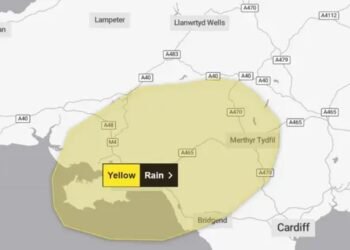 New weather warning issued with risk of flooding
 Mum Calls for New Licence Rules After Teen Road Death
 £1 Breakfast Club Brings Parents Together in Sheffield
 Mother Watches in Horror as Teen Daughter Dies on Tracks
 ‘Traumatic Wait’: Northern Ireland Women Face Breast Cancer Delays
 Commuters warned as yellow snow and ice alert hits Northern Ireland
 Kate Forbes: Motherhood Harder Than Politics
 Coffins Now Too Large to Cremate Amid Rising Obesity Crisis
 Labour MP claims devolution bill is ‘blatant discrimination’ against Cornwall
 Fibromyalgia Patients Struggle as NHS Fails to Provide Care
 Machynlleth High Street Left Without Christmas Lights
 Search underway for British man overboard off Tenerife
 “Enough is Enough”: Local MP Vows to Fight Rainham Quarry Plans
 Virgin Media Fined £23.8m Over Telecare Safety Failures