Published: 02 November 2025. The English Chronicle Desk. The English Chronicle Online.
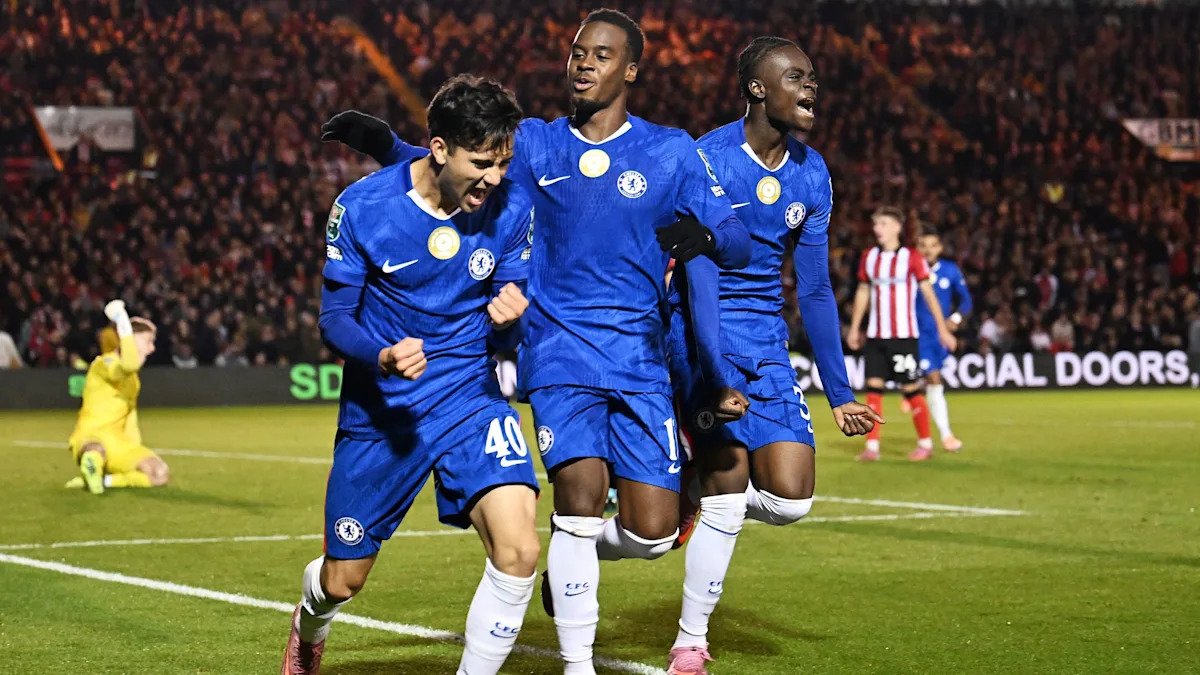
Chelsea secured a narrow 1-0 victory over Tottenham Hotspur at Tottenham Hotspur Stadium on Saturday, leaving Spurs exposed and highlighting the ongoing challenges within Thomas Frank’s squad. The decisive moment came courtesy of Moisés Caicedo, whose relentless pressing and defensive acumen proved decisive in a game defined by disorder, intermittent bursts of action, and sporadic chaos.
From the first whistle, the contest had a disjointed, almost hypnotic quality, reminiscent of a frenetic street brawl where energy is expended continuously yet nothing fully materialises. Spurs frequently appeared trapped in cycles of backward passing and hesitant movement, while Chelsea capitalised on turnovers and defensive lapses with greater structure and discipline. Despite the frenetic nature of the game, it was Caicedo’s intervention that cut through the confusion, exemplifying the impact a single decisive player can have in chaotic circumstances.

The match’s defining sequence began with Tottenham midfielder Xavi Simons, whose attempted pass to Micky van de Ven near his own goal was intercepted by Caicedo. Demonstrating remarkable strength and focus, the Chelsea midfielder navigated multiple challenges before laying the ball off to João Pedro, who calmly finished to give the visitors the lead. This goal, born from counterpressing and aggressive retrieval, underscored the only truly effective creative element in an otherwise muddled contest.
Caicedo’s performance was exemplary throughout, showcasing his ability to dominate broken play. Even in stoppage time, he repeatedly recovered possession under pressure, taking hits and bouncing back to maintain control. His display combined athleticism, timing, and spatial awareness, likening him to a one-man pursuit through obstacles reminiscent of an action hero on a relentless mission. It was a masterclass in turning defensive diligence into offensive opportunity.
Tottenham, meanwhile, struggled to maintain cohesion. Despite entering the match in third place, the team displayed confusion in both attack and defence. Set-piece routines were disorganised, positional play inconsistent, and attempts to build sustained attacks repeatedly broke down. The team’s performance suggested a lack of rhythm and tactical clarity, highlighting the difficulties Frank faces in forging structure from a squad still adjusting to new strategies, recent managerial upheaval, and a congested fixture schedule.
The match was punctuated by unusual incidents that further disrupted Spurs’ rhythm. Lucas Bergvall suffered a concussion early on and had to leave the pitch, while fans threw objects—including empty miniatures and gloves—onto the field. Amid these distractions, Chelsea maintained their focus, demonstrating superior organisation and composure under pressure. Tottenham, in contrast, appeared increasingly unsettled, with communication issues apparent both among players and between the coaching staff and the squad.
Spurs’ ongoing structural challenges were laid bare. Frequent managerial changes over the past five years, coupled with inconsistent recruitment and significant summer expenditure on two high-profile attackers, have left the team without a clear identity. The mismatch between investment, infrastructure, and squad performance was evident throughout the contest, as Tottenham repeatedly failed to exploit the advantages afforded by their world-class stadium and squad resources.
Chelsea, by contrast, improved to fifth place in the Premier League, demonstrating the benefits of tactical discipline, counterpressing, and efficient use of opportunities. Their victory in this gritty, not-quite-local London derby reflected both the technical ability and mental fortitude required to succeed against a talented but disjointed opponent. The team’s ability to maintain structure in a chaotic game emphasized the difference between coherent tactical execution and a squad still struggling to find cohesion.
The broader takeaway from the match was a stark contrast between the Premier League’s best-assembled squads and those still searching for identity. Tottenham, despite their standing in the table, resembled a half-finished project—disjointed, inconsistent, and lacking both fluidity and communication. Chelsea’s performance, while not perfect, highlighted how a cohesive approach, even in challenging circumstances, can secure results.
Spurs’ struggle was not confined to the field. Off-pitch pressures—including financial investment, squad management, and the expectations of fans and stakeholders—add layers of complexity to Frank’s task. Integrating new players, instilling tactical discipline, and generating coherent attacking patterns under the pressure of regular fixtures is proving a formidable challenge. The team’s inability to adapt effectively against Chelsea suggests that more fundamental issues, including strategic planning and squad balance, must be addressed if they are to compete consistently at the top of the league.

Meanwhile, Chelsea’s victory underscored the value of individual brilliance within a disciplined framework. Caicedo’s contribution exemplified how one player, through focus, energy, and precise execution, can transform a chaotic situation into a match-winning opportunity. The win also highlighted the importance of adaptability, defensive resilience, and tactical awareness in a league where minor errors can dictate outcomes.
In conclusion, Chelsea’s 1-0 win over Tottenham provided a window into the state of both clubs. For Chelsea, it reinforced the advantages of tactical cohesion, pressing intensity, and individual skill applied within a structured system. For Tottenham, it exposed persistent issues—fragmented communication, tactical incoherence, and uncertainty in squad identity—that must be addressed if they are to maintain their position among the league’s top teams. As the Premier League season unfolds, the contrast between coherent, disciplined sides and disjointed, underprepared teams will continue to shape results, league positions, and the narratives that define the competition.
Related News:
 Dyche Criticises Corner Decision as Forest Draw with United
 Mary Earps’s Manchester United Return Faces Mixed Reception
 Sam Kerr Stars in Chelsea Return with Champions League Double
 This kid is something else: Alex Scott’s rise to England call-up
 Former Lion Heskey Warns of Shortage of England Strikers
 Rookie Driver Hollie McRae Flips Car but Walks Away Safe
 Aston Villa Under Pressure as Newcastle Take on Hosts in Premier League Opener
 Tottenham Make Three Changes as Spurs Prepare to Host Burnley in Premier League Opener
 Manchester City Announce Their Return in Style with Haaland Double and Debut Goals at Wolves
Manchester City Dominate Burnley 5-1 as Haaland’s Brace Secures Vital Win
Manchester City Announce Their Return in Style with Haaland Double and Debut Goals at Wolves
Manchester City Dominate Burnley 5-1 as Haaland’s Brace Secures Vital Win
 Aston Villa Fight Back to End Winless Run with Convincing Victory over Fulham
 Arsenal Edge Past West Ham Amid Injury Concerns
 Ange Postecoglou’s Naivety Premier League Misadventure Ends
 Barnes Inspires Newcastle to Champions League Triumph Over Benfica
City shine with PlayStation-style football to overwhelm Villarreal
Barnes Inspires Newcastle to Champions League Triumph Over Benfica
City shine with PlayStation-style football to overwhelm Villarreal
 Gibbs-White Inspires Forest to Thrilling Win Over Porto
 Go Ahead Eagles Shock Aston Villa as Buendía Misses Late Penalty
 Manchester United triumph as Mbeumo brace seals thrilling win
 Fabio Wardley stuns Joseph Parker to earn Usyk title shot
 Tottenham shine at Everton but Frank wary of title push
 Hospice Cuts Raise Alarm Across England Amid Funding Crisis
 Sarr Double Sinks Young Liverpool in Carabao Cup
 Nwaneri and Saka Secure Arsenal Win Over Brighton
 Woltemade Hot Streak Fires Newcastle Past Spurs
 Kieffer Moore Hat-Trick Ends Coventry’s Unbeaten Run
 Salah & Gravenberch Lead Liverpool to Win Against Villa
 Granit Xhaka Rescue Earns Everton Draw at Sunderland
 Millions of Brits Adjust Lifestyle to Afford Essentials
 Liverpool Edge Real Madrid 1-0 in Champions League Thriller
 Van de Ven Stunner Lifts 10-Man Spurs to UCL Glory
 Burn and Joelinton Head Newcastle to Victory Over Bilbao
 Foden shines as Man City dismantle Dortmund in dominant display
 Garnacho Spares Chelsea From Shock Champions League Loss in Baku
 Who is Rama Duwaji? What Zohran Mamdani’s wife has said about Gaza and ICE as he’s elected NYC mayor
 Tension and Turmoil at Aston Villa v Maccabi Match
 Bellingham has ‘the edge’ among England No 10s
Man City Masterclass on Guardiola’s Milestone Day Exposes Liverpool Woes
Bellingham has ‘the edge’ among England No 10s
Man City Masterclass on Guardiola’s Milestone Day Exposes Liverpool Woes
 Lando Norris Dominates Brazil GP to Strengthen F1 Title Bid
 England cannot afford to be in awe of the All Blacks, warns Jamie George
 Stephen Fry backs SafeCall to protect missing children
 VAR Must Rein Its Neck In to Save Football’s Spirit
 Trescothick Hints Pope Will Keep Number Three Spot
 Ronaldo Confirms Final World Cup and Plans Retirement
 Son Reveals UK Couple in Iran Resort to Hunger Strike for Help
 Two in Three Women in UK Armed Forces Report Harassment
 UK Asylum Reforms: Temporary Refugee Status and Faster Deportations
 Mother Watches in Horror as Teen Daughter Dies on Tracks
 Germany and Netherlands Confirm Places in 2026 World Cup
 Minister Defends Tough New Asylum Reform Plan
 Commuters warned as yellow snow and ice alert hits Northern Ireland
 UK Vulnerable to Attack, Defence Committee Finds
 Haiti Qualifies for World Cup Despite Coach Never Visiting Country
 Rama Rebukes Mahmood for Targeting Albanian Families
 Russian Vessel Used Lasers on RAF Pilots, UK Claims
 MP Offers Seat to Help Burnham Challenge Starmer
 Serial Rapist and Former Cop Found Guilty Again
 Scotland Fans Celebrate Historic World Cup Qualification
 Major League Baseball Scores New Broadcast Deals Through 2028
 TikTok Star Jessie Yendle Mocked by KFC
 UK Energy Bills to Rise Slightly in January
 Moyes Defends Gueye After Dramatic Everton Bust-Up
 English Mayors Set to Introduce Tourist Taxes
 Ex-Classmate Accuses Farage of Dishonesty on Racism Claims
 Millions Face Higher Taxes Under Reeves New Budget
 Peers Get Extra Time to Debate Assisted Dying Bill
 Planned Palestinian Flag Raising at Belfast City Hall Faces Delay Amid Legal Concerns
 Kids Football Coach Removed Over Suspected ‘Drugs Menu’
 Sudanese Family Vows to Stay After Racist Graffiti
 Mbappe Scores 4 as Real Madrid Edge Olympiakos
 Man City Lose, Champions League Risk
 Gerrard warns Liverpool’s terrible run could worsen
 Machynlleth High Street Left Without Christmas Lights
 Government righting decades-old injustice for miners
 Second homes curbs quashed in Gwynedd legal ruling
 Jac Morgan to Miss Six Nations Start After Surgery
 Search underway for British man overboard off Tenerife
 Alexander Isak ends drought as Liverpool stop rot with win at West Ham
 Mbappe rescues Real Madrid with a penalty at Girona
 Barcelona, Atletico set for decisive La Liga showdown
 Maxwell withdraws from IPL 2026 after 13 seasons