Published: 07 January 2026. The English Chronicle Desk. The English Chronicle Online.
The Trump administration has intensified its Minnesota immigration surge, sending more agents across the state. This latest immigration surge marks the largest deployment of federal agents in Minnesota history, according to officials, targeting individuals suspected of fraud or undocumented status. Local communities have expressed growing concern, warning that the immigration surge is causing fear among residents, including legal citizens, as authorities increase enforcement efforts. Minnesota’s governor criticized the surge, calling it a disproportionate attack on the state and its immigrant populations.
Federal authorities confirmed that this immigration surge is part of Operation Metro Surge, which began in early December, aiming to investigate social service fraud and apprehend undocumented residents. Officials from the Department of Homeland Security emphasized the immigration surge would involve both ICE and Homeland Security Investigations officers. Reports indicate the operation is designed to identify individuals engaged in criminal activity while also reviewing cases of fraud.

Todd Lyons, acting director of ICE, described the ongoing immigration surge in Minneapolis as the “largest operation ever,” highlighting the agency’s commitment to targeting criminal illegal aliens. DHS communications show videos of arrests in Minneapolis, including one man from Ecuador wanted for serious crimes in his home country. Homeland Security Secretary Kristi Noem was also present during these operations, underscoring the administration’s focus on Minnesota.
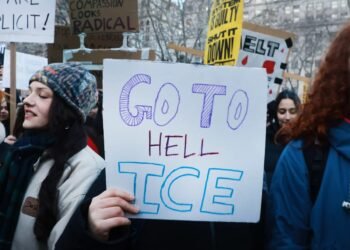
Community leaders have expressed strong opposition to the immigration surge, noting that many immigrants are avoiding public spaces for fear of arrest. Local protests have arisen in response to the federal enforcement actions, with residents challenging ICE’s authority to conduct door-to-door visits at companies suspected of employing undocumented workers. Critics argue that the immigration surge unfairly targets Minnesota’s large Somali population, most of whom are US citizens.
Governor Tim Walz condemned the action, calling it a “war being waged against Minnesota” and denouncing what he described as a petty and vindictive federal approach. He emphasized the negative impact on families and local businesses, warning that the state faces unprecedented federal pressure. Meanwhile, ICE officials insist that the operation targets only criminal offenders and those involved in social service fraud, despite growing public backlash.
Legal experts and immigrant advocacy groups have raised concerns over federal operations, arguing that they may violate due process rights and increase fear among law-abiding residents. The operation highlights ongoing tensions between federal immigration authorities and sanctuary policies in Minnesota. Residents report that these actions have altered daily routines, with many avoiding grocery stores, medical appointments, and community events to evade possible federal encounters.
This latest operation has reignited debates over federal enforcement priorities, particularly regarding the focus on fraud cases and undocumented populations. Analysts suggest that Minnesota’s Somali community may face heightened scrutiny due to political narratives surrounding recent social service fraud allegations. DHS officials, however, maintain that the actions are part of a lawful, targeted effort to address criminal activity and social services abuse.

The Trump administration’s Minnesota immigration surge appears set to continue, with authorities maintaining a strong presence across the state. While federal agencies argue the surge is essential for law enforcement, local residents, leaders, and advocacy organizations emphasize its disruptive and intimidating effects. The ongoing tension underscores broader national debates over immigration enforcement, sanctuary policies, and the balance between public safety and civil liberties.
As Minnesota navigates the impact of federal operations, community members are calling for dialogue and legal safeguards to protect residents. While ICE and DHS highlight the necessity of their actions, critics warn that these measures risk deepening fear and mistrust within Minnesota’s diverse communities. Observers suggest that the state’s political, legal, and social landscapes may be permanently affected by the sustained federal presence.
The immigration surge in Minnesota reflects a continuing national pattern of aggressive federal enforcement, particularly in regions with high immigrant populations. As the situation unfolds, residents, policymakers, and advocacy groups will closely monitor the effects of the immigration surge, debating both its legality and social consequences. Federal officials maintain their commitment to targeting criminal illegal aliens and fraud cases, but local leaders argue that the immigration surge disproportionately affects communities with deep-rooted immigrant populations.
Related News:
 Putin Intensifies Territorial Demands Before US Talks
 Trump to Recheck Green Cards from 19 Nations After DC Attack
 Greenland Faces Pivotal Summit Over Arctic Power Struggle
 Trump Threatens Strong Action If Iran Executes Protesters
 Trump Receives Machado’s Nobel Medal in White House Meeting
 EU Says US Ties Have Suffered ‘Big Blow’ After Greenland Crisis
 Thousands Protest ICE Operations in Nationwide US Day of Action
 Epstein Files Reveal Trump Officials’ Emails with Financier
 Thousands Protest ICE in New York Against Trump Deportation Campaign
 Trump Praises ‘Terrific’ Petro After White House Talks
 Clinton Testimony Erupts in Fiery Exchange
 Trump Faces Questions Over Iran Conflict Plan
 UK Prepares Aircraft Carrier for Middle East Crisis
 Pete Hegseth Iran War Remarks Spark Alarm
 Trump’s Harsh Rhetoric on Iran Sparks Global Alarm
 Trump Faces Crisis as Iran Reopens Hormuz Tensions
 Charles Faces Trump Test in High-Stakes US Visit
 UK Stands Firm on Falklands Amid US Rift
 US Court Ruling Reshapes Voting Rights Landscape
 US states redraw maps after voting rights ruling
 Trump orders US troop pullout from Germany
 Judge halts deportation of Yemeni refugees in US
 Trump likens US Navy actions to ‘pirates’
 Trump approval plunges amid Iran war fears
 Giuliani hospitalised in critical condition
 Ohio’s Battle for Trust: Democrats Vying to Flip the Buckeye State
 Trump Threatens UN Budget Cuts as US Pushes ‘Trade Over Aid’ Agenda
 Trump warns Iran as Middle East tensions surge again
 US ‘Narco Boat’ Strikes Draw Global Outcry
 Indiana Republicans Defy Trump in Key Vote Test
 US Court Restores Abortion Pill Access Temporarily
 Ohio Primaries Set Stage for Crucial Midterms
 Afghan Families Left in Limbo Face Risk of Deportation
 Tensions Emerge in Netanyahu-Trump Alliance
 US Awaits Iran Reply on New Ceasefire Proposal
 Hormuz Talks Near Critical Stage
 Trump’s Revenge Drive Deepens GOP Divide
 Former ICC prosecutor condemns US sanctions
 Gunman Killed After White House Security Shootout
 Trump Claims Iran Peace Deal Near Completion
 US Midterm Primaries: Democrats Target Key Republican Seats
 House Curbs Trump’s War Powers in Rare Rebellion
 Mystery Grows Over Mitch McConnell’s Health
 Senate Halts Defense Bill Over Iran Clashes
 Trump Jokes, Jabs and Press Tensions at WHCA Dinner
 Houthis Strike Saudi Arabia as Middle East Tensions Rise
 Is America Ready for an AOC Presidential Run?
 Trump dismisses concerns over 250-day carrier deployment
 BBC to Apologise Over Edited Trump Speech Amid Backlash
 Britain deploys RAF specialists to assist Belgium with drone threats
 Greene Pushes Epstein Files Amid Trump Fallout
 December Run-Off in Chile as Election Produces No Winner
 Canada Passes Carney’s First Budget in Tight Parliamentary Vote
 Shadow Fleet at Sea: Europe’s Battle Against Illicit Oil Shipping
 Georgians Defy Government Crackdown After Year of Protests
 US National Guard Member Killed in DC Shooting
 American Mother Extradited From UK to U.S. on Murder Charges
 Trump Policies Boost China’s Global Rise, Survey Finds
 Kyrsten Sinema Faces High-Profile Lawsuit Over Marriage Interference
 Iran unrest slows under brutal crackdown and global tensions
 AFP Reviews Pauline Hanson Comments
 California Democrats Vow Trump Reckoning
 Trump Tariffs Threat Spark UK and EU Alarm
 Trump’s Surgeon General Pick Evades Vaccine Questions
 The Dangerous Rise of Remigration Across Modern Europe
 US to offer passport services in West Bank settlements
 Iran Defiance Grows Amid US-Israel War Pressure
 Danish Election Deadlock Shakes Frederiksen’s Grip
 Pope Rebukes Leaders for War as Middle East Tensions Rise
 Army Probes Apache Flyover at Kid Rock’s Nashville Estate
 Italian Town Buys Mussolini Villa to Keep Away Fascist Fans
 Report Says Pezzullo Acted ‘Recklessly’ in Dealings
 Suspected Plot Targets Pipeline Before Hungary Vote
 Trump Defiant After Washington Hotel Shooting
 US green card applicants must apply from abroad, DHS says
 Discontent grows around Putin amid war strain
 DeSantis’s ‘Alligator Alcatraz’ Faces Final Shutdown
 Starmer Leadership Under Pressure After Setbacks
 US Courts Back Trump on Park Signage Removals
 Trump’s Mount Rushmore Speech: A Divisive Anniversary