Published: 16 January 2026. The English Chronicle Desk. The English Chronicle Online.
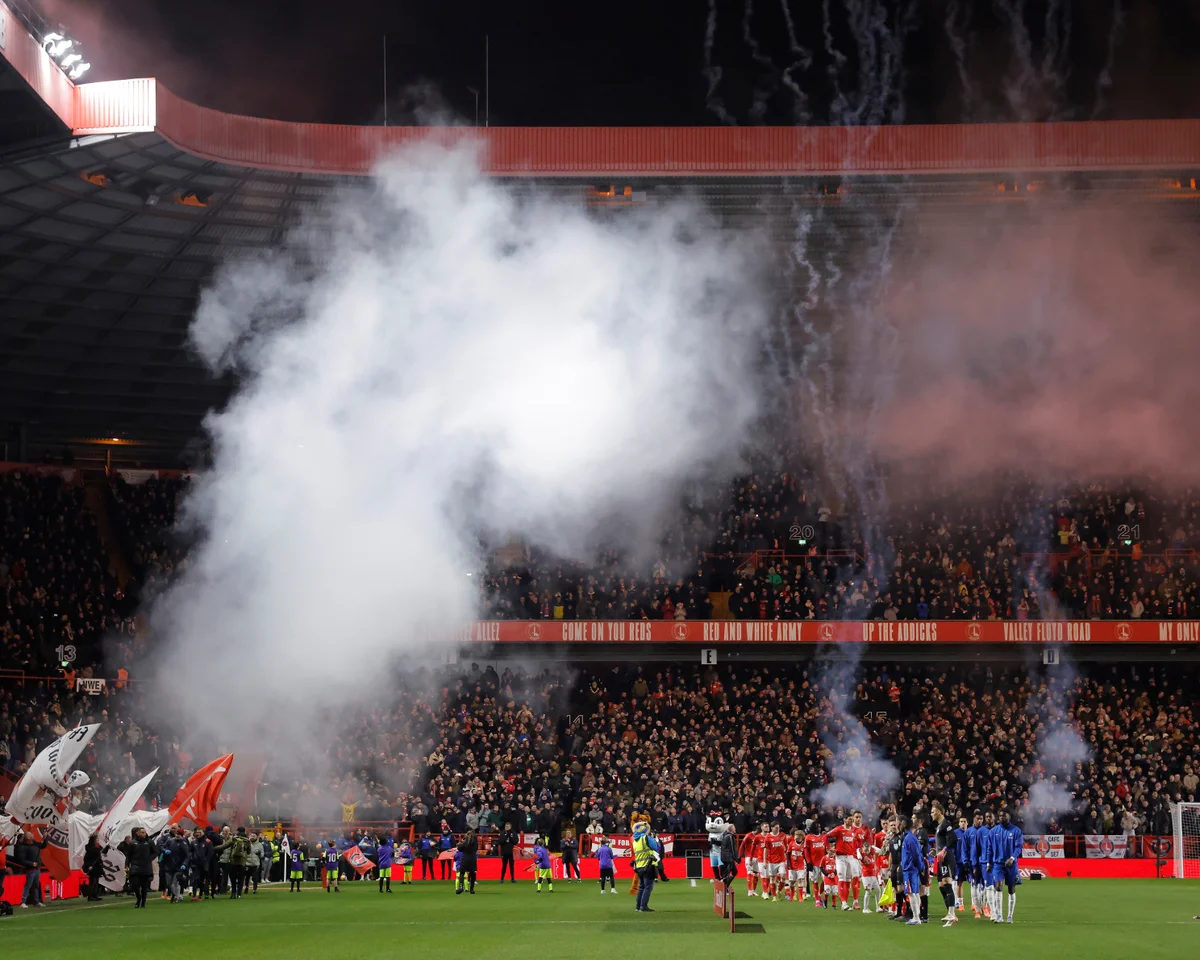
The Chelsea fans inquiry has been launched following complaints about policing after the FA Cup match at Charlton last Saturday evening. The Chelsea Supporters’ Trust (CST) raised serious concerns regarding how around 3,000 travelling fans were held outside the Valley without prior warning once the game ended in freezing conditions. The Chelsea fans inquiry quickly drew attention as CST highlighted the lack of clear communication from the police, unsafe holding areas, blocked routes causing confusion, and a forward surge after fans were finally released. Supporters described visible distress while being confined for nearly thirty minutes before leaving.
Dominic Rosso, chair of the CST, explained that supporters were not informed in advance about the potential post-match holdback, leaving them unprepared for the delays. He added that while operational challenges are understood, transparent communication is critical to maintaining trust and reducing frustration in high-pressure situations. As fans exited through the red gates onto Valley Grove, the presence of three police vans on the right misled many to turn left, sending hundreds into a poorly lit residential dead-end. Freezing temperatures and muddy conditions quickly became icy, causing slips, falls, and navigation difficulties. The absence of clear signage or stewarding worsened the confusion and risk.

Chelsea received an allocation of 3,065 tickets for the third-round tie, and feedback collected by the CST described the police operation as “deeply disappointing,” evoking uncomfortable comparisons with historic policing practices. When the holdback was lifted, the two-metre release opening caused an immediate surge. Fans were pushed along a narrow, poorly lit path bordered by raised ledges, with several stumbling or stepping into private gardens to avoid injury. A further fifteen-minute hold took place near Charlton station, compounding supporters’ distress.
The Chelsea fans inquiry has prompted calls for a thorough review of policing procedures, with the CST expressing willingness for constructive dialogue to prevent similar incidents. The Met spokesperson confirmed that the officers acted on intelligence indicating potential disorder toward Chelsea fans, stating that the temporary holdback measures ensured safety. Football match policing often demands dynamic decision-making to reduce risks, while supporter safety remains the top priority.
An independent review by the UK Football Policing Unit has been commissioned, assuring full transparency regarding decisions taken and the lessons learned. The Chelsea fans inquiry emphasised that lessons must be drawn to improve communication, ensure safe exit routes, and prevent overcrowding hazards in future matches. Rosso reiterated that the experience left many supporters frustrated and unsettled, highlighting that clear pre-match communication could have mitigated risk and avoided confusion during the exit.
Fans present at the match recounted chaotic post-match scenes, describing how poor lighting and icy paths led to multiple slips and injuries. Many expressed shock that a game in 2026 could witness safety measures reminiscent of outdated practices. Complaints highlighted not only physical risks but also mental stress caused by unexpected holdbacks, with numerous fans reporting they felt trapped and unable to move freely for almost half an hour.
The Chelsea fans inquiry also raised concerns about the directionality of exit routes. Supporters were initially guided toward a dead-end path without staff or signage, creating bottlenecks. The delayed release from the temporary holding area led to a sudden forward surge that could have caused serious injuries. While some fans navigated safely, many stepped into private properties or slipped on icy surfaces. The CST urged the Met to review crowd management strategies and consult supporter representatives to avoid repeating the scenario.

In response, the Metropolitan Police highlighted that intelligence-driven decisions were necessary to prevent potential disorder. Officers acted to protect Chelsea supporters, using temporary holds to minimise risk. The independent review aims to assess whether measures were proportionate and effective, while identifying improvements in communication, route management, and stewarding presence.
Football supporter groups have welcomed the independent review, emphasising transparency and accountability to restore trust. The Chelsea fans inquiry is expected to shape operational planning for major matches, focusing on preventing confusion, crowd surges, and unsafe conditions.
As the football season progresses, scrutiny over policing methods remains high. Chelsea fans’ experiences at Charlton underscore the importance of clear communication, adequate stewarding, and safe exit strategies. The review’s findings are expected to influence future match-day policing protocols, potentially setting new standards across English football.
Supporters and observers alike are awaiting the results, emphasising the need for lessons to be implemented quickly. The CST has called for detailed reporting of review outcomes and accountability for any failings identified. By prioritising transparent communication and comprehensive planning, the Met can address the concerns raised by the Chelsea fans inquiry, fostering a safer and more orderly environment for football attendees.
Related News:
 Tottenham shine at Everton but Frank wary of title push
 Matty Cash seals Villa win as City falter again at Villa Park
 Sarr Double Sinks Young Liverpool in Carabao Cup
 Nwaneri and Saka Secure Arsenal Win Over Brighton
 Woltemade Hot Streak Fires Newcastle Past Spurs
 Kieffer Moore Hat-Trick Ends Coventry’s Unbeaten Run
 Salah & Gravenberch Lead Liverpool to Win Against Villa
 Dyche Criticises Corner Decision as Forest Draw with United
 Caicedo Shines as Chelsea Edge Spurs in Chaotic Derby
 Granit Xhaka Rescue Earns Everton Draw at Sunderland
 Liverpool Edge Real Madrid 1-0 in Champions League Thriller
 Van de Ven Stunner Lifts 10-Man Spurs to UCL Glory
 Merino Shines as Arsenal Beat Slavia 3-0 Without Gyokeres
 Burn and Joelinton Head Newcastle to Victory Over Bilbao
 Foden shines as Man City dismantle Dortmund in dominant display
 Garnacho Spares Chelsea From Shock Champions League Loss in Baku
 Tension and Turmoil at Aston Villa v Maccabi Match
 Bellingham has ‘the edge’ among England No 10s
 Arteta Left Frustrated as Sunderland Deny Arsenal Late Win
Chelsea Cruise Past Wolves to Go Second in the Premier League
Man City Masterclass on Guardiola’s Milestone Day Exposes Liverpool Woes
Arteta Left Frustrated as Sunderland Deny Arsenal Late Win
Chelsea Cruise Past Wolves to Go Second in the Premier League
Man City Masterclass on Guardiola’s Milestone Day Exposes Liverpool Woes
 Lando Norris Dominates Brazil GP to Strengthen F1 Title Bid
 England cannot afford to be in awe of the All Blacks, warns Jamie George
 VAR Must Rein Its Neck In to Save Football’s Spirit
 Trescothick Hints Pope Will Keep Number Three Spot
 Ronaldo Confirms Final World Cup and Plans Retirement
 Mary Earps’s Manchester United Return Faces Mixed Reception
 Sam Kerr Stars in Chelsea Return with Champions League Double
 This kid is something else: Alex Scott’s rise to England call-up
 Anthony Joshua Faces Backlash Over Proposed Jake Paul Fight
 Former Lion Heskey Warns of Shortage of England Strikers
 Rogers Double Aston Villa as Leeds Slip Deeper into Trouble
Eze Hat-Trick Stuns Spurs in Dominant Arsenal Derby Win
Rogers Double Aston Villa as Leeds Slip Deeper into Trouble
Eze Hat-Trick Stuns Spurs in Dominant Arsenal Derby Win
 Moyes Defends Gueye After Dramatic Everton Bust-Up
 Rookie Driver Hollie McRae Flips Car but Walks Away Safe
 Gerrard warns Liverpool’s terrible run could worsen
 Jac Morgan to Miss Six Nations Start After Surgery
 Alexander Isak ends drought as Liverpool stop rot with win at West Ham
 Mbappe rescues Real Madrid with a penalty at Girona
 Wales hits 20,000-strong milestone in women’s football
 Stokes urges empathy for England players amid Ashes struggles
 Sports piracy surges in UK with 3.6bn illegal streams reported
 London Set to Honour Euro 2025 Champions as Lionesses Take Victory Parade Through the Capital
 Premier League Supercomputer Predicts Tough Season for Man Utd Amid Three-Team Title Battle
 Reeves Faces Setback as Labour May Miss Homes Target
 Kate Winslet to Narrate Film Highlighting King’s Environmental Mission
 Trump’s UK Ambassador Urges North Sea Drilling to Strengthen US Ties
 French Taxi Driver Cleared in David Lammy Theft Case After Fare Dispute
 UK Bans Fake Numbers: Scammers Lose Their Trick
 M&S Profits More Than Halve After Cyber-Attack
 Kent village told to remove flags before Christmas lights go up
 Patients to Test Health at Home to Ease NHS Winter Pressure
 Palace May Restore Hyphen to Andrew Mountbatten-Windsor’s Name
 Millionaires group urge Reeves to introduce wealth tax to ‘lift kids out of poverty’
 Shouting Works Best to Deter Gulls, UK Study Finds
 Reeves rejects £1bn plea for NHS redundancy payouts
 Northern Lights may illuminate UK skies this week
 UK and Ireland Announce Venues for Euro 2028 Tournament
 PM Condemns Leaks, Vows Loyalty to Ministers and Stability
 Major Rent Reform Ends No-Fault Evictions in England
 Saka Solidifies Role as Tuchel’s Key England Lieutenant
 Criminal Gangs Pose as Truckers to Hijack UK Supply Chains
 Stroke Patient Mistaken for Drunk, Care Delayed
 Van Dwellers Face Eviction After Park Misuse Sparks Outcry
 Tiny Curacao Makes History as Smallest Nation to Reach World Cup
 Royal Navy Shadows Russian Warships Entering the Channel
 Inside the Helpline Protecting Missing Children in the UK
 Boots Showstopper Beauty Bundle Outshines Many Advent Calendars This Holiday Season
 PlayStation PS5 Deals Hit Lowest Prices Ahead of Black Friday
 Five-Year-Old Dies After Rare Tonsil Surgery Complication
 Starmer Says Labour’s Economic Plan Needs Years to Deliver
 UK unemployment rises to four-year high of 5.1% before budget
 Wiltshire Police Use Lasso to Catch Rampaging Village Goat
 Australia Face Big Changes as Cummins and Lyon Ruled Out of Ashes
 Children to Receive Home Vaccines as England Acts
 Raducanu Battles Injury as Britain Exit United Cup
 Cambridge College Faces Backlash Over Private School Recruitment
 Manchester United Fan Group Targets Jim Ratcliffe Over Club Chaos
 Celebrity Campaign Highlights SMA Screening Failures
 Bereaved Fathers Gain New Paternity Leave Rights in UK