Published: 27 January 2026. The English Chronicle Desk. The English Chronicle Online.
The surge of pickup trucks across UK streets has sparked growing concern among urban safety campaigners. Data from Clean Cities indicates that the number of US-style pickup trucks has nearly doubled over the last decade, creating hazards for pedestrians, cyclists, and schoolchildren. These vehicles, often weighing over two tonnes and with bonnet heights exceeding one metre, act like moving battering rams in confined city streets. Experts warn that this rise in pickup trucks threatens public safety and contributes significantly to urban pollution levels, as these cars are far less environmentally friendly than standard vehicles.
Analysis of Department for Transport records shows registrations for the most popular pickup trucks, including the Ford Ranger, Toyota Hilux, Mitsubishi L200, and Nissan Navara, rose by 92% between 2014 and 2025. The total number of these vehicles now exceeds 590,000, compared with around 308,000 a decade earlier. Clean Cities highlights that urban areas face the greatest challenges, where narrow streets, tight parking spaces, and busy school zones make these trucks particularly problematic.
Oliver Lord, UK head of Clean Cities, said, “The growth of US-style pickup trucks represents lifestyle choices over practical urban planning. Their sheer size makes it impossible to spot children from the driver’s seat, creating a serious public safety issue. City leaders must urgently act to reduce these risks.” The organisation calls for higher parking charges for large vehicles and stricter safety standards, including tests to ensure drivers can see pedestrians, especially children, in front of the vehicle.

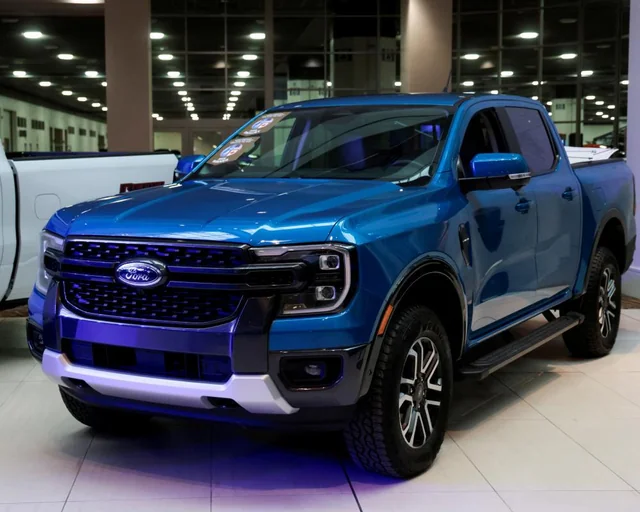
The Ford Ranger, the UK’s most commonly owned pickup truck, weighs between 2,200kg and 2,400kg and has a bonnet height of over one metre. US research confirms that vehicles of this size create significant blind zones, which can conceal children standing in front. The Toyota Hilux, slightly lighter at 2,100kg to 2,300kg, also poses similar visibility concerns with its 1.05-metre bonnet height.
Height and mass make pickup trucks particularly dangerous in collisions. Pedestrians struck by these vehicles face a far higher risk of serious injury or death than those hit by standard cars. International crash data indicates a pedestrian or cyclist struck by a pickup truck is almost twice as likely to die, while the likelihood of severe injury is 90% higher compared to collisions with smaller vehicles. Many children, averaging around one metre in height, can remain unseen in front of these trucks, amplifying the dangers in urban zones.
Jemima Hartshorn, founder of Mums for Lungs, emphasised the dual threat of these vehicles: “Pickup trucks are like mobile battering rams and also contribute heavily to air pollution. Children, invisible from the front and exposed to exhaust fumes, face daily danger. Allowing these trucks to proliferate on our streets is a serious public health issue.”
Environmental concerns are equally pressing. Large pickup trucks consume more fuel than conventional vehicles, producing significantly higher emissions of carbon dioxide and nitrogen oxides. Air quality campaigners warn that the rise in these vehicles threatens efforts to reduce urban pollution and meet national climate targets. Clean Cities suggests that policy interventions, including congestion charges adjusted for vehicle size and stricter emissions standards, are critical to curbing both safety and environmental risks.
City councils across the UK are beginning to respond, with proposals to ban oversized vehicles from narrow streets and implement safety audits for parked pickups near schools. Nevertheless, the continued growth of these trucks demonstrates a cultural preference for US-style vehicles that prioritises appearance and lifestyle over practical urban driving and environmental responsibility.
Experts say that public awareness campaigns are also necessary to educate drivers and families about the risks. Simple measures, such as ensuring children stay clear of parked trucks and improving urban parking design, could mitigate some dangers. However, the structural issues posed by vehicle size, weight, and blind spots require systemic policy solutions.
The pickup truck boom has also influenced insurance and emergency services. Collision data show that accidents involving these vehicles often result in more complex extrications and higher medical costs. Emergency responders report that heavier vehicles complicate rescues, especially in urban environments with narrow roads and dense traffic. As a result, authorities emphasise the need for proactive regulation rather than reactive responses to accidents.
In addition to urban dangers, rural areas are experiencing a rise in pickup ownership. While roads are wider outside cities, accidents remain severe due to the vehicles’ high mass and velocity capabilities. Combined with environmental and safety concerns, this trend has prompted debate over whether the UK should impose stricter regulations on imports and sales of US-style pickups.
The focus on pickup trucks aligns with broader concerns about sustainable transport in the UK. With government targets to reduce emissions and improve pedestrian safety, these vehicles present a clear contradiction to national strategies. Campaigners call for immediate action, including vehicle size restrictions in cities, mandatory visibility tests, and higher taxes for large pickups. Without decisive intervention, the proliferation of these trucks may continue, posing risks for the next decade.
 Public reaction to the data has been mixed. While enthusiasts praise the power and versatility of pickup trucks, urban residents often criticise the space, noise, and risk these vehicles introduce. Safety experts stress that balancing lifestyle preferences with public safety is critical to protecting vulnerable road users, particularly children.
As UK streets adjust to the growing presence of US-style pickups, authorities face the challenge of regulating vehicle size, visibility, and environmental impact. Clean Cities and other advocacy groups insist that without immediate and coordinated measures, the streets will become increasingly unsafe for pedestrians and cyclists, while carbon emissions continue to rise unchecked.
The trend highlights a clash between automotive culture and urban reality, with policymakers now under pressure to impose rules that safeguard residents. Education, regulation, and targeted taxation are all tools that could reduce the dangers associated with these oversized vehicles, ensuring cities remain safe, navigable, and sustainable for all.
Related News:
 ‘Extinct’ Antelope Returns to Sahara, Bringing Hope
 Norfolk Coastal Graves at Risk as Erosion Deepens Family Anguish
 Eden Project Founder Celebrates 25 Years of Nature’s Hope
 Winter plant bloom signals climate breakdown in UK
 UK Homes May Skip Batteries in New Green Rules
 Avocado Crisis: The Hidden Violence Behind Exports
 Smaller farms funding prioritised in England nature plans
 Dog Food Emissions: 1% of UK Greenhouse Gas Revealed
 Dutch Nationwide Fireworks Ban Expected to Transform New Year Traditions
 Storm Goretti leaves Cornwall homes without power
 Wildlife Targets at Risk in England and Northern Ireland
 Dubai Chocolate Craze Inspires South Korea’s Latest Dessert Obsession
 Traces of Glyphosate Found in UK Playground Tests
 BP’s Influence Sparks Controversy in UK STEM Education
 Polycrisis Anxiety Leaves Many Feeling Trapped in the Present
 Japan Prepares for Kashiwazaki Restart After Fukushima Legacy
 Kent Residents Continue Facing Water Supply Disruptions
 Water firms may avoid fines under UK water reform plan
 Antarctic Penguins Shift Breeding Season Amid Climate Change
 No Gas Boiler Ban as UK Warm Homes Plan Backs Heat Pumps
 Judi Dench Champions Fight to Save London’s Green Spaces
 Half the World’s Largest Cities Face Rising Water Stress
 The Sound of Mayhem’: Terror and Loss at Mount Maunganui
 Record-Breaking Heat Looms Over South-East Australia as Catastrophic Fire Risk Escalates
 Reindeer Deaths Rise as Finnish Herders Blame Border Wolves
 UK joins North Sea wind grid pact with nine European nations
 Devon hosts first high-density hydro power system
 UK Banks Granted Reprieve as BoE Delays Basel III Capital Rules Until 2028
 Singapore Corruption Scandal: Details Emerge on Iswaran’s Luxury Flight and Ties to Tycoon Ong Beng Seng
 Corfu Beyond the Crowds: Discovering Serenity in Southern Villages and Hidden Taverns
 Peter Andre Praises Son Junior’s ‘Quiet Season’ Amid Ongoing Family Dispute
 Massive 641-Mile Storm Set to Batter UK with 15 Hours of Rain and Strong Winds
 Jeremy Clarkson’s Pub: A Sunday Lunch Like No Other
 Scottish Government Mandates Single-Sex Toilets and Changing Facilities in Schools
 Reeves Faces Setback as Labour May Miss Homes Target
 Kate Winslet to Narrate Film Highlighting King’s Environmental Mission
 Trump’s UK Ambassador Urges North Sea Drilling to Strengthen US Ties
 UK Bans Fake Numbers: Scammers Lose Their Trick
 Vibe coding’ named Collins dictionary’s word of the year
BBC to Apologise Over Edited Trump Speech Amid Backlash
Vibe coding’ named Collins dictionary’s word of the year
BBC to Apologise Over Edited Trump Speech Amid Backlash
 Millionaires group urge Reeves to introduce wealth tax to ‘lift kids out of poverty’
 Reeves rejects £1bn plea for NHS redundancy payouts
 PM Condemns Leaks, Vows Loyalty to Ministers and Stability
 Phillipson Accused of Appeasing Unions by Diluting EBacc
 Saka Solidifies Role as Tuchel’s Key England Lieutenant
 Greene Pushes Epstein Files Amid Trump Fallout
 December Run-Off in Chile as Election Produces No Winner
 Zelenskyy Signs Fighter Jet Deal Amid Russian Drone Attacks
 Stroke Patient Mistaken for Drunk, Care Delayed
 Sundar Pichai Cautions on AI Hype and Market Risks
 What Now for the Queen’s Childhood Playhouse After Andrew’s Eviction?
 Shadow Fleet at Sea: Europe’s Battle Against Illicit Oil Shipping
 Tiny Curacao Makes History as Smallest Nation to Reach World Cup
 Snow and Ice Cause Travel Chaos in North Yorkshire
 Man Denies Stealing Bronze Age Gold from Museum
 Director Michael Caton-Jones Reflects on Career and Beginnings
 Inside the Helpline Protecting Missing Children in the UK
 Boots Showstopper Beauty Bundle Outshines Many Advent Calendars This Holiday Season
 PlayStation PS5 Deals Hit Lowest Prices Ahead of Black Friday
 Runaway Driver Caught by DNA Evidence
 US Suspends Afghan Immigration After White House Shooting
 Five-Year-Old Dies After Rare Tonsil Surgery Complication
 Starmer Says Labour’s Economic Plan Needs Years to Deliver
 IndiGo Cancels Hundreds of Flights Amid Pilot Shortages
 Conservatives Pledge to Scrap 2030 Petrol and Diesel Car Ban
 Young Britons Face Heaviest Burden from Ageing Population, Lords Warn
 U‑Turn on Farmers’ Inheritance Tax Sparks Political Firestorm
 Khaleda Zia Death in Bangladesh: First Female PM Dies at 80
 Children to Receive Home Vaccines as England Acts
 GMB Union Faces Turmoil Amid Female Leaders’ Claims
 MoJ Prison Leasing Scandal Triggers £100m Public Cost
 Cambridge College Faces Backlash Over Private School Recruitment
 UK Weather: End of Cold Spell in Sight as Temperatures Rise
 Bereaved Fathers Gain New Paternity Leave Rights in UK
 Minnesota Sues Trump Administration Over ICE Surge
 US Senate rejects resolution limiting Trump military powers
 Woman Jailed for Life After Killing E-Bike Rider in Tragic Mistaken Identity Case
 Sydney Shark Attack Surge Shocks Australia Beaches
 Sussan Ley leadership milestone shakes Liberal future
 Police response times face strict new national limits