Published: 27 January 2026. The English Chronicle Desk. The English Chronicle Online.
The free trade deal between India and the European Union has been finalised, ending nearly two decades of negotiations and marking a historic moment in global commerce. The agreement, hailed as the “mother of all deals” by European Commission president Ursula von der Leyen, promises to open India’s traditionally protected market to all 27 EU member states, with a focus on manufacturing and the services sector. By easing tariffs and regulatory restrictions, the deal will significantly boost trade flows, enabling European companies to expand exports of cars, wine, and other goods while giving India greater access to textiles, pharmaceuticals, and gemstones.
Officials said that the free trade deal is expected to double EU exports to India by 2032, cutting tariffs on 96.6% of traded goods by value and generating savings of around €4 billion (£3.5 billion) in duties for European businesses. Von der Leyen, speaking after arriving in Delhi to meet Prime Minister Narendra Modi, said, “We have created a free trade zone encompassing two billion people, and both sides stand to benefit immensely from this historic pact.”
India, with its population of 1.4 billion and a rapidly growing economy, is expected to see substantial gains from the free trade deal, which experts predict will boost domestic manufacturing and attract further foreign investment. Modi described the agreement as the “biggest free trade deal in history,” representing roughly a third of global trade and offering unprecedented opportunities for economic growth on both sides.
The pact will gradually reduce tariffs on European cars entering India from as high as 110% to 10% over five years, allowing up to 250,000 European vehicles to enter at preferential rates. This vastly exceeds the quota set by the United Kingdom in a separate deal last year, benefiting major automakers such as Volkswagen, BMW, Mercedes-Benz, and Renault. Similarly, India will gain easier access for its textiles, pharmaceutical products, and gem exports to EU markets, potentially increasing revenue streams and supporting domestic industries.

Trade negotiations between India and the EU began in 2007 but were abandoned due to disagreements over agriculture, dairy, and automobile trade barriers. Talks resumed in 2022, accelerating over the past six months in response to global economic pressures, including punitive tariffs imposed by the Trump administration and shared concerns over China’s control of key manufacturing sectors. Analysts suggest that this free trade deal could reshape global trade patterns, reducing dependency on a single country while enhancing bilateral economic collaboration.
The deal comes amid India’s ongoing efforts to boost its global trade presence. The country currently faces 50% tariffs on exports to the United States, and the EU has warned of retaliatory tariffs during past trade disputes. By signing the free trade deal, both parties signal a commitment to multilateral cooperation, aiming to foster sustainable economic growth while strengthening geopolitical alliances.
Financial experts predict that Indian exporters could see dramatic increases in EU market penetration, particularly for pharmaceuticals and high-end textiles, which have traditionally faced heavy import barriers. Likewise, EU manufacturers are poised to benefit from long-term stability in Indian trade rules, ensuring more predictable market conditions. The agreement also sets a framework for joint investment initiatives, technology transfer, and regulatory harmonisation, providing a blueprint for future global trade agreements.
Modi emphasised that the agreement is not only about economic growth but also about creating employment opportunities for millions of Indians. “This deal brings immense opportunities for our citizens and strengthens collaboration between India and Europe,” he said, highlighting that the pact balances benefits across both economies and sectors. The deal could thus serve as a model for future trade agreements between emerging and established economies.
The formal signing of the pact is expected later this year, with implementation likely by early next year. Government officials from both sides have reiterated that the agreement includes mechanisms to resolve disputes fairly, ensure transparency, and monitor compliance with agreed standards. Experts view this as a necessary component for ensuring long-term success and maintaining investor confidence.
The free trade deal is widely expected to accelerate growth in the EU’s services sector, particularly in professional services, IT, and engineering, which stand to benefit from reduced trade barriers and enhanced mobility. Simultaneously, India’s manufacturing base will likely experience increased efficiency and competitiveness due to exposure to European production standards and technology. Analysts note that such synergies could strengthen both economies and deepen strategic economic ties.

Global economic observers hailed the deal as a pivotal moment in international trade, signalling a shift towards larger, more inclusive trade zones that benefit both emerging and developed economies. By reducing trade frictions, harmonising regulations, and creating structured opportunities for cross-border commerce, the free trade deal could influence trade agreements worldwide and encourage other countries to pursue similar partnerships.
The deal’s benefits are expected to extend beyond commerce, fostering stronger diplomatic and cultural ties between India and Europe. Both parties have committed to ongoing dialogue on sustainability, labour standards, and innovation, ensuring that economic gains are balanced with social and environmental considerations. For businesses and citizens alike, this agreement represents a forward-looking step in global economic collaboration, potentially shaping trade patterns for decades to come.
In conclusion, the India-EU free trade deal marks a transformative moment in international commerce. By opening markets, reducing tariffs, and fostering cooperation, it promises significant economic benefits for both regions, setting a new standard for bilateral agreements and global trade initiatives.
Related News:
 Canada-China trade gains momentum in new strategic partnership
 Reeves Faces Setback as Labour May Miss Homes Target
 Virgin Trains Moves Closer to Challenging Eurostar Monopoly
 Trump’s UK Ambassador Urges North Sea Drilling to Strengthen US Ties
 Ryanair Chief UK Economy ‘Doomed’ Under Labour
 Court Hears Challenge Over Water Bills Funding Sewage Fixes
 ABF May Split Primark from Food Division Amid Tough Market
 Rachel Reeves Set to Break Labour Pledge and Raise Income Tax
 UPS Cargo Plane Crash in Kentucky Kills Seven
 M&S Profits More Than Halve After Cyber-Attack
 Tony Blair think tank warns Rachel Reeves must cut taxes if manifesto broken
 Oprah enjoys Meghan’s jam on English muffins
 MPs Press Rachel Reeves to Hike Gambling Taxes
 Earl of Yarmouth Faces £1.3m Legal Bill Over Family Estate
 North Sea oil workers must lose weight or face job loss
 Warning as Britons prepare to spend £4 billion this Black Friday
 Millionaires group urge Reeves to introduce wealth tax to ‘lift kids out of poverty’
 From Lego to Pokémon: How Adults Are Driving UK Toy Market Growth
 UK toy market enjoys bumper year as ‘kidults’ fuel demand
 New laws to bolster UK’s defences against cyber attacks on NHS, transport and energy
 Skims Eyes Global Expansion After Reaching $5 Billion Value
 Trump Moves to Cut Coffee and Banana Tariffs in Latin America Deals
 Global markets drop amid tech sell-off and China slowdown
 Canada Passes Carney’s First Budget in Tight Parliamentary Vote
 UK Rejects Funding to Save Mossmorran Plant
 PM Highlights UK Business at G20 in South Africa
 Mossmorran Plant Closure Hits Cowdenbeath Hard
 UK Taskforce Unveils Plan to Streamline Nuclear Reactor Rules
 Steel billionaire Lakshmi Mittal reportedly leaves UK
 India’s Labour Law Overhaul Sparks Fierce Debate
 Starmer Says Labour’s Economic Plan Needs Years to Deliver
 Virgin Media Fined £23.8m Over Telecare Safety Failures
 Rising Water Bills Lift Troubled Thames Back to Profit
 Tesla Warns UK That Weak EV Rules Could Threaten Sales
 BP agrees £7.4bn Castrol sale to US investment firm
 Sainsbury’s CEO leads business honours in New Year list
 George Clooney and Amal Clooney Receive French Citizenship
 FTSE 100 Hits 10,000: UK Market Celebrates Record Year
 UK House Prices Fall Sharply at Year-End, Nationwide Reports
 UK Car Sales Pass 2 Million as Chinese Brands Surge
 Capitol Attack Anniversary Sparks Deep Political Divide
 EU Weakens as Trump Targets Venezuela and Greenland
 Saudi Officials Report Zubaidi Flee Before Yemen Peace Talks
 UK Targets in New York Bomb Threat Hoax: Man Jailed
 Trump Plans Venezuela Meeting, Warns of Cartel Land Strikes
 Gambia Supreme Court Hears Case to Overturn FGM Ban
 Wessex Water chiefs receive £50,000 extra despite government bonus ban
 Indonesia blocks Grok chatbot over sexual content risk
 US Citizens Warned to Venezuela Flee Amid Paramilitary Threats
 3,000 Jobs at Risk Without UK Helicopter Order
 German Supermarket Aldi to Open 180 US Stores This Year
 Starmer links foreign trips to tackling cost of living crisis
 Trump targets Iran trade with 25% tariff warning
 Rudd successor: Defence chief and former ministers considered
 US Senate rejects resolution limiting Trump military powers
 Venezuela regime claims release of political prisoners signals new era
 Friedman Uninvited From 2024 Adelaide Writers’ Week
 Gulf states warn Trump Iran strikes risk wider Middle East war
 Machado Trump medal gesture reshapes Venezuela power struggle
 Greenland defence seen as shared Nato duty amid troop arrivals
 China Dependence Threatens UK Energy Supply Chains and Jobs
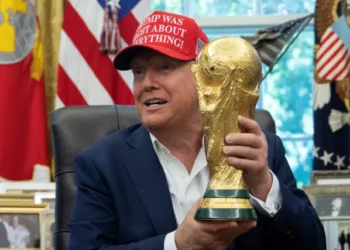 Geopolitical football: Iran, Trump and the World Cup clash
 Trump Receives Machado’s Nobel Medal in White House Meeting
 Syria President Declares Victory as Ceasefire Reached with SDF
 US Considers Asylum for British Jews Amid Rising Antisemitism
 ScottishPower Tops List of Worst UK Energy Suppliers
MPs warn AI financial risks threaten UK stability
ScottishPower Tops List of Worst UK Energy Suppliers
MPs warn AI financial risks threaten UK stability
 MPs warn AI financial risks threaten UK stability
 Chinese tourists drop sharply over Taiwan tensions
 Trump slams UK ‘stupidity’ over Chagos Islands, eyes Greenland takeover
 More Than 100 Islamic State Inmates Escape Amid Syrian Clashes
 Trump Tightens Grip on EU and UK Energy Supply
 Shinzo Abe’s killer receives life sentence in Japan
 B&M and The Works Struggle During Christmas Trading
 Russia Strikes Kyiv and Kharkiv as Peace Talks Enter Day Two
 UK Disposable Income Growth Transforms Eleven Towns and Cities
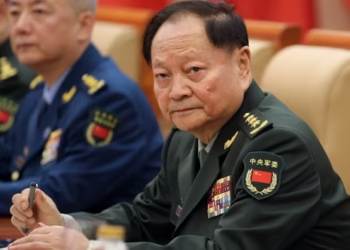 China General Under Investigation Amid Leadership Purge
 Philippines ferry disaster leaves 15 dead, dozens missing
 Israel Conditions Gaza Rafah Reopening on Hostage Search Completion
 Turnbull urges Albanese to confront Trump’s global ‘bully’ politics