Published: 04 February 2026. The English Chronicle Desk. The English Chronicle Online
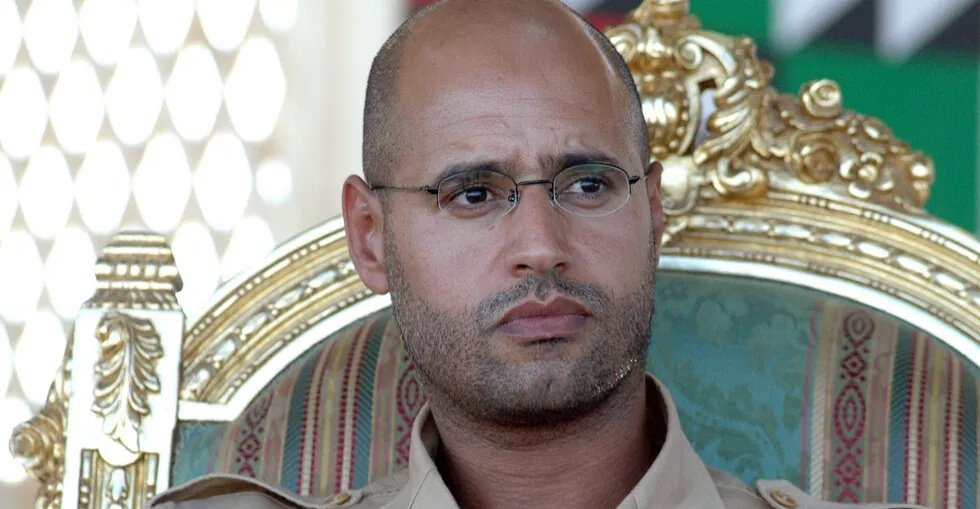
Saif al-Islam Gaddafi, the son of Libya’s former leader Colonel Muammar Gaddafi and once regarded as his most likely successor, has reportedly been shot dead, according to Libyan media and international news agencies. He was 53.
Confirmation of his death emerged on Tuesday when the head of Saif al-Islam’s political team told the Libyan News Agency that he had been killed. His lawyer later told the AFP news agency that a “four-man commando” unit carried out what he described as a targeted assassination at Saif al-Islam’s home in the western Libyan city of Zintan. However, the circumstances surrounding his death remain unclear and contested, reflecting Libya’s fractured political and security landscape.
In a competing account, Saif al-Islam’s sister told Libyan television that he had died near Libya’s border with Algeria, raising further questions about where and how the killing took place. As of Tuesday evening, no group had claimed responsibility for the attack, and no official statement had been issued by Libya’s rival governments.

Saif al-Islam Gaddafi was long considered the most prominent and powerful figure in Libya after his father, who ruled the country for more than four decades from 1969 until his violent overthrow and death during the 2011 uprising. Educated abroad and fluent in English, Saif al-Islam cultivated an image very different from that of his mercurial father, presenting himself for years as a reform-minded moderniser who could bridge Libya’s authoritarian past and a more open future.
Born in 1972, he rose to prominence in the late 1990s and early 2000s, playing a central role in Libya’s rapprochement with Western governments after years of international isolation. Despite holding no formal government post, he was deeply involved in shaping policy and leading sensitive negotiations, including those that resulted in Libya abandoning its nuclear weapons programme and compensating victims of past terror attacks. These moves led to the lifting of international sanctions and the return of Libya to the diplomatic mainstream.
During this period, Saif al-Islam was often portrayed by Western diplomats and analysts as a potential reformer and even an acceptable face of a post-Gaddafi Libya. He spoke openly about constitutional reform, civil society, and economic modernisation, raising hopes among some Libyans and foreign observers that gradual change might be possible within the existing system.
Those hopes were shattered during the Arab Spring in 2011. As protests against Muammar Gaddafi’s rule spread across Libya, Saif al-Islam emerged as one of the regime’s most defiant voices. In a now infamous televised speech, he warned of civil war and bloodshed if the uprising continued, comments that would later be cited by critics as evidence of his role in the brutal repression of demonstrators.
Following the collapse of the Gaddafi regime and his father’s killing, Saif al-Islam went into hiding before being captured by a militia in Zintan in November 2011. He was held there for almost six years, largely beyond the control of Libya’s central authorities. During his detention, the International Criminal Court sought his transfer to The Hague to stand trial on charges of crimes against humanity for his alleged role in the violent suppression of opposition protests.
Libya’s post-revolutionary authorities refused to hand him over, arguing that he should be tried at home. In 2015, a court in Tripoli, operating under the authority of the UN-backed government in western Libya, sentenced Saif al-Islam to death in absentia, along with several other former Gaddafi officials. The verdict was rejected by rival authorities in the east, highlighting the deep institutional divisions that have plagued Libya since 2011.
In 2017, Saif al-Islam was released by the Zintan militia under an amnesty law passed by the eastern-based parliament in Tobruk. His release sparked intense debate both inside Libya and internationally, with supporters claiming it could help promote reconciliation and critics arguing it entrenched impunity for past crimes.
For several years after his release, Saif al-Islam largely stayed out of the public eye, though his influence was widely believed to persist through tribal networks and loyalists of the former regime. In 2021, he re-emerged dramatically by announcing his intention to run for the presidency in elections that were meant to mark a turning point for Libya. The announcement stunned many observers and underscored the enduring appeal of the Gaddafi name among some segments of the population.
Those elections were later postponed indefinitely amid disputes over rules, candidates, and security arrangements, prolonging Libya’s political paralysis. The country remains divided between two rival governments, one based in Tripoli and backed by the United Nations, and another in the east aligned with the powerful military commander Khalifa Haftar. Numerous militias continue to exert control over territory, resources, and key institutions.
Saif al-Islam himself had always publicly denied that he sought to inherit power from his father. “The reins of power are not a farm to inherit,” he once said. Yet his prominence, lineage, and political ambitions ensured he remained a polarising figure, viewed by some as a symbol of stability lost and by others as a reminder of authoritarian rule and unresolved abuses.
News of his reported death has triggered a wave of reactions across Libya and beyond, though verification has been complicated by conflicting accounts and the absence of an official autopsy or independent confirmation. Analysts say that if confirmed, his killing could have significant implications for Libya’s fragile political balance, potentially removing a figure who still commanded loyalty among certain tribes and former regime supporters.

It could also deepen fears about political violence and targeted assassinations in a country where the rule of law remains weak and armed groups operate with near-total impunity. Libya has seen numerous high-profile killings since 2011, particularly of activists, judges, and security officials, with few perpetrators ever brought to justice.
International observers have urged caution and restraint, calling for a transparent investigation into the circumstances of Saif al-Islam Gaddafi’s death. However, given Libya’s fractured institutions and overlapping jurisdictions, prospects for accountability remain uncertain.
More than a decade after the fall of Muammar Gaddafi, Libya continues to grapple with the legacy of his rule and the unresolved wounds of the uprising that ended it. The reported killing of his son, a figure who embodied both the old regime and the contradictions of the post-revolutionary era, underscores how far the country remains from closure, reconciliation, and lasting stability.
Related News:
 UK University Faces Counter-Terror Probe Over China Pressure
 Second world war veterans honoured as King leads Remembrance Sunday
 Ukraine-Russia war latest: Putin’s troops exploit bad weather to force Kyiv withdrawal from multiple towns
 New Epstein Files Spark Political Clash in Washington
 Ukraine Energy Corruption Scandal Hits Zelensky’s Inner Circle
 Greene Pushes Epstein Files Amid Trump Fallout
 UN Security Council Approves Trump’s Gaza Peace Plan
 WhatsApp Messages Expose Nathan Gill’s Bribery
 Venezuela Threatens Nobel Winner Machado with Fugitive Status
 Trump Envoy to Discuss Ukraine Peace at Kremlin
 Video shows Israeli troops kill Palestinians after surrender
 Guinea-Bissau President Flees After Military Coup
 Channel Crossings Surge: Over 1,000 People Arrive in the UK in Small Boats in a Single Day
 Jailed Georgian Opposition Leaders Warn UK of Iranian Links to Ruling Party
 Kosovo agrees to host Britain’s refused asylum seekers
 British Woman in Iran ‘Losing Hope’ Amid Ongoing Detention
 BBC Journalist Held and Interrogated in Vietnam
 FBI Director Kash Patel Defends Girlfriend Amid Government Jet Claims
 UK University Suspends Human Rights Research Following Pressure from China
 French Taxi Driver Cleared in David Lammy Theft Case After Fare Dispute
 Just Stop Oil Protesters Convicted Amid Climate Defence Row
 Boris Johnson accused of undermining BBC leadership
 BBC to Apologise Over Edited Trump Speech Amid Backlash
 Britain deploys RAF specialists to assist Belgium with drone threats
 ‘Reckless’ cuts to victims’ services will cost more than they save
 BBC’s Tim Davie to Address Staff Amid Trump $1bn Threat
 New review urges UK to repatriate Shamima Begum, others from Syria
 US Justice Department Files Lawsuit Against California Over Partisan Voting Maps
 Oklahoma Governor Grants Last-Minute Clemency to Death Row Inmate
 US Pushes Global Effort to Stop Arms Flow to Sudan RSF Forces
 Israel Confirms Returned Hostage as Meny Godard
 Indian authorities demolish Kashmir home linked to Red Fort blast
 Trump Deploys DHS to Charlotte in Major Arrest Operation
 December Run-Off in Chile as Election Produces No Winner
 UK Candidate Moved to Safe House After Election Threats
 Canada Passes Carney’s First Budget in Tight Parliamentary Vote
 South African Detained After Neo-Nazi Rally in Australia
 Shadow Fleet at Sea: Europe’s Battle Against Illicit Oil Shipping
 Deadly Russian Strikes Hit Western Ukraine, 20 Killed in Ternopil
 Rama Rebukes Mahmood for Targeting Albanian Families
 Pentagon Officials in Ukraine to Discuss War End
 Most Tories Expect to Support a Farage-Led Government
 Twenty-Four Nigerian Schoolgirls Freed After Abduction
 Two National Guard Soldiers Critically Injured Near White House
 Georgians Defy Government Crackdown After Year of Protests
 Southern Lebanon reels as Israeli strikes shatter communities
 India’s Labour Law Overhaul Sparks Fierce Debate
 Jordan Bardella: France’s Young Presidential Contender
 Chinese & Japanese Boats Clash Near Disputed Islands
 EU plans $105bn Ukraine aid using frozen Russian assets
 Global campaign launched to free Palestinian leader Barghouti
 American Mother Extradited From UK to U.S. on Murder Charges
 Russia losses Ukraine war peace talks intensify amid rising deaths
 Zelenskyy Accuses Russia of Sabotaging Peace Talks
 Trump ‘Not Worried’ as China Conducts Massive Taiwan Wargame
 Khaleda Zia Laid to Rest with State Honour in Dhaka
 Maduro Faces Court in New York Over Drugs and Weapons Case
 Albanese Opens Door to Bondi Royal Commission Amid Rising Pressure
 Trump Escalates Minnesota Immigration Surge Amid Rising Tensions
 Iran Protesters Defy Crackdown as Violent Clashes Intensify
 Trump Eyes Strong Military Options Amid Iran Protest Crackdown
 Trump Threatens Strong Action If Iran Executes Protesters
 Machado Trump medal gesture reshapes Venezuela power struggle
 Trump Receives Machado’s Nobel Medal in White House Meeting
 EU weighs response amid Greenland tariff crisis with Trump
 US Considers Asylum for British Jews Amid Rising Antisemitism
 ICE street raids expose a chilling future for public freedoms
 Thousands Flee Cambodia Scam Centres Amid Global Pressure
 US Africa aid remarks spark anger after leaked State email
 Trump Launches “Board of Peace” Amid Global Diplomacy Push
 EU Says US Ties Have Suffered ‘Big Blow’ After Greenland Crisis
 Andrew Hastie Emerges as Leadership Rival to Ley
 Russia Strikes Kyiv and Kharkiv as Peace Talks Enter Day Two
 Police response times face strict new national limits
 Starmer China visit underscores clear-eyed national security stance
 Starmer China visit raises human rights pressure on Beijing
 Files Link Andrew to Epstein Dinner After Prison Release
 Emails Show Epstein Funded Mandelson’s Husband After Jail
 Israel Moves to Bar MSF From Gaza Operations
 Mandelson resignation shakes Labour over Epstein row