Published: 06 February 2026. The English Chronicle Desk. The English Chronicle Online.
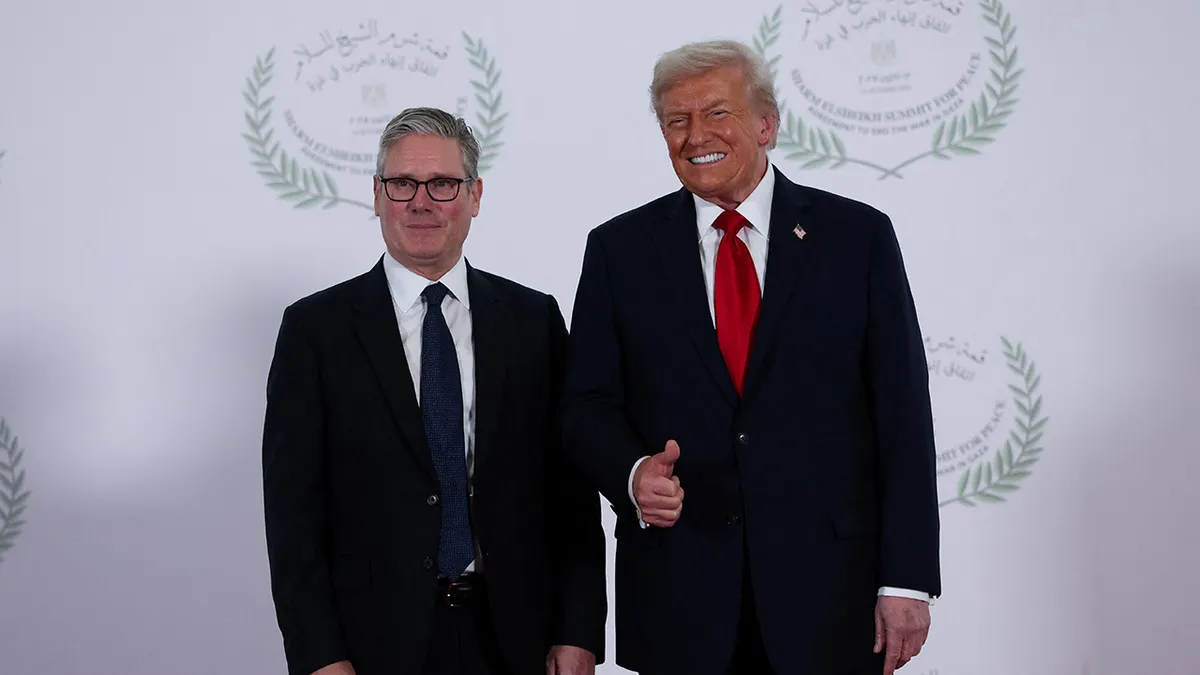
The Chagos Islands deal has prompted renewed attention after Donald Trump softened his criticism following a call with Keir Starmer. The US president had previously described the UK’s plan to cede sovereignty over the British Indian Ocean Territory, including the strategic Diego Garcia base, as an “act of great stupidity.” This strong critique raised international concerns about national security implications and US strategic interests. After speaking with Starmer, Trump now described the arrangement as “the best he could make,” signalling a significant shift in his stance on the transfer.
Under the deal, the UK will return sovereignty over the islands to Mauritius, while Diego Garcia will remain leased for 99 years, ensuring continued joint US-UK military operations. Trump acknowledged that the base is “strategically situated in the middle of the Indian Ocean,” emphasising its critical role in supporting military capabilities and broader security objectives. He reinforced that if the lease were ever threatened, the US reserves the right to safeguard and reinforce its presence at Diego Garcia, highlighting enduring strategic priorities.

Trump’s reversal comes after months of controversy surrounding the handover. His earlier posts on Truth Social criticised the UK for weakening its geopolitical position, claiming China and Russia were closely observing the “act of total weakness.” The former president also suggested that national security concerns justified the US acquiring Greenland, demonstrating how closely the administration linked island sovereignty to broader military strategy.
The latest statement appears to recognise both the strategic importance of Diego Garcia and the practical limitations facing the UK in negotiating the deal. Downing Street confirmed that Starmer and Trump “agreed on the importance of the deal to secure the joint UK-US base on Diego Garcia, which remains vital to shared security interests.” Officials also stressed that the UK and US would continue collaborative efforts to implement the agreement, reinforcing the broader Anglo-American security relationship.
Conservative MPs and Reform UK critics remain deeply concerned about the transfer. Priti Patel, the shadow foreign secretary, condemned the arrangement as a “massive strategic blunder” and warned that the lease could fail, potentially compromising both UK and allied security. Despite Trump’s endorsement, Patel reiterated that the opposition would persist in challenging the deal, arguing that ceding control of such strategically valuable territory represents a long-term vulnerability.
The Chagos Islands controversy highlights the balancing act governments face between historical territorial obligations and modern defence priorities. For decades, Diego Garcia has served as a critical hub for US military operations, providing logistical support across the Indian Ocean and Middle East regions. Its importance has been reinforced during recent global crises, underlining why the lease arrangement remains central to Anglo-American defence planning.
Analysts note that Trump’s softened stance could reflect both diplomatic pragmatism and recognition of the complexities surrounding the Chagos deal. While his previous comments emphasised unilateral security measures and aggressive territorial acquisitions, the new position appears calibrated to maintain long-term US influence without undermining Starmer’s negotiated agreement. Such recalibration suggests that strategic communication between the two governments is crucial for avoiding misunderstandings with broader global implications.
The ongoing debate over Chagos also intersects with environmental and human rights considerations. Indigenous Chagossians displaced during the original British administration continue to seek recognition and reparations. While the lease arrangement preserves military priorities, questions remain regarding sovereignty, compensation, and ethical obligations to the islanders. Balancing these factors alongside national security imperatives has become a diplomatic tightrope for the UK government.
Observers have further noted the wider geopolitical dimensions. The Indian Ocean is a hotspot for strategic competition, with China’s maritime expansion and Russia’s naval operations drawing increased attention. Diego Garcia’s location allows rapid deployment of forces and monitoring of key sea lanes, enhancing US and UK influence in a region critical to international trade and security. Maintaining the lease ensures that allied powers retain a forward operating base essential for projecting military strength and responding to regional contingencies.
Trump’s comments also reflect a broader pattern of recalibrating foreign policy priorities after consultation with allies. Previously, his proposals on Greenland had suggested unilateral control to serve US interests, but engagement with international partners, including NATO, encouraged compromise. The Chagos case demonstrates how dialogue and negotiation can temper initially confrontational positions, allowing both parties to secure strategic objectives while reducing public controversy.
Starmer’s diplomatic approach has been widely credited with stabilising the agreement. By emphasising shared security responsibilities and presenting the handover as part of a broader strategic framework, the UK prime minister has sought to mitigate international concerns while preserving national influence. Cooperation on military bases, joint exercises, and intelligence sharing further cements the UK-US alliance, demonstrating the enduring importance of close coordination in defence and foreign policy.

Despite political disagreements within the UK, the Chagos Islands lease continues to attract attention in Washington. Congressional observers and defence analysts have highlighted Diego Garcia’s ongoing relevance, noting that any disruption could have cascading effects on global operations. Trump’s recognition of the base’s importance underscores continuity in US defence strategy, even amid domestic political shifts and evolving international pressures.
In conclusion, the Chagos Islands deal reflects a complex interplay between historical sovereignty, strategic military priorities, and international diplomacy. Trump’s softened criticism after consulting Starmer illustrates the pragmatic adjustments leaders may make in pursuit of shared security objectives. As the UK and US implement the 99-year lease, attention will remain focused on maintaining strategic advantage, protecting national security, and addressing ethical considerations regarding displaced Chagossians. The agreement serves as a case study in balancing geopolitical imperatives with domestic politics, highlighting the importance of ongoing dialogue and strategic foresight.
Related News:
 Shock US Raid: Maduro Pleads Not Guilty in Manhattan Court
 Trump Plans Venezuela Meeting, Warns of Cartel Land Strikes
 Mandelson apologises over Epstein ties after public scrutiny
 Rudd successor: Defence chief and former ministers considered
 US Senate rejects resolution limiting Trump military powers
 Trump Calls Greenland Critical for US Security After Denmark Talks
 Trump: Iran Killing Has Stopped, Strike Threats Pulled Back
 Machado Trump medal gesture reshapes Venezuela power struggle
 Trump Receives Machado’s Nobel Medal in White House Meeting
 Iran unrest slows under brutal crackdown and global tensions
 Trump Allies Pursue $200m European Gas Pipeline Deal
 US Considers Asylum for British Jews Amid Rising Antisemitism
 Starmer Challenges US Over Controversial Greenland Deal
 Spoof “Make America Go Away” Caps Rally Denmark Over Greenland
 Trump slams UK ‘stupidity’ over Chagos Islands, eyes Greenland takeover
 UK Presses On With Chagos Handover Despite Trump Criticism
 Kim Jong-un Fires Vice-Premier Over Factory Failures
 Shinzo Abe’s killer receives life sentence in Japan
 Starmer Resists Matching Trump Amid Greenland Tensions
 Netanyahu Accepts Trump’s ‘Board of Peace’ Invitation
 South Korean Ex-PM Jailed 23 Years Over Martial Law Role
 Russia Strikes Kyiv and Kharkiv as Peace Talks Enter Day Two
 Canada Rules Out Free Trade Deal With China Amid US Tensions
 Turnbull urges Albanese to confront Trump’s global ‘bully’ politics
 Snow Threatens Japan Election Turnout Amid Extreme Cold
 Keir Starmer meets Xi to strengthen UK-China economic relations
 Crisis Looms as Liberals Debate Sussan Ley Future
 Cambridge Faces Scrutiny Over Arms Investment Transparency
 Files Link Andrew to Epstein Dinner After Prison Release
 Thousands Protest ICE Operations in Nationwide US Day of Action
 Epstein Files Reveal Trump Officials’ Emails with Financier
 Thousands Protest ICE in New York Against Trump Deportation Campaign
 Trump-Petro Meeting Sparks Hopes of Diplomatic Detente
 Green Party Surges Past Labour in Latest UK Poll
 Army Officers Orders to Cut Ties with Men-Only Clubs
 Trump’s UK Ambassador Urges North Sea Drilling to Strengthen US Ties
 French Taxi Driver Cleared in David Lammy Theft Case After Fare Dispute
 Labour immigration crackdown could cost UK £4.4bn
BBC to Apologise Over Edited Trump Speech Amid Backlash
Labour immigration crackdown could cost UK £4.4bn
BBC to Apologise Over Edited Trump Speech Amid Backlash
 Britain deploys RAF specialists to assist Belgium with drone threats
 Millionaires group urge Reeves to introduce wealth tax to ‘lift kids out of poverty’
 Starmer Faces Growing Dissent as Labour MPs Weigh Leadership Challenge
 Reeves rejects £1bn plea for NHS redundancy payouts
 PM Condemns Leaks, Vows Loyalty to Ministers and Stability
 Major Rent Reform Ends No-Fault Evictions in England
 Senator John Fetterman Hospitalized After Fall from Heart Flare-Up, Keeps Sense of Humor
 Greene Pushes Epstein Files Amid Trump Fallout
 Trump Deploys DHS to Charlotte in Major Arrest Operation
 December Run-Off in Chile as Election Produces No Winner
 Canada Passes Carney’s First Budget in Tight Parliamentary Vote
 Shadow Fleet at Sea: Europe’s Battle Against Illicit Oil Shipping
 Most Tories Expect to Support a Farage-Led Government
 Georgians Defy Government Crackdown After Year of Protests
 US National Guard Member Killed in DC Shooting
 ICC to Rule on Duterte’s Provisional Release
 Starmer Says Labour’s Economic Plan Needs Years to Deliver
 Khaleda Zia Death in Bangladesh: First Female PM Dies at 80
 Russia losses Ukraine war peace talks intensify amid rising deaths
 Albanese Opens Door to Bondi Royal Commission Amid Rising Pressure
 Trump Escalates Minnesota Immigration Surge Amid Rising Tensions
 Saudi Officials Report Zubaidi Flee Before Yemen Peace Talks
 UK Targets in New York Bomb Threat Hoax: Man Jailed
 Iran Protesters Defy Crackdown as Violent Clashes Intensify
 Homeland security agents deployed amid Minneapolis protests
 Trump targets Iran trade with 25% tariff warning
 Gulf states warn Trump Iran strikes risk wider Middle East war
 Geopolitical football: Iran, Trump and the World Cup clash
 EU weighs response amid Greenland tariff crisis with Trump
 UK Ministers Drop Foreign Student Targets for Global Education Push
 No Gas Boiler Ban as UK Warm Homes Plan Backs Heat Pumps
 American democracy faces crisis after Trump’s return
 Sussan Ley leadership milestone shakes Liberal future
 EU Says US Ties Have Suffered ‘Big Blow’ After Greenland Crisis
 Satire Can Skewer Trump, But It Won’t Save Democracy
 Police response times face strict new national limits
 China General Under Investigation Amid Leadership Purge
 Labour policing overhaul sparks fears over growing central control
 Starmer warns of toxic division politics in Reform challenge
 Israel Moves to Bar MSF From Gaza Operations
 Palantir contracts face UK halt calls over transparency