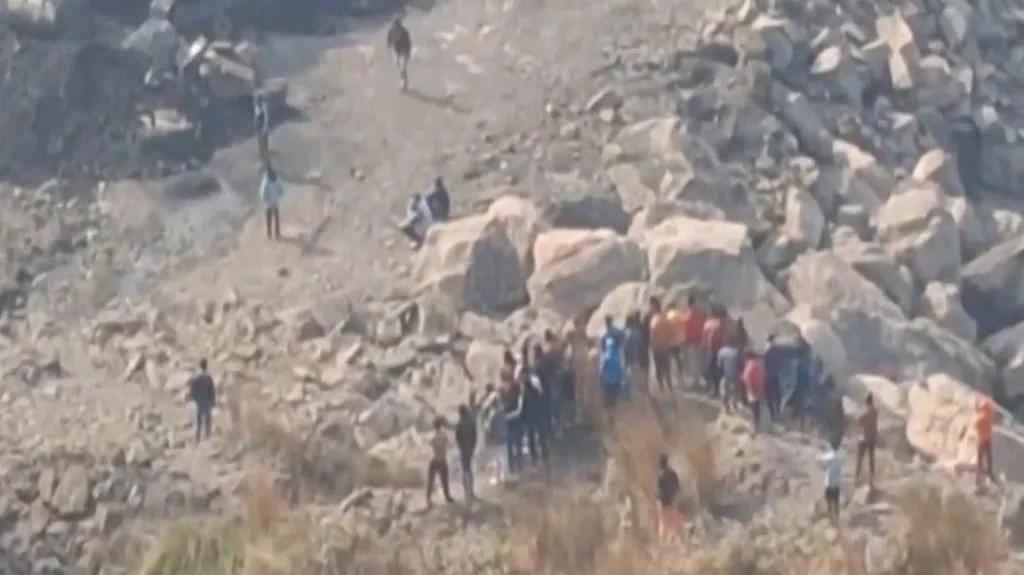
At least 18 people have been killed in a deadly explosion at a “rat‑hole” mine in northeast India, authorities confirmed on Thursday, highlighting the ongoing dangers of unregulated and illegal mining that persists despite long‑standing bans and safety warnings. The blast occurred early in the morning in the East Jaintia Hills district of Meghalaya, a remote region known for its hazardous coal mining practices, leaving communities in shock and prompting an urgent rescue and investigation operation.
Local police and disaster response teams recovered 18 bodies from the site of the explosion, which ripped through the narrow tunnels of an illicit coal mine in the Thangsku area, officials said. One worker was seriously injured and rushed to hospital in Shillong, the state capital, while several others are still feared trapped underground as rescuers work to clear debris and explore precarious shafts.

What Happened in the Blast
The explosion, believed to have been triggered during coal‑extraction activity early Thursday, occurred inside a so‑called rat‑hole mine — deep vertical shafts branching into narrow horizontal tunnels just wide enough for workers to crawl through to reach coal seams beneath the hills. These unregulated tunnels lack proper ventilation, structural supports or safety protocols, leaving workers extremely vulnerable to accidents, cave‑ins, explosions and toxic gas buildups.
East Jaintia Hills Superintendent of Police Vikash Kumar said rescuers halted their operations at sundown Thursday due to the risk of unstable ground, poisonous fumes and poor visibility, with plans to resume at first light. “During the course of the rescue operation, 18 bodies were recovered so far,” he told reporters, adding that the total number of individuals working in the mine when the blast struck remains unclear.
Illegal Mining and Its Risks
Rat‑hole mining — which was banned in Meghalaya by India’s National Green Tribunal in 2014 and later restricted by the Supreme Court — involves digging narrow pits that lead into lateral tunnels so small they are barely wider than a person’s shoulders. The technique has long been criticised for environmental damage and deadly risks to labourers extracted chiefly from poor rural communities and neighbouring states.
Despite the prohibition, such unlicensed operations have persisted in the region for economic reasons, drawing labourers with the promise of work and meagre pay while operating outside legal oversight. The explosion underscores how lethal these informal mining activities can be, with dangerous conditions compounded by a lack of safety gear, formal training and regulatory enforcement.
Rescue Efforts and Official Response
In response to the tragedy, teams from the National Disaster Response Force (NDRF), the State Disaster Response Force (SDRF), local police and emergency services were deployed to search for survivors and recover remains. Rescue efforts were complicated by the narrow tunnels, unstable debris, and concerns about hazardous gases lingering underground.
Prime Minister Narendra Modi expressed condolences to the families of the deceased and announced an ex‑gratia compensation of ₹200,000 (approximately $2,200) for each victim’s next of kin, with ₹50,000 set aside for the injured worker now in medical care. Meghalaya Chief Minister Conrad Sangma ordered a comprehensive inquiry, vowing that authorities would hold accountable those responsible for operating the illegal mine and enforce strict action against similar activities.
State police have already arrested two local individuals identified as owners of the illegal mine, and further arrests are expected as part of the ongoing investigation, according to local reports. Officials have stressed that illegal mining activities must be curtailed to prevent further loss of life in a region repeatedly scarred by similar disasters.

Broader Impact and Legacy
The tragedy has reignited debate over the persistence of dangerous, unregulated coal mining in Meghalaya, where it has continued despite legal bans due to economic pressures and lax enforcement. Past incidents — including a 2018 disaster in which 15 miners were killed — have underscored the lethal nature of rat‑hole mining and the challenges authorities face in curbing the practice.
Environment and labour activists have long warned that illegal mining not only inflicts severe human costs but also devastates local ecosystems through water contamination, soil erosion and landscape degradation. Calls for stronger enforcement and sustainable livelihood alternatives for affected communities have grown louder in the wake of this latest disaster.
As rescue teams prepare to resume work at the site and investigations continue, families of the victims and residents in the surrounding villages are mourning and demanding accountability. For many, the blast is a painful reminder of the precarious balance between economic survival and worker safety in India’s informal mining sector — one that authorities and civil society continue to grapple with.
Publication Details
Published: 7 February 2026
The English Chronicle Desk
The English Chronicle
Related News:
 Kinnock’s Rebuke Echoes Loudly as Corbyn Allies Launch Left-Wing Breakaway: “A Gift to Farage”
 Trump Administration Dismisses 17 Immigration Judges, Sparking Debate Over Judicial Independence
 England’s Euro Odyssey: A Tale of Grit, Glory and the Lionesses’ Miraculous March to the Final
 UK Must Act with Courage and Clarity on Israel-Palestine Conflict, Says Foreign Affairs Committee Report
 Northern Ireland Family of Three Shot Dead in Maguiresbridge Home Incident
 Seventeen Dead as Russia Targets Ukrainian Prison in Devastating Airstrike
 Tottenham Takes On Newcastle
 Gen Z Embraces the Big, Bold ‘Fake’ Indian Wedding Party Trend
 Trump Threatens 100% Tariff on Nations Importing Russian Oil Amid India Standoff Over Ukraine War
 Radioactive Leak at UK’s Nuclear Warhead Base Sparks Outcry Over Safety and Secrecy
 Mutual Inconvenience: Why Alaska Was Chosen for the Trump-Putin Summit on Ukraine
 China’s crackdown on civil servant perks sparks economic concerns
 Terence Stamp, ’60s British Film Legend and Star of Superman, Dies at 87
 Hong Kong Summons UK and Australian Envoys Following Asylum Grants to Democracy Activists
 Is the UK Ready to Put Boots on the Ground in Ukraine? Assessing Military Capacity and Challenges
 Costa Blanca Holiday Horror as Food Poisoning Outbreak Hits Four-Star Hotel
 Shein UK Faces Allegations of Shifting Majority of Profits to Singapore to Reduce UK Tax
 Conservative Influencer Charlie Kirk Fatally Shot During University Debate
 Channel Crossings Surge: Over 1,000 People Arrive in the UK in Small Boats in a Single Day
 Widow of Charlie Kirk Forgives Killer at Emotional Memorial Service
 Las Vegas Faces Decline as Rising Costs Drive Tourists Away
 Public Executions in Gaza City Captured on Video Amid Ongoing Conflict
 Macron Phones Trump Over Traffic Jam in New York
 Comey Indictment Deepens Fears of Political Retribution Under Trump
 Google at 27: The Untold Story of Ruth Kedar, the Woman Behind the Iconic Logo
 Yvette Cooper Signals Global Momentum Towards Gaza Peace Deal Amid Humanitarian Crisis
 “It Was Very Tough, But I Love Life”: Former Israeli Hostage Rebuilds Life After Family Killed by Hamas
 Chaos at Ibrox as Martin’s Rangers Era Comes to an End
 Arsenal Showcase Depth and Flexibility as Arteta Eyes Title Challenge
 Nobel Prize Honours Pioneers Behind Materials That Could Heal the Planet
 Public Trust in SNP Hits Historic Low Amid NHS Concerns
 Johnson Suggests Mandelson Linked to China Spy Controversy
 Trump Claims Modi Has Agreed to Halt Russian Oil Imports Amid Heightened US Pressure
 Rachel Reeves signals welfare reform ahead of key budget
 Russia’s Latest Push to Win US Favors Shows Deep Desperation
 WW2 Pilot’s Long-Lost Crash Site Unearthed in Essex
 I’m a Celebrity 2025 line-up revealed: Osbourne joins
 BBC to Apologise Over Edited Trump Speech Amid Backlash
 Britain deploys RAF specialists to assist Belgium with drone threats
 Palace May Restore Hyphen to Andrew Mountbatten-Windsor’s Name
 Trump Urges Herzog to Grant Netanyahu Full Pardon
 Japan Deploys Police to Curb Deadly Bear Attacks
 Indian authorities demolish Kashmir home linked to Red Fort blast
 Greene Pushes Epstein Files Amid Trump Fallout
 Trump Deploys DHS to Charlotte in Major Arrest Operation
 December Run-Off in Chile as Election Produces No Winner
 Zelenskyy Signs Fighter Jet Deal Amid Russian Drone Attacks
 Orban Says Ukraine Has ‘No Chance’ as EU Support Continues
 Canada Passes Carney’s First Budget in Tight Parliamentary Vote
 Shadow Fleet at Sea: Europe’s Battle Against Illicit Oil Shipping
 Tiny Curacao Makes History as Smallest Nation to Reach World Cup
 Deadly Russian Strikes Hit Western Ukraine, 20 Killed in Ternopil
 Ukraine Peace Plan: Zelensky Ready for Dialogue
 India’s COP30 Delay Raises Global Climate Concerns
 Royal Navy Shadows Russian Warships Entering the Channel
 Trump EPA Moves to Roll Back Soot Pollution Limits
 US Suspends Afghan Immigration After White House Shooting
 Two National Guard Soldiers Critically Injured Near White House
 Georgians Defy Government Crackdown After Year of Protests
 Tokyo court rules Japan’s same-sex marriage ban constitutional
 ‘Extinct’ Antelope Returns to Sahara, Bringing Hope
 EU plans $105bn Ukraine aid using frozen Russian assets
 ‘The frontline is everywhere’: new MI6 head warns on Russian threat
 American Mother Extradited From UK to U.S. on Murder Charges
 Russia losses Ukraine war peace talks intensify amid rising deaths
 Facebook Slow to Remove Bondi Attack Praise, Anti-Hate Group Claims
 US Cities Erupt in Protests Against Trump’s Venezuela Military Action
 Albanese Opens Door to Bondi Royal Commission Amid Rising Pressure
 Trump Escalates Minnesota Immigration Surge Amid Rising Tensions
 Iran Protesters Defy Crackdown as Violent Clashes Intensify
 Trump Weighs Response to Iran Crackdown as Tehran Says Communication Open With US
 US Clears Nvidia AI Chip Sales to China in Policy Shift
 Gulf states warn Trump Iran strikes risk wider Middle East war
 EU weighs response amid Greenland tariff crisis with Trump
 Sydney Shark Attack Surge Shocks Australia Beaches
 EU Says US Ties Have Suffered ‘Big Blow’ After Greenland Crisis
 Videos reveal earlier clash before Alex Pretti shooting
 UK New Car Discounts Near £6,000 as Prices Are Slashed
 Israel Moves to Bar MSF From Gaza Operations
 Tragic Ski Lift Accident Claims Australian Snowboarder