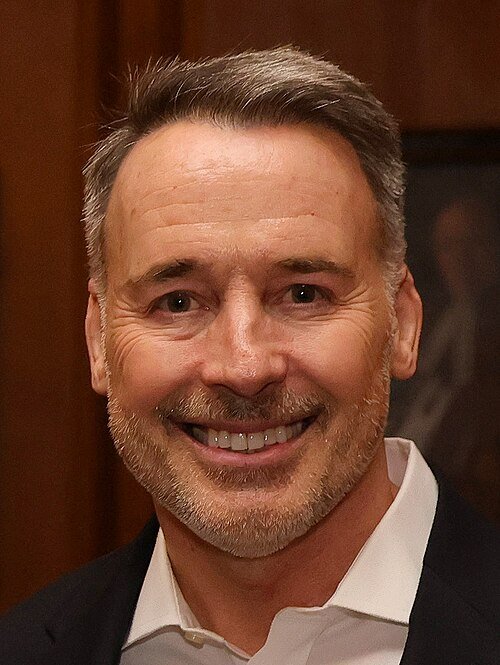
Filmmaker David Furnish has said alleged Daily Mail hacks of him and Elton John were “an abomination,” a damning description delivered during a high‑profile privacy lawsuit against the publisher of The Daily Mail and Mail on Sunday. Furnish, who is married to music legend Sir Elton John, spoke in London’s High Court as part of a group of public figures claiming that information about their private lives was unlawfully obtained and used by the newspaper’s publisher, Associated Newspapers Ltd (ANL).
Furnish’s testimony, given via videolink this week, formed part of a multi‑day trial in which he and other claimants — including the Duke of Sussex, Liz Hurley and Sadie Frost — allege that The Daily Mail published articles between 2002 and 2015 based on information gathered through unlawful means such as landline tapping, intercepted communications and investigations conducted by private detectives. Furnish told the court that the alleged intrusion into his and John’s private life — including details about medical information and their children’s birth certificate — left him feeling deeply violated and betrayed by a media outlet he said had “a long and difficult history” with them.
“This wasn’t reporting. This was a breach of trust,” Furnish said in written evidence submitted to the High Court. “To know that they were enabled to do this to us through stolen information, setting private investigators on us, and landline tapping and recording our live telephone calls, is an abomination.”

Allegations at the Heart of the Case
The legal action centres on the claim that ANL used unlawful information‑gathering methods — including alleged phone and landline hacking, hiring private investigators, and gleaning confidential data — to fuel story ideas and sell copies. Furnish and Elton John argue that at least ten articles about their personal lives were based on these breaches, including deeply sensitive matters such as Elton John’s medical treatment and details surrounding the birth of their children. Furnish said the alleged machinations went beyond simple gossip and veered into exploitation and intrusion with profound emotional consequences.
Furnish also criticised what he described as the “judgmental and narrow‑minded” tone of coverage about him and John, claiming that the newspaper’s editorials often seemed designed to undermine their lives and reputations rather than to report legitimate news. He pointed to articles pairing private legal or medical information with photos intended to ridicule or sensationalise.
Defence and Denials
ANL denies all allegations, saying the claims are “unsupported by any evidence before the court” and asserting that the disputed stories were based on lawful sources such as public records, spokesperson statements and contacts within the couple’s social circle. Lawyers for the publisher have also said that friends and associates sometimes provided information to journalists, which the newspaper then used legitimately in reporting.
The publisher’s counsel argued that the claims depend on assumptions about leaked sources rather than concrete proof of illegal conduct, maintaining that none of the articles under dispute can be definitively linked to unlawful information gathering.
Wider Context and Other Claimants
Furnish’s testimony occurs within a broader trial that includes other prominent figures alleging similar privacy breaches by The Daily Mail publisher. For example, Prince Harry earlier told the court that the newspaper’s actions made his wife’s life “an absolute misery” and left him feeling “paranoid beyond belief,” while actress Sadie Frost described her own distress.
The case has drawn significant public attention, spotlighting issues of media ethics, personal privacy and the extent to which tabloid journalism can go in pursuit of headlines. Legal experts say the outcome — expected later this year after weeks of testimony — could have wide‑ranging implications for press practice and the enforcement of privacy rights in the UK.

The Emotional Toll
For Furnish and John, the legal battle is not only about legal redress but about vindication after years of what they see as intrusive media attention. Furnish recounted how a friend — actress Elizabeth Hurley — alerted them to allegations of unlawful tactics by private investigators in 2021, a revelation that prompted them to pursue legal action. He said that without that warning, they might never have known the extent to which private details were allegedly accessed or used.
“It’s not just about us. It’s about the principle that no one — celebrity or not — should have their private life barged into and made public without consent,” Furnish said.
As the trial continues, both sides prepare to make final submissions, with judgment expected in the coming months — a decision that could reverberate across the British media landscape.
Publication Details
Published: 6 February 2026
The English Chronicle Desk
UK News
Related News:
 Pop Stars Call on UK Government to Cap Resale Prices for Fans
 UK Government to Ban Reselling Tickets Above Face Value
 Tasers Introduced in UK Prisons to Combat Rising Violence and Protect Staff
 Supreme Court Ruling on Car Finance Scandal Poised to Impact Millions of Motorists and Banks
 Targeted Attack in Bury Sparks Murder Investigation as Community Awaits Justice
 Man Remanded After Children Fall Ill at Leicestershire Summer Camp in Shocking Child Cruelty Case
 Unseen Killers of the Deep Inside the UK Lab Uncovering the Silent Deaths of Sea Creatures
 Prison System Faced Collapse Under Sunak’s Leadership, Reveals Damning Review
 AI Revolutionises Grooming Gang Investigations as Police Target Cold Cases Across England and Wales
 Jack Osbourne Breaks Silence with Heartfelt Tribute Following Ozzy Osbourne’s Funeral
 Diane lost her husband to a reckless driver — and the long wait for justice was nearly just as agonizing.
 Russell T Davies Warns of Declining UK Gay Rights Amid Rise of Reform UK and Trump Influence
 Police Advised to Disclose Ethnicity of Suspects in High-Profile Cases
 Inquest Finds Agency Worker Failings Led to Unlawful Death of Vulnerable 14-Year-Old
 Terence Stamp, ’60s British Film Legend and Star of Superman, Dies at 87
 Major Brand Has Advert Banned for Suggesting Black Skin Is ‘Problematic’
 Merseyside Police Helicopter Crew Cleared After Low-Altitude Pursuit of Suspect
 Millie Bobby Brown and Jake Bongiovi Begin Parenthood Through Adoption
 High Court Rules Against Noel Clarke in Libel Case Against Guardian Publisher
 Angela Rayner Faces Scrutiny as Stamp Duty Row Deepens
 Tanni Grey-Thompson Faces Abuse Over Opposition to Assisted Dying Bill
 UK Launches Major Crackdown on Networks Profiting from Online Child Sexual Abuse
 Corbyn and Sultana Clash Over Membership Portal as Divisions Surface in New Leftwing Party
 Watchdog, Cornflakes and Courage: Remembering John Stapleton, a Broadcaster Who Did It All
 Dawson’s Creek” Cast Reunites for Special Broadway Benefit to Support James Van Der Beek
 Mahmood Pledges Reform of Modern Slavery Laws After Court Blocks Deportation Appeal
Actor Noel Clarke Arrested at London Home Amid Ongoing Investigation
Mahmood Pledges Reform of Modern Slavery Laws After Court Blocks Deportation Appeal
Actor Noel Clarke Arrested at London Home Amid Ongoing Investigation
 Patricia Crowther, Known as UK’s Oldest Witch, Dies Aged 97
 Migrants in UK May Need to Contribute or Face Removal, Home Secretary Signals
 Jailed Georgian Opposition Leaders Warn UK of Iranian Links to Ruling Party
 No Evidence Found to Substantiate Alleged Rape in Oxfordshire Churchyard, Police Confirm
 Jilly Cooper: The Bonkbuster Queen Who Redefined Romantic Fiction
 Digital ID Plans Ignite Debate Over £600m Treasury Tax Boost and Privacy Concerns
 Celebrity Traitors First Look: A Star-Studded Highland Adventure That Hooks from the Start
 Who is Ruth Codd? All about the Irish actress on Celebrity Traitors
 Paedophile Singer Ian Watkins Dies After Prison Attack
 Strictly Celebs Starstruck as Cynthia Erivo Shines
 Dave Ball: The Unsung Genius Behind Soft Cell’s Bold Sound
 Fabio Wardley stuns Joseph Parker to earn Usyk title shot
 Prunella Scales: From Fawlty Towers Icon to Beloved Canal Explorer
 Johnson Approved China’s London ‘Super-Embassy’ in 2018
 Charlie Kaufman: They told me Being John Malkovich would never get made
 Kate Winslet to Narrate Film Highlighting King’s Environmental Mission
 Afghan man charged with murder after west London knife attack
 Hollywood Is an Industry of Looney Tunes Pretending to Be Normal
 French Taxi Driver Cleared in David Lammy Theft Case After Fare Dispute
 Top Christmas Books Reads: Classics to Cozy Romcoms
 Just Stop Oil Protesters Convicted Amid Climate Defence Row
 Oprah enjoys Meghan’s jam on English muffins
 Pauline Collins, Beloved ‘Shirley Valentine’ Star, Dies at 85
 Newcastle United Lifts Ban on Fan Over Gender-Critical Views
 I’m a Celebrity 2025 line-up revealed: Osbourne joins
 King Charles to Lead Nation in Remembrance Sunday Service
 Government urges schools to ban phones to curb classroom disruption
 VAR Must Rein Its Neck In to Save Football’s Spirit
 Major Rent Reform Ends No-Fault Evictions in England
 Peers Flood Assisted Dying Bill with 942 Amendments
 UK Asylum Overhaul Sparks Debate Over Human Rights and Deportations
 UK Asylum Reforms: Temporary Refugee Status and Faster Deportations
 Mahmood Defends Tough Overhaul of UK Asylum System
 Eminem Takes Legal Aim at Australian ‘Swim Shady’ Brand
 Westminster Advances Legacy Bill Amid Criticism
 Serial Rapist and Former Cop Found Guilty Again
 Reggae Legend Jimmy Cliff Dies at 81
 Peers Get Extra Time to Debate Assisted Dying Bill
 Virgin Media Fined £23.8m Over Telecare Safety Failures
 UK Police Forces Face Criticism Over Biased Facial Recognition Use
 Prince Andrew Named Punchline in Top Christmas Cracker Joke
 Starmer’s communications chief to outline media strategy overhaul
 Google Employee Claims Redundancy After Harassment Report
 Plans to Limit Jury Trials Face Retreat After Mounting Opposition
 Woman Jailed for Life After Killing E-Bike Rider in Tragic Mistaken Identity Case
 Betfair Faces Pressure Over Funds Lost to Gambling Fraud
 HMRC Delays Leave Taxpayers Waiting Over a Year for Refunds
 Prince Harry’s Trial Against Daily Mail Puts UK Press on Edge
 Starmer tariffs stance rejects US trade retaliation
 Study Finds One in Seven England Takeaways Are Dark Kitchens
 Emails Show Epstein Funded Mandelson’s Husband After Jail
 Police Probe Mandelson Over Alleged Epstein Leak
 Appeal to B&B Owners Over Cash Point Ram-Raid