Published: 20 February 2026. The English Chronicle Desk. The English Chronicle Online.
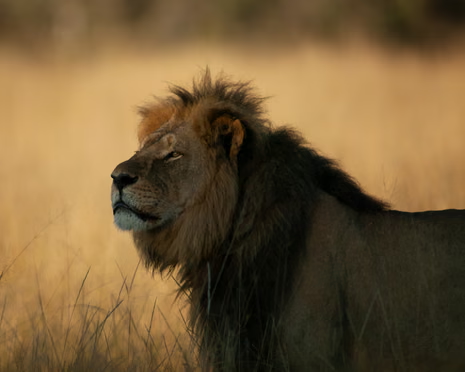
The documentary Cecil: The Lion and the Dentist revisits a shocking 2015 incident that left a global audience enraged. The story revolves around the killing of Cecil, a majestic lion in Hwange National Park, Zimbabwe, by Dr Walter Palmer, an American dentist. While some hunts are for food or livestock protection, Cecil’s death was a trophy kill, highlighting the complex relationship between humans and wildlife. For many, the outrage stemmed from the sheer audacity of killing such a well-known animal, who had become an icon for conservationists and tourists alike.
Cecil was no ordinary lion. At twelve years old, he led two prides, combining wisdom with strength, and had been part of an Oxford University research project. The study monitored lions’ movements to set sustainable hunting quotas, aiming to balance conservation with the economic needs of local communities. In June 2015, researchers noticed a gap in data from Cecil’s GPS collar, indicating something had gone wrong. Within days, they discovered his headless, skinned body, confirming fears that the lion had been killed illegally. This moment became a symbol of humanity’s often destructive interference with nature.
The circumstances of the hunt were particularly controversial. Cecil had strayed from the protected park into a hunting concession, where Palmer, guided by local professional hunter Theo Bronkhurst, took the shot. There was no legal quota for lions in the area that year, as populations needed to recover from previous hunting pressures. Palmer later defended himself by claiming reliance on local guidance, while Bronkhurst was arrested, though charges against him and the landowner were eventually dismissed. The world’s media rapidly seized on the story, amplifying public anger and sparking debates about ethics in trophy hunting.

The documentary uses Cecil’s death as a lens to examine broader issues surrounding wildlife conservation in Zimbabwe. Hwange National Park represents a delicate balancing act, where authorities attempt to preserve biodiversity while also supporting communities that rely on the tourism and hunting industries. For decades, these arrangements have been fraught with tension, as locals often feel excluded from the economic benefits. The film hints at the displacement of indigenous tribes in 1928 to create Hwange, showing how conservation policies have historically favored certain interests over traditional ways of life. Yet, it stops short of fully exploring the social, economic, and political motivations behind these decisions.
One of the most compelling aspects of Cecil’s story is how it exposes conflicting attitudes toward wildlife. Western audiences often view animals like Cecil as sacred or emblematic, a perspective reinforced by conservation campaigns. Meanwhile, communities living alongside these animals must negotiate survival, development, and tradition. The film acknowledges that hunting revenue is intended to benefit local populations, but lacks transparency, leading viewers to question who truly profits and whether corruption or mismanagement is involved. Such omissions leave a fragmented understanding, yet they also reflect the real-life complexities of conservation economics in southern Africa.
Ethical questions dominate the narrative, raising profound concerns about humanity’s treatment of animals. Trophy hunting, by definition, rewards skill and status over necessity, yet it remains intertwined with conservation policy in some regions. Should the unregulated killing of rare animals be permitted when it can finance protective measures for entire ecosystems? Do outsiders’ emotional reactions sometimes overshadow the nuanced realities faced by those living among wildlife daily? These tensions underscore the moral dilemmas explored in Cecil: The Lion and the Dentist, revealing how conservation, commerce, and sentiment intersect uneasily.
The documentary also touches on the role of media and public outrage. The story of Cecil’s death quickly became a global sensation, amplified through social platforms and news outlets. Visual evidence of Palmer posing with the carcass fueled anger, leading to widespread condemnation and protests. Yet, the film subtly suggests that public sentiment may not always reflect ecological realities. In other words, Western audiences may project ideals onto African wildlife management without fully appreciating local circumstances or the practical challenges of species protection.
Additionally, the film briefly examines the safari industry, which relies heavily on tourists seeking encounters with charismatic wildlife. While hunting is controversial, wildlife photography and tourism also generate significant revenue, often exceeding the economic gains from trophy hunts. The juxtaposition of these industries in the documentary hints at an ethical gray area: the commodification of animal experiences raises questions about exploitation, sustainability, and whether certain human pleasures should outweigh ecological responsibility. These issues are presented but not fully dissected, leaving the viewer to ponder deeper questions about how humans relate to nature.
Cecil’s death remains emblematic because it represents both loss and learning. His killing highlighted flaws in regulatory enforcement, gaps in transparency, and the sometimes competing interests of conservationists, locals, and international stakeholders. Beyond moral outrage, the case prompted renewed discussions on hunting quotas, community benefits, and the responsibilities of foreign hunters operating abroad. The documentary, though occasionally fragmented in exploring these dimensions, succeeds in keeping viewers emotionally engaged while prompting reflection on how wildlife, humans, and policy interact.
The film’s portrayal of Zimbabwean communities illustrates the challenges of balancing tradition with modern pressures. People living near protected areas are often expected to tolerate large predators while receiving little tangible benefit from conservation efforts. This imbalance fosters resentment, yet also underscores why controlled hunting and tourism revenue can be vital for local livelihoods. The documentary highlights this paradox, encouraging viewers to consider the complex motivations behind conservation decisions, which rarely align neatly with public perceptions of ethics or justice.

Ultimately, Cecil: The Lion and the Dentist is more than a recounting of a single animal’s death. It is a meditation on human nature, conservation ethics, and the complicated dynamics of global attention. By framing Cecil’s killing against broader systemic issues, the film urges viewers to think critically about wildlife management, economic dependence, and the moral questions raised by human interference in natural habitats. The story of Cecil, majestic and lost, remains a cautionary tale for the world, reminding us that every interaction with nature carries consequences that resonate far beyond a single moment.
While the documentary occasionally sacrifices depth for narrative flow, its emotional resonance is undeniable. It captures public anger, ethical debate, and ecological concern with warmth and sensitivity, balancing shock with insight. Viewers are left to wrestle with their own assumptions about morality, responsibility, and the human propensity to dominate nature. Cecil’s legacy, as immortalized in this film, continues to spark discussion about the ethics of hunting, the allocation of conservation funds, and how global outrage can intersect with local realities in sometimes unexpected ways.
In conclusion, Cecil’s story, as depicted in Cecil: The Lion and the Dentist, remains a powerful case study in the tension between human desire and ecological stewardship. The documentary encourages reflection on the interplay between economic necessity, conservation policy, and ethical considerations. While some aspects feel underexplored, the emotional impact of Cecil’s death and the global discourse it inspired are unmistakable. His life, leadership, and tragic demise continue to influence debates on wildlife protection, ethical hunting, and the moral responsibilities humans hold toward the natural world.
Related News:
 UK Banks Granted Reprieve as BoE Delays Basel III Capital Rules Until 2028
 Singapore Corruption Scandal: Details Emerge on Iswaran’s Luxury Flight and Ties to Tycoon Ong Beng Seng
 Corfu Beyond the Crowds: Discovering Serenity in Southern Villages and Hidden Taverns
 Peter Andre Praises Son Junior’s ‘Quiet Season’ Amid Ongoing Family Dispute
 Massive 641-Mile Storm Set to Batter UK with 15 Hours of Rain and Strong Winds
 Jeremy Clarkson’s Pub: A Sunday Lunch Like No Other
 Scottish Government Mandates Single-Sex Toilets and Changing Facilities in Schools
 Reeves Faces Setback as Labour May Miss Homes Target
 Kate Winslet to Narrate Film Highlighting King’s Environmental Mission
 Trump’s UK Ambassador Urges North Sea Drilling to Strengthen US Ties
 Federal Immigration Shift: Officers Leave Louisiana for Minneapolis
 Fatal Bolton Taxi Crash Claims Three Teens and Driver
 Australia grants Asio powers to designate hate groups under new laws
 Friedman Uninvited From 2024 Adelaide Writers’ Week
 ScottishPower Tops List of Worst UK Energy Suppliers
 Judi Dench Champions Fight to Save London’s Green Spaces
 Crowborough Camp Welcomes First Asylum Seekers
 BBC Funding Crisis: Tim Davie Warns of Jeopardy Ahead
 ABC Facebook Page Briefly Hacked, Adult Photos Posted
 Artificial intelligence will cost jobs, admits Liz Kendall
 Older Women Vanish from BBC Screens, Review Confirms Bias
 Meta trial over child exploitation claims begins
 Streeting moves on doctor pay to end strike dispute
 Ben Stokes injury joke after brutal ball strike
 UK and US Drop in Global Corruption Index Rankings
 Send spending gap leaves deprived areas behind
 Hidden Crisis: Domestic Abuse Suicide Toll in UK
 UK Unemployment Rate Climbs to 5.2% Peak
 Canberra Poster Seizure Sparks Free Speech Row
 California Democrats Vow Trump Reckoning
 British Dual Nationals Face Travel Block From UK, Home Office Confirms
 Trump’s Surgeon General Pick Evades Vaccine Questions
 Facial Recognition Error Leads to Wrongful Arrest in Milton Keynes
 The Dangerous Rise of Remigration Across Modern Europe
 Green Party Stuns Labour in Gorton and Denton Byelection
 Labour Together scandal sparks clean break vow
 Grocery Inflation Rises Amid War Fears
 Zorevunersen Breakthrough for Dravet Syndrome
 BrewDog sold Highland estate for knockdown price after abandoning reforestation plans
 Taking Multivitamins Daily Could Slightly Slow Ageing, Study Finds
 US Missile Strike on Iran School Sparks Global Shock
 Champions League Failure Sparking Premier League Crisis
 NHS Plans to Cut Overseas Workers Labeled Overambitious
 Utah Woman Found Guilty of Poisoning Husband for Inheritance
 Oil Slides, Stocks Jump on Trump Peace Signals
 African World Cup Fans Face $15,000 Entry Bond Fee
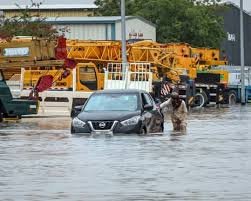 Middle East Deluge: Freak Storms Bangle Desert Nations
 Farage Shuns Truss as US Right-Wing Roadshow Hits London
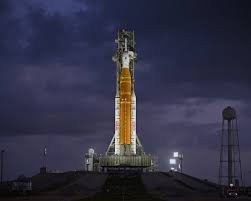 Artemis II: Humanity Returns to the Moon After Decades
 Italian Town Buys Mussolini Villa to Keep Away Fascist Fans
 The Price of Hubris: Trump, Netanyahu, and the ‘Easy’ War
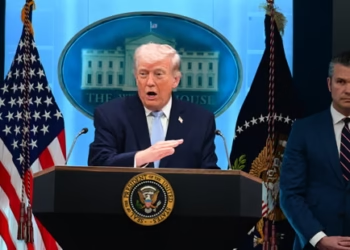 Trump and Tehran Find Common Ground in Landmark Ceasefire
 National Energy Grant Proposed to Slash UK Household Bills
 Stefano Gabbana Resigns as Chair of Italian Luxury Giant
 Rolls-Royce SMR Secures £600m Boost for Nuclear Future
 Kyiv and Odesa Mourn After Deadly Wave of Russian Strikes
 Medellín’s Green Revolution: A Global Climate Blueprint
 Robots Outpace Humans in Beijing Half-Marathon
 US Forces Seize Iranian Ship Near Hormuz Blockade
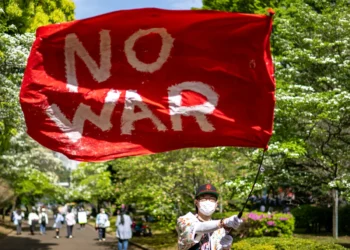 Japan’s Youth Defend Pacifist Constitution
 Investigation: Offshore Loans and Sanctions
 Trump Defiant After Washington Hotel Shooting
 Cross-Border Crisis Shatters Fragile Afghan Peace
 Urban Flood Crisis: A Growing Threat to English Homes
 The Fear Gap: Why Europe Feels Less Safe Than It Is
 US Military Pacific Boat Strike Kills Three People
 Dettol Apologises for ‘Toxic Men’ Advert Backlash in China
 UK Care Crisis: Row Explodes Over New Visa Settlement Rules
 Sainsbury’s Boss Optimistic As Grocery Inflation Eases
 US Advance Past Bosnia in World Cup Thriller
 Trump’s Mount Rushmore Speech: A Divisive Anniversary
 Trump’s Red-Card Intervention Hurts the US World Cup
 US Airman Avoids British Court in Indecent Exposure Case
 Britain’s Mini Fan Craze Sparks Major Waste Crisis
 Trump Swaps Planes Amid Iran Tensions
 Ann Widdecombe, Formidable Political Figure, Dies at 78
 UK Schools Struggle as Classrooms Top 40C
 Yemen Accuses Iran of Violating National Sovereignty
 Houthis Strike Saudi Arabia as Middle East Tensions Rise
 Former Diplomats Urge UK and France to Act on Palestine