
Published: 23 February 2026 . The English Chronicle Desk. The English Chronicle Online
For many, daily routines are something to endure — the morning coffee, the commute, the habitual scroll through social media. Yet research increasingly suggests that daily rituals, whether simple or elaborate, carry profound psychological and emotional benefits.
Psychologists define rituals as structured, repeated actions that hold symbolic meaning. Unlike mindless habits, rituals are purposeful and can range from morning stretches and journaling to shared family meals or evening tea ceremonies. Studies indicate that engaging in rituals can reduce stress, enhance focus, and foster a sense of control in an unpredictable world.

Dr. Eleanor Grant, a cognitive psychologist at the University of Oxford, explains: “Rituals provide predictability and structure. They can anchor us during times of uncertainty, and the repetition signals to our brain that we are in control, which can reduce anxiety and improve overall wellbeing.”
One study published in the Journal of Experimental Psychology found that people who performed small daily rituals before public speaking or challenging tasks reported significantly lower stress levels and better performance than those who did not. The researchers concluded that even brief, intentional routines can prime the mind and body for success.
Beyond stress reduction, rituals can strengthen social bonds. Family dinners, communal prayers, or weekly cultural traditions allow participants to share experiences, reinforce identity, and cultivate a sense of belonging. These social rituals are linked to higher life satisfaction and emotional resilience.
Rituals also serve as markers of transition. Wedding ceremonies, graduation speeches, or even the simple act of closing a work laptop at the end of the day can signal closure or a shift in focus, helping the brain compartmentalize experiences and reduce cognitive overload.
Experts emphasize that the power of rituals lies in their intentionality. It is not the complexity of the action that matters, but the meaning and mindfulness behind it. A five-minute morning meditation or a nightly gratitude reflection can be just as impactful as a multi-hour ceremony if performed with purpose.

For individuals navigating stress, uncertainty, or life transitions, daily rituals offer accessible tools to enhance emotional wellbeing. Whether it’s a morning jog, a cup of tea at sunset, or a brief journaling session, these repeated, meaningful acts can help create stability, foster clarity, and even boost mental performance.
As life becomes increasingly fast-paced and unpredictable, incorporating small, intentional rituals into everyday routines may be one of the simplest and most effective ways to support mental and emotional health. In the rhythm of repeated, mindful actions, we can find comfort, focus, and a surprising sense of power over the chaos of daily life.
Related News:
 Illegal Skin Lightening Cream Being Sold in UK Butchers, Watchdog Warns
 Adoption Breakdown Ended My Career and Relationship – ‘We’re Told to Get On With It’
 Mind Launches Inquiry into AI and Mental Health After Guardian Investigation
 Mystery GP on Train Saves Passenger’s Life
 ‘A Disgrace’ — Patient Blasts Neurology Report
 Gaming Helps Woman Cope with Rare Health Condition
 NHS Resident Doctors Vote for Strike Action Amid Escalating Pay Dispute
 Concerns Mount Over Accuracy of At-Home Health Tests as Study Calls for Stricter Regulation
 Ageless Energy: How Life After 40 Is Sparking a New Era of Vitality and Innovation
 Labour Faces Standoff as NHS Strike Exposes Deeper Crisis
 The Ketamine Crisis in the UK is a Silent Epidemic Leaving Users with Lifelong Pain
 It’s Thanks to Gabby That I Caught My Prostate Cancer in Time’ – Kenny Logan Opens Up on His Battle and His Mission to Save Lives
 Rugby Confronts Safety Concerns with Smart Mouthguards at Women’s World Cup
 Cats Develop Dementia Similarly to Humans, Study Finds
 Alarming rise in abusive teen relationships in the UK sparks urgent warnings
 Compulsory Period Education for Boys and Girls Urged by New Study
 Calls Grow for a Complete Ban on Smacking as Public Opinion Shifts
 Costa Blanca Holiday Horror as Food Poisoning Outbreak Hits Four-Star Hotel
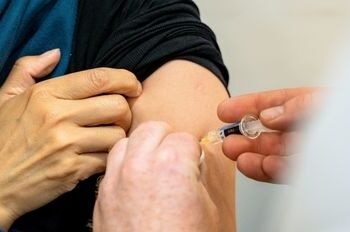 NHS Launches Free Flu Vaccine Drive as Millions Urged to Get Protected
 Why E-Bikes and E-Scooters Are Making Streets a ‘Nightmare’ for Blind People
 Millions in the UK at Higher Risk of Heart Failure and Stroke Due to Air Pollution, Study Warns
 British Pilot Joins Crew Training for Year-Long Mars Simulation Mission
 UK Graduates in Healthcare Report Highest Satisfaction with Degree Choices
 Systemic Racism in Maternity Care Continues to Endanger Black Women in England, MPs Warn
 One in Three GPs in England Do Not Work in NHS, Raising Concerns Over Access to Care
 UK Doctors Guilty of Sexual Misconduct Continue Practising Amid Weak Sanctions, Research Finds
 UK Health Officials Monitor New ‘Stratus’ Covid Variant Amid Rising Cases
 Questions Remain as Rugby Legend Lewis Moody Faces Motor Neurone Disease Diagnosis
 Sir Michael Caine Urges Starmer to End Smacking in England
 One in 12 Secondary Pupils Sent to Isolation Weekly
 M&S and Morrisons Lead Christmas Supermarket Taste Test
 New Prostate Cancer Drug Set to Halve Death Risk in England
 Hospice Cuts Raise Alarm Across England Amid Funding Crisis
 Patients to Test Health at Home to Ease NHS Winter Pressure
 Shouting Works Best to Deter Gulls, UK Study Finds
 Reeves rejects £1bn plea for NHS redundancy payouts
 Senator John Fetterman Hospitalized After Fall from Heart Flare-Up, Keeps Sense of Humor
 New AI tool could cut wasted efforts in organ transplants
 Stroke Patient Mistaken for Drunk, Care Delayed
 ‘Traumatic Wait’: Northern Ireland Women Face Breast Cancer Delays
 Healthy Habits in Your 30s That Boost Life in Your 70s
 Scottish Families Take Legal Action Over School CO Leak
 Coffins Now Too Large to Cremate Amid Rising Obesity Crisis
 Vicki Fears Losing Motability Car
 Five-Year-Old Dies After Rare Tonsil Surgery Complication
 Fibromyalgia Patients Struggle as NHS Fails to Provide Care
 More Patients Now Contacting GPs Online, Data Shows
 Streeting Orders Review Amid Rising Mental Health Benefit Claims
 Kenya Signs $2.5bn Health Deal with US Amid Data Concerns
 Energy Drinks Linked to Rising Heart and Stroke Risks
 Resident Doctors Seek Fresh Talks to Prevent New NHS Strikes
 Damien Martyn in Induced Coma After Meningitis Diagnosis
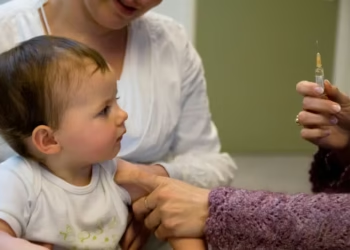 Children to Receive Home Vaccines as England Acts
 Childhood Hypertension Sparks Urgent UK Testing Calls
 Local Fish Could Boost UK Health and Economy Significantly
 NHS Violence Crisis: Staff Face Daily Assaults
 Celebrity Campaign Highlights SMA Screening Failures
 UK Glaucoma Rise Signals Looming Eye Health Crisis by 2060
 Reform UK Health Plan ‘Would Cost £1.7bn’, Streeting Says
 AI breast screening cuts later cancer diagnoses by 12%, study finds
 Pneumonia Surge Pushes England Emergency Cases Higher
 South Africa’s Garden Route Gem Faces Looming Water Crisis
 Labour Utterly Humiliated by Straight-Talking Mum Who Cut Through Keir Starmer’s Insanity
 Most Statin Side-Effects Are Not Caused by Drugs, Study Confirms
 Headline: Measles Alert: Dr Oz Urges Americans to Vaccinate
 Renters Furious as Decent Homes Standard Delayed Until 2035
 FLOOD TRAGEDY: Man Dies After Entering Floodwater During Police Chase
 Motorists Could Face ‘Mandatory’ Driving Ban for Road Offences Under Tougher Laws
 US Civil Rights Leader Jesse Jackson Dies Aged 84
 Disability and LGBT Hate Crimes Set to Become Aggravated Offences
 Snow and Rain Warnings as Cold Snap Continues in the UK
 Flooding May Worsen Before It Improves as More Rain Forecast for the UK
 UK MPs Demand Ban on Brazilian Butt Lifts
 Last‑ditch Call to Save Police Front Counters in London
 NHS Urges Nine Million People to Get Therapy
 Trans Youth Care Crisis: NY Hospital Ends Gender‑Affirming Treatment
 Epstein Eyed Record Label Investment to Access Women, Files Suggest
 Dad Found in Bed with Daughter 16 Years After Abandoning Her as a Child
 ‘Don’t Make Us Security Guards,’ Says Teacher Stabbed by Pupil
 Toddlers in Finland Lead the Fight to Save Sámi Language