Published: 24 February 2026
The English Chronicle Desk
The English Chronicle Online
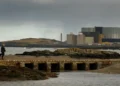
A 19th-century Victorian bridge facing structural decline could be preserved for future generations if vehicles are permanently banned from crossing it, according to conservation officials and local campaigners. Engineers have warned that continued exposure to modern traffic loads is accelerating deterioration in the historic structure, prompting renewed debate over whether heritage preservation should take precedence over vehicular access.

The bridge, constructed during Britain’s industrial expansion in the mid-to-late 1800s, was originally designed for horse-drawn carriages and light pedestrian use. Like many Victorian crossings built from cast iron and early steel components, it was never engineered to withstand the sustained weight and vibration generated by modern cars, vans and heavy goods vehicles. Over time, cumulative stress has weakened load-bearing elements, while corrosion has compounded the risk.
Structural surveys conducted in recent years identified cracking in iron segments, fatigue in joints and signs of material thinning in areas exposed to moisture. While the bridge remains open under weight restrictions, transport engineers caution that patchwork repairs alone may not secure its long-term survival if traffic continues uninterrupted. Temporary strengthening measures have been applied, but experts describe them as mitigation rather than a permanent solution.
Local authorities are now considering a full traffic ban, allowing only pedestrians and cyclists to use the bridge. Advocates argue that removing vehicular loads would significantly reduce dynamic stress, limit vibration damage and prolong the life of original components. Conservation architects note that heritage bridges are particularly vulnerable because replacement of historic fabric can undermine their authenticity and listed status.
The bridge’s Victorian design is emblematic of Britain’s industrial-era engineering. Ornate ironwork, lattice trusses and decorative balustrades reflect a period when infrastructure projects were often designed with both function and aesthetic ambition. Comparable structures, such as the renowned The Iron Bridge in Shropshire, demonstrate how traffic restrictions can safeguard historic crossings while enhancing their cultural value as pedestrian landmarks.
In many cases, traffic bans have transformed heritage bridges into tourist attractions and community spaces. By removing vehicles, authorities can reduce structural wear while also improving air quality and public safety. However, such measures frequently encounter resistance from commuters and local businesses concerned about rerouted traffic and potential economic impact.
Transport planners involved in the current discussions acknowledge that alternative road capacity would be required to offset a permanent closure. Diversion routes may increase travel times, and in some rural or semi-urban settings, the bridge may represent a key connection point. Feasibility assessments are therefore examining traffic flow data, congestion modelling and potential infrastructure upgrades elsewhere in the network.
Financial considerations are also central to the debate. Full-scale structural restoration while maintaining vehicle access could cost several million pounds, particularly if replacement of load-bearing elements becomes unavoidable. In contrast, a traffic ban combined with targeted conservation work would likely reduce long-term maintenance expenditure. Funding streams for heritage infrastructure are limited, and authorities must balance fiscal constraints against preservation obligations.
Community opinion appears divided. Heritage groups emphasise the bridge’s historical significance and warn that irreversible structural failure would represent a cultural loss. Some residents have pointed to examples where delayed action resulted in emergency closures after sudden deterioration. Others argue that practical transport needs must be prioritised, particularly where alternative crossings are distant.
Engineering analysis suggests that vibration from heavy vehicles contributes disproportionately to fatigue damage in Victorian cast-iron structures. Unlike modern reinforced concrete bridges, 19th-century ironwork can be brittle under repeated stress cycles. Microfractures may propagate invisibly before manifesting as visible cracks. Removing traffic would therefore reduce cyclical loading and extend service life.
Environmental factors further complicate the equation. Increased rainfall patterns and temperature fluctuations accelerate corrosion in exposed metal components. Without significant intervention, degradation is likely to intensify over the coming decades. Conservation specialists emphasise that proactive traffic management is often more effective than reactive structural repair.
If approved, the proposed ban would require statutory consultation, traffic regulation orders and coordination with emergency services. Access arrangements for maintenance vehicles and disabled users would also need to be addressed. Authorities have indicated that any decision will follow a period of public engagement and technical review.
The case reflects a broader national challenge. Across the United Kingdom, hundreds of Victorian bridges remain in operation, many carrying traffic volumes far exceeding original design assumptions. As infrastructure ages, policymakers increasingly face choices between modernisation, replacement or preservation. Each option carries distinct cost, heritage and mobility implications.
Urban planners observe that traffic-free heritage bridges can generate secondary benefits. Pedestrianisation often stimulates local tourism, encourages cycling and enhances riverside or waterfront regeneration schemes. However, successful transitions typically depend on careful integration into wider transport strategy.

For the Victorian bridge now under consideration, time appears to be a critical factor. Engineers caution that delaying decisive action may narrow future options. A preventive traffic ban could stabilise the structure and allow methodical conservation. Conversely, continued heavy use may necessitate emergency closure if structural thresholds are exceeded.
The final determination will rest on balancing structural integrity, public safety and community mobility. What remains clear is that Victorian engineering, while robust for its era, was never intended to sustain 21st-century transport demands indefinitely. Whether through traffic restriction or comprehensive restoration, intervention will be required to ensure the bridge remains part of Britain’s built landscape rather than a casualty of modern load pressures.
Related News:
 South Africa’s Garden Route Gem Faces Looming Water Crisis
 Draft Severe Weather Plan Following Storm Flooding
 Cameras Installed to Monitor Flood Levels Across Vulnerable Areas
 What is Groundwater Flooding and Why Dorset is Seeing ‘Historical Highs’
 Dozens of Flood Warnings in England After Days of Non-Stop Rain
 Aberdeen Chosen for GB Energy HQ at Marischal Square
 What Happened to Bathroom Doors in Hotels?
 Temperatures Dip Below Freezing as Arctic Air Sweeps Across the UK
 Jet2 Hands Passengers Life Ban After Mid‑Air Brawl
 Dual Nationals Face Scramble for UK Passports as New Rules Come Into Force
 Abandoned UK Village Being Reclaimed by Nature is ‘Vast, Wild and Fascinating’
 UK-Bound Jet2 Flight from Spain Declares Mid-Air Emergency Over English Channel
 Bumper Ski Season but Avalanches Threaten Scotland’s Snowy Hills
 How a Welsh Village Saved Its Forest … and Its Future
 Storm Hernando: Edinburgh Airport Flights Cancelled in US Travel Chaos
 Storm Hernando: Edinburgh Airport Flights Cancelled in US Travel Chaos
 UK Must Act with Courage and Clarity on Israel-Palestine Conflict, Says Foreign Affairs Committee Report
 The Ketamine Crisis in the UK is a Silent Epidemic Leaving Users with Lifelong Pain
 London Set to Honour Euro 2025 Champions as Lionesses Take Victory Parade Through the Capital
 Targeted Attack in Bury Sparks Murder Investigation as Community Awaits Justice
 Princess of Wales Launches Animated Video Series to Support Early Childhood Development
 Heartbreak in the New Forest as Shetland Ponies Vanish, Community on Edge
 Fire Contained at Edinburgh’s Arthur’s Seat After Overnight Battle by Firefighters
 Premier League Supercomputer Predicts Tough Season for Man Utd Amid Three-Team Title Battle
 UK Weather: Heat Alerts Extended as Temperatures Set to Reach 30°C This Weekend
 Merseyside Police Helicopter Crew Cleared After Low-Altitude Pursuit of Suspect
 Education Leaders Call for End to Compulsory GCSE Resits in English and Maths
 Thousands of New School Nursery Places to Be Rolled Out Across England
 Tanni Grey-Thompson Faces Abuse Over Opposition to Assisted Dying Bill
 Birmingham Bin Strike Enters Sixth Month as Negotiations Stall
 Over 40% of Private Renters Forced to Ration Energy to Afford Bills, Study Reveals
 Systemic Racism in Maternity Care Continues to Endanger Black Women in England, MPs Warn
 Northern Ireland Faces Fears of Prolonged Race Riot “Permacrisis”
 Nigel Farage Unveils Controversial Immigration and Welfare Plans at Reform UK Press Conference
 Scottish Teenager’s Petition on Single-Use Plastics Gains Parliamentary Support
 White Low-Income Pupils in England Show Lowest Levels of School Engagement, Study Finds
 No Evidence Found to Substantiate Alleged Rape in Oxfordshire Churchyard, Police Confirm
 UK House Price Growth Slows as Buyers Exercise Caution Ahead of Autumn Budget
 Massive London Poundland Fire Engulfs High Street
 Paedophile Singer Ian Watkins Dies After Prison Attack
 UK border officers deployed to Balkans to tackle migrant smuggling
 UK MPs warn of repeat riots over online misinformation
 Giuffre’s bombshell memoir names Prince Andrew 88 times in shocking revelations
 M&S and Morrisons Lead Christmas Supermarket Taste Test
 Reeves Faces Setback as Labour May Miss Homes Target
 Kate Winslet to Narrate Film Highlighting King’s Environmental Mission
 Trump’s UK Ambassador Urges North Sea Drilling to Strengthen US Ties
 UK Bans Fake Numbers: Scammers Lose Their Trick
 Millionaires group urge Reeves to introduce wealth tax to ‘lift kids out of poverty’
 Reeves rejects £1bn plea for NHS redundancy payouts
 PM Condemns Leaks, Vows Loyalty to Ministers and Stability
 Inside the Helpline Protecting Missing Children in the UK
 PlayStation PS5 Deals Hit Lowest Prices Ahead of Black Friday
 Five-Year-Old Dies After Rare Tonsil Surgery Complication
 Starmer Says Labour’s Economic Plan Needs Years to Deliver
 Historic £100-Weekly Pension Boost Brings Relief for UK Mineworkers
 Children to Receive Home Vaccines as England Acts
 Cambridge College Faces Backlash Over Private School Recruitment
 Celebrity Campaign Highlights SMA Screening Failures
 Bereaved Fathers Gain New Paternity Leave Rights in UK
 Woman Jailed for Life After Killing E-Bike Rider in Tragic Mistaken Identity Case
 UK Ministers Drop Foreign Student Targets for Global Education Push
 No Gas Boiler Ban as UK Warm Homes Plan Backs Heat Pumps
 Shinzo Abe’s killer receives life sentence in Japan
 Police response times face strict new national limits
 Devon hosts first high-density hydro power system
 Pornhub blocks new UK users over age checks dispute
 UK New Car Discounts Near £6,000 as Prices Are Slashed
 Pneumonia Surge Pushes England Emergency Cases Higher
 Labour Utterly Humiliated by Straight-Talking Mum Who Cut Through Keir Starmer’s Insanity
 Major UK Clothing Firm Collapses into Administration — 109 Jobs at Risk
 Send spending gap leaves deprived areas behind
 Could Manchester Lead the UK’s Economic Revival?
 Motorists Could Face ‘Mandatory’ Driving Ban for Road Offences Under Tougher Laws
 Lloyds Boss Accepts Concern Over Use of Staff Data in Pay Talks
 With Scottish Freebies Under Threat, University Tuition Is on the ‘Hit List’
 Civil Service Pay: Union Urges Ministers to End ‘Barking Mad’ Limits
 How Do You Modernise Mango Farming? India’s Growers Urged to Innovate as Climate Change Hits
 UK Job Vacancies Hit Five-Year Pandemic Low
 Meet Robert Aramayo: From Humble Beginnings in Hull to Juilliard and BAFTA Glory After Beating Timothée Chalamet