Published: 24 February 2026
The English Chronicle Desk
The English Chronicle Online
Asia’s economic landscape is entering a period of cautious recalibration after the **U.S. Supreme Court struck down key tariff measures introduced under former President Donald Trump that had imposed heightened duties on imports from major trading partners. The landmark ruling, delivered late last week, found that Trump’s sweeping tariff regime exceeded presidential authority under the International Emergency Economic Powers Act, effectively nullifying a series of levies that had weighed on Asian exporters and global markets alike.

For many Asian economies heavily reliant on exports to the United States — especially China and India — the decision has been interpreted as a partial relief. Economists calculate that the weighted average U.S. tariff on Asian goods could fall significantly compared with the levels under the now‑disallowed policy, with average levies on Chinese products, for example, dropping from historically punitive rates to more moderate levels.
Financial markets across the region reacted positively on Monday, with technology shares in Hong Kong and South Korea leading gains and broader indices in cities from Singapore to Bangkok rising as investor confidence improved amid reduced trade tensions.
Yet the ruling does not end uncertainty for Asia. President Trump has signalled a policy pivot aimed at preserving his trade agenda through alternative legal avenues. The White House has proposed a uniform global tariff of 15 per cent under a seldom‑used provision of U.S. trade law, which would remain in force for up to 150 days without Congressional approval and potentially be extended if lawmakers consent.
That development has complicated Asia’s initial optimism. Governments from Taipei to Kuala Lumpur are closely examining how any new flat‑rate tariff will be implemented and what exemptions might be negotiated. Singapore’s Deputy Prime Minister warned that a broad 15 per cent duty could be difficult to resist in bilateral discussions, while Malaysian trade officials said their nation would work closely with both ASEAN partners and Washington to clarify the implications.
Despite the renewed spectre of higher levies, the immediate legal setback for Trump’s emergency tariffs has reaffirmed the role of judicial oversight over executive trade actions, a development that Asian policymakers have welcomed as a stabilising precedent. That reinforcement of legal constraints on unilateral tariff imposition may make future protectionist spikes easier to challenge in global trade architecture.
Market volatility remains a factor. The U.S. dollar weakened as Asian markets reopened following the ruling, reflecting lingering concerns about policy unpredictability. Analysts say that while the average tariff burden may have eased, the broader climate of uncertainty around U.S. trade policy continues to influence currency movements, investment flows and strategic decisions by multinational corporations.
The impact varies across Asia’s economic spectrum. Export‑heavy hubs like China and India stand to benefit most from lower effective tariff rates in the short term, potentially enhancing competitiveness in key sectors such as electronics, machinery and consumer goods. Vietnam, too, is perceived as a potential beneficiary because its export industries have woven deeply into global supply chains and may attract investment seeking tariff‑advantaged production bases.
Japan and South Korea, although less tariff‑sensitive due to existing trade partnerships and diversified markets, continue to monitor shifts in U.S. policy given their advanced manufacturing linkages with the United States. Their firms’ exposure to semiconductor and automotive supply chains means even small changes in duties can have ripple effects on capital expenditure and production planning.
Southeast Asian economies with significant export integration into global value chains are evaluating whether the court’s decision will prompt a re‑routing of goods or incentivise investment in additional capacity. Some analysts warn that if the broader uncertainty persists, companies may accelerate supply chain diversification away from U.S.-centric models, reinforcing trends toward intra‑Asian trade and investment.
At the diplomatic level, the ruling has revived talk of deeper engagement between Asian governments and the United States over trade frameworks. Taipei’s officials have underscored the importance of clear guidelines for tariff application, while New Delhi and Beijing have called for stable, rules‑based trade relations, arguing that protectionist measures ultimately harm global economic growth.

In summary, Asia’s immediate response to the dismantling of Trump’s tariff regime combines relief with vigilance. The reversal offers a window of reduced trade costs and firmer legal parameters on unilateral duties, but proposed replacements and ongoing legal uncertainty mean that long‑term strategic planning remains essential. Stakeholders across the region are preparing for a phase in which markets, trade negotiations and supply chain decisions will reflect not just tariff levels but confidence in the predictability of global trade policy.
Related News:
 Modi’s London Visit Seals Historic UK-India Trade Pact Amid Global Tensions
 Rubio Calls Russian Oil Imports a Strain on India-US Relations
 Rachel Reeves to lead UK trade push in Saudi Arabia amid rights debate
 Canada Passes Carney’s First Budget in Tight Parliamentary Vote
 India’s Labour Law Overhaul Sparks Fierce Debate
 Carney’s Alberta Pipeline Deal Sparks Immediate Pushback
 Austrian Airlines Halts Tehran Flights Amid Political Unrest
 Trump Administration Probe of Fed’s Powell Draws Pushback
 Mark Carney Walks Diplomatic Tightrope on China Visit
 ‘Repatriate the Gold’: Germany Debates Bringing Reserves Home
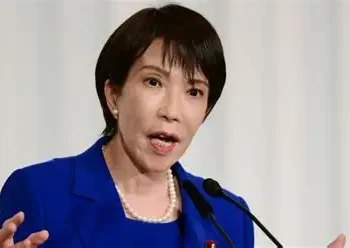 Japan Braces as Takaichi Begins New Term with Huge Mandate for Low‑Tax, Ultra‑Conservative Agenda
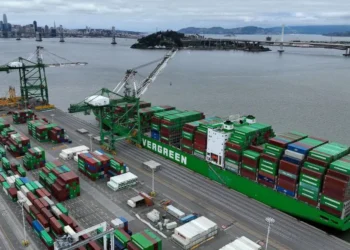 US Trade Deficit Hits Fresh High Despite Trump’s Tariffs
 Kinnock’s Rebuke Echoes Loudly as Corbyn Allies Launch Left-Wing Breakaway: “A Gift to Farage”
 UK and Norway Forge Stronger Ties Through Joint Sanctions and Enhanced Defence Cooperation
 Trump Administration Dismisses 17 Immigration Judges, Sparking Debate Over Judicial Independence
 UK Must Act with Courage and Clarity on Israel-Palestine Conflict, Says Foreign Affairs Committee Report
 Trump Threatens 100% Tariff on Nations Importing Russian Oil Amid India Standoff Over Ukraine War
 Radioactive Leak at UK’s Nuclear Warhead Base Sparks Outcry Over Safety and Secrecy
 Mutual Inconvenience: Why Alaska Was Chosen for the Trump-Putin Summit on Ukraine
 China’s crackdown on civil servant perks sparks economic concerns
 Chancellor Rachel Reeves Pushes for Sweeping Changes to Environmental Protections to Accelerate Development
 Hong Kong Summons UK and Australian Envoys Following Asylum Grants to Democracy Activists
 Is the UK Ready to Put Boots on the Ground in Ukraine? Assessing Military Capacity and Challenges
 Shein UK Faces Allegations of Shifting Majority of Profits to Singapore to Reduce UK Tax
 Conservative Influencer Charlie Kirk Fatally Shot During University Debate
 Thousands Gather in London to Protest Donald Trump’s Second UK State Visit
 Channel Crossings Surge: Over 1,000 People Arrive in the UK in Small Boats in a Single Day
 Widow of Charlie Kirk Forgives Killer at Emotional Memorial Service
 Yvette Cooper Signals Global Momentum Towards Gaza Peace Deal Amid Humanitarian Crisis
 Kemi Badenoch Unveils ‘Golden Rule’ to Halve Spending Cuts for Deficit Reduction at Tory Conference
 Public Trust in SNP Hits Historic Low Amid NHS Concerns
 Johnson Suggests Mandelson Linked to China Spy Controversy
 Rachel Reeves signals welfare reform ahead of key budget
 Ireland Votes as Two Women Compete for Presidency
 Russia’s Latest Push to Win US Favors Shows Deep Desperation
 Experts Warn Russia’s Burevestnik Missile Could Destabilise Arms Control
 Trump’s UK Ambassador Urges North Sea Drilling to Strengthen US Ties
BBC to Apologise Over Edited Trump Speech Amid Backlash
Trump’s UK Ambassador Urges North Sea Drilling to Strengthen US Ties
BBC to Apologise Over Edited Trump Speech Amid Backlash
 Britain deploys RAF specialists to assist Belgium with drone threats
 Millionaires group urge Reeves to introduce wealth tax to ‘lift kids out of poverty’
 Trump Urges Herzog to Grant Netanyahu Full Pardon
 Indian authorities demolish Kashmir home linked to Red Fort blast
 Greene Pushes Epstein Files Amid Trump Fallout
 Trump Deploys DHS to Charlotte in Major Arrest Operation
 December Run-Off in Chile as Election Produces No Winner
 Shadow Fleet at Sea: Europe’s Battle Against Illicit Oil Shipping
 Pentagon Officials in Ukraine to Discuss War End
 India’s COP30 Delay Raises Global Climate Concerns
 Venezuela Threatens Nobel Winner Machado with Fugitive Status
 Georgians Defy Government Crackdown After Year of Protests
 Starmer Says Labour’s Economic Plan Needs Years to Deliver
 EU plans $105bn Ukraine aid using frozen Russian assets
 Russia losses Ukraine war peace talks intensify amid rising deaths
 Albanese Opens Door to Bondi Royal Commission Amid Rising Pressure
 Trump Escalates Minnesota Immigration Surge Amid Rising Tensions
 Iran Protesters Defy Crackdown as Violent Clashes Intensify
 Trump Threatens Strong Action If Iran Executes Protesters
 Machado Trump medal gesture reshapes Venezuela power struggle
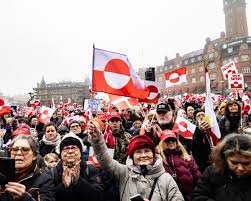 EU weighs response amid Greenland tariff crisis with Trump
 MPs warn AI financial risks threaten UK stability
 EU Says US Ties Have Suffered ‘Big Blow’ After Greenland Crisis
 Andrew Hastie Emerges as Leadership Rival to Ley
 UK New Car Discounts Near £6,000 as Prices Are Slashed
 Israel Moves to Bar MSF From Gaza Operations
 After the Landslide: Can India Reset Ties with BNP Bangladesh?
 Could Manchester Lead the UK’s Economic Revival?
 Australian Families Leave Syrian Camp for Home
 Starmer Weighs Fast-Tracking Defence Boost
 Macron Rebuked in Franco-German Defence Row
 Trump Attacks UK-California Energy Pact
 Nine Arrested in France Over Death of Far‑Right Student
 Trump and Chagos Deal Rift Over Iran Strikes
 Andrew Arrest Sparks Republic Debate in Australia
 Live Nation Sees Strong Ticket Sales as Monopoly Lawsuit Looms
 Australian PM Says Former Prince Andrew Has Suffered ‘Extraordinary Fall’ but That Won’t Prompt Republic Referendum
 Global corruption crisis: Who Washington shields
 Musk Cuts Starlink Access for Russian Forces – Giving Ukraine an Edge at the Front
 Farage Chagos Islands Row Sparks Fury
 How South Korea’s Democracy Rebounded After Martial Law Attempt
 Ukraine Negotiator Reveals What It Feels Like Facing Russia