Published: 24 February 2026. The English Chronicle Desk. The English Chronicle Online.
The Andrew inquiry into the Duke of York’s links with Jeffrey Epstein has moved firmly into Parliament’s hands. Downing Street confirmed that any formal Andrew inquiry would be a matter for MPs, not ministers. The statement follows renewed political pressure and fresh international attention surrounding the former royal’s conduct.
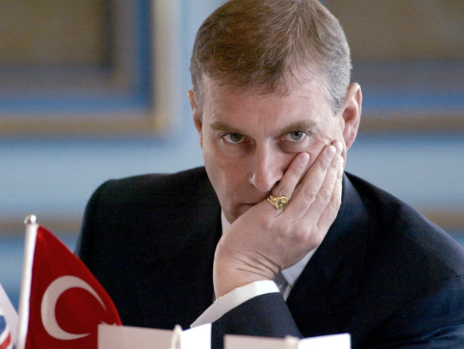
At the centre of the storm stands Prince Andrew, formally known as Andrew Mountbatten-Windsor. His long association with Jeffrey Epstein continues to cast a heavy shadow over public life. The late financier, convicted of sex offences involving minors, died in custody in 2019. His global network of contacts has since faced intense scrutiny across several countries.
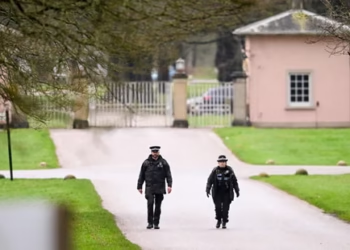
Last week, Andrew was arrested on suspicion of misconduct in public office. The Metropolitan Police confirmed that an investigation is ongoing. Officials have stressed that no conclusions should be drawn while inquiries continue. Nevertheless, the political response has been swift and deeply serious.
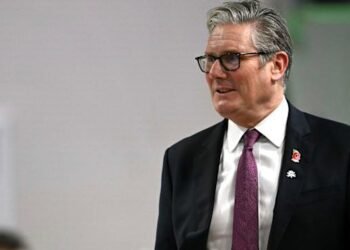
A spokesperson for 10 Downing Street said any Andrew inquiry would be for Parliament. The government insisted it must avoid prejudicing the active police investigation. Prime Minister Keir Starmer has maintained a cautious public stance. He has emphasised respect for due process and legal independence.

Pressure for transparency is growing among opposition parties. The Liberal Democrats confirmed they will use an opposition day debate to raise the issue. They are seeking greater clarity about Andrew’s previous role as a trade envoy. Questions centre on whether he acted appropriately and under adequate oversight.
Andrew served as an unpaid trade envoy from 2001 until 2011. During that period, he represented the United Kingdom in business and diplomatic engagements abroad. Critics now argue that his international contacts warrant detailed examination. They say Parliament must understand the extent of his official responsibilities.
Conservative MP Tom Tugendhat has also called for scrutiny. The former security minister suggested that Parliament should examine Andrew’s links to Epstein. He further indicated that broader questions of judgment and accountability require answers. His remarks signal that concern spans party lines.
In addition, former UK ambassador to the United States Peter Mandelson has faced separate allegations. He was arrested on suspicion of misconduct in public office earlier this week. While the cases are distinct, political debate has intertwined them. Some MPs argue that diplomatic appointments deserve closer parliamentary oversight.
The Andrew inquiry debate arrives at a delicate constitutional moment. Changes to the royal line of succession are not simple matters. They require legislation passed by Parliament. Furthermore, all fourteen Commonwealth realms must agree to any alteration.
King Charles III remains head of state in those nations. Therefore, constitutional reform would involve coordination beyond Westminster. Andrew currently stands eighth in line to the throne. Though he has relinquished official duties, his place in succession remains unchanged.
International reactions have added new dimensions to the discussion. Australian Prime Minister Anthony Albanese wrote directly to Starmer. In his letter, he confirmed Australia would not object to removing Andrew from succession. He described the allegations as grave and deserving full investigation.
Similarly, New Zealand signalled openness to reform. A spokesperson for Prime Minister Christopher Luxon indicated support for any UK proposal. These statements highlight the wider Commonwealth’s sensitivity to reputational concerns. They also underscore the seriousness with which the matter is treated internationally.
Legal experts note that succession reform would take considerable time. The precedent of the 2013 Succession to the Crown Act required agreement across all realms. That process demonstrated both complexity and diplomatic coordination. Any Andrew inquiry outcome could influence subsequent political calculations.
Public opinion in the United Kingdom remains divided yet concerned. Many citizens express frustration at perceived institutional opacity. Others emphasise the importance of allowing police to complete their work. The balance between accountability and due process lies at the heart of debate.
Downing Street has said it is “not ruling anything out.” However, officials repeatedly stress that commentary must remain limited. The government does not wish to interfere with an active criminal investigation. This careful language reflects constitutional caution and legal sensitivity.
Within Parliament, procedural tools are under consideration. One option involves a humble address motion. This mechanism can compel the release of official documents. It has been used previously in contentious political circumstances.
The Liberal Democrats argue that transparency strengthens democratic institutions. They insist Parliament cannot look the other way. At the same time, they acknowledge the need to avoid prejudicing investigations. Their planned debate aims to strike that balance carefully.
For Andrew, the developments mark another dramatic chapter. He stepped back from royal duties following earlier controversies. His 2019 interview about Epstein generated widespread criticism. Since then, he has largely remained out of public life.
Yet his former status as trade envoy continues to draw attention. That role provided access to influential political and business figures. Critics question whether sufficient safeguards were in place. Supporters argue that retrospective judgments risk unfairness.
Constitutional scholars observe that Parliament retains ultimate authority. An Andrew inquiry would likely involve committee hearings and document reviews. Witnesses could be called to provide evidence under oath. Such processes are designed to ensure impartial examination.
The monarchy itself has not issued detailed public comment. Buckingham Palace traditionally refrains from engaging in political matters. Nevertheless, the situation inevitably affects the institution’s reputation. Observers say careful handling is essential to maintain public trust.

International media coverage has intensified scrutiny. Headlines across Europe and North America reflect ongoing interest. The Epstein scandal continues to resonate globally. Any association with him remains politically and morally sensitive.
For Starmer’s government, the challenge lies in navigating competing pressures. It must demonstrate seriousness without overstepping legal boundaries. It must also reassure Commonwealth partners of constitutional stability. These demands require disciplined and measured communication.
The coming weeks will likely prove decisive. Parliament’s opposition day debate may clarify the appetite for a formal Andrew inquiry. Police investigations will proceed independently of political discussion. Each development will influence the broader narrative.
Ultimately, the principle at stake is accountability within public office. Britain’s democratic framework relies on transparent oversight. When allegations arise, institutions must respond responsibly. Yet they must also protect the integrity of legal proceedings.
As events unfold, the focus remains on evidence and procedure. The Andrew inquiry question sits at the intersection of law, politics, and monarchy. It tests constitutional norms and public confidence alike. Whatever the outcome, the debate reflects a society grappling with difficult truths.
For now, Downing Street maintains its cautious line. MPs will determine whether an Andrew inquiry proceeds. The police will continue their independent work. And the nation, along with Commonwealth partners, will watch closely.
Related News:
 British Woman in Iran ‘Losing Hope’ Amid Ongoing Detention
 BBC Journalist Held and Interrogated in Vietnam
 Green Party Surges Past Labour in Latest UK Poll
 Celebrities and Charities Demand UK Government Act on Child Poverty
 Trump’s UK Ambassador Urges North Sea Drilling to Strengthen US Ties
 FBI Director Kash Patel Defends Girlfriend Amid Government Jet Claims
 French Taxi Driver Cleared in David Lammy Theft Case After Fare Dispute
 MPs Press Rachel Reeves to Hike Gambling Taxes
 Boris Johnson accused of undermining BBC leadership
 ‘Reckless’ cuts to victims’ services will cost more than they save
 Millionaires group urge Reeves to introduce wealth tax to ‘lift kids out of poverty’
 Starmer Faces Growing Dissent as Labour MPs Weigh Leadership Challenge
 Reeves rejects £1bn plea for NHS redundancy payouts
 Farage appointee to lead Reform youth accused of anti-British views
 Politics latest: Starmer ‘will fight any leadership coup’ as Streeting denies attempt to oust Labour PM
 PM Condemns Leaks, Vows Loyalty to Ministers and Stability
 Major Rent Reform Ends No-Fault Evictions in England
 Peers Flood Assisted Dying Bill with 942 Amendments
 England’s Special Needs Support Faces Breaking Point
 MoD warned over Excel risks before Afghan data breach
 UK Asylum Overhaul Sparks Debate Over Human Rights and Deportations
 UK Candidate Moved to Safe House After Election Threats
 Mahmood Defends Tough Overhaul of UK Asylum System
 UK Warns China After MI5 Issues Espionage Alert
 UK Vulnerable to Attack, Defence Committee Finds
 Labour Faces Historic Decline in Wales
 Rama Rebukes Mahmood for Targeting Albanian Families
 PM Highlights UK Business at G20 in South Africa
 Kate Forbes: Motherhood Harder Than Politics
 Welsh Government Christmas 2020 Lockdown Criticised
 Most Tories Expect to Support a Farage-Led Government
 Labour MP claims devolution bill is ‘blatant discrimination’ against Cornwall
 Millions Face Higher Taxes Under Reeves New Budget
 Peers Get Extra Time to Debate Assisted Dying Bill
 Planned Palestinian Flag Raising at Belfast City Hall Faces Delay Amid Legal Concerns
 Government righting decades-old injustice for miners
 Starmer Says Labour’s Economic Plan Needs Years to Deliver
 Culture secretary to review Telegraph takeover by Daily Mail owner
 Andy Burnham Apologises for Past LGBTQ+ Police Discrimination
 Plans to Limit Jury Trials Face Retreat After Mounting Opposition
 Jenrick Reform defection deepens Tory civil war
 Right Must Unite After Jenrick Defection, Urges Rees-Mogg
 UK Ministers Drop Foreign Student Targets for Global Education Push
 MPs warn AI financial risks threaten UK stability
 MPs warn AI financial risks threaten UK stability
 No Gas Boiler Ban as UK Warm Homes Plan Backs Heat Pumps
 Hugh Grant Joins Call for Under-16 Social Media Ban in UK
 Shinzo Abe’s killer receives life sentence in Japan
 Lords Vote Piles Pressure on Starmer Over Social Media Ban
 Planned Troubles Board Game Sparks Outrage in Northern Ireland
 Reform UK Health Plan ‘Would Cost £1.7bn’, Streeting Says
 Police response times face strict new national limits
 Labour policing overhaul sparks fears over growing central control
 Tories criticised after Braverman defection sparks mental health row
 Burnham Westminster return hopes fade amid Labour rift
 Starmer warns of toxic division politics in Reform challenge
 Starmer China visit raises human rights pressure on Beijing
 Labour Must Revive High Streets to Avoid Election Collapse
 Conservative Party Rejects Centrism Under Badenoch’s Leadership
 Calls Grow for King Charles to Apologise for Crown’s Role in Slavery
 Starmer Signals UK Return to EU Defence Pact Talks
 Starmer crisis deepens as Labour MPs turn on PM
 Palantir contracts face UK halt calls over transparency
 Labour Thinktank Row Deepens Over Journalist Probe Claims
 Sarwar call shakes Labour as No 10 calms fears
 Labour Lord Doyle Apologises Over Paedophile Ties in Political Storm
 Palestine Action Verdict Sparks Debate on Activist Tactics
 Cabinet Secretary Shake-Up Triggers Due Diligence Warning
 Starmer Faces Inquiry Calls Over Thinktank Probe
 Royal Mail Delivery Crisis Deepens Amid Weather Chaos
 Labour Together probe scandal sparks fresh Cabinet Office investigation
 Farage to Name Jenrick as Reform Chancellor Pick
 Farage Unveils Reform UK Frontbench Team
 NHS Negligence Ruling Raises Payout Costs
 Civil Service Pay: Union Urges Ministers to End ‘Barking Mad’ Limits
 Antonia Romeo appointment sparks criticism
 Trump and Chagos Deal Rift Over Iran Strikes
 Andrew Mountbatten-Windsor Arrest After FBI Radar
 Farage Chagos Islands Row Sparks Fury
 Trump Tariffs Threat Spark UK and EU Alarm