Published: 24 February 2026. The English Chronicle Desk. The English Chronicle Online.
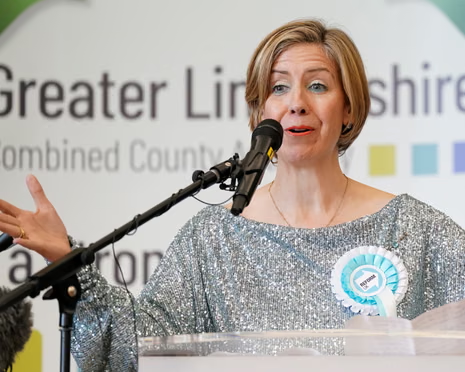
In a development set to reshape energy politics in Britain, Greater Lincolnshire’s mayor has courted influential oil figures in a controversial bid to revive fracking in the region. The focus on Gainsborough, a site with major gas potential beneath the Lincolnshire earth, has prompted fierce national debate on energy strategy. Mayor Andrea Jenkyns personally contacted executives linked to a major US energy dynasty, asking how she might support development of the under‑ground gas discovery beneath her county.
The mayor’s outreach came after Egdon Resources, a British subsidiary of American fracking giant Heyco Energy, announced a significant natural gas find in the Gainsborough Trough, a geological structure straddling Nottinghamshire and Lincolnshire. Jenkyns, who became Greater Lincolnshire’s first directly elected mayor in May 2025, expressed strong backing for extracting the gas, a position that stands in contrast to existing national policy.
Fracking has been effectively banned in England since 2019 amid fears that the high‑pressure process could trigger earth tremors and pose environmental hazards. Despite the moratorium, the mayor reached out in mid‑2025 to ask how she could help Egdon progress its project after its gas find. The company’s chief executive responded within minutes, offering a meeting to discuss potential development in Lincolnshire and surrounding counties.

In confidential material obtained by journalists, energy executives argued that fracking could bring local economic and energy security benefits, while downplaying concerns over chemical contamination and environmental risk. These internal documents also included a tailored list of responses to common criticisms of fracking and pointed to what proponents say are advantages over renewable sources.
The mayor’s active pursuit of contacts with energy firms has seen her meet representatives from the US‑linked parent company on several occasions. One of those meetings, in October 2025, involved presentations on shale gas benefits for Lincolnshire’s economy and energy landscape. Later in the year she met again with senior executives during discussions about broader energy issues affecting the region.
Hints of support from senior Reform UK figures may have further emboldened this pro‑fracking position. In speeches, the mayor has reiterated support for drilling gas resources and criticised net zero climate policies as misguided, aligning with broader party messaging on ditching what she terms costly green agendas.
Yet this approach has provoked immediate opposition from environmental campaigners, local officials and national policymakers. Polling data suggests a slim majority of Britons oppose fracking, and resistance has been seen even in other councils led by the same political faction that now governs Lincolnshire. Councillors in Lancashire and North Yorkshire, both under Reform leadership, have opposed unconventional gas extraction projects within their borders.
At Lincolnshire County Council, Conservative group leader Richard Davies described fracking as “extremely controversial,” framing public sentiment as uncertain about the true benefits and risks of such energy projects. Environmental advocates argue that fracking could contaminate groundwater, harm ecosystems and contribute to climate change by prolonging fossil fuel dependency. Critics also point out that the UK’s current energy price issues stem from global supply pressures, not from domestic climate policy.
In response to the unfolding controversy, the Department for Energy Security and Net Zero reiterated government intent to maintain a fracking ban and to pursue Britain’s transition to clean energy leadership.
The debate over fracking in Lincolnshire has also intertwined with local energy policy decisions beyond shale gas. Prior to the mayor’s tenure, the Greater Lincolnshire authority sought funding to install solar panels and battery systems at public buildings. However, shortly after her engagement with fracking executives, the mayor and council colleagues expressed safety concerns about the solar project, citing unverified reports of battery fire risks, and effectively opposed a proposal that would have delivered significant renewable energy capacity under central government support.

The funding offer, totalling over £600,000 from a regional renewables programme, was later revised down by a third in a resubmitted application that excluded the battery storage components. Officials noted that the removal of storage capacity would diminish the project’s ability to supply excess clean power back to the grid.
Despite this setback for clean energy, Jenkyns publicly framed the outcome as delivering on her campaign pledge to challenge net zero mandates and cut wasteful spending. Following the funding controversy, she and colleagues launched a campaign group opposing local renewable infrastructure, reinforcing the narrative that the county should prioritise traditional energy sources, including gas.
This narrative was echoed during a visit by the mayor and other councillors to facilities operated by Star Energy, a firm holding multiple licences in the Gainsborough Trough area. In a video shared on social media, the mayor announced her visit and declared it was “time to ditch net zero,” a rallying cry that has helped crystallise the local energy debate around a stark choice between fossil fuels and a low‑carbon future.
While proponents argue that tapping into domestic gas resources could boost local jobs, reduce reliance on imports and stimulate economic activity, opponents caution that any short‑term gains must not come at the cost of long‑term environmental damage or retreat from climate commitments.
With national policy still against fracking and public opinion mixed, the question of whether Lincolnshire will ever see shale gas extraction remains unresolved. The unfolding drama may well have implications beyond the county, touching on broader national discussions about Britain’s energy strategy in the decades to come.
Related News:
 British Woman in Iran ‘Losing Hope’ Amid Ongoing Detention
 BBC Journalist Held and Interrogated in Vietnam
 Green Party Surges Past Labour in Latest UK Poll
 Celebrities and Charities Demand UK Government Act on Child Poverty
 Trump’s UK Ambassador Urges North Sea Drilling to Strengthen US Ties
 FBI Director Kash Patel Defends Girlfriend Amid Government Jet Claims
 French Taxi Driver Cleared in David Lammy Theft Case After Fare Dispute
 MPs Press Rachel Reeves to Hike Gambling Taxes
 Boris Johnson accused of undermining BBC leadership
 ‘Reckless’ cuts to victims’ services will cost more than they save
 Millionaires group urge Reeves to introduce wealth tax to ‘lift kids out of poverty’
 Starmer Faces Growing Dissent as Labour MPs Weigh Leadership Challenge
 Reeves rejects £1bn plea for NHS redundancy payouts
 Farage appointee to lead Reform youth accused of anti-British views
 Politics latest: Starmer ‘will fight any leadership coup’ as Streeting denies attempt to oust Labour PM
 PM Condemns Leaks, Vows Loyalty to Ministers and Stability
 Major Rent Reform Ends No-Fault Evictions in England
 Peers Flood Assisted Dying Bill with 942 Amendments
 England’s Special Needs Support Faces Breaking Point
 MoD warned over Excel risks before Afghan data breach
 UK Asylum Overhaul Sparks Debate Over Human Rights and Deportations
 UK Candidate Moved to Safe House After Election Threats
 Mahmood Defends Tough Overhaul of UK Asylum System
 UK Warns China After MI5 Issues Espionage Alert
 UK Vulnerable to Attack, Defence Committee Finds
 Labour Faces Historic Decline in Wales
 Rama Rebukes Mahmood for Targeting Albanian Families
 PM Highlights UK Business at G20 in South Africa
 Kate Forbes: Motherhood Harder Than Politics
 Welsh Government Christmas 2020 Lockdown Criticised
 Most Tories Expect to Support a Farage-Led Government
 Labour MP claims devolution bill is ‘blatant discrimination’ against Cornwall
 Millions Face Higher Taxes Under Reeves New Budget
 Peers Get Extra Time to Debate Assisted Dying Bill
 Planned Palestinian Flag Raising at Belfast City Hall Faces Delay Amid Legal Concerns
 Government righting decades-old injustice for miners
 Starmer Says Labour’s Economic Plan Needs Years to Deliver
 Culture secretary to review Telegraph takeover by Daily Mail owner
 Andy Burnham Apologises for Past LGBTQ+ Police Discrimination
 Plans to Limit Jury Trials Face Retreat After Mounting Opposition
 Jenrick Reform defection deepens Tory civil war
 Right Must Unite After Jenrick Defection, Urges Rees-Mogg
 UK Ministers Drop Foreign Student Targets for Global Education Push
 MPs warn AI financial risks threaten UK stability
 MPs warn AI financial risks threaten UK stability
 No Gas Boiler Ban as UK Warm Homes Plan Backs Heat Pumps
 Hugh Grant Joins Call for Under-16 Social Media Ban in UK
 Shinzo Abe’s killer receives life sentence in Japan
 Lords Vote Piles Pressure on Starmer Over Social Media Ban
 Planned Troubles Board Game Sparks Outrage in Northern Ireland
 Reform UK Health Plan ‘Would Cost £1.7bn’, Streeting Says
 Police response times face strict new national limits
 Labour policing overhaul sparks fears over growing central control
 Tories criticised after Braverman defection sparks mental health row
 Burnham Westminster return hopes fade amid Labour rift
 Starmer warns of toxic division politics in Reform challenge
 Starmer China visit raises human rights pressure on Beijing
 Labour Must Revive High Streets to Avoid Election Collapse
 Conservative Party Rejects Centrism Under Badenoch’s Leadership
 Calls Grow for King Charles to Apologise for Crown’s Role in Slavery
 Starmer Signals UK Return to EU Defence Pact Talks
 Starmer crisis deepens as Labour MPs turn on PM
 Palantir contracts face UK halt calls over transparency
 Labour Thinktank Row Deepens Over Journalist Probe Claims
 Sarwar call shakes Labour as No 10 calms fears
 Labour Lord Doyle Apologises Over Paedophile Ties in Political Storm
 Palestine Action Verdict Sparks Debate on Activist Tactics
 Cabinet Secretary Shake-Up Triggers Due Diligence Warning
 Starmer Faces Inquiry Calls Over Thinktank Probe
 Royal Mail Delivery Crisis Deepens Amid Weather Chaos
 Labour Together probe scandal sparks fresh Cabinet Office investigation
 Farage to Name Jenrick as Reform Chancellor Pick
 Farage Unveils Reform UK Frontbench Team
 NHS Negligence Ruling Raises Payout Costs
 Civil Service Pay: Union Urges Ministers to End ‘Barking Mad’ Limits
 Antonia Romeo appointment sparks criticism
 Trump and Chagos Deal Rift Over Iran Strikes
 Andrew Mountbatten-Windsor Arrest After FBI Radar
 Farage Chagos Islands Row Sparks Fury
 Trump Tariffs Threat Spark UK and EU Alarm