Published: 24 February 2026. The English Chronicle Desk. The English Chronicle Online.
The fate of Australian children in Syria has ignited fierce debate across Canberra this month. As political tensions rise, 23 Australian children remain stranded in Roj camp in north-east Syria. Their uncertain future has drawn concern from legal experts, humanitarian groups and community leaders nationwide. While their parents’ decisions are contested, the children themselves carry no responsibility for past actions.
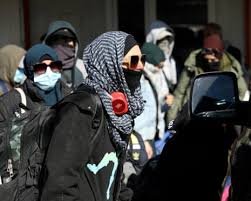
The controversy intensified after 34 Australians were reportedly preparing to leave Roj camp. The group included 11 women and their 23 children, all holding Australian citizenship. Their planned departure was halted on 16 February, and they were returned to detention. Since then, the situation has evolved into a heated political and legal dispute.
The government led by Anthony Albanese has maintained there would be no formal repatriation operation. Ministers insist any return would be self-managed and arranged independently by the individuals involved. This stance has sparked sharp criticism from the opposition and some crossbench members.
The newly appointed opposition leader Angus Taylor has demanded clarity about government involvement. He questioned whether passports or logistical help were issued to assist their attempted travel. The Coalition has also proposed new legislation to criminalise private financial or logistical support that enables such returns.
At the centre of the debate lies a fundamental question about citizenship rights. International law provides clear guidance regarding entry into one’s own country. Article 12 of the 1966 International Covenant on Civil and Political Rights states that no one shall be arbitrarily deprived of the right to enter their own country. Australia is a signatory to this treaty and has long affirmed its principles.

Exceptional restrictions are permitted only in genuine public emergencies. During the height of the Covid-19 pandemic, Australia temporarily restricted arrivals from India. However, those measures were framed as short-term responses to a public health crisis. Legal scholars argue that such exceptions are not easily extended to security or political controversies abroad.
One member of the 34 has reportedly met the legal threshold for a temporary exclusion order. Home affairs minister Tony Burke, acting on advice from national security agencies, determined that individual posed a security risk. The remaining 33 Australians were deemed eligible to return and issued single-use travel documents.
Despite this, ministers emphasise that no organised extraction is planned. The government insists it has not facilitated travel beyond issuing necessary documentation. Critics argue that providing passports while denying structured assistance creates confusion and risk. Supporters counter that the approach balances legal rights with security considerations.
Beyond political rhetoric, the legal framework around consular assistance complicates matters. Australia’s Department of Foreign Affairs and Trade outlines expectations in its Consular Services Charter. Replacement passports may be issued, yet citizens have no enforceable legal right to consular intervention. Assistance can be limited where individuals have acted illegally or recklessly abroad.
Australian courts have reinforced this interpretation in past cases. Decisions concerning David Hicks and Mamdouh Habib established that consular support is discretionary. Even so, governments have historically exercised diplomatic effort in exceptional circumstances. In 2007, the Howard government negotiated arrangements with the United States regarding Hicks.
More recently, in 2024, the Albanese government engaged in extensive diplomacy to resolve the case of Julian Assange. Assange avoided extradition to the United States and returned to Australia after years of legal uncertainty. That intervention demonstrated Canberra’s capacity to act decisively when political will aligns.
In 2024, Australians were also repatriated from Lebanon during hostilities between Israel and Hezbollah. Emergency flights were arranged at short notice to protect citizens in a volatile region. Those precedents illustrate that governments can mobilise resources swiftly when safety concerns intensify.
However, the present case differs in important respects. The adults in Roj camp travelled to Syria during the conflict involving the Islamic State. Public sympathy is limited for individuals perceived to have supported extremist causes. Yet the 23 Australian children in Syria did not choose that path.
Human rights advocates argue that children must not bear the consequences of parental conduct. Australia is bound by the 1989 United Nations Convention on the Rights of the Child. The convention prohibits discrimination based on the status or beliefs of a child’s parents. It also requires that a child’s best interests be a primary consideration in official decisions.
Legal experts note that most of the Australians in Roj camp are minors. Their prolonged detention in harsh conditions raises serious welfare concerns. Reports from humanitarian agencies describe overcrowding, limited healthcare and ongoing exposure to radical ideologies. Prolonged uncertainty may deepen trauma and hinder rehabilitation prospects.
Security analysts acknowledge legitimate risks but stress that children can be supported effectively. Australia has experience managing returnees through monitoring, counselling and community programs. Child protection services and education systems are equipped to assist vulnerable young people. Many argue early intervention in Australia is safer than continued instability abroad.
The regional context further heightens urgency. Reports suggest the nearby al-Hawl camp has recently been emptied. Observers anticipate that Roj camp may soon follow a similar trajectory. If that occurs, detainees could face dispersal, renewed displacement or heightened insecurity.
Travel routes out of north-east Syria are fraught with danger. Damascus remains the closest major international airport, yet access is complex. Overland journeys to Beirut or Baghdad carry significant security risks. Any unstructured departure could expose families to violence, trafficking or exploitation.
As federal parliament prepares to resume on 2 March, debate will intensify. Opposition figures continue pressing for transparency and stricter laws. Government ministers reiterate that national security remains paramount. Meanwhile, the humanitarian dimension grows more pressing each passing week.
The central issue remains clear and deeply human. The Australian children in Syria are citizens with recognised legal rights. They cannot be held morally accountable for their parents’ decisions. Their welfare obligations fall squarely within Australia’s international commitments.

Public opinion remains divided, reflecting broader anxieties about security and extremism. Yet compassion and legality are not mutually exclusive. Policymakers face the delicate task of balancing risk management with fundamental rights. That balance will test leadership, principle and resolve.
If conditions in Roj camp deteriorate further, pressure on Canberra will increase sharply. A sudden security collapse could force urgent diplomatic engagement. Preparing contingency plans now may avert greater danger later. Preventive action often proves less costly than reactive crisis management.
Ultimately, the debate extends beyond partisan lines. It touches on Australia’s identity as a nation governed by law and guided by humanitarian values. The treatment of Australian children in Syria will signal how those values endure under strain.
In the coming weeks, decisions made in Canberra may shape young lives permanently. Ensuring safe return, careful assessment and structured reintegration would align with legal duties. It would also affirm that citizenship carries protection, even in complex circumstances.
Whatever political disagreements persist, one truth stands firm. Children deserve protection, stability and a genuine chance to rebuild their futures. For the 23 Australian children in Syria, that opportunity may depend on timely and principled action.
Related News:
 Top Christmas Books Reads: Classics to Cozy Romcoms
 Just Stop Oil Protesters Convicted Amid Climate Defence Row
 BBC to Apologise Over Edited Trump Speech Amid Backlash
 Britain deploys RAF specialists to assist Belgium with drone threats
 Palace May Restore Hyphen to Andrew Mountbatten-Windsor’s Name
 US Senate Passes Funding Bill to End Historic Shutdown
 US Justice Department Files Lawsuit Against California Over Partisan Voting Maps
 Greene Pushes Epstein Files Amid Trump Fallout
 Trump Deploys DHS to Charlotte in Major Arrest Operation
 December Run-Off in Chile as Election Produces No Winner
 Zelenskyy Signs Fighter Jet Deal Amid Russian Drone Attacks
 Orban Says Ukraine Has ‘No Chance’ as EU Support Continues
 Canada Passes Carney’s First Budget in Tight Parliamentary Vote
 Israeli Strike Kills 13 Near Palestinian Camp in Lebanon
 Shadow Fleet at Sea: Europe’s Battle Against Illicit Oil Shipping
 Tiny Curacao Makes History as Smallest Nation to Reach World Cup
 Haiti Qualifies for World Cup Despite Coach Never Visiting Country
 Deadly Russian Strikes Hit Western Ukraine, 20 Killed in Ternopil
 Pentagon Officials in Ukraine to Discuss War End
 Ukraine Peace Plan: Zelensky Ready for Dialogue
 Vietnam Battles Deadly Floods as Rains Continue
 Venezuela Threatens Nobel Winner Machado with Fugitive Status
 At Least Three Dead in Bangladesh Earthquake
 Royal Navy Shadows Russian Warships Entering the Channel
 Israel Confirms Hamas Returned Dror Or’s Body
 US Suspends Afghan Immigration After White House Shooting
 Two National Guard Soldiers Critically Injured Near White House
 Georgians Defy Government Crackdown After Year of Protests
 Southern Lebanon reels as Israeli strikes shatter communities
 Mbappe Scores 4 as Real Madrid Edge Olympiakos
 Sri Lanka Floods Leave 56 Dead, Dozens Missing
 Tokyo court rules Japan’s same-sex marriage ban constitutional
 ‘Extinct’ Antelope Returns to Sahara, Bringing Hope
 EU plans $105bn Ukraine aid using frozen Russian assets
 Global campaign launched to free Palestinian leader Barghouti
 American Mother Extradited From UK to U.S. on Murder Charges
 Russia losses Ukraine war peace talks intensify amid rising deaths
 Facebook Slow to Remove Bondi Attack Praise, Anti-Hate Group Claims
 Australian Cruise Ship Freed After Reef Grounding in Papua New Guinea
 Zelenskyy Accuses Russia of Sabotaging Peace Talks
 US Cities Erupt in Protests Against Trump’s Venezuela Military Action
 Albanese Opens Door to Bondi Royal Commission Amid Rising Pressure
 Trump Escalates Minnesota Immigration Surge Amid Rising Tensions
 Iran Protesters Defy Crackdown as Violent Clashes Intensify
 US Clears Nvidia AI Chip Sales to China in Policy Shift
 Trump Threatens Strong Action If Iran Executes Protesters
 Gulf states warn Trump Iran strikes risk wider Middle East war
 Machado Trump medal gesture reshapes Venezuela power struggle
 Greenland defence seen as shared Nato duty amid troop arrivals
 EU weighs response amid Greenland tariff crisis with Trump
 Syria President Declares Victory as Ceasefire Reached with SDF
 Sydney Shark Attack Surge Shocks Australia Beaches
 ICE street raids expose a chilling future for public freedoms
 Thousands Flee Cambodia Scam Centres Amid Global Pressure
 EU Says US Ties Have Suffered ‘Big Blow’ After Greenland Crisis
 Andrew Hastie Emerges as Leadership Rival to Ley
 Starmer China visit raises human rights pressure on Beijing
 US Launches Multi-Day Air Drills Amid Rising Iran Tensions
 Videos reveal earlier clash before Alex Pretti shooting
 China Executes 11 Linked to Myanmar Scam Networks
 UK New Car Discounts Near £6,000 as Prices Are Slashed
 Israel Moves to Bar MSF From Gaza Operations
 Tragic Ski Lift Accident Claims Australian Snowboarder
 Thousands Left Without Heating in Ukraine Amid Russia Strikes
 Trump Praises ‘Terrific’ Petro After White House Talks
 Portugal Election Delivers Socialist Win as Far Right Surges
 Sydney Protest Escalates and Elderly Woman Suffers Severe Injury
 Tarique Rahman’s Rise Toward Bangladesh’s Top Job
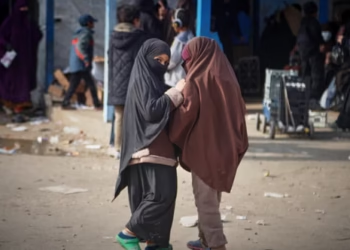 Australian Families Leave Syrian Camp for Home
 SA Police Intensify Search in Gus Lamont Case
 Trump Attacks UK-California Energy Pact
 Kim Jong-un Unveils Housing for War Families
 Trump and Chagos Deal Rift Over Iran Strikes
 Andrew Arrest Sparks Republic Debate in Australia
 Global corruption crisis: Who Washington shields
 El Mencho Killed as Mexico Faces Violence
 Farage Chagos Islands Row Sparks Fury
 Monsoon low sparks flood fears across Australia
 Gold Rush in Gugulethu Leaves South Africans Desperate for Work and Hope
 Trump Tariffs Threat Spark UK and EU Alarm