Published: 24 February 2026. The English Chronicle Desk. The English Chronicle Online.
Australian women in a Syrian camp have offered a painful compromise. The Syrian camp holding them in north-east Syria has become central to a growing humanitarian dispute. The women say their children should return to Australia, even without them. Their plea follows years of detention after the collapse of Islamic State territory. The emotional appeal has reignited debate about responsibility, security, and human rights.
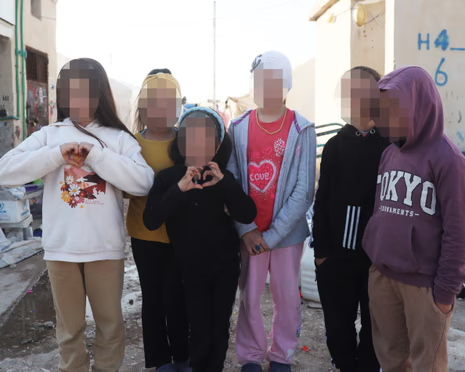
Eleven Australian women remain detained in the Kurdish-run al-Roj facility. They are held alongside 23 children, some as young as six. All are relatives of suspected fighters linked to the former Islamic State group. Since 2019, they have lived behind barbed wire in harsh conditions. Now several mothers say separation may be the only hope left.
Zahra Ahmad, originally from Melbourne, described her children’s declining mental health. She said they suffer night terrors and constant fear. One son reportedly bites his fingers until they bleed. Another has begun wetting the bed, a distress signal psychologists link to trauma. Ahmad has repeatedly asked Australian authorities to rescue the children from the Syrian camp.
Her words reflect a wider sense of despair within al-Roj. Mothers describe a steady erosion of hope as years pass without resolution. Children struggle to understand why they remain confined. Some believed they were finally leaving last week, only to return. That aborted repatriation attempt has deepened emotional wounds.

Kurdish authorities briefly released the group for travel towards Damascus. The families hoped to board flights bound for Australia. However, Syrian officials intervened before departure arrangements were finalised. The convoy was turned back after coordination failures with the Syrian government. Within hours, they were back inside the Syrian camp.
The Australian government has maintained firm opposition to assisting their return. Officials argue that security concerns remain paramount. Canberra has said it will not facilitate entry for these detainees. The position reflects longstanding caution about citizens linked to extremist groups. Yet human rights advocates say prolonged detention without trial violates fundamental standards.
Organisations including Save the Children and Human Rights Watch have urged immediate repatriation. They argue that children should not pay for parents’ alleged actions. Campaigners warn that indefinite detention damages psychological development. They also fear radical influences persist within the camps.
The Syrian camp environment is described as unstable and unsafe. Tents offer little protection from extreme temperatures. Reports suggest some women promote extremist narratives among residents. Aid groups warn that children are vulnerable to recruitment and exploitation. The chaos of recent months has intensified those risks.
Last month, Syrian authorities assumed control of al-Hawl camp. That larger site previously housed around 25,000 families. It was effectively emptied after thousands were smuggled elsewhere. Experts fear trafficking networks exploited the disorder. The fate of many foreign women and children remains unknown.
Al-Roj’s future now appears uncertain. Kurdish officials have hinted at possible closure. Security administrators, however, say no formal decision has been confirmed. Parents fear that if control shifts suddenly, smugglers could intervene. The possibility of children disappearing haunts many mothers.
Among the detainees is 11-year-old Baidaa, who briefly believed she was leaving. She described joy turning to devastation when the convoy reversed. Through tears, she questioned why she must live in a tent. She said she longs for a normal life in a house. Her confusion highlights the emotional toll of the Syrian camp.
Advocates in Australia argue that repatriation is manageable and safer. They note previous operations returning smaller groups of women and children. Security agencies reportedly advised ministers that controlled returns reduce risks. Managed reintegration allows monitoring and access to support programmes. Leaving families in limbo may create greater long-term dangers.
Mat Tinkler, chief executive of Save the Children, has expressed concern about forced separation. He says children’s best interests usually involve remaining with their mothers. Removing the only consistent caregiver may cause lifelong trauma. He believes bringing families home together remains the safest path.
Human rights monitors also report troubling security practices inside al-Roj. Women allege nightly raids by Kurdish internal forces known as Asayish. Claims include beatings, harassment, and property destruction. Boys are sometimes separated from mothers as they approach adolescence. Such actions, critics argue, compound existing trauma.
Adam Coogle of Human Rights Watch warns of escalating instability. He says women and children fleeing camps risk further abuse. Without clear legal processes, residents remain in indefinite detention. He argues that rehabilitation and reintegration should replace stagnation. Returning nationals home enables accountability within established legal systems.
The Australian government continues to emphasise public safety. Officials highlight the complex security assessments required. They argue that some women may still pose ideological risks. The federal opposition has called for strict safeguards against informal returns. Political divisions reflect broader global debates about post-conflict responsibility.
International law specialists note that citizenship obligations do not vanish abroad. States retain duties towards minors under human rights conventions. Critics say failing to act could undermine Australia’s moral standing. Supporters of caution counter that domestic security must remain paramount. The impasse leaves families trapped inside the Syrian camp.
Within the tents, daily life is marked by uncertainty. Mothers describe rationed supplies and limited education opportunities. Children have grown up knowing little beyond fences and armed patrols. Some now approach adolescence without formal schooling. Their formative years unfold entirely inside the Syrian camp.
Psychologists warn that prolonged confinement shapes identity and worldview. Feelings of abandonment may harden into resentment. Exposure to radical rhetoric could distort social development. Experts stress that early intervention offers the best chance of recovery. Each passing year makes rehabilitation more complex.
Security analysts argue that supervised returns allow structured oversight. Monitoring programmes can track behaviour and restrict movement if necessary. Courts can determine culpability where evidence exists. Such frameworks are unavailable within the Syrian camp. The absence of legal resolution perpetuates uncertainty.

For the mothers, the offer of separation reflects desperation rather than choice. Many say they dread losing daily contact with their children. Yet they fear continued detention will cause deeper harm. The emotional calculus is stark and painful. They believe safety in Australia outweighs maternal presence in the Syrian camp.
Public opinion in Australia remains divided. Some citizens argue compassion should guide policy. Others insist accountability must precede any return. Political leaders tread carefully amid security concerns. Meanwhile, children wait behind fences thousands of miles away.
Diplomatic complexities also shape the debate. Coordination between Kurdish authorities and Damascus has proven fragile. International actors monitor developments cautiously. Any repatriation effort would require meticulous planning. Last week’s failed journey underscores the logistical challenges involved.
As uncertainty deepens, time continues to shape young lives. The children’s formative experiences are defined by confinement. Many have spent seven years in the Syrian camp. Their memories are shaped by fear and instability. Advocates say that childhood cannot be postponed indefinitely.
The mothers’ message is consistent and urgent. They ask for their children to be given safety and stability. Whether together or apart, they want an end to limbo. The Australian government faces a difficult decision. The Syrian camp stands as a stark reminder of unresolved conflict.
Related News:
 Grief, Fear and Fury: Mothers Unite to End Israeli-Palestinian Violence
 Iran Leader Blames Protesters, Says They Serve Trump
 Thousands Protest ICE in New York Against Trump Deportation Campaign
 Top Christmas Books Reads: Classics to Cozy Romcoms
 Just Stop Oil Protesters Convicted Amid Climate Defence Row
 BBC to Apologise Over Edited Trump Speech Amid Backlash
 Britain deploys RAF specialists to assist Belgium with drone threats
 Palace May Restore Hyphen to Andrew Mountbatten-Windsor’s Name
 US Senate Passes Funding Bill to End Historic Shutdown
 US Justice Department Files Lawsuit Against California Over Partisan Voting Maps
 Greene Pushes Epstein Files Amid Trump Fallout
 Trump Deploys DHS to Charlotte in Major Arrest Operation
 December Run-Off in Chile as Election Produces No Winner
 Zelenskyy Signs Fighter Jet Deal Amid Russian Drone Attacks
 Orban Says Ukraine Has ‘No Chance’ as EU Support Continues
 Canada Passes Carney’s First Budget in Tight Parliamentary Vote
 Israeli Strike Kills 13 Near Palestinian Camp in Lebanon
 Shadow Fleet at Sea: Europe’s Battle Against Illicit Oil Shipping
 Tiny Curacao Makes History as Smallest Nation to Reach World Cup
 Haiti Qualifies for World Cup Despite Coach Never Visiting Country
 Deadly Russian Strikes Hit Western Ukraine, 20 Killed in Ternopil
 Pentagon Officials in Ukraine to Discuss War End
 Ukraine Peace Plan: Zelensky Ready for Dialogue
 Vietnam Battles Deadly Floods as Rains Continue
 Venezuela Threatens Nobel Winner Machado with Fugitive Status
 Royal Navy Shadows Russian Warships Entering the Channel
 US Suspends Afghan Immigration After White House Shooting
 Two National Guard Soldiers Critically Injured Near White House
 Georgians Defy Government Crackdown After Year of Protests
 Southern Lebanon reels as Israeli strikes shatter communities
 Sri Lanka Floods Leave 56 Dead, Dozens Missing
 Tokyo court rules Japan’s same-sex marriage ban constitutional
 ‘Extinct’ Antelope Returns to Sahara, Bringing Hope
 EU plans $105bn Ukraine aid using frozen Russian assets
 American Mother Extradited From UK to U.S. on Murder Charges
 Russia losses Ukraine war peace talks intensify amid rising deaths
 Facebook Slow to Remove Bondi Attack Praise, Anti-Hate Group Claims
 Australian Cruise Ship Freed After Reef Grounding in Papua New Guinea
 US Cities Erupt in Protests Against Trump’s Venezuela Military Action
 Albanese Opens Door to Bondi Royal Commission Amid Rising Pressure
 Trump Escalates Minnesota Immigration Surge Amid Rising Tensions
 Protest Rights Under Threat Across England and Wales
 Gambia Supreme Court Hears Case to Overturn FGM Ban
 Iran Protesters Defy Crackdown as Violent Clashes Intensify
 US Clears Nvidia AI Chip Sales to China in Policy Shift
 Trump Threatens Strong Action If Iran Executes Protesters
 Gulf states warn Trump Iran strikes risk wider Middle East war
 Machado Trump medal gesture reshapes Venezuela power struggle
 EU weighs response amid Greenland tariff crisis with Trump
 Syria President Declares Victory as Ceasefire Reached with SDF
 Sydney Shark Attack Surge Shocks Australia Beaches
 ICE street raids expose a chilling future for public freedoms
 Thousands Flee Cambodia Scam Centres Amid Global Pressure
 EU Says US Ties Have Suffered ‘Big Blow’ After Greenland Crisis
 Andrew Hastie Emerges as Leadership Rival to Ley
 Starmer China visit raises human rights pressure on Beijing
 US Launches Multi-Day Air Drills Amid Rising Iran Tensions
 Videos reveal earlier clash before Alex Pretti shooting
 China Executes 11 Linked to Myanmar Scam Networks
 UK New Car Discounts Near £6,000 as Prices Are Slashed
 Israel Moves to Bar MSF From Gaza Operations
 Tragic Ski Lift Accident Claims Australian Snowboarder
 Thousands Left Without Heating in Ukraine Amid Russia Strikes
 Trump Praises ‘Terrific’ Petro After White House Talks
 Portugal Election Delivers Socialist Win as Far Right Surges
 Sydney Protest Escalates and Elderly Woman Suffers Severe Injury
 Concerns rise for Canberra boy amid Iran detention fears
 Tarique Rahman’s Rise Toward Bangladesh’s Top Job
 Australian Families Leave Syrian Camp for Home
 SA Police Intensify Search in Gus Lamont Case
 Trump Attacks UK-California Energy Pact
 How Dark Web Agent Spotted Bedroom Wall Clue to Rescue Girl from Years of Harm
 Kim Jong-un Unveils Housing for War Families
 ‘I Would Scream in My Sleep’: Alawite Women from Syria Tell of Kidnap and Rape
 Trump and Chagos Deal Rift Over Iran Strikes
 Andrew Arrest Sparks Republic Debate in Australia
 Global corruption crisis: Who Washington shields
 El Mencho Killed as Mexico Faces Violence
 Farage Chagos Islands Row Sparks Fury
 Gold Rush in Gugulethu Leaves South Africans Desperate for Work and Hope