Published: 24 February 2026. The English Chronicle Desk. The English Chronicle Online.
Nigeria has witnessed a stark contrast between celebration and crisis, as a lavish Nigeria wedding unfolded amid widespread violence across the country. The ceremony, marking the unions of five sons and five daughters of junior defence minister Bello Matawalle, spanned six days in Abuja and drew extraordinary attention for its opulence and scale. Social media users described the event as unprecedented, with one Instagram post suggesting it might be worthy of the Guinness World Records. Inside the reception halls, cascading crystal chandeliers reflected off mirrored floors, while five dedicated vendors served only water and soft drinks to high-profile guests.
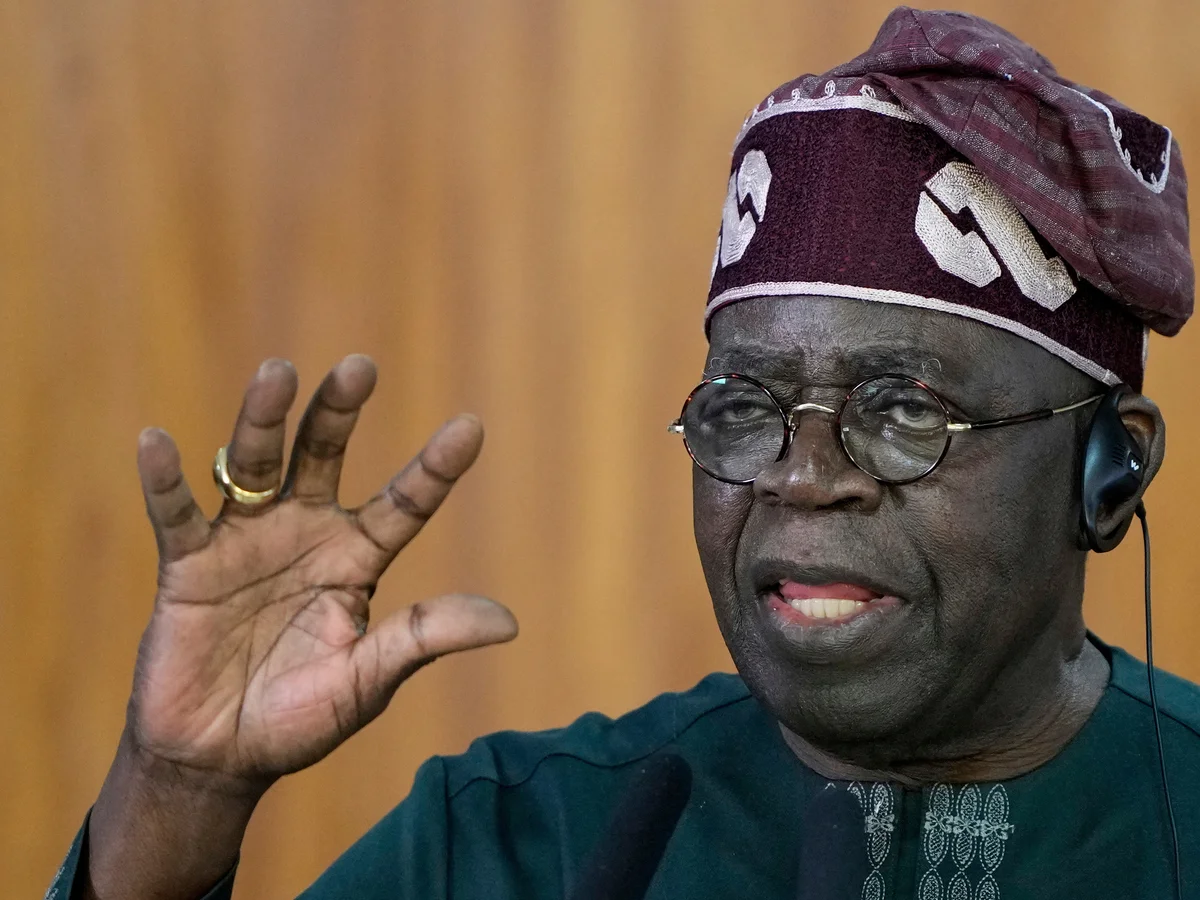
The guest list for the Nigeria wedding included Nigeria’s political and business elite, such as President Bola Tinubu, the presidents of neighbouring São Tomé and Príncipe, Africa’s wealthiest man Aliko Dangote, and more than a dozen serving and former governors. The wedding fatiha, held on 6 February, saw the presiding imam pray for blessings upon the couples and for Tinubu’s tenure to inspire hope for the nation’s marginalised citizens. Yet, approximately 190 miles away in Benue state, armed attackers raided a Catholic church night vigil, abducting nine teenagers and demanding 30 million naira (£16,500) for their release. Simultaneously, over 150 people were buried in Kwara state following a jihadist massacre days earlier, demonstrating the stark security challenges that continue to plague Nigeria.

The security contrast drew sharp criticism, highlighting concerns that national priorities might have been sidelined in favour of ceremonial display. Vice-President Kashim Shettima, a prominent official, did not visit affected regions until 7 February, attending the Abuja wedding before inspecting crisis zones. Analysts argue that the presence of high-ranking officials at the Nigeria wedding reflected political calculations aimed at consolidating northern support ahead of the next general election. Confidence McHarry, a senior analyst at Nigerian risk consultancy SBM Intelligence, described the high-level turnout as “tone deaf,” while Joachim MacEbong from Control Risks in Lagos commented, “The optics are terrible, but it is what we’ve come to expect from most of our leaders over time.”
Observers emphasised that lavish social events often serve as platforms for political and business elites to reinforce alliances. Tinubu’s office has not provided a public explanation regarding attendance at the Nigeria wedding, leaving speculation that the gathering was a strategic move to court influential northern figures like Matawalle, whose cooperation may prove vital for future electoral prospects. Analysts note that while Tinubu’s economic reforms have gained international recognition, northern communities continue to perceive marginalisation, with his popularity remaining low in these regions.
Security failures during the period were starkly evident. In Kwara state, villagers reported no official intervention during a ten-hour killing spree. Local farmer Iliyaus Ibrahim, who lost a brother and whose pregnant sister-in-law and children were kidnapped, told the Associated Press, “We did not see anybody from when it started in the evening till the morning when it ended.” Following this, further attacks claimed dozens of lives, including at least 33 fatalities in Biu, Kebbi state on 18 February and 38 deaths in Dutse Dan Ajiya, Zamfara state, attributed to armed bandits. Experts warn that neglecting vulnerable populations risks eroding public trust in state institutions, particularly when grand ceremonies overshadow urgent security needs.
The extravagant Nigeria wedding has intensified scrutiny of government priorities. Analysts contend that the president should provide a public update on security measures following the state of emergency declared on 26 November. Critics argue that attending high-profile celebrations while communities face ongoing threats conveys a sense of disconnection between the ruling elite and ordinary citizens. This perception risks undermining governance credibility, particularly as Nigeria approaches crucial political milestones.
Beyond political optics, broader societal concerns emerge regarding the social implications of lavish weddings amid poverty and insecurity. Experts highlight that while such events hold cultural significance and strategic value, they can deepen societal divides and generate resentment among communities directly affected by violence. Sustainable political legitimacy requires leaders to balance ceremonial duties with attention to citizen welfare, especially in regions plagued by jihadist attacks, kidnappings, and banditry.
Nigeria’s security challenges remain complex and geographically dispersed. Analysts stress that effective responses must combine military action with social support, intelligence-led policing, and engagement with local communities. Failure to take timely, visible action risks further destabilisation, undermining public confidence and national stability. Within this context, the Matawalle family wedding, though historic and celebrated, inadvertently highlighted gaps in governance and security oversight.
Political analysts emphasise that the participation of senior officials at the Nigeria wedding reflects enduring tensions between personal, familial, and political alliances and the public responsibilities of governance. Citizens and observers are now closely watching the government’s next steps in security and policy implementation, recognising that credibility hinges on effective, tangible action rather than symbolic appearances. Communities affected by violence continue to bear the consequences of insecurity, reinforcing calls for consistent and visible government intervention.

This juxtaposition of elite celebration and national tragedy underscores Nigeria’s ongoing struggle to reconcile political optics with urgent societal needs. Experts and community leaders advocate for accountability, transparency, and comprehensive security measures, stressing that no ceremony, however grand, should eclipse the state’s duty to protect its citizens. Analysts warn that without balancing ceremonial politics with urgent attention to public safety, political calculations may alienate communities already affected by insecurity, further undermining trust in leadership.
As Nigeria approaches critical political and electoral milestones, the events surrounding this Nigeria wedding offer lessons on the delicate interplay between strategy, social display, and public responsibility. Analysts argue that the government’s ability to address security crises and protect vulnerable populations will define its credibility, far beyond the grandeur of any celebration. The contrasting realities of February 2026 remind citizens that while ceremonies may capture attention, the enduring test of leadership lies in safeguarding lives and maintaining national stability.
Related News:
 Green Party Surges Past Labour in Latest UK Poll
 Army Officers Orders to Cut Ties with Men-Only Clubs
 Trump’s UK Ambassador Urges North Sea Drilling to Strengthen US Ties
 French Taxi Driver Cleared in David Lammy Theft Case After Fare Dispute
 Labour immigration crackdown could cost UK £4.4bn
BBC to Apologise Over Edited Trump Speech Amid Backlash
Labour immigration crackdown could cost UK £4.4bn
BBC to Apologise Over Edited Trump Speech Amid Backlash
 Britain deploys RAF specialists to assist Belgium with drone threats
 Millionaires group urge Reeves to introduce wealth tax to ‘lift kids out of poverty’
 Starmer Faces Growing Dissent as Labour MPs Weigh Leadership Challenge
 Reeves rejects £1bn plea for NHS redundancy payouts
 PM Condemns Leaks, Vows Loyalty to Ministers and Stability
 Major Rent Reform Ends No-Fault Evictions in England
 Peers Flood Assisted Dying Bill with 942 Amendments
 Senator John Fetterman Hospitalized After Fall from Heart Flare-Up, Keeps Sense of Humor
 US Justice Department Files Lawsuit Against California Over Partisan Voting Maps
 Greene Pushes Epstein Files Amid Trump Fallout
 Trump Deploys DHS to Charlotte in Major Arrest Operation
 December Run-Off in Chile as Election Produces No Winner
 Canada Passes Carney’s First Budget in Tight Parliamentary Vote
 Shadow Fleet at Sea: Europe’s Battle Against Illicit Oil Shipping
 Pentagon Officials in Ukraine to Discuss War End
 Venezuela Threatens Nobel Winner Machado with Fugitive Status
 Most Tories Expect to Support a Farage-Led Government
 Labour MP claims devolution bill is ‘blatant discrimination’ against Cornwall
 Millions Face Higher Taxes Under Reeves New Budget
 Georgians Defy Government Crackdown After Year of Protests
 US National Guard Member Killed in DC Shooting
 ICC to Rule on Duterte’s Provisional Release
 Jordan Bardella: France’s Young Presidential Contender
 Starmer Says Labour’s Economic Plan Needs Years to Deliver
 EU plans $105bn Ukraine aid using frozen Russian assets
 Culture secretary to review Telegraph takeover by Daily Mail owner
 Khaleda Zia Death in Bangladesh: First Female PM Dies at 80
 Russia losses Ukraine war peace talks intensify amid rising deaths
 Albanese Opens Door to Bondi Royal Commission Amid Rising Pressure
 Trump Escalates Minnesota Immigration Surge Amid Rising Tensions
 Iran Protesters Defy Crackdown as Violent Clashes Intensify
 Homeland security agents deployed amid Minneapolis protests
 Plans to Limit Jury Trials Face Retreat After Mounting Opposition
 Hanson and Joyce Use Rinehart Jet to Tour Flooded Queensland
 Trump Threatens Strong Action If Iran Executes Protesters
 US Senate rejects resolution limiting Trump military powers
 Quebec Premier François Legault Resigns in Surprise Move
 Machado Trump medal gesture reshapes Venezuela power struggle
 Right Must Unite After Jenrick Defection, Urges Rees-Mogg
 EU weighs response amid Greenland tariff crisis with Trump
 UK Ministers Drop Foreign Student Targets for Global Education Push
 MPs warn AI financial risks threaten UK stability
 No Gas Boiler Ban as UK Warm Homes Plan Backs Heat Pumps
 Shinzo Abe’s killer receives life sentence in Japan
 Lords Vote Piles Pressure on Starmer Over Social Media Ban
 Sussan Ley leadership milestone shakes Liberal future
 EU Says US Ties Have Suffered ‘Big Blow’ After Greenland Crisis
 Andrew Hastie Emerges as Leadership Rival to Ley
 Satire Can Skewer Trump, But It Won’t Save Democracy
 Reform UK Health Plan ‘Would Cost £1.7bn’, Streeting Says
 Police response times face strict new national limits
 Labour policing overhaul sparks fears over growing central control
 Tories criticised after Braverman defection sparks mental health row
 Starmer warns of toxic division politics in Reform challenge
 Starmer China visit raises human rights pressure on Beijing
 Keir Starmer Signals UK China Reset With Xi Visit Possibility
 Cambridge Faces Scrutiny Over Arms Investment Transparency
 Israel Moves to Bar MSF From Gaza Operations
 Palantir contracts face UK halt calls over transparency
 Australia’s Opposition Coalition Reunites After Rift
 Nurses’ families fear breakup under UK immigration crackdown
 Labour Lord Doyle Apologises Over Paedophile Ties in Political Storm
 Cabinet Secretary Shake-Up Triggers Due Diligence Warning
 Tarique Rahman’s Rise Toward Bangladesh’s Top Job
 Starmer Faces Inquiry Calls Over Thinktank Probe
 Australian Families Leave Syrian Camp for Home
 Trump Attacks UK-California Energy Pact
 Farage to Name Jenrick as Reform Chancellor Pick
 Civil Service Pay: Union Urges Ministers to End ‘Barking Mad’ Limits
 Antonia Romeo appointment sparks criticism
 Trump and Chagos Deal Rift Over Iran Strikes
 Andrew Arrest Sparks Republic Debate in Australia
 Global corruption crisis: Who Washington shields
 Farage Chagos Islands Row Sparks Fury