Published: 25 February 2026 . The English Chronicle Desk. The English Chronicle Online
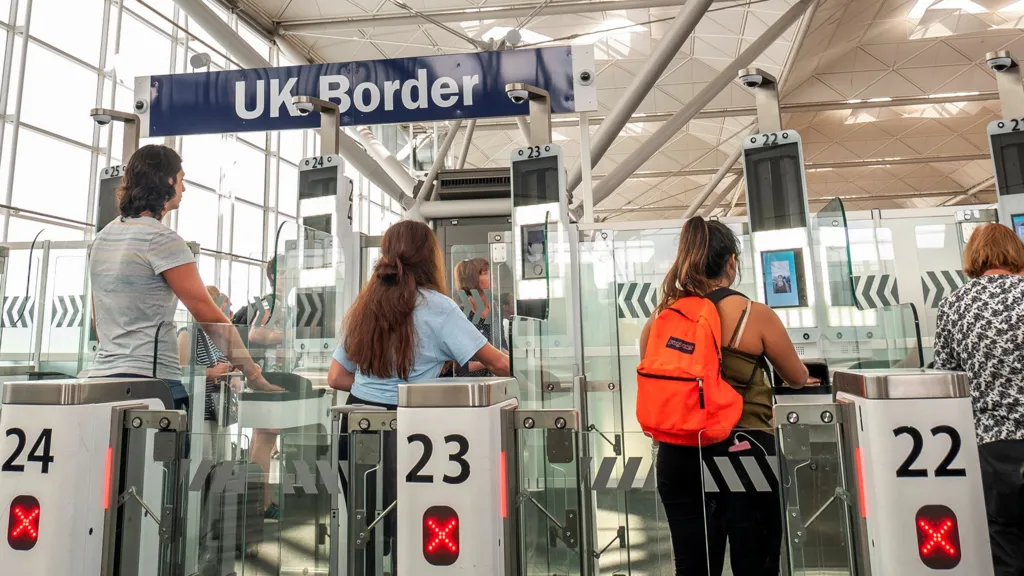
The United Kingdom has implemented a major overhaul of its border entry rules, fundamentally changing how travellers gain permission to visit the country. From 25 February 2026, the UK’s new digital travel system came into full force, affecting millions of visitors and sparking confusion among those with multiple nationalities. The changes centre on a mandatory requirement for travellers from visa-exempt countries to secure an Electronic Travel Authorisation (ETA) before departure, and on stricter documentary requirements for British citizens who also hold another nationality.

At the core of the new system is the UK’s ETA, akin to systems already in place in countries such as the United States and soon the European Union. An ETA is a digital permission to travel — not a visa — required from visitors who do not otherwise need a visa for short stays of up to six months. The ETA must be obtained online in advance of travel and costs £16, with validity for multiple journeys over two years or until the passport with which it is linked expires. Airlines and other carriers are now required to check that passengers have a valid ETA before allowing them to board flights, ferries or trains bound for the UK. Travellers without the necessary digital authorisation risk being denied boarding.
The UK government frames this shift as part of a broader push to digitise and strengthen border security. According to officials, the ETA scheme will make the process of screening visitors more efficient and secure, reducing the risk of unauthorised entry and improving the accuracy of immigration checks. More than 19 million ETAs have already been issued since the system’s initial rollout in 2023, generating significant revenue that is reinvested into the immigration system.
Under the new rules, British and Irish citizens are exempt from the ETA requirement. However, this exemption has created challenges for dual nationals — British citizens who also hold another nationality. Historically, many British dual nationals could enter the UK using the passport of their other nationality, particularly if that passport belonged to a country that did not require visas for UK entry. In practice, this meant that someone who held both British and, for example, Australian citizenship often travelled on their Australian passport alone when returning to the UK. Effective 25 February, that practice is no longer permitted under the enforced digital regime.
British dual nationals must now present valid proof of their British citizenship when attempting to travel to the UK. In most cases this means using a current British passport at check-in and upon arrival. Alternatively, those who do not hold a British passport may apply for a Certificate of Entitlement to the Right of Abode to attach to their other nationality passport. The certificate serves as proof of the holder’s right to live and work in the UK, but it comes with a significantly higher cost — around £589 — and may take several weeks to process. Failure to present one of these documents can lead to denied boarding by carriers or refusal of entry at the UK border.
The requirement for dual nationals to use their British passport or a certificate reflects a strict interpretation of the digital travel system. Because British citizens are exempt from the ETA requirement, they cannot be processed as ETA holders using a foreign passport — the system instead requires documentary evidence of their British citizenship before travel. For newly naturalised individuals who have not yet received a British passport, or for British citizens who let their passport expire, this shift has caused particular concern. The government has advised affected travellers to ensure their documentation is in order well before departure.
The change has sparked an outcry among some British dual nationals abroad, many of whom only recently learned of the new requirements through media reports and social networks. Critics have argued that communication from the UK authorities was insufficient and that the cost and processing time of certificates of entitlement are unreasonable, particularly in cases of urgent travel for family or work commitments. Some dual nationals have reported having to cancel or postpone travel plans at short notice because they lacked the necessary documents.
In response to the backlash, the Home Office has indicated that carriers may, at their own discretion, accept expired British passports issued after 1989 as alternative proof of citizenship, if travellers also hold a valid passport eligible for an ETA. However, this remains a temporary accommodation subject to carrier policies rather than a formal legal exemption. Travellers are still urged to use a valid British passport or certificate to avoid complications.

For the majority of international visitors — citizens of countries such as the United States, Canada, Australia and EU member states — the new ETA system represents a clear pre-departure requirement that must be satisfied before travel. But for dual nationals with ties to the UK, the rules represent a profound shift in practice. Ensuring the correct documentation is essential to avoid denied boarding and disruption at the border.
Related News:
 Jet2 Hands Passengers Life Ban After Mid‑Air Brawl
 Dual Nationals Face Scramble for UK Passports as New Rules Come Into Force
 Storm Hernando: Edinburgh Airport Flights Cancelled in US Travel Chaos
 Storm Hernando: Edinburgh Airport Flights Cancelled in US Travel Chaos
 UK Must Act with Courage and Clarity on Israel-Palestine Conflict, Says Foreign Affairs Committee Report
 MPs Call on UK Government to Delay Biometric Visa Checks for Gaza Students Amid Humanitarian Crisis
 Trump Pushes for Peace: Plans Surprise Meeting with Putin and Zelensky to End Ukraine War
 Radioactive Leak at UK’s Nuclear Warhead Base Sparks Outcry Over Safety and Secrecy
 Mutual Inconvenience: Why Alaska Was Chosen for the Trump-Putin Summit on Ukraine
 Terence Stamp, ’60s British Film Legend and Star of Superman, Dies at 87
 Where Is Prince William and Kate Middleton’s New House? Inside the Historic Lodge Set to Become Their ‘Forever Home’
 FIFA Eyes Biennial Club World Cup from 2029, Plans Possible Expansion
 EuroMillions Record-Breaking £210m Jackpot Won by Lucky Lottery Ticket Holder
 Is the UK Ready to Put Boots on the Ground in Ukraine? Assessing Military Capacity and Challenges
 Shein UK Faces Allegations of Shifting Majority of Profits to Singapore to Reduce UK Tax
 British Couple Among 16 Killed in Lisbon Funicular Tragedy
 Protests Expected as Israeli Arms Firms Join Global Defence Trade Fair in London
 Serbia Humiliated 0-5 by England in World Cup Qualifier
 Thousands Gather in London to Protest Donald Trump’s Second UK State Visit
 Trump Urges UK to “Call Out the Military” to Secure Borders Amid State Visit
 British AI Startup Outshines Human Forecasters in Global Prediction Contest
 Liverpool Vs outhampton Set for Carabao Cup Clash at Anfield
Trump’s UN Speech Criticises London and UK Policies, Draws Far-Right Attention
Liverpool Vs outhampton Set for Carabao Cup Clash at Anfield
Trump’s UN Speech Criticises London and UK Policies, Draws Far-Right Attention
 UK Fighter Jet Purchase Could Breach Nuclear Treaty, Warns CND
 A Third of EU Citizens in UK Report Discrimination by Public Bodies Post-Brexit
 Jailed Georgian Opposition Leaders Warn UK of Iranian Links to Ruling Party
 Russia repeatedly targets UK military satellites, warns Space Command chief
 Pro-Palestine March to Proceed in London Despite Calls to Cancel After Manchester Attack
 UK Universities Warn Students Ahead of 7 October Pro-Palestine Protests
 Public Trust in SNP Hits Historic Low Amid NHS Concerns
 Cooper Unveils £4m Cyber Plan Against Russian Hackers
 Johnson Suggests Mandelson Linked to China Spy Controversy
 Kane’s Double Seals England’s World Cup Qualification
 Witness statements reveal the CPS China spy row collapse in the UK
 Nigel Farage Calls Vladimir Putin ‘A Very Bad Dude’
 China warns UK over delayed London mega embassy decision
 Rachel Reeves signals welfare reform ahead of key budget
 Kosovo agrees to host Britain’s refused asylum seekers
 Fabio Wardley stuns Joseph Parker to earn Usyk title shot
 British Woman in Iran ‘Losing Hope’ Amid Ongoing Detention
 Johnson Approved China’s London ‘Super-Embassy’ in 2018
 BBC Journalist Held and Interrogated in Vietnam
 Top Christmas Books Reads: Classics to Cozy Romcoms
 UPS Cargo Plane Crash in Kentucky Kills Seven
 Just Stop Oil Protesters Convicted Amid Climate Defence Row
 Tension and Turmoil at Aston Villa v Maccabi Match
 I’m a Celebrity 2025 line-up revealed: Osbourne joins
 Lando Norris Dominates Brazil GP to Strengthen F1 Title Bid
 Palace May Restore Hyphen to Andrew Mountbatten-Windsor’s Name
 Ronaldo Confirms Final World Cup and Plans Retirement
 New review urges UK to repatriate Shamima Begum, others from Syria
 Rama Rebukes Mahmood for Targeting Albanian Families
 Russian Vessel Used Lasers on RAF Pilots, UK Claims
 Royal Navy Shadows Russian Warships Entering the Channel
 Trump Taiwan China drills: US President Downplays Tensions
 Britain Demands Israel Reverse Ban on Aid Groups
 US Africa aid remarks spark anger after leaked State email
 Starmer China visit raises human rights pressure on Beijing
 UK New Car Discounts Near £6,000 as Prices Are Slashed
 Emails Show Epstein Funded Mandelson’s Husband After Jail
 Universities and Politicians Briefed on China and Russia Spy Threat
 Two Britons Among Three Dead in French Alps Avalanche
 Starmer Weighs Fast-Tracking Defence Boost
 Snow and Rain Warnings as Cold Snap Continues in the UK
 Trump and Chagos Deal Rift Over Iran Strikes
 How Much Could Andrew’s Arrest Hurt the Royal Family?
 Andrew Mountbatten-Windsor Arrest After FBI Radar
 UK Has Not Given US Permission to Use RAF Bases for Iran Strikes
 Bumper Ski Season but Avalanches Threaten Scotland’s Snowy Hills
 Australian PM Says Former Prince Andrew Has Suffered ‘Extraordinary Fall’ but That Won’t Prompt Republic Referendum
 Farage Chagos Islands Row Sparks Fury
 US Will Not Back Out of Tariff Deals with UK and Others, Says Trump Trade Representative
Major 7.1 Earthquake Strikes Off Malaysian Tourist Coast
US Will Not Back Out of Tariff Deals with UK and Others, Says Trump Trade Representative
Major 7.1 Earthquake Strikes Off Malaysian Tourist Coast
 Trump Tariffs Threat Spark UK and EU Alarm
 Victorian Bridge Could Be Saved by Traffic Ban
 Luxury Airbnb Cabins With Hot Tubs Must Be Demolished After Planning Ruling
 New Zealand Backs Removing Andrew From Royal Line of Succession
 More Than 5,000 Flights Cancelled as US East Coast Digs Out of Record Snow
 Russian Troops Executed by Commanders, Soldiers Tell BBC
 ‘We’ve been paying for happy endings for Andrew for years’: inside the royal disgrace, biographer says