Published: 25 February 2026 . The English Chronicle Desk. The English Chronicle Online
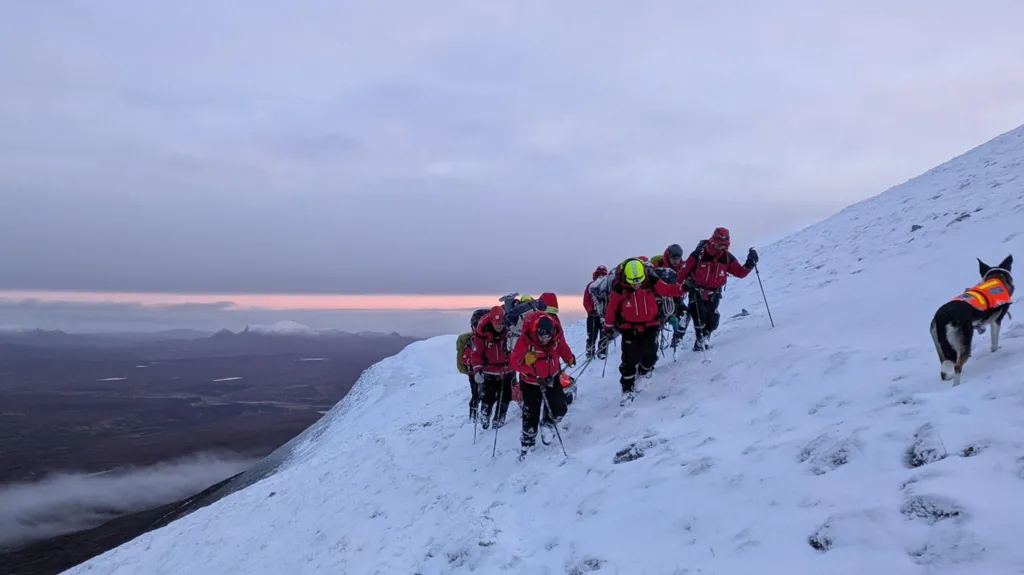
Volunteers who risk their lives navigating cliffs, ravines and freezing summits say the reward for their efforts cannot be measured in money or medals. For members of the Mountain Rescue England and Wales, the motivation is simpler: bringing people home safely.

Across the United Kingdom’s national parks and upland regions, mountain rescue teams respond to thousands of call-outs each year. From lost hikers and injured climbers to stranded runners caught in sudden weather shifts, the work is physically demanding and often conducted in darkness, high winds and heavy rain. Yet those who volunteer describe the experience as uniquely fulfilling.
Teams operating in areas such as the Lake District, Snowdonia and the Scottish Highlands are composed almost entirely of unpaid volunteers. Many balance full-time careers with their rescue commitments. When an emergency call comes through, pagers activate and members leave work desks, family dinners or beds in the early hours to assemble at base.
Mountain rescue in the UK functions as an emergency service, though it is not directly funded by central government. Instead, it relies heavily on charitable donations and community fundraising. Volunteers undergo rigorous training in casualty care, rope systems, navigation, avalanche awareness and technical rescue. The preparation can take years before a recruit is fully operational.
For seasoned team members, the satisfaction stems from teamwork under pressure. A typical operation may involve navigating difficult terrain with specialist stretchers, coordinating with air ambulance crews and maintaining constant communication with police services. In England and Wales, mountain rescue teams operate under the umbrella of Mountain Rescue England and Wales, while in Scotland, many teams are represented by Scottish Mountain Rescue.
Rescues are rarely dramatic in the cinematic sense. Many incidents involve walkers who underestimated terrain or weather conditions. Sudden fog can reduce visibility to metres, while winter conditions transform familiar footpaths into hazardous ice fields. In such scenarios, navigation errors can quickly escalate into life-threatening situations.
Volunteers acknowledge the emotional toll of the work. Not every rescue ends positively. Teams are sometimes called to recover bodies after fatal falls or medical emergencies in remote areas. Support structures within organisations aim to address mental wellbeing, recognising the cumulative stress associated with repeated exposure to trauma.
Despite these realities, retention rates remain strong. Members often cite camaraderie as central to their commitment. Training sessions, fundraising events and post-operation debriefs foster a sense of shared purpose. The structured hierarchy of incident commanders, medical leads and rope technicians ensures clarity during operations, but away from call-outs, teams function as close-knit communities.
The past decade has seen an increase in call-outs, attributed partly to the growing popularity of outdoor recreation. Social media imagery of dramatic peaks and scenic ridgelines has drawn more visitors to upland areas, some with limited experience. Rescue leaders have repeatedly emphasised the importance of preparation: carrying appropriate clothing, navigation tools and emergency supplies.
In response to rising demand, some teams have expanded training in specialist disciplines such as swift-water rescue and drone deployment for search operations. Technological advances, including GPS tracking and thermal imaging, have improved efficiency, but they do not replace the need for boots-on-the-ground responders capable of carrying equipment across unforgiving terrain.
For volunteers, however, the core reward remains human. Bringing an exhausted climber back to safety, reuniting a lost walker with anxious relatives, or stabilising an injured runner until evacuation arrives delivers what many describe as “incredible satisfaction.” It is not the drama of the mountains that sustains them, but the knowledge that their time and skill can transform a moment of crisis into relief.

In an era where public services face financial pressures and communities grapple with stretched resources, mountain rescue teams stand as an example of civic commitment. Their work underscores both the risks inherent in outdoor adventure and the resilience of volunteer networks prepared to answer the call, whatever the weather.
Related News:
 UP IN FLAMES: Huge Blaze Rips Through Odeon Cinema, Students Evacuated
 Snow and Rain Warnings as Cold Snap Continues in the UK
 Flooding May Worsen Before It Improves as More Rain Forecast for the UK
 Break from Wintry Weather as UK Temperatures to Climb to 14 °C
 EXCLUSIVE: Shamed Andrew’s New Humiliation as King Lays Down New Rule After Royal Lodge Boot
 Labour Utterly Humiliated by Straight-Talking Mum Who Cut Through Keir Starmer’s Insanity
 Royal Family LIVE: ‘Pariah’ Andrew Mountbatten-Windsor Sparks Fresh Revolt Among Staff
 GMB Issues Bombshell Andrew Update Minutes Into Show as Furious Viewers ‘Switch Off’
 Possessions Stuck in Unsafe Flats Two Years On
 Stay Away from Collapsed Road, Council Urges
 Tributes to Hospital’s First Black Ward Sister
 Dozens of Flood Warnings in England After Days of Non-Stop Rain
 Renters Furious as Decent Homes Standard Delayed Until 2035
 The Victorian aristocrat who became Britain’s first Muslim lord
 Gender Pay Gap Won’t Close for Another 30 Years, Warns Union
 FLOOD TRAGEDY: Man Dies After Entering Floodwater During Police Chase
 What Happened to Bathroom Doors in Hotels?
 Stop Releasing Phone Thieves Who Reoffend, Met Police Chief Urges Courts
 Motorists Could Face ‘Mandatory’ Driving Ban for Road Offences Under Tougher Laws
 Royal Mail Blames Poor Weather and Sickness for Delayed Deliveries
 Disability and LGBT Hate Crimes Set to Become Aggravated Offences
 Police Assessing Stansted Airport Private Flights Over Epstein Ties
 Teacher Who Lied About Cambridge Degree Banned From Profession
 Illegal Skin Lightening Cream Being Sold in UK Butchers, Watchdog Warns
 ‘Just Push Us Into the Sea’: The Frustration of an Area Failed by Politics
 Man Who Threw Kittens Into River Thames Sentenced
 TfL Advert Banned for Harmful Racial Stereotype
 Last‑ditch Call to Save Police Front Counters in London
 Deaf Woman Killed After Night Out With Strangers, Court Hears
 Adoption Breakdown Ended My Career and Relationship – ‘We’re Told to Get On With It’
 Valentine ‘Unrecognisable’ a Year After Rescue
 Britain’s Special Needs Spending Crisis Will Be Labour’s Ruin
 Two Teens Found Dead at East Yorkshire Holiday Park
 Popular UK Service Station Announces Closures Amid Another’s Liquidation
 Abandoned UK Village Being Reclaimed by Nature is ‘Vast, Wild and Fascinating’
 Porthcawl Body Find: Man Charged After Woman in 80s Found Dead in Freezer
 Dad Found in Bed with Daughter 16 Years After Abandoning Her as a Child
 Store at Famous Shopping Village to Close After 18 Years Due to Rising Costs
 I Confronted a Mugger with an 18-Inch Machete in London – No Wonder Tom Cruise is Leaving
 Tesco Announces New Rule for Customer Parking Spaces – ‘We Need These Everywhere!’
 UK-Bound Jet2 Flight from Spain Declares Mid-Air Emergency Over English Channel
 Fury as Jobless-Migrant Households Receive Benefits Worth £10bn – ‘We Need to End This’
 He Told Police His XL Bullies Were Friendly – Days Later His Mother-in-Law Was Mauled to Death
 Why There’s No Quick Fix in Sight for the Problem of Dazzling Headlights
 ‘The Arrogance of XL Bully Owner Killed Our Mum’
 ‘Don’t Make Us Security Guards,’ Says Teacher Stabbed by Pupil
 Bumper Ski Season but Avalanches Threaten Scotland’s Snowy Hills
 Closing Factory Workers Paid to Help at Food Bank
 ‘We’ve Been Left Homeless After Our Builder Went Bust’
 Mind Launches Inquiry into AI and Mental Health After Guardian Investigation
 Schools in England to Get Budget for Children with Special Needs as Part of SEND Overhaul
 Deer Shooting to Be Facilitated in England to Protect Woodlands
 What’s Next for Andrew Mountbatten-Windsor’s Ex-Wife, Sarah Ferguson?
 Mystery GP on Train Saves Passenger’s Life
 Men Come Forward to Pay £329 Restaurant Bill
 Only 10% of Boys Aged 14–16 Read Daily for Pleasure, National Literacy Trust Finds
 Karen Gillan Reveals What She Misses Most About Scotland’s Food and People
 Storm Hernando: Edinburgh Airport Flights Cancelled in US Travel Chaos
Storm Hernando: Edinburgh Airport Flights Cancelled in US Travel Chaos
Storm Hernando: Edinburgh Airport Flights Cancelled in US Travel Chaos
 Exciting’ or ‘Frustrating’? East Coast Reacts to Record Snow
 BBC Apologises After Racial Slur Aired at BAFTAs by Guest With Tourette’s
 Sadistic Pair Jailed for Blowing Up Sheep
 Birmingham Bin Strike Enters Sixth Month as Negotiations Stall
 Over 40% of Private Renters Forced to Ration Energy to Afford Bills, Study Reveals
 Systemic Racism in Maternity Care Continues to Endanger Black Women in England, MPs Warn
 Northern Ireland Faces Fears of Prolonged Race Riot “Permacrisis”
 Nigel Farage Unveils Controversial Immigration and Welfare Plans at Reform UK Press Conference
 Scottish Teenager’s Petition on Single-Use Plastics Gains Parliamentary Support
 White Low-Income Pupils in England Show Lowest Levels of School Engagement, Study Finds
 No Evidence Found to Substantiate Alleged Rape in Oxfordshire Churchyard, Police Confirm
 UK House Price Growth Slows as Buyers Exercise Caution Ahead of Autumn Budget
 Massive London Poundland Fire Engulfs High Street
 Paedophile Singer Ian Watkins Dies After Prison Attack
 UK border officers deployed to Balkans to tackle migrant smuggling
 UK MPs warn of repeat riots over online misinformation
 Giuffre’s bombshell memoir names Prince Andrew 88 times in shocking revelations
 M&S and Morrisons Lead Christmas Supermarket Taste Test
 UK Job Vacancies Hit Five-Year Pandemic Low
 Meet Robert Aramayo: From Humble Beginnings in Hull to Juilliard and BAFTA Glory After Beating Timothée Chalamet
 UK Youth Unemployment Surges Amid Tax Changes