Published: 25 February 2026. The English Chronicle Desk. The English Chronicle Online.
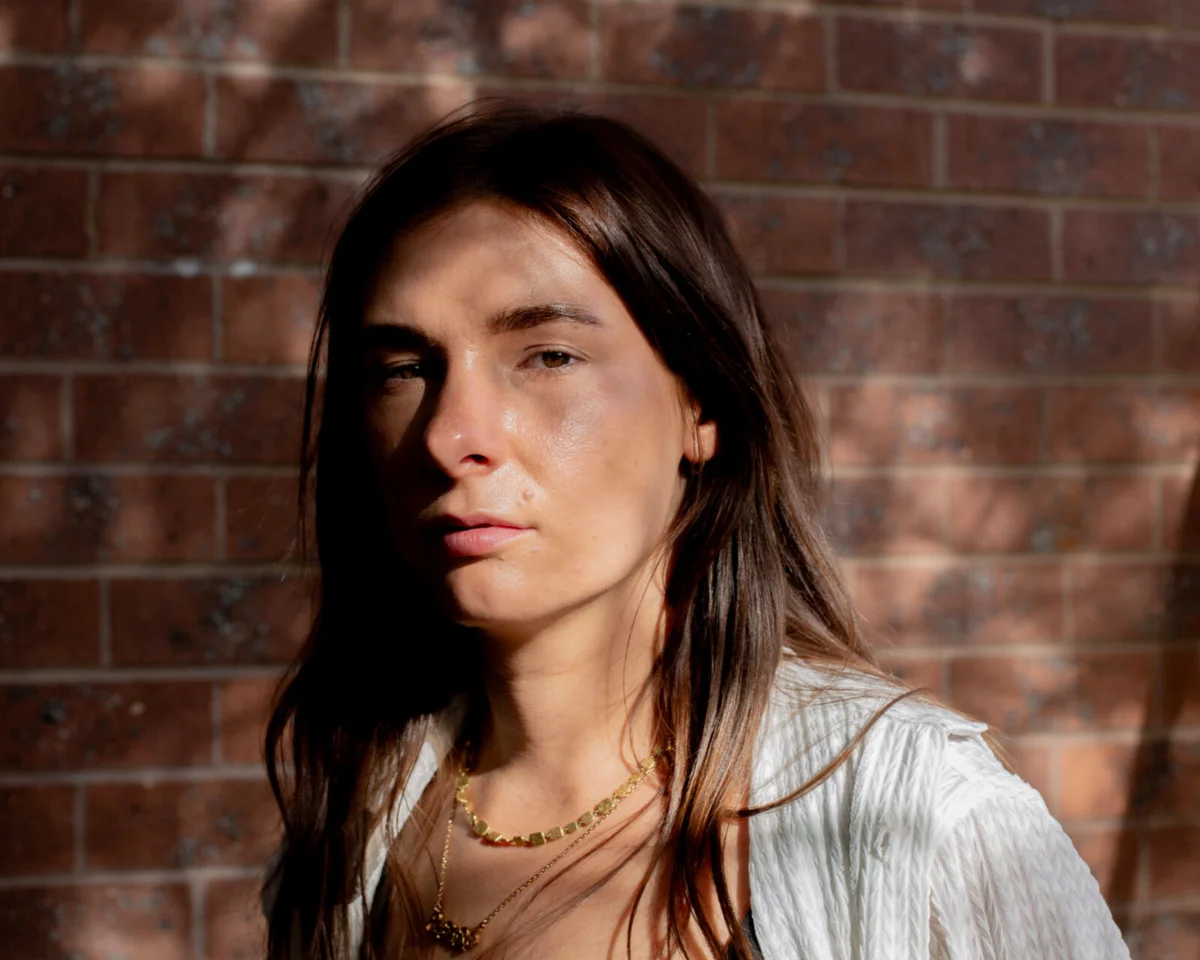
Evelyn Araluen has claimed a major double victory at the Victorian premier’s literary awards, securing a combined $125,000 for her latest poetry collection, The Rot. The Evelyn Araluen triumph was confirmed on Thursday evening, marking a defining moment in her already celebrated career. The Goorie and Koori poet won both the $100,000 Victorian prize for literature and the $25,000 Indigenous writing award for the same collection.
The awards ceremony, held in Melbourne, brought together leading figures from Australia’s literary world. Nearly 700 books were entered across categories this year, reflecting the strength and diversity of contemporary writing. Against that crowded field, The Rot emerged as a standout work, praised by judges for its bold form and political urgency.
Judges described the collection as possessing remarkable poetic intelligence and emotional precision. They called it formally daring and politically uncompromising, adding that it offers a vital intervention in Australia’s cultural conversation. Such language underscored the significance of the Evelyn Araluen triumph, not only as personal recognition but as a broader cultural statement.
Before learning she had also secured the overall Victorian prize for literature, Araluen spoke warmly about winning the Indigenous writing category. She admitted she had not expected to take the top honour. In a moment of candid humour, she suggested she would be content with her category prize alone. The surprise announcement later that evening therefore added an emotional twist to proceedings.

Araluen’s path to this moment has been shaped by both acclaim and challenge. She previously won the prestigious Stella Prize in 2022 for her debut collection, Dropbear. That earlier success established her as one of Australia’s most distinctive poetic voices. However, she has been open about the financial precarity she experienced while building her career.
Following the Stella win, Araluen revealed she had been close to poverty while completing her first book. She balanced multiple temporary arts roles and academic commitments during that period. Since then, she has secured a full-time academic position, which she once viewed as a compromise. Over time, she has come to see that stability as enabling greater creative freedom.
The creation of The Rot was intense and compressed. Araluen wrote much of the collection over several months last year. She often worked late into the evening, after finishing her academic duties. She later reflected that immersing herself so deeply in traumatic subject matter carried emotional risks.
The book was sparked by a difficult experience at Adelaide Writers’ Week in 2024. During a public reading, Araluen referred to Israel’s killing of Palestinians in Gaza as a genocide. Some audience members heckled her, with several people leaving the event in protest. The confrontation left her shaken but resolute.
She has said the poems in The Rot emerged from that moment of public tension. They grapple with grief, rage, inertia and helplessness in the face of violence. Araluen described the physical sensation of powerlessness when confronting what she views as government complicity. The collection attempts to document that emotional landscape with unflinching clarity.
At the same time, she recalled that many audience members approached her in tears after the reading. They thanked her for articulating feelings they had struggled to express. That dual response, hostility and solidarity, became central to the book’s emotional core. The Evelyn Araluen triumph therefore reflects not only literary craft but lived experience.
In interviews, Araluen has expressed hope that The Rot will one day feel dated. She wishes for a future in which its warnings read as naive rather than prophetic. Yet she is also clear that the collection stands as a record. It documents what she believes many people knew and failed to stop.
Beyond artistic concerns, Araluen has used her platform to question how literary prizes are taxed in Australia. Unlike the prime minister’s literary awards, many state prizes are treated as taxable income. She has noted that her Stella Prize winnings were taxed at nearly 50 percent. For writers who spend years on a single project, such taxation can create financial disruption.
Araluen emphasises she supports taxation in principle. However, she argues that prize money often arrives unpredictably and unevenly. In countries with more flexible systems, artists can average income across years of feast and famine. She believes similar reforms would better sustain creative careers in Australia.
Her comments have resonated within the arts community. Many writers rely on grants, short-term contracts and prize income to survive. The Evelyn Araluen triumph, while substantial in headline value, also highlights the structural challenges facing artists. Financial security remains elusive for many, even after major accolades.
This year’s Victorian premier’s literary awards featured strong contenders across genres. The $2,000 people’s choice award went to Discipline by Randa Abdel-Fattah. Abdel-Fattah’s involvement in Adelaide Writers’ Week earlier this year had sparked controversy. Her removal from the festival led to the event’s collapse, drawing national attention.
The fiction prize was awarded to Omar Musa for his novel Fierceland. The book explores the legacy of a palm-oil baron through the lives of his children. Judges praised its glittering prose and ambitious scope. The work examines family, power and environmental consequence with lyrical intensity.
In nonfiction, the award went to Micaela Sahhar for Find Me at the Jaffa Gate. Judges described the memoir as remarkable and poetic in feeling. It traces the history of a Palestinian family with encyclopaedic care. The recognition reflects growing interest in diasporic storytelling within Australian letters.
Children’s literature honours were awarded to Zeno Sworder for his picture book Once I Was a Giant. The young adult category, renamed in memory of John Marsden, was won by Margot McGovern for her horror novel This Stays Between Us. The renaming paid tribute to Marsden’s enduring influence after his death in December 2024.
The poetry prize, separate from the overall Victorian prize for literature, was awarded to Eunice Andrada for her collection KONTRA. In drama, Emilie Collyer won for her play Super. The unpublished manuscript prize went to Charlotte Guest for The Kookaburra. Together, the winners reflect the vibrancy of Australia’s creative landscape.

The Victorian premier’s literary awards have operated since 1985. Over four decades, they have grown in prestige and financial value. The Victorian prize for literature remains one of the country’s richest literary honours. For Araluen, this year’s recognition cements her place among Australia’s leading contemporary poets.
The Evelyn Araluen triumph also carries international resonance. Debates around Gaza and free expression continue to reverberate globally. British readers will recognise similar tensions within cultural institutions at home. Araluen’s willingness to confront uncomfortable themes echoes wider conversations about art and accountability.
Her victory suggests that literary institutions are prepared to reward politically engaged writing. Judges explicitly praised the uncompromising stance of The Rot. That endorsement may encourage other writers to address contentious issues openly. It also signals that poetry remains a powerful medium for national reflection.
Ultimately, the Evelyn Araluen triumph is about more than prize money. It represents the recognition of a voice shaped by Indigenous identity, academic insight and moral urgency. Araluen has shown that poetry can respond swiftly to unfolding events while maintaining formal innovation. Her work insists that art must bear witness, even when audiences resist.
As celebrations fade, the questions raised by The Rot will linger. Araluen hopes the book becomes an artefact of a troubled moment. Whether it does so depends on political realities beyond literature’s reach. For now, her achievement stands as a testament to courage, craft and conviction.
Related News:
 Top Christmas Books Reads: Classics to Cozy Romcoms
 Just Stop Oil Protesters Convicted Amid Climate Defence Row
 BBC to Apologise Over Edited Trump Speech Amid Backlash
 Britain deploys RAF specialists to assist Belgium with drone threats
 Palace May Restore Hyphen to Andrew Mountbatten-Windsor’s Name
 US Senate Passes Funding Bill to End Historic Shutdown
 US Justice Department Files Lawsuit Against California Over Partisan Voting Maps
 Greene Pushes Epstein Files Amid Trump Fallout
 Trump Deploys DHS to Charlotte in Major Arrest Operation
 December Run-Off in Chile as Election Produces No Winner
 Zelenskyy Signs Fighter Jet Deal Amid Russian Drone Attacks
 Orban Says Ukraine Has ‘No Chance’ as EU Support Continues
 Canada Passes Carney’s First Budget in Tight Parliamentary Vote
 Israeli Strike Kills 13 Near Palestinian Camp in Lebanon
 Shadow Fleet at Sea: Europe’s Battle Against Illicit Oil Shipping
 Tiny Curacao Makes History as Smallest Nation to Reach World Cup
 Haiti Qualifies for World Cup Despite Coach Never Visiting Country
 Deadly Russian Strikes Hit Western Ukraine, 20 Killed in Ternopil
 Pentagon Officials in Ukraine to Discuss War End
 Ukraine Peace Plan: Zelensky Ready for Dialogue
 Vietnam Battles Deadly Floods as Rains Continue
 Venezuela Threatens Nobel Winner Machado with Fugitive Status
 At Least Three Dead in Bangladesh Earthquake
 Royal Navy Shadows Russian Warships Entering the Channel
 Israel Confirms Hamas Returned Dror Or’s Body
 US Suspends Afghan Immigration After White House Shooting
 Two National Guard Soldiers Critically Injured Near White House
 Georgians Defy Government Crackdown After Year of Protests
 Southern Lebanon reels as Israeli strikes shatter communities
 Mbappe Scores 4 as Real Madrid Edge Olympiakos
 Sri Lanka Floods Leave 56 Dead, Dozens Missing
 Tokyo court rules Japan’s same-sex marriage ban constitutional
 ‘Extinct’ Antelope Returns to Sahara, Bringing Hope
 EU plans $105bn Ukraine aid using frozen Russian assets
 Global campaign launched to free Palestinian leader Barghouti
 American Mother Extradited From UK to U.S. on Murder Charges
 Russia losses Ukraine war peace talks intensify amid rising deaths
 Facebook Slow to Remove Bondi Attack Praise, Anti-Hate Group Claims
 Australian Cruise Ship Freed After Reef Grounding in Papua New Guinea
 Zelenskyy Accuses Russia of Sabotaging Peace Talks
 US Cities Erupt in Protests Against Trump’s Venezuela Military Action
 Albanese Opens Door to Bondi Royal Commission Amid Rising Pressure
 Trump Escalates Minnesota Immigration Surge Amid Rising Tensions
 Iran Protesters Defy Crackdown as Violent Clashes Intensify
 US Clears Nvidia AI Chip Sales to China in Policy Shift
 Trump Threatens Strong Action If Iran Executes Protesters
 Gulf states warn Trump Iran strikes risk wider Middle East war
 Machado Trump medal gesture reshapes Venezuela power struggle
 Greenland defence seen as shared Nato duty amid troop arrivals
 EU weighs response amid Greenland tariff crisis with Trump
 Syria President Declares Victory as Ceasefire Reached with SDF
 Sydney Shark Attack Surge Shocks Australia Beaches
 ICE street raids expose a chilling future for public freedoms
 Thousands Flee Cambodia Scam Centres Amid Global Pressure
 EU Says US Ties Have Suffered ‘Big Blow’ After Greenland Crisis
 Andrew Hastie Emerges as Leadership Rival to Ley
 Starmer China visit raises human rights pressure on Beijing
 US Launches Multi-Day Air Drills Amid Rising Iran Tensions
 Videos reveal earlier clash before Alex Pretti shooting
 China Executes 11 Linked to Myanmar Scam Networks
 UK New Car Discounts Near £6,000 as Prices Are Slashed
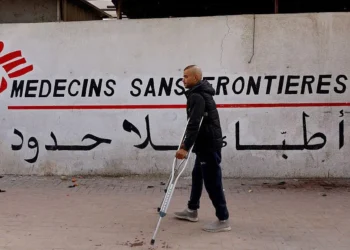 Israel Moves to Bar MSF From Gaza Operations
 Tragic Ski Lift Accident Claims Australian Snowboarder
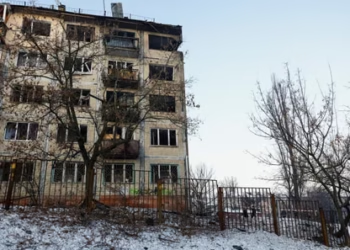 Thousands Left Without Heating in Ukraine Amid Russia Strikes
 Trump Praises ‘Terrific’ Petro After White House Talks
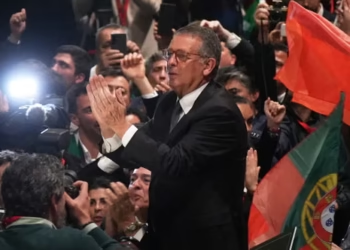 Portugal Election Delivers Socialist Win as Far Right Surges
 Sydney Protest Escalates and Elderly Woman Suffers Severe Injury
 Tarique Rahman’s Rise Toward Bangladesh’s Top Job
 Australian Families Leave Syrian Camp for Home
 SA Police Intensify Search in Gus Lamont Case
 Trump Attacks UK-California Energy Pact
 Kim Jong-un Unveils Housing for War Families
 Trump and Chagos Deal Rift Over Iran Strikes
 Andrew Arrest Sparks Republic Debate in Australia
 Global corruption crisis: Who Washington shields
 El Mencho Killed as Mexico Faces Violence
 Farage Chagos Islands Row Sparks Fury
 Monsoon low sparks flood fears across Australia
 Gold Rush in Gugulethu Leaves South Africans Desperate for Work and Hope
 Trump Tariffs Threat Spark UK and EU Alarm