Published: 25 February 2026. The English Chronicle Desk. The English Chronicle Online.
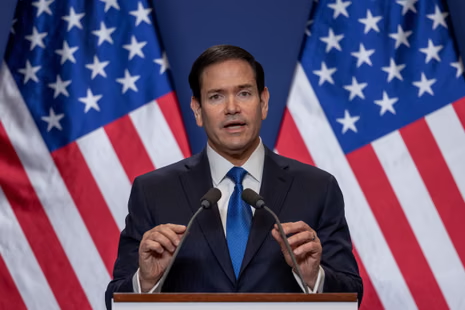
Tensions over Iran have sharply intensified in Washington this week. The phrase Iran tensions now dominates political debate across Capitol Hill. Just hours before delivering his State of the Union address, President Donald Trump signalled a tougher stance on Tehran. Meanwhile, Secretary of State Marco Rubio provided a classified update to senior lawmakers. The developments have stirred fresh concern about the prospect of military confrontation. At the centre of events stands the delicate question of diplomacy versus force.
Rubio met with the highly restricted “gang of eight” in Washington. This bipartisan group includes the top leaders of both parties. It also involves the chairs and ranking members of intelligence committees. Such briefings are reserved for matters of deep national security importance. Observers noted that the timing of this session was striking. It came just before Trump addressed the nation from the Capitol.
During his speech, Trump insisted Iran would never obtain nuclear weapons. He claimed Tehran was developing missiles capable of striking the United States. However, he did not provide detailed public evidence supporting that claim. He also emphasised that diplomatic negotiations were still underway. “They want to make a deal,” Trump told lawmakers and viewers nationwide. Yet he warned that Washington had not heard clear assurances from Tehran.

The remarks added to a climate of rising Iran tensions. The United States has deployed significant military assets to the region. A second aircraft carrier, the USS Gerald R. Ford, has now arrived nearby. It is the largest aircraft carrier in the world. Analysts say its presence signals serious preparation rather than symbolic posturing. The carrier’s advanced capabilities provide both deterrence and offensive options.
This build-up marks the largest deployment to the Middle East in years. Many commentators compare it to the period before the 2003 Iraq war. The comparison has unsettled both political parties. Memories of long conflicts in the region remain fresh. For that reason, lawmakers reacted cautiously to the classified briefing.
After leaving the secure session, Senate Minority Leader Chuck Schumer spoke briefly to reporters. He described the situation as serious and deserving public explanation. He urged the administration to clearly justify its position. Democratic Representative Jim Himes expressed deeper unease. He warned that wars in the Middle East rarely benefit presidents or nations. He also questioned why now would be the moment for escalation.
Behind closed doors, intelligence officials reportedly outlined potential risks. According to media reports, General Dan Caine warned about missile stockpile depletion. Systems such as Patriot and THAAD could be strained in conflict. A prolonged engagement might reduce defensive readiness elsewhere. Trump later dismissed suggestions that Caine opposed military action. He insisted the general simply described operational realities.
The diplomatic track, however, remains active despite mounting Iran tensions. Talks between US and Iranian representatives are scheduled in Geneva later this week. Iran’s deputy foreign minister, Majid Takht-Ravanchi, signalled willingness to reach agreement. He told American radio that Tehran was ready to move quickly. Yet he stressed that discussions would focus solely on nuclear matters.
This limitation could prove a sticking point. Trump has demanded broader concessions from Iran. He wants Tehran to halt ballistic missile development. He also seeks an end to support for regional proxy groups. These include Hezbollah and the Houthis in Yemen. Iranian officials maintain those issues are separate from nuclear negotiations.
Meanwhile, Washington has taken precautionary security measures. Non-essential US embassy staff have been evacuated from Lebanon. Officials cited concerns about the local threat environment. Rubio also postponed a planned weekend meeting with Israeli Prime Minister Benjamin Netanyahu. The delay underscores the sensitivity of regional coordination.
Inside the White House, senior advisers are weighing options carefully. Vice President JD Vance is closely involved in discussions. CIA Director John Ratcliffe contributes intelligence assessments. Defence Secretary Pete Hegseth oversees operational planning. Director of National Intelligence Tulsi Gabbard provides broader analysis. White House Chief of Staff Susie Wiles coordinates the political dimension.
Trump’s Middle East envoy, Steve Witkoff, is expected to lead the Geneva delegation. He may be joined by senior adviser Jared Kushner. Both men have longstanding ties to the president. Their involvement highlights the personal nature of Trump’s diplomatic strategy. The outcome of these talks could shape the next phase decisively.
Military analysts describe several possible scenarios. One option involves limited strikes on nuclear facilities. Such action would aim to pressure Tehran without triggering full war. Another scenario entails a broader offensive targeting leadership infrastructure. That approach carries far greater risks and uncertainties. Regional allies would likely face retaliatory attacks.
Retired Air Force General Charles Wald believes the US now has credible capacity. He argues forces in place could deter or counter Iranian retaliation. However, he also cautions that red lines can constrain leaders. If ultimatums are not enforced, political consequences follow. Trump’s recent comments have drawn attention to this dynamic.
During his State of the Union address, Trump reiterated a firm deadline. He warned that “really bad things” would occur without agreement. That rhetoric has contributed to heightened Iran tensions internationally. European leaders are watching developments closely. Many favour a diplomatic resolution that preserves regional stability. Markets have also reacted to the uncertainty with nervous shifts.

Public opinion in the United States appears divided. Some voters support a hard line against Iran. Others fear another prolonged Middle Eastern conflict. The administration insists it prefers negotiation over confrontation. Yet the visible military build-up sends a powerful parallel message. Diplomacy backed by force remains Trump’s stated doctrine.
For Tehran, the stakes are equally high. Economic sanctions have already strained domestic conditions. International isolation has limited trade opportunities. Leaders in Iran must weigh compromise against political pride. Hardliners remain sceptical of American intentions. Moderates argue that economic relief requires engagement.
The coming days may prove decisive. If Geneva talks show tangible progress, tensions could ease. A clear framework limiting nuclear enrichment might satisfy Washington’s baseline demand. However, disagreements over missiles and regional influence could persist. In that case, the spectre of military action may return quickly.
For now, Rubio’s classified briefing underscores the gravity of the moment. Lawmakers from both parties recognise the risks involved. They also understand the importance of unity in foreign policy crises. Transparent communication with the public may become essential. The American people will expect clarity about objectives and consequences.
As the world watches, Iran tensions remain at the forefront of global politics. The balance between deterrence and diplomacy hangs delicately. Decisions made this week could shape Middle Eastern stability for years. Whether through negotiation or confrontation, the outcome will resonate far beyond Washington.
Related News:
 Kinnock’s Rebuke Echoes Loudly as Corbyn Allies Launch Left-Wing Breakaway: “A Gift to Farage”
 UK and Norway Forge Stronger Ties Through Joint Sanctions and Enhanced Defence Cooperation
 Trump Administration Dismisses 17 Immigration Judges, Sparking Debate Over Judicial Independence
 Modi’s London Visit Seals Historic UK-India Trade Pact Amid Global Tensions
 UK Must Act with Courage and Clarity on Israel-Palestine Conflict, Says Foreign Affairs Committee Report
 Trump Threatens 100% Tariff on Nations Importing Russian Oil Amid India Standoff Over Ukraine War
 Netanyahu Announces Plan to Take Over Gaza City, Escalating Conflict Further
 Radioactive Leak at UK’s Nuclear Warhead Base Sparks Outcry Over Safety and Secrecy
 Mutual Inconvenience: Why Alaska Was Chosen for the Trump-Putin Summit on Ukraine
 Hong Kong Summons UK and Australian Envoys Following Asylum Grants to Democracy Activists
 Is the UK Ready to Put Boots on the Ground in Ukraine? Assessing Military Capacity and Challenges
 Protests Expected as Israeli Arms Firms Join Global Defence Trade Fair in London
 Trump Appears Sidelined as Israel’s Unprecedented Strikes Hit Qatar
 Conservative Influencer Charlie Kirk Fatally Shot During University Debate
 Thousands Gather in London to Protest Donald Trump’s Second UK State Visit
 Channel Crossings Surge: Over 1,000 People Arrive in the UK in Small Boats in a Single Day
 Widow of Charlie Kirk Forgives Killer at Emotional Memorial Service
 Denmark Investigates Professional Drone Incursions Across Multiple Airports, No Evidence of Russian Involvement
 UK Fighter Jet Purchase Could Breach Nuclear Treaty, Warns CND
 Yvette Cooper Signals Global Momentum Towards Gaza Peace Deal Amid Humanitarian Crisis
 A Third of EU Citizens in UK Report Discrimination by Public Bodies Post-Brexit
 Public Trust in SNP Hits Historic Low Amid NHS Concerns
 Johnson Suggests Mandelson Linked to China Spy Controversy
 Rachel Reeves signals welfare reform ahead of key budget
 Ireland Votes as Two Women Compete for Presidency
 Russia’s Latest Push to Win US Favors Shows Deep Desperation
 Experts Warn Russia’s Burevestnik Missile Could Destabilise Arms Control
 Johnson Approved China’s London ‘Super-Embassy’ in 2018
 BBC to Apologise Over Edited Trump Speech Amid Backlash
 Britain deploys RAF specialists to assist Belgium with drone threats
 Trump Urges Herzog to Grant Netanyahu Full Pardon
 US Justice Department Files Lawsuit Against California Over Partisan Voting Maps
 Indian authorities demolish Kashmir home linked to Red Fort blast
 Greene Pushes Epstein Files Amid Trump Fallout
 Trump Deploys DHS to Charlotte in Major Arrest Operation
 December Run-Off in Chile as Election Produces No Winner
 Canada Passes Carney’s First Budget in Tight Parliamentary Vote
 Shadow Fleet at Sea: Europe’s Battle Against Illicit Oil Shipping
 Pentagon Officials in Ukraine to Discuss War End
 India’s COP30 Delay Raises Global Climate Concerns
 Venezuela Threatens Nobel Winner Machado with Fugitive Status
 Georgians Defy Government Crackdown After Year of Protests
 EU plans $105bn Ukraine aid using frozen Russian assets
 Russia losses Ukraine war peace talks intensify amid rising deaths
 Albanese Opens Door to Bondi Royal Commission Amid Rising Pressure
 Trump Escalates Minnesota Immigration Surge Amid Rising Tensions
 Iran Protesters Defy Crackdown as Violent Clashes Intensify
 Trump Threatens Strong Action If Iran Executes Protesters
 Machado Trump medal gesture reshapes Venezuela power struggle
 EU weighs response amid Greenland tariff crisis with Trump
 ICE street raids expose a chilling future for public freedoms
 EU Says US Ties Have Suffered ‘Big Blow’ After Greenland Crisis
 Andrew Hastie Emerges as Leadership Rival to Ley
 Starmer China visit raises human rights pressure on Beijing
 Israel Moves to Bar MSF From Gaza Operations
 Trump Praises ‘Terrific’ Petro After White House Talks
 Fears of New Arms Race as US-Russia Nuclear Weapons Treaty Expires
 Sydney Protest Escalates and Elderly Woman Suffers Severe Injury
 Tarique Rahman’s Rise Toward Bangladesh’s Top Job
 After the Landslide: Can India Reset Ties with BNP Bangladesh?
 Australian Families Leave Syrian Camp for Home
 Starmer Weighs Fast-Tracking Defence Boost
 Macron Rebuked in Franco-German Defence Row
 Trump Attacks UK-California Energy Pact
 Kim Jong-un Unveils Housing for War Families
 Stephen Colbert Says CBS Spiked Interview With Democrat Over FCC Fears
 Nine Arrested in France Over Death of Far‑Right Student
 South Korea’s Ex-President Faces Death Penalty in Insurrection Trial
 Trump and Chagos Deal Rift Over Iran Strikes
 Andrew Arrest Sparks Republic Debate in Australia
 Australian PM Says Former Prince Andrew Has Suffered ‘Extraordinary Fall’ but That Won’t Prompt Republic Referendum
 Global corruption crisis: Who Washington shields
 Musk Cuts Starlink Access for Russian Forces – Giving Ukraine an Edge at the Front
 Farage Chagos Islands Row Sparks Fury
 How South Korea’s Democracy Rebounded After Martial Law Attempt
 Ukraine Negotiator Reveals What It Feels Like Facing Russia
 Chad Shuts Border With Sudan in Bid to Stop Conflict Spreading
 French Minister Moves to Block US Envoy Kushner from Government Access
 ‘Anyone who runs is shot’: Russian soldiers describe killings of troops who refuse orders
 Security Threat Against Australian PM Linked to Banned Chinese Dance Group