Published: 25 February 2026. The English Chronicle Desk. The English Chronicle Online.
Russian trade channels through Britain’s overseas territories have come under intense scrutiny after a groundbreaking report revealed roughly $8bn of commerce flowed through secretive island jurisdictions since the 2022 invasion of Ukraine. The analysis, compiled by Transparency International’s Russian office in exile, shows that opaque legal and financial networks in British island territories have been used to move goods ranging from high-end yachts to heavy oil‑drilling equipment linked to sanctioned individuals and enterprises. These revelations highlight the challenges of monitoring Russian trade and enforcing sanctions effectively in a complex global financial system.
At the heart of the study is the British Virgin Islands, which accounted for more than half of the total identified transactions. The report found that about $4.4bn of the $8bn was linked to companies in this territory, where officials have faced criticism for delayed implementation of a public register of beneficial ownership. Many of the transactions routed through the BVI involved exports from Russia, including bulk commodities and natural resources, reflecting the broader focus of Russian trade through offshore jurisdictions to obscure financial flows.
Among the most eye‑catching elements of the report are records of luxury yachts that passed through Cayman Islands‑linked entities. One vessel, identified as the Universe, is a 74‑metre superyacht previously associated with a sanctioned Russian political figure and former president. Another ship, the Marlin, appears in trade logs connected to offshore companies and was ultimately linked by independent media researchers to a sanctioned oligarch, who allegedly transferred the asset to an associate close to the Kremlin. These cases illustrate how Russian trade often intertwines with luxury assets to circumvent visibility.

Bermuda, the second largest conduit, saw almost $3bn in trade tied to equipment for the oil and gas sector. Drilling apparatus, turbines and other heavy machinery for the Sakhalin‑2 project in Russia’s far east were routed via Bermuda entities, bypassing restrictions that Western companies had exited. Analysts warn that such machinery directly supports energy infrastructure that remains lucrative for the Kremlin, demonstrating how Russian trade continues to fund critical strategic industries despite sanctions.
The report also flags an aircraft sale facilitated through a Bermuda‑linked company, involving a multi‑million-dollar jet reportedly connected to a well‑known Chechen leader. Transparency International emphasised that Russian trade through these jurisdictions is often opaque, making it difficult to verify compliance with sanctions and exposing gaps in global enforcement measures. Officials from the Cayman Islands, Bermuda, and Gibraltar stressed that sanctions are enforced locally, yet Transparency International warned that regulatory loopholes persist.
The revelations underscore the ongoing complexities of monitoring Russian trade, where goods and capital move through intricate networks of legal entities and offshore centres. As the war in Ukraine reaches its fourth year, the international community faces renewed debate over how to secure effective sanctions compliance without stifling legitimate economic activity, a balance that has yet to be fully achieved.
Related News:
 British Woman in Iran ‘Losing Hope’ Amid Ongoing Detention
 BBC Journalist Held and Interrogated in Vietnam
 Green Party Surges Past Labour in Latest UK Poll
 Celebrities and Charities Demand UK Government Act on Child Poverty
 Trump’s UK Ambassador Urges North Sea Drilling to Strengthen US Ties
 FBI Director Kash Patel Defends Girlfriend Amid Government Jet Claims
 French Taxi Driver Cleared in David Lammy Theft Case After Fare Dispute
 MPs Press Rachel Reeves to Hike Gambling Taxes
 Boris Johnson accused of undermining BBC leadership
 ‘Reckless’ cuts to victims’ services will cost more than they save
 Millionaires group urge Reeves to introduce wealth tax to ‘lift kids out of poverty’
 Starmer Faces Growing Dissent as Labour MPs Weigh Leadership Challenge
 Reeves rejects £1bn plea for NHS redundancy payouts
 Politics latest: Starmer ‘will fight any leadership coup’ as Streeting denies attempt to oust Labour PM
 PM Condemns Leaks, Vows Loyalty to Ministers and Stability
 Major Rent Reform Ends No-Fault Evictions in England
 Peers Flood Assisted Dying Bill with 942 Amendments
 England’s Special Needs Support Faces Breaking Point
 MoD warned over Excel risks before Afghan data breach
 UK Asylum Overhaul Sparks Debate Over Human Rights and Deportations
 UK Candidate Moved to Safe House After Election Threats
 UK Warns China After MI5 Issues Espionage Alert
 Labour Faces Historic Decline in Wales
 Rama Rebukes Mahmood for Targeting Albanian Families
 PM Highlights UK Business at G20 in South Africa
 Kate Forbes: Motherhood Harder Than Politics
 Most Tories Expect to Support a Farage-Led Government
 Labour MP claims devolution bill is ‘blatant discrimination’ against Cornwall
 Millions Face Higher Taxes Under Reeves New Budget
 Peers Get Extra Time to Debate Assisted Dying Bill
 Planned Palestinian Flag Raising at Belfast City Hall Faces Delay Amid Legal Concerns
 Starmer Says Labour’s Economic Plan Needs Years to Deliver
 Culture secretary to review Telegraph takeover by Daily Mail owner
 Andy Burnham Apologises for Past LGBTQ+ Police Discrimination
 Plans to Limit Jury Trials Face Retreat After Mounting Opposition
 Jenrick Reform defection deepens Tory civil war
 Right Must Unite After Jenrick Defection, Urges Rees-Mogg
 UK Ministers Drop Foreign Student Targets for Global Education Push
 MPs warn AI financial risks threaten UK stability
 MPs warn AI financial risks threaten UK stability
 No Gas Boiler Ban as UK Warm Homes Plan Backs Heat Pumps
 Hugh Grant Joins Call for Under-16 Social Media Ban in UK
 Shinzo Abe’s killer receives life sentence in Japan
 Lords Vote Piles Pressure on Starmer Over Social Media Ban
 Planned Troubles Board Game Sparks Outrage in Northern Ireland
 Reform UK Health Plan ‘Would Cost £1.7bn’, Streeting Says
 Police response times face strict new national limits
 Labour policing overhaul sparks fears over growing central control
 Tories criticised after Braverman defection sparks mental health row
 Burnham Westminster return hopes fade amid Labour rift
 Starmer warns of toxic division politics in Reform challenge
 Starmer China visit raises human rights pressure on Beijing
 Labour Must Revive High Streets to Avoid Election Collapse
 Conservative Party Rejects Centrism Under Badenoch’s Leadership
 Calls Grow for King Charles to Apologise for Crown’s Role in Slavery
 Starmer Signals UK Return to EU Defence Pact Talks
 Starmer crisis deepens as Labour MPs turn on PM
 Palantir contracts face UK halt calls over transparency
 Labour Thinktank Row Deepens Over Journalist Probe Claims
 Morgan McSweeney downfall shocks Labour leadership
 Sarwar call shakes Labour as No 10 calms fears
 Labour Lord Doyle Apologises Over Paedophile Ties in Political Storm
 Palestine Action Verdict Sparks Debate on Activist Tactics
 Cabinet Secretary Shake-Up Triggers Due Diligence Warning
 Starmer Faces Inquiry Calls Over Thinktank Probe
 Royal Mail Delivery Crisis Deepens Amid Weather Chaos
 Labour Together probe scandal sparks fresh Cabinet Office investigation
 Farage to Name Jenrick as Reform Chancellor Pick
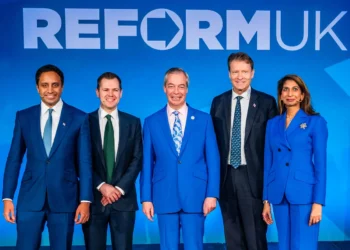 Farage Unveils Reform UK Frontbench Team
 NHS Negligence Ruling Raises Payout Costs
 Civil Service Pay: Union Urges Ministers to End ‘Barking Mad’ Limits
 Antonia Romeo appointment sparks criticism
 Trump and Chagos Deal Rift Over Iran Strikes
 Andrew Mountbatten-Windsor Arrest After FBI Radar
 Farage Chagos Islands Row Sparks Fury
 Trump Tariffs Threat Spark UK and EU Alarm
 Gasfield Deal Sparks Debate Over Fracking in Lincolnshire
 Reform UK targets workers’ rights repeal
 Ministers Urged to Ban Crypto Political Donations
 Mandelson Denounces Arrest Over ‘Baseless’ Fleeing Claims