Published: 31st July 2025 | The English Chronicle Desk
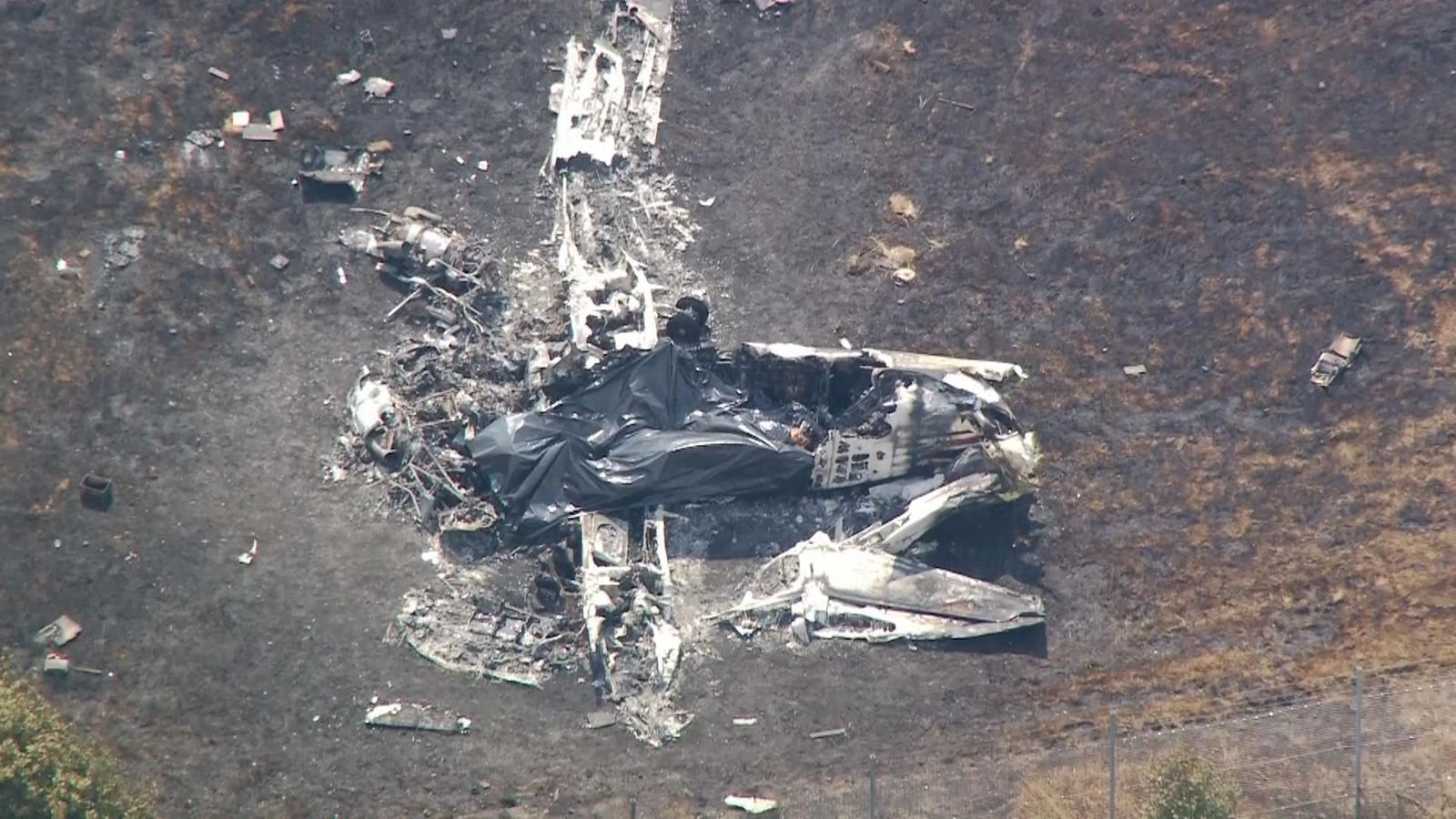
The quiet afternoon skies over Essex turned deadly on July 13 when a medical repatriation aircraft crashed shortly after take-off from Southend Airport, claiming the lives of four people on board. Now, in a somber update, Essex Coroner’s Court has revealed the causes of death of the victims, painting a harrowing picture of the final moments of the ill-fated flight.
The aircraft, a Beechcraft operated by Dutch aviation company Zeusch Aviation, had just completed a patient transfer mission to the UK and was en route back to the Netherlands when it came down inside the airport boundary at approximately 3:58pm. The victims were identified as pilot Danny Marco Franken, 53, and first officer Floris Christiaan Rhee, 24, both Dutch nationals, alongside German doctor Matthias Eyl, 46, and nurse Maria Fernanda Rojas Ortiz, 31, from Troisdorf, Germany.
At the opening of the inquests into their deaths, held at Essex Coroner’s Court in Chelmsford, Senior Coroner Lincoln Brooks described the crash as an “absolute tragedy.” Addressing the court, Brooks said he had personally attended the crash site and praised the professionalism of Essex Police and the disaster victim identification teams who operated in line with Interpol guidelines. “My heart goes out to the families, loved ones and friends of all four victims,” he said. “On any view, it’s a terrible loss.”
Formal identification of the victims was carried out using a combination of disaster protocols, DNA evidence, dental records, and personal belongings. Post-mortem examinations conducted by Home Office pathologist Dr Ben Swift determined that all four individuals died from multiple severe traumatic injuries, with traumatic head injuries being the principal cause in each case.

Captain Franken, a seasoned pilot from Harderwijk in the Netherlands, was identified through dental records and suffered catastrophic trauma, including to the head. His co-pilot, Mr Rhee, who was also from the Netherlands, succumbed to similar fatal injuries, with the inquest hearing that he too was identified by dental and forensic methods.
Dr Matthias Eyl, a German physician onboard the flight, was identified through DNA analysis and witness evidence. His exact cause of death remains “pending further investigation,” though preliminary findings list traumatic head injury as the leading factor. Nurse Maria Rojas Ortiz was also confirmed to have died from severe head trauma. Her identification was made possible via DNA testing and dental comparisons.
The four had just completed a life-saving mission, flying a patient to the UK for urgent medical treatment, underscoring the humanitarian role such flights play across borders. The fact that such a crew, dedicated to healing and support, should perish in a moment of unexpected catastrophe has added to the depth of grief felt by the aviation and medical communities alike.
Senior Coroner Brooks announced that the full inquest into the deaths would be postponed until 15 June 2026 to allow time for the Air Accidents Investigation Branch (AAIB) to complete its report. The AAIB continues its probe into the exact cause of the crash, with investigators expected to examine every aspect of the flight’s operation, mechanical condition, and environmental factors surrounding the incident.
“I’ve been heavily involved and express my gratitude to Essex Police and all the team involved over the past few weeks. I’m satisfied with the evidence provided so far,” Brooks added as he formally adjourned the inquests.
The Southend crash has become a stark reminder of the risks faced even by civilian and medical flight crews operating under standard conditions. As the AAIB investigation proceeds, the families of those who lost their lives are left to mourn — awaiting answers, and seeking closure for a tragedy that unfolded not in a conflict zone, but in the ordinary skies above a peaceful English airport.
Related News:
 Tasers Introduced in UK Prisons to Combat Rising Violence and Protect Staff
 Tragedy Hits Manhattan as Police Officer Among Four Dead in Midtown Office Shooting
 Northern Ireland Family of Three Shot Dead in Maguiresbridge Home Incident
 Targeted Attack in Bury Sparks Murder Investigation as Community Awaits Justice
 Man Remanded After Children Fall Ill at Leicestershire Summer Camp in Shocking Child Cruelty Case
 Hunt Intensifies for Southport Riot Suspects as Police Release Full List of 40 Still at Large
 AI Revolutionises Grooming Gang Investigations as Police Target Cold Cases Across England and Wales
 A Fugitive’s Double Life Uncovered: My Interview with Nicholas Rossi, Scotland’s Notorious Escapee Facing Utah Rape Trial
 New “Restriction Zones” Proposed to Protect Survivors from Domestic Abusers
 Police Advised to Disclose Ethnicity of Suspects in High-Profile Cases
 Failed New Mexico Candidate Sentenced to 80 Years for Drive-By Shootings at Lawmakers’ Homes
 Victim of Catfish Predator Max Hollingsbee Speaks Out: “I Will Always Be Angry He Took My Innocence”
 Two Police Officers Dismissed Following Death of Man in Custody
 Merseyside Police Helicopter Crew Cleared After Low-Altitude Pursuit of Suspect
 US Podcaster Helps Land “Queen of the Con” Behind Bars in Northern Ireland
 UK Launches Major Crackdown on Networks Profiting from Online Child Sexual Abuse
 Father’s Tip Leads to Arrest in Charlie Kirk Murder Case
 Charlie Kirk Killing Used to Mobilise UK’s Largest Far-Right Rally in Decades
 Jailed Georgian Opposition Leaders Warn UK of Iranian Links to Ruling Party
 Scotland Yard Faces Renewed Scrutiny as Undercover Investigation Reveals Persistent Racism and Misogyny
 No Evidence Found to Substantiate Alleged Rape in Oxfordshire Churchyard, Police Confirm
 UK Police to Gain New Powers to Manage Repeated Protests, Home Office Announces
 Madeleine McCann Detectives to Testify Against Woman Accused of Stalking the Family
 Boris Johnson Breached Rules on Post-Office Business Contacts
 Afghan Man Guilty of Threatening Nigel Farage in TikTok Video
 Asylum Seeker Accused of Walsall Murder Seen Elated Post-Attack
 UK Gamer Recruited by Wagner Group Found Guilty of Arson
 Grooming Gang Inquiry Faces Delays Amid Dispute Over Jess Phillips’ Role
 China Spy Case Hearing Reveals Key Gaps in Prosecution
 Badenoch Warns Farage’s Grooming Gangs Plan Could Backfire
 Migrant Sex Offender Deported After Erroneous Prison Release
 It’s time to come clean on the China spy case
 Five More Prisoners Freed by Mistake in Essex Week
 Nearly 48,000 Zombie Knives Removed from UK Streets in a Year
 Afghan man charged with murder after west London knife attack
 Man Charged Over Cambridgeshire Train Stabbing
 Pregnant UK Teen to Be Freed from Georgian Jail
 Police Probe Four Knife Incidents Linked to Cambridgeshire Train Attack
 French Taxi Driver Cleared in David Lammy Theft Case After Fare Dispute
 Just Stop Oil Protesters Convicted Amid Climate Defence Row
 Lammy ‘misinformed’ over Wandsworth prisoner releases
 Prison sentencing reforms expected to raise crime by up to 6%, police warn
 Met Police Culture Makes Racial Harm ‘Inevitable’
 British Grandmother to Return Home After Death Sentence in Bali
 Remaining rebel Labour MPs have whip restored
 Bar Council urges legal aid for all domestic abuse family cases
 Judges to Decide Fate of Chief Constable Guilty of Contempt
 South Korea’s Jeju Island Faces Rising Tide of Illicit Drugs
 Victims’ commissioner Baroness Newlove dies aged 63
 Oklahoma Governor Grants Last-Minute Clemency to Death Row Inmate
 Rio Raid’s Death Toll Raises Questions About Gang Impact
 ‘Fake Admiral’ Sparks Outrage at Remembrance Event
 Delhi Car Bomb Arrest: Suspect Linked to Deadly Attack
 Paralegal Fired After Exposé on Illegal Worker Scam
 Dan Wootton Rejects Catfishing Allegation in Court
 Charlotte Raids: 130 Arrested in Major Immigration Sweep
 South African Detained After Neo-Nazi Rally in Australia
 Convicted Killer Challenges Vegemite Ban Behind Bars
 Newport Man Left Injured After Electric Bike Collision
 Teens ‘Ran Amok’ at Ex-MP’s Covid Testing Firm
 Liverpool Council ‘Failed to Respond’ Before Fatal Flood
 Serial Rapist and Former Cop Found Guilty Again
 Man Charged Over Attempted Murder of Senior Officer
 Two Officers Injured After Van Deliberately Rams Patrol Car
 Man Denies Stealing Bronze Age Gold from Museum
 Trump Signs Bill Releasing Justice Department Files on Epstein
 Trump Slams Democrats With ‘Seditious’ Death Claim
 Gardener Guilty of Brutal Attack on Teacher Partner
 Runaway Driver Caught by DNA Evidence
 Man Arrested Over Manchester Synagogue Terror Attack
 Twelve Prisoners Released in Error, Two Still Missing
 Man Swallows $19K Fabergé Egg Pendant in Theft
 Met Police Under Scrutiny for Vetting Failures Among Hundreds of Recruits
 Prime Suspect in Madeleine McCann Case Declines Metropolitan Police Interview Ahead of German Prison Release
 King Charles to Lead Nation in Remembrance Sunday Service
 Trump Deploys DHS to Charlotte in Major Arrest Operation
 Most Tories Expect to Support a Farage-Led Government
 Two National Guard Soldiers Critically Injured Near White House
 Virgin Media Fined £23.8m Over Telecare Safety Failures
 Strangulation Charges Surge in England and Wales Amid Domestic Abuse Concerns