Published: 26 February 2026. The English Chronicle Desk. The English Chronicle Online.
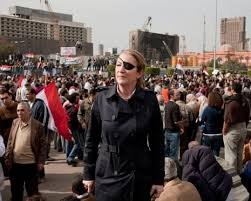
The memory of a lost friend often returns in the most unexpected ways through modern digital archives. A colleague recently wrote to me explaining that my name appeared within the infamous Epstein files for a professional reason. This strange connection began in 2012 shortly after my dear friend Marie Colvin was killed in Syria. I had met with a Norwegian diplomat named Terje Rød-Larsen who was known for negotiating the historic Oslo accords. Marie was killed by government shelling in Homs but the fighting was so intense that retrieving her body seemed impossible. Seeking truth and a way to bring her home I asked the diplomat for his high-level assistance. Unbeknown to me at the time he forwarded my request to Jeffrey Epstein who was not yet a household name. This surreal link to a dark legacy was merely a desperate attempt to honor a fallen journalist.
Marie Colvin was a legendary reporter for the Sunday Times who never wavered in her pursuit of facts. Her professional focus always remained on the civilian cost of war regardless of the personal risks involved. She paid a heavy price for her firsthand reporting through both emotional and physical trauma over many years. In Sri Lanka she lost an eye to a blast and in Syria she eventually lost her life. I worked in the same dangerous war zones and knew the broken neighborhoods of Homs and Aleppo well. We were journalists who believed our words reached a crucial audience capable of shifting international policy decisions. We calculated that the risk was worth getting evidence that might actually make a significant difference. Seeking truth was our primary mission and we believed the world would listen if we provided enough proof.

Years after her death an American court found that Marie was not the victim of random shelling. Evidence proved she had been specifically targeted by the forces of Bashar al-Assad to silence her reporting. This revelation changed the nature of our work because we were no longer just observers taking notes. We had become intentional targets for those who feared the light we shone on their darkest actions. It has been fourteen years since her death and the media landscape has transformed into something entirely different. The industry faces empty newsrooms and the rise of artificial intelligence replacing careful human analysis of complex events. Today the greatest risk to our society is the systematic manipulation and masking of the objective truth.
In the Gaza Strip international reporters are currently banned from entering to document the ongoing humanitarian crisis. Local Palestinian reporters have paid a terrible price to bring the story to the rest of the world. At least two hundred and forty-eight journalists have been killed by Israeli forces during this recent conflict. In 2025 Palestinians in Gaza accounted for more than half of all journalists killed globally in combat. According to reports once a journalist is killed a specific unit within the military begins its work. This cell is tasked with linking the dead reporter to militant groups to protect the national image. This happens even if the individual had no connection to any political or militant organization whatsoever. Such tactics are designed to discredit the work of those who died while seeking truth in war.
Reporters Without Borders stated that 2025 was the deadliest year ever recorded for members of the press. Journalists do not just die in accidents but are frequently killed with a sense of total impunity. This impunity has become the standard in modern conflicts where the rule of law is often ignored. In Ukraine the Russian military consistently targets journalists who are trying to document the reality of the invasion. Sudan has become nearly impossible for professional reporters to operate in due to the extreme levels of violence. In Mexico reporters are hunted down by criminal organizations making it the second most deadly country for the press. These environments create information vacuums where propaganda can flourish without any challenge from independent and verified sources.
At a recent security conference in Munich I discussed how disinformation thrives when professional reporting is suppressed. We explored how to fight against the sophisticated propaganda machines of various powerful governments around the globe. My response was simple because I believe that physical evidence does not lie to the public. We must insist on working on the ground if we want to maintain truthful and honest narratives. By training local journalists to collect legally binding testimonies we can build dossiers that stand up in court. This work destroys the false arguments that certain atrocities like those in Bucha or Mariupol never happened. Without these verified accounts the powerful can rewrite history to suit their own specific political agendas.

In Sudan the situation is remarkably similar as propaganda claims there are no mass graves in key cities. Despite clear satellite imagery groups deny mass sexual violence or attacks against civilians by their armed forces. They claim that civilians brought harm upon themselves which is a common tactic used to deflect responsibility. In Gaza there are still claims that starvation is not occurring despite evidence to the contrary. Methodical investigations using sonic analysis and kinetic imagery have proven that children are dying from direct military fire. These high-tech tools of open source intelligence are brilliant but they cannot replace human intelligence gathering. Seeking truth requires a physical presence to provide the texture and corroboration that an experienced correspondent offers.
When reporters cannot enter a war zone independently governments and armed groups will always shape their own story. Images may emerge on social media but they lack the deep context that traditional journalism provides. When we do not have access to facts the public is forced to choose sides emotionally. People join tribes rather than understanding the complex reality of a situation which leads to extreme polarization. We have seen what happens next when a society is divided by lies and manufactured grievances. Once upon a time the work of a dedicated journalist could directly affect major international policy decisions. Reporting on the exodus of refugees in Kosovo once led to direct intervention to stop a genocide.
Today when access is denied the void is filled by bloggers and conspiracy theorists with hidden agendas. Without independent witnesses accountability disappears and the powerful are free to act without any fear of consequences. Marie Colvin died because she was in the heart of the battle acting as a witness for humanity. All of us working in this space should look back at her death as a vital reminder. We must preserve the urgency of our mission and ensure that the light of facts is not extinguished. When borders are closed and reporters are silenced disinformation will always find a way to thrive. Seeking truth is the only way to ensure that the voices of the victims are finally heard.
Related News:
 Top Christmas Books Reads: Classics to Cozy Romcoms
 Just Stop Oil Protesters Convicted Amid Climate Defence Row
 BBC to Apologise Over Edited Trump Speech Amid Backlash
 Britain deploys RAF specialists to assist Belgium with drone threats
 Palace May Restore Hyphen to Andrew Mountbatten-Windsor’s Name
 US Senate Passes Funding Bill to End Historic Shutdown
 US Justice Department Files Lawsuit Against California Over Partisan Voting Maps
 Greene Pushes Epstein Files Amid Trump Fallout
 Trump Deploys DHS to Charlotte in Major Arrest Operation
 December Run-Off in Chile as Election Produces No Winner
 Zelenskyy Signs Fighter Jet Deal Amid Russian Drone Attacks
 Orban Says Ukraine Has ‘No Chance’ as EU Support Continues
 Canada Passes Carney’s First Budget in Tight Parliamentary Vote
 Israeli Strike Kills 13 Near Palestinian Camp in Lebanon
 Shadow Fleet at Sea: Europe’s Battle Against Illicit Oil Shipping
 Tiny Curacao Makes History as Smallest Nation to Reach World Cup
 Haiti Qualifies for World Cup Despite Coach Never Visiting Country
 Deadly Russian Strikes Hit Western Ukraine, 20 Killed in Ternopil
 Pentagon Officials in Ukraine to Discuss War End
 Ukraine Peace Plan: Zelensky Ready for Dialogue
 Vietnam Battles Deadly Floods as Rains Continue
 Venezuela Threatens Nobel Winner Machado with Fugitive Status
 At Least Three Dead in Bangladesh Earthquake
 Royal Navy Shadows Russian Warships Entering the Channel
 Israel Confirms Hamas Returned Dror Or’s Body
 US Suspends Afghan Immigration After White House Shooting
 Two National Guard Soldiers Critically Injured Near White House
 Georgians Defy Government Crackdown After Year of Protests
 Southern Lebanon reels as Israeli strikes shatter communities
 Mbappe Scores 4 as Real Madrid Edge Olympiakos
 Sri Lanka Floods Leave 56 Dead, Dozens Missing
 Tokyo court rules Japan’s same-sex marriage ban constitutional
 ‘Extinct’ Antelope Returns to Sahara, Bringing Hope
 EU plans $105bn Ukraine aid using frozen Russian assets
 American Mother Extradited From UK to U.S. on Murder Charges
 Russia losses Ukraine war peace talks intensify amid rising deaths
 Facebook Slow to Remove Bondi Attack Praise, Anti-Hate Group Claims
 Australian Cruise Ship Freed After Reef Grounding in Papua New Guinea
 US Cities Erupt in Protests Against Trump’s Venezuela Military Action
 Albanese Opens Door to Bondi Royal Commission Amid Rising Pressure
 Trump Escalates Minnesota Immigration Surge Amid Rising Tensions
 Iran Protesters Defy Crackdown as Violent Clashes Intensify
 US Clears Nvidia AI Chip Sales to China in Policy Shift
 Trump Threatens Strong Action If Iran Executes Protesters
 Gulf states warn Trump Iran strikes risk wider Middle East war
 Machado Trump medal gesture reshapes Venezuela power struggle
 EU weighs response amid Greenland tariff crisis with Trump
 Syria President Declares Victory as Ceasefire Reached with SDF
 Sydney Shark Attack Surge Shocks Australia Beaches
 ICE street raids expose a chilling future for public freedoms
 Thousands Flee Cambodia Scam Centres Amid Global Pressure
 EU Says US Ties Have Suffered ‘Big Blow’ After Greenland Crisis
 Andrew Hastie Emerges as Leadership Rival to Ley
 Starmer China visit raises human rights pressure on Beijing
 US Launches Multi-Day Air Drills Amid Rising Iran Tensions
 Videos reveal earlier clash before Alex Pretti shooting
 China Executes 11 Linked to Myanmar Scam Networks
 UK New Car Discounts Near £6,000 as Prices Are Slashed
 Israel Moves to Bar MSF From Gaza Operations
 Tragic Ski Lift Accident Claims Australian Snowboarder
 Thousands Left Without Heating in Ukraine Amid Russia Strikes
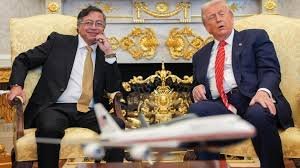 Trump Praises ‘Terrific’ Petro After White House Talks
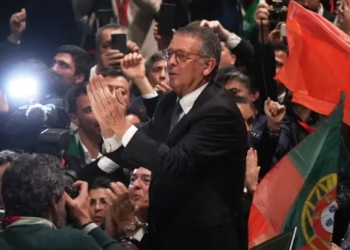 Portugal Election Delivers Socialist Win as Far Right Surges
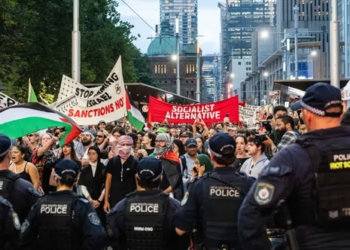 Sydney Protest Escalates and Elderly Woman Suffers Severe Injury
 Tarique Rahman’s Rise Toward Bangladesh’s Top Job
 Australian Families Leave Syrian Camp for Home
 SA Police Intensify Search in Gus Lamont Case
 Trump Attacks UK-California Energy Pact
 Kim Jong-un Unveils Housing for War Families
 Trump and Chagos Deal Rift Over Iran Strikes
 Andrew Arrest Sparks Republic Debate in Australia
 Global corruption crisis: Who Washington shields
 El Mencho Killed as Mexico Faces Violence
 Farage Chagos Islands Row Sparks Fury
 Gold Rush in Gugulethu Leaves South Africans Desperate for Work and Hope
 Greenpeace $345m Ruling Sparks Appeal Battle
 Hilary Knight speaks out on Trump’s recent hockey remarks
 Trump Speech Sparks Intense Debate Across Divided America
 Jacinda Ardern Moves To Australia Following Her US Fellowships
 Has Europe truly learned from the failures of 2022?