Published: 28 February 2026. The English Chronicle Desk. The English Chronicle Online
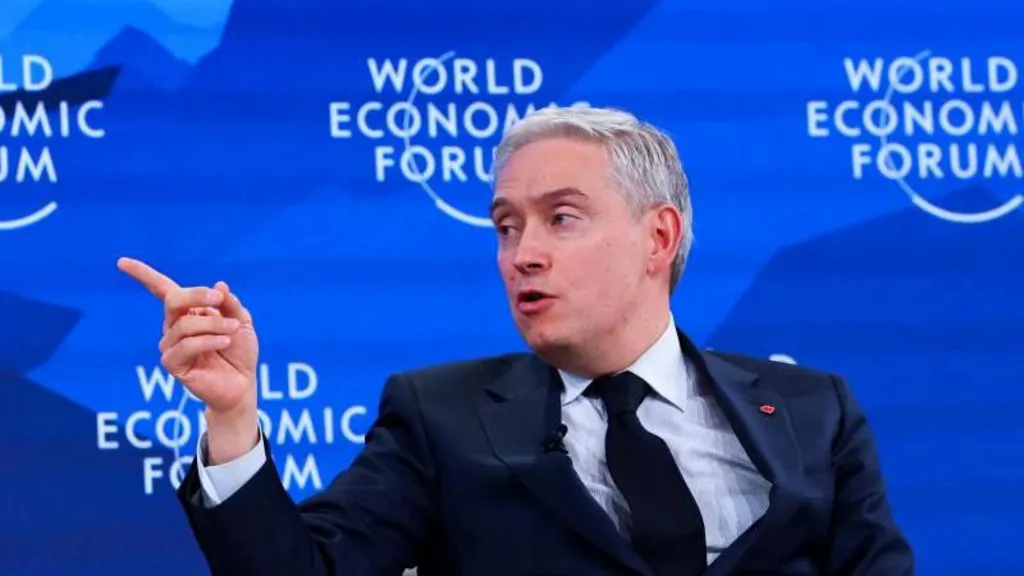
Canada’s Finance Minister, Chrystia Freeland, has indicated that the United States is unlikely to remove tariffs on Canadian goods in the near term, signalling ongoing tensions in North America’s trade relationship. Her remarks come amid heightened concerns from Canadian exporters about the economic impact of sustained tariffs on steel, aluminum, and other key products.

Speaking at a press briefing in Ottawa, Freeland noted that while diplomatic channels remain open, recent discussions with U.S. trade officials suggest that the Biden administration is reluctant to lift existing measures. She stressed that Canada continues to advocate for fair treatment and reduced trade barriers, emphasizing that unresolved tariffs could disrupt supply chains, increase costs for Canadian manufacturers, and affect jobs.
The tariffs, initially introduced during the previous U.S. administration, have been partially eased in some sectors, but significant duties remain. Canadian industry groups, including the Canadian Manufacturers & Exporters Association, have warned that prolonged tariffs could weaken competitiveness, particularly in the automotive and steel sectors, and urged Ottawa to continue pressing for resolution.
Freeland reaffirmed Canada’s commitment to diversifying export markets and reducing dependency on a single trading partner. She highlighted ongoing trade negotiations with the European Union, Asia-Pacific countries, and Latin America, noting that expanding alternative markets is critical to buffering the economy from U.S. tariff decisions.
Economic analysts say the stalemate is likely to persist as U.S. policymakers weigh domestic political pressures and protectionist measures. The uncertainty has prompted Canadian businesses to adjust pricing, explore new supply chains, and seek government support to mitigate losses.

The finance minister concluded by underlining that Canada will continue to push for dialogue and multilateral solutions to trade barriers while preparing domestic industries for long-term competitiveness in a global market shaped by tariffs and trade disputes.
Related News:
 Uncertainties Loom for Businesses and Consumers After Trump’s Tariff Changes
 Trump Announces Global Tariffs to Rise to 15%
 Canada Says U.S. Unlikely to Lift Tariffs Amid Ongoing Trade Tensions
 Canada-China trade gains momentum in new strategic partnership
 India-EU Free Trade Deal Marks Historic Economic Shift
 Keir Starmer meets Xi to strengthen UK-China economic relations
 UK Experts Raise Alarm Over Machinery Export to Armenian Firm
 Live Markets Bet on Spring Rate Cut as Inflation Falls
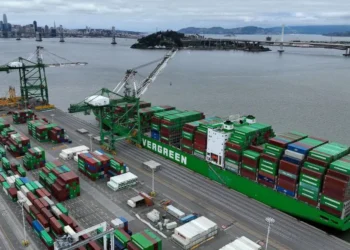 US Trade Deficit Hits Fresh High Despite Trump’s Tariffs
 The Two Farms in Senegal That Supply Many of the UK’s Vegetables
 ‘We’re Still on Edge’: Toy Firms Look to US Supreme Court as Tariffs Hit Profits
 ‘Hard to Keep Lights On’: Business Owners Cautiously Welcome Tariff Ruling
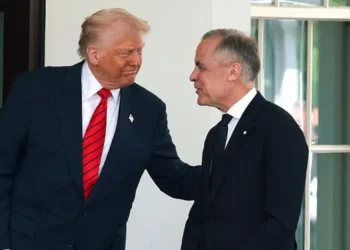 Canada Eyes Trade Talks After US Supreme Court Tosses Trump Tariffs
 UK Job Vacancies Fall to Lowest Level Since Pandemic
 US Will Not Back Out of Tariff Deals with UK and Others, Says Trump Trade Representative
 Ukraine war briefing: Russia exporting more oil now than before war despite sanctions – report
 Trump’s tariff strategy collapse sows global chaos and confusion
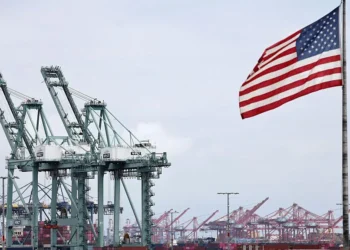 Trump’s new tariff takes effect at lower than expected rate
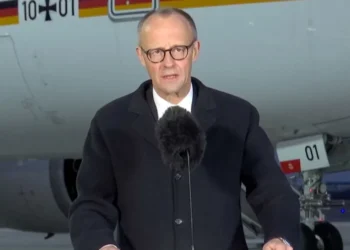 German Chancellor Lands in Beijing for Inaugural China Trip
 Shein’s Elusive Boss Hails Chinese Roots in Rare Public Appearance
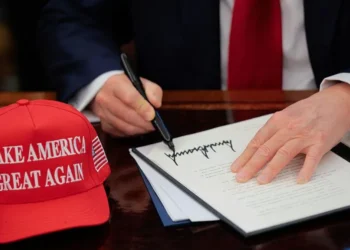 What Tariffs Has Trump Introduced and Why?
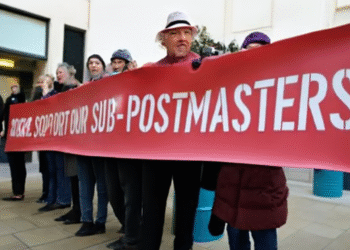 Post Office Scandal Compensation Tops £1 Billion as Victims Finally See Justice
 Tensions Unfold in Market Harborough as Asylum Seeker Hotel Sparks Divisive Protests
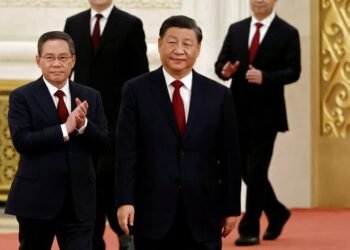 China’s crackdown on civil servant perks sparks economic concerns
 Chancellor Rachel Reeves Pushes for Sweeping Changes to Environmental Protections to Accelerate Development
 Inflation Latest: Cost of Living Expected to Rise Again in Key Figures Released Today
 Shein UK Faces Allegations of Shifting Majority of Profits to Singapore to Reduce UK Tax
 Big Pharma Investment Freeze Puts UK Life Sciences Sector Under Strain
 Jaguar Land Rover Extends Production Halt Following Cyber-Attack
 Great Britain’s Energy Operator Commits to Strengthening Grid to Prevent Blackouts
 UK Government Backs Return of International Rail Travel to Kent Stations
 Wetherspoon vows to keep prices low amid soaring energy and tax costs
 UK House Price Growth Slows as Buyers Exercise Caution Ahead of Autumn Budget
 Kemi Badenoch Unveils ‘Golden Rule’ to Halve Spending Cuts for Deficit Reduction at Tory Conference
 New V-Level qualification to transform post-16 education
 Real living wage set to rise nearly 7% for UK workers in 2026
 Reeves Faces Setback as Labour May Miss Homes Target
 Virgin Trains Moves Closer to Challenging Eurostar Monopoly
 Trump’s UK Ambassador Urges North Sea Drilling to Strengthen US Ties
 Ryanair Chief UK Economy ‘Doomed’ Under Labour
 M&S Profits More Than Halve After Cyber-Attack
 Earl of Yarmouth Faces £1.3m Legal Bill Over Family Estate
 Millionaires group urge Reeves to introduce wealth tax to ‘lift kids out of poverty’
 From Lego to Pokémon: How Adults Are Driving UK Toy Market Growth
 Canada Passes Carney’s First Budget in Tight Parliamentary Vote
 Starmer Says Labour’s Economic Plan Needs Years to Deliver
 Virgin Media Fined £23.8m Over Telecare Safety Failures
 Historic £100-Weekly Pension Boost Brings Relief for UK Mineworkers
 FTSE 100 Hits 10,000: UK Market Celebrates Record Year
 Saudi Officials Report Zubaidi Flee Before Yemen Peace Talks
 UK Targets in New York Bomb Threat Hoax: Man Jailed
 Trump targets Iran trade with 25% tariff warning
 US Senate rejects resolution limiting Trump military powers
 Gulf states warn Trump Iran strikes risk wider Middle East war
 Geopolitical football: Iran, Trump and the World Cup clash
 Shinzo Abe’s killer receives life sentence in Japan
 American democracy faces crisis after Trump’s return
 China General Under Investigation Amid Leadership Purge
 US Dollar Hits Four-Year Low Amid Market Turmoil
 Amazon mistakenly signals new global layoffs to employees
 UK New Car Discounts Near £6,000 as Prices Are Slashed
 Pound Sinks and Borrowing Costs Rise as Starmer Fights for Job
 Major UK Clothing Firm Collapses into Administration — 109 Jobs at Risk
 Telstra AI jobs cuts as automation drive expands
 BT Names New Openreach Chief Amid Major Fibre Expansion
 Concerns rise for Canberra boy amid Iran detention fears
 Is Dining Out Dying Out?
 Could Manchester Lead the UK’s Economic Revival?
 Iran Says ‘Guiding Principles’ Agreed With US at Nuclear Talks
 Lloyds Boss Accepts Concern Over Use of Staff Data in Pay Talks
 Indian University Kicked Out of AI Summit for Claiming Chinese Robot Dog as Its Own Invention
 Live Nation Sees Strong Ticket Sales as Monopoly Lawsuit Looms
 AI Coding Firm’s ‘Pride’ at Business Award Win
 UK Job Vacancies Hit Five-Year Pandemic Low
 Drugs, Denial, Stigma: Fiji’s HIV Crisis Hits Children
 UK Youth Unemployment Surges Amid Tax Changes
 Strong Rebound for UK Housing Market Sees 6% More Homes
 Bill Gates ‘Took Responsibility’ Over Epstein Ties in Staff Meeting, Foundation Says
 Netflix Drops Bid for Warner Bros, Clearing Way for Paramount Takeover
 Burger King Rolls Out AI Headsets to Track Employee ‘Friendliness’