Published: 02 March 2026. The English Chronicle Desk. The English Chronicle Online.
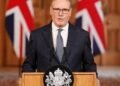
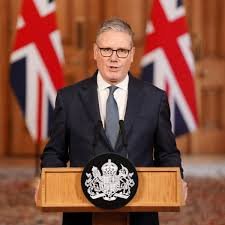
The UK has agreed to permit the United States to use British military facilities for defensive operations against Iranian missile sites, marking a significant shift in Britain’s involvement in escalating regional tensions. The decision places the UK at the centre of growing international concern over Iran tensions, as Prime Minister Keir Starmer confirmed the move in a recorded statement on Sunday evening.
In his address, Starmer explained that Iran’s recent actions had become increasingly reckless and posed direct risks to British nationals and regional allies. He said the US requested limited access to British bases for what he described as specific defensive strikes. According to the prime minister, this step was taken to prevent further missile launches across the Middle East and to protect innocent civilians from harm.
The focus on Iran tensions has intensified after officials revealed that around 200,000 British citizens are currently in Middle Eastern countries affected by missile threats. Starmer stressed that destroying missiles at their source, including storage depots and launch systems, was the only effective way to reduce the danger. He described the cooperation as necessary to safeguard British lives and maintain regional stability.
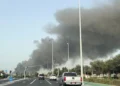
Within hours of the announcement, reports emerged of a suspected drone strike targeting RAF Akrotiri in Cyprus. Defence analysts suggested the incident may have involved a one-way attack drone believed to be Iranian. The Ministry of Defence confirmed that only minor damage occurred and no casualties were reported. Security alerts were issued to personnel and their families as precautionary measures.

A spokesperson for the Ministry of Defence said force protection measures in the region were at their highest level. The base responded quickly to defend its staff and infrastructure. While the situation was contained, the incident underscored the seriousness of the escalating Iran tensions and the potential risks linked to Britain’s decision.
The government simultaneously released a summary of its legal position. It stated that the UK was acting in collective self-defence of regional allies who had formally requested support. Officials argued that enabling proportionate defensive action complied with international law. However, critics quickly questioned the interpretation of those legal grounds.
Earlier on Sunday, the UK joined France and Germany in issuing a joint statement pledging to defend shared interests in the region. The statement indicated readiness to enable necessary and proportionate defensive measures aimed at neutralising missile and drone capabilities at their origin. Observers interpreted the language as a clear signal of coordinated European backing amid worsening Iran tensions.
Despite the government’s assurances, the decision has sparked political controversy at home. Several Labour figures expressed unease about becoming indirectly involved in US military operations. Emily Thornberry, chair of the foreign affairs committee, suggested that American strikes risked breaching international law. She called for greater transparency regarding Britain’s legal advice.
Opposition voices also demanded parliamentary scrutiny. Ed Davey, leader of the Liberal Democrats, urged the prime minister to allow MPs a vote. He warned against what he described as a slippery slope toward deeper military engagement. Davey emphasised that any UK role must focus strictly on defending British troops and citizens abroad.
From the Green Party, Zack Polanski criticised the broader US action, describing it as illegal and unprovoked during a BBC interview. He argued that Britain should distance itself from offensive campaigns. Such criticism reflects wider public debate about Britain’s responsibilities amid complex Iran tensions.
At the same time, Starmer has faced pressure from the Conservative Party and Reform UK to provide firmer support to Washington. Some voices on the right contend that decisive action is required to deter further missile attacks. They argue that failing to act would embolden Iran and threaten Western security interests.
The US administration has stated that recent operations targeted senior Iranian military figures. American officials claimed that approximately 48 Iranian leaders were killed during coordinated strikes. The UK government has declined to comment directly on the legality or specific outcomes of those actions. Ministers have also avoided explicitly endorsing or condemning Washington’s approach.
Defence Secretary John Healey spoke candidly about Iran’s leadership during interviews on Sunday. He said few would mourn the potential demise of Iran’s supreme leader, Ali Khamenei, citing the regime’s record of suppressing domestic protests. Healey described Iran as a longstanding sponsor of regional instability and terror activities.
International analysts note that Britain’s careful wording aims to balance alliance commitments with domestic caution. By framing the move as defensive and limited, the government seeks to reassure both Parliament and the public. Yet the reality of Iran tensions means any military facilitation carries diplomatic and security consequences.
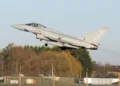
Security experts believe RAF Akrotiri’s strategic location makes it a valuable asset for regional operations. The base has historically supported missions across the Middle East. Its involvement now signals Britain’s readiness to contribute logistical assistance without formally joining direct offensive campaigns. Even so, the drone incident illustrates how quickly defensive measures can provoke retaliation.
Across Europe, reactions have been measured but attentive. French and German officials have reiterated calls for restraint while backing collective defence principles. Diplomatic sources suggest ongoing communication with regional partners to prevent further escalation. The emphasis remains on deterring missile threats without triggering a broader conflict.
Public opinion in the UK appears divided. Some citizens argue that protecting British nationals abroad justifies limited cooperation with the United States. Others fear repeating the mistakes of previous Middle Eastern interventions. Memories of long conflicts in Iraq and Afghanistan still influence political sensitivities today.

Legal scholars continue debating whether collective self-defence applies when assisting an ally conducting pre-emptive strikes. Government lawyers maintain that requests from regional states legitimise the action. Critics argue that clearer United Nations authorisation would strengthen Britain’s position. This legal discussion may shape parliamentary debates in coming days.
Meanwhile, military readiness remains elevated across British installations in the region. Surveillance and air defence systems have reportedly been reinforced. Officials insist that contingency planning prioritises the safety of personnel and civilians. The evolving Iran tensions mean that rapid responses may be required if hostilities expand.
Diplomatically, Britain continues urging de-escalation while preparing for further instability. Starmer has called on Iran to cease missile launches and engage in dialogue. He emphasised that the objective is preventing harm rather than widening confrontation. Whether those assurances calm critics will depend on events unfolding in the region.
For now, the UK’s decision marks a cautious yet consequential step. Allowing American forces to use British bases reflects alliance solidarity under pressure. However, the unfolding Iran tensions ensure that scrutiny from Parliament, allies, and adversaries will remain intense. The coming days will likely determine whether this limited cooperation stabilises the region or deepens an already fragile crisis.
Related News:
 British Woman in Iran ‘Losing Hope’ Amid Ongoing Detention
 BBC Journalist Held and Interrogated in Vietnam
 Zohran Mamdani becomes New York City’s first Muslim mayor
Zohran Mamdani names all-female transition team for NYC mayoralty
Zohran Mamdani becomes New York City’s first Muslim mayor
Zohran Mamdani names all-female transition team for NYC mayoralty
 Second world war veterans honoured as King leads Remembrance Sunday
 BBC director-general and news chief resign amid bias row
 Rama Rebukes Mahmood for Targeting Albanian Families
 Russian Vessel Used Lasers on RAF Pilots, UK Claims
 Ireland Boosts Ukraine Aid as Zelensky Visits Dublin
 US Africa aid remarks spark anger after leaked State email
 Starmer China visit raises human rights pressure on Beijing
 UK and EU Signal Fresh Push for Defence Cooperation Talks
 Cory Bernardi joins One Nation for SA election
 Starmer Condemns ‘Depraved’ Russian Strikes on Ukraine
 Trump Warns Over Chagos Islands Deal
 Trump and Chagos Deal Rift Over Iran Strikes
 Andrew Mountbatten-Windsor Arrest After FBI Radar
 Farage Chagos Islands Row Sparks Fury
 Trump Tariffs Threat Spark UK and EU Alarm
 UK Must Act with Courage and Clarity on Israel-Palestine Conflict, Says Foreign Affairs Committee Report
 Radioactive Leak at UK’s Nuclear Warhead Base Sparks Outcry Over Safety and Secrecy
 Mutual Inconvenience: Why Alaska Was Chosen for the Trump-Putin Summit on Ukraine
 Is the UK Ready to Put Boots on the Ground in Ukraine? Assessing Military Capacity and Challenges
 Public Trust in SNP Hits Historic Low Amid NHS Concerns
 Johnson Suggests Mandelson Linked to China Spy Controversy
 Rachel Reeves signals welfare reform ahead of key budget
 Green Party Surges Past Labour in Latest UK Poll
 Trump’s UK Ambassador Urges North Sea Drilling to Strengthen US Ties
 French Taxi Driver Cleared in David Lammy Theft Case After Fare Dispute
BBC to Apologise Over Edited Trump Speech Amid Backlash
French Taxi Driver Cleared in David Lammy Theft Case After Fare Dispute
BBC to Apologise Over Edited Trump Speech Amid Backlash
 Britain deploys RAF specialists to assist Belgium with drone threats
 Palace May Restore Hyphen to Andrew Mountbatten-Windsor’s Name
 Millionaires group urge Reeves to introduce wealth tax to ‘lift kids out of poverty’
 Starmer Faces Growing Dissent as Labour MPs Weigh Leadership Challenge
 Reeves rejects £1bn plea for NHS redundancy payouts
 PM Condemns Leaks, Vows Loyalty to Ministers and Stability
 Major Rent Reform Ends No-Fault Evictions in England
 Greene Pushes Epstein Files Amid Trump Fallout
 Trump Deploys DHS to Charlotte in Major Arrest Operation
 December Run-Off in Chile as Election Produces No Winner
 Canada Passes Carney’s First Budget in Tight Parliamentary Vote
 Shadow Fleet at Sea: Europe’s Battle Against Illicit Oil Shipping
 Royal Navy Shadows Russian Warships Entering the Channel
 Most Tories Expect to Support a Farage-Led Government
 Georgians Defy Government Crackdown After Year of Protests
 Starmer Says Labour’s Economic Plan Needs Years to Deliver
 Russia losses Ukraine war peace talks intensify amid rising deaths
 Albanese Opens Door to Bondi Royal Commission Amid Rising Pressure
 Trump Escalates Minnesota Immigration Surge Amid Rising Tensions
 Iran Protesters Defy Crackdown as Violent Clashes Intensify
 Trump Threatens Strong Action If Iran Executes Protesters
 Machado Trump medal gesture reshapes Venezuela power struggle
 Right Must Unite After Jenrick Defection, Urges Rees-Mogg
 EU weighs response amid Greenland tariff crisis with Trump
 UK Ministers Drop Foreign Student Targets for Global Education Push
 MPs warn AI financial risks threaten UK stability
 No Gas Boiler Ban as UK Warm Homes Plan Backs Heat Pumps
 Shinzo Abe’s killer receives life sentence in Japan
 EU Says US Ties Have Suffered ‘Big Blow’ After Greenland Crisis
 Andrew Hastie Emerges as Leadership Rival to Ley
 Police response times face strict new national limits
 Labour policing overhaul sparks fears over growing central control
 Starmer warns of toxic division politics in Reform challenge
 UK New Car Discounts Near £6,000 as Prices Are Slashed
 Israel Moves to Bar MSF From Gaza Operations
 Palantir contracts face UK halt calls over transparency
 Cabinet Secretary Shake-Up Triggers Due Diligence Warning
 Australian Families Leave Syrian Camp for Home
 Starmer Weighs Fast-Tracking Defence Boost
 Trump Attacks UK-California Energy Pact
 Farage to Name Jenrick as Reform Chancellor Pick
 Civil Service Pay: Union Urges Ministers to End ‘Barking Mad’ Limits
 Antonia Romeo appointment sparks criticism
 Andrew Arrest Sparks Republic Debate in Australia
 Australian PM Says Former Prince Andrew Has Suffered ‘Extraordinary Fall’ but That Won’t Prompt Republic Referendum
 Global corruption crisis: Who Washington shields
 Reform UK targets workers’ rights repeal
 Russian Trade Routed Through British Islands Exposed
 Mandelson Arrest: Met Apologises to Hoyle
 Has Europe truly learned from the failures of 2022?