Published: 2 March 2026 . The English Chronicle Desk.
The English Chronicle Online
International scrutiny has turned to the intricate preparation behind the joint United States–Israeli military operation that culminated in the assassination of Ayatollah Ali Khamenei, Iran’s supreme leader, in late February. Far from being a spontaneous response to sudden developments, the offensive followed months of coordinated intelligence gathering, strategic planning and real‑time data exchange between American and Israeli agencies aimed at positioning the allies for a decisive strike at the highest level of Tehran’s leadership.

According to Western security analysts and unnamed officials familiar with the operation, the strategy involved long‑term surveillance of Iranian leadership movements, a process often referred to as building a “pattern of life” — a systematic study of routines, travel, meetings and personal security habits of targeted individuals. This analysis, combining human intelligence, electronic intercepts and advanced analytical tools, was shared extensively between the United States’ Central Intelligence Agency and Israel’s intelligence services. The objective was to create an accurate, persistent “picture” of where and when Iran’s senior officials might be within reach of precision strike capabilities.
The final window of opportunity reportedly opened when intelligence identified a rare gathering of Khamenei and multiple senior military and security officials at a compound in central Tehran on the morning of the operation. Officials familiar with planning said that this convergence of high‑value targets provided a unique chance for a decapitation strike — one that combined maximum strategic impact with reduced risk of target escape or dispersal.
Months of preparatory work also allowed planners to synchronize military assets across a broad spectrum of capabilities: long‑range strike aircraft, cruise missiles, drones, satellite reconnaissance and secure communications. While the detailed methods remain classified, officials suggested that precise location tracking — both human and technical — was crucial to timing the attack to the moment when the targeted leaders were co‑located.
The operation, which involved a wave of strikes that occurred within a narrow timeframe, was designed to strike several key leadership sites almost simultaneously. Credible reports indicate that three major strikes unfolded within about 60 seconds, a tempo that minimized the ability of surviving leaders to react or relocate once the offensive began. The approach exemplified the integration of intelligence and joint force capability in a way rarely seen in modern campaigns.
For both Washington and Tel Aviv, the decision to pursue such a high‑risk mission came after months of deliberation weighing strategic objectives, battlefield timing, international law and geopolitical consequences. U.S. officials reportedly believed that removing Iran’s central command structure could significantly degrade Tehran’s ability to coordinate regional proxy forces and missile capabilities, while Israeli planners saw it as a means to blunt existential threats posed by Tehran’s nuclear ambitions and support for armed groups hostile to Israel.
The intelligence groundwork extended beyond simple tracking. Analysts say that data fusion across multiple platforms — including signal intelligence, imagery intelligence and potentially AI‑assisted processing — sharpened planners’ understanding of where and when a successful strike could occur with minimal collateral risk. Some reports indicate that AI tools contributed to intelligence analysis and target confirmation, though official confirmation remains limited.
Despite the operation’s success from an execution standpoint, external criticism has been significant. Nations including Russia and China have condemned the assassination as a violation of international law, and concerns have been raised about the broader regional security implications and escalation risks.
Iran’s response has been swift and wide‑ranging, with ballistic missile and drone attacks across multiple countries in the Middle East targeting U.S. and allied positions. The joint strike has triggered a complex, multinational reaction that has pulled in neighbouring states and international actors both politically and militarily.

The months of planning reflect a deliberate shift in U.S. and Israeli strategic engagements with Tehran, from deterrence and containment to direct confrontation aimed at regime decapitation. If this operation indeed represents a new paradigm in counter‑state military strategy, it underscores the depth of coordination, patience and intelligence fusion required to conduct such high‑value targeting operations in sovereign territory — and the profound geopolitical consequences that follow.
Related News:
 Iran Says ‘Guiding Principles’ Agreed With US at Nuclear Talks
 US and Iran to Hold Talks as Pressure for Nuclear Deal Builds
 Israel and Hezbollah Exchange Fire as Conflict Worsens
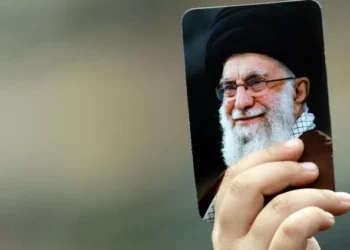 Iran’s Regime Still Intact — Coming Days Will Test Its Survival
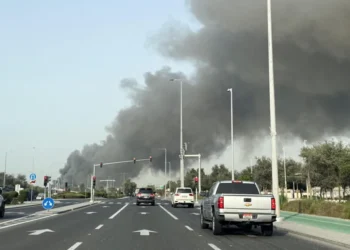 Allies of US in the Gulf Bear Brunt of Iran Attacks
 Hopes and Fears as US Iranians Take to Streets After Toppling of Supreme Leader
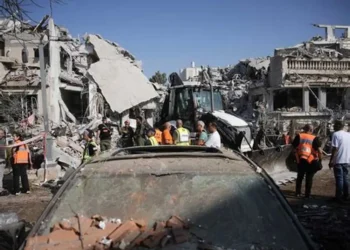 Retaliations Continue on Day Two of US-Israel Attacks on Iran
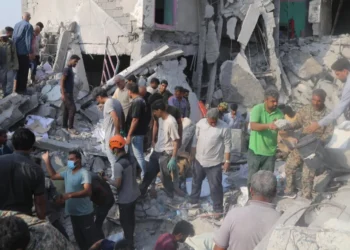 At Least 153 Dead After Reported Strike on School, Iran Says
 At Least 153 Dead After Reported Strike on School, Iran Says
 ‘It’s Eerie’ – Dubai on Edge as City Comes Under Attack
 BBC Reports from Beit Shemesh After Deadly Iranian Missile Strike
 Iran, the US, and a World Cup That Starts in Three Months
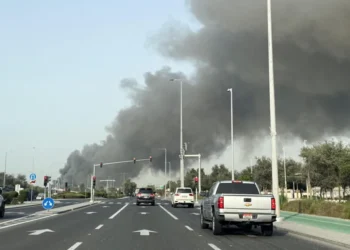 Allies of US in the Gulf Bear Brunt of Iran Attacks
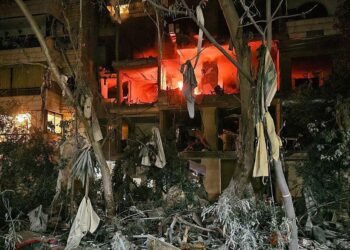 Israeli Attacks Kill 31 in Lebanon, Iran Strikes Across Region, US Warplanes Crash in Kuwait
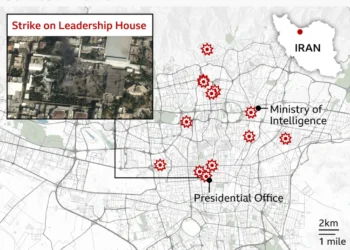 In Maps: Strikes Across Iran and the Middle East
 Shock US Raid: Maduro Pleads Not Guilty in Manhattan Court
 UK and France Agree Troop Deployment Plan for Ukraine
 EU Weakens as Trump Targets Venezuela and Greenland
 Israel Dossier Sparks Australian Political Interference Concern
 Venezuela Oil Deal Opens Tensions with US Control
 US Citizens Warned to Venezuela Flee Amid Paramilitary Threats
 Gulf states warn Trump Iran strikes risk wider Middle East war
 Machado Trump medal gesture reshapes Venezuela power struggle
 Greenland defence seen as shared Nato duty amid troop arrivals
 Gulf states warn Trump Iran strikes risk wider Middle East war
 Trump Receives Machado’s Nobel Medal in White House Meeting
 Iran unrest slows under brutal crackdown and global tensions
 Syria President Declares Victory as Ceasefire Reached with SDF
 US Considers Asylum for British Jews Amid Rising Antisemitism
 Russia Strikes Kyiv and Kharkiv as Peace Talks Enter Day Two
 Emails Show Epstein Funded Mandelson’s Husband After Jail
 Thousands Protest ICE Operations in Nationwide US Day of Action
 Epstein Files Reveal Trump Officials’ Emails with Financier
 Thousands Protest ICE in New York Against Trump Deportation Campaign
 Fears of New Arms Race as US-Russia Nuclear Weapons Treaty Expires
 US Military Says Two Killed in Strike on Alleged Drug Boat in Eastern Pacific
 Trump Endorses Japan’s Takaichi Ahead of Snap Election
 Is Bangladesh’s Youth Turning Against India? — A Deepening Debate
 Venezuela’s Opposition Says Party Leader Kidnapped Hours After Being Freed
 Christchurch Shooter Seeks to Overturn Guilty Plea in Appeals Court
 Sydney Protest Pepper Spray Clash During Herzog Visit
 Trump Bizarrely Claims China Will ‘Terminate All Ice Hockey in Canada’ in Threat to Block New Border Bridge
 Russia Rages “Now Is the Time to Strike” as UK Faces Fresh WW3 Nuclear Threats
 Eleven Killed in Israeli Strikes on Gaza, Rescuers Say
 US Says It “Supports” UK Chagos Islands Deal
 ‘I Would Scream in My Sleep’: Alawite Women from Syria Tell of Kidnap and Rape
 US Pushes to Recruit Organised Crime Gangs into Gaza Police Force
 Ukraine Peace Talks End in Acrimony After Two Hours
 Leave Chagos Now, Britain Tells Returning Islanders
 Britain’s Reliance on China Makes Us ‘Weak Link in the West’, Warn MPs
 Indian University Kicked Out of AI Summit for Claiming Chinese Robot Dog as Its Own Invention
 India Sentences Three Men to Death for Attack on Israeli Tourist and Hosts
 As Trump Retreats from Climate Goals, China Is Becoming a Green Superpower
 US Urges Iran to Make Deal as Military Presence Rises
 US Build-Up of Warships and Fighter Jets Tracked Near Iran
 Trump’s Foreign Policy Dilemma Laid Bare by Iran Tensions
 UK Has Not Given US Permission to Use RAF Bases for Iran Strikes
 Ukraine Negotiator Reveals What It Feels Like Facing Russia
 Mandelson Arrested Amid Political Turmoil as Ukraine Marks Four Years of Conflict
 Russian Troops Executed by Commanders, Soldiers Tell BBC
 Drugs, Denial, Stigma: Fiji’s HIV Crisis Hits Children
 Ukraine war briefing: Why Ukraine remains defiant and does not feel close to defeat
 Queen says speechless after meeting Gisèle Pelicot over powerful memoir
 ‘Anyone who runs is shot’: Russian soldiers describe killings of troops who refuse orders
 Ukraine remembers its dead as war enters a fifth year
 German Chancellor Lands in Beijing for Inaugural China Trip
 Shein’s Elusive Boss Hails Chinese Roots in Rare Public Appearance
 Cuba Kills Exiles in Speedboat Attack from US Waters
 Seven Killed in Ukrainian Drone Attack on Russian Factory
 ‘Fear Is Everywhere’: Reports From Mexican City Turned Into War Zone by Drug Cartel Feud
 Four Killed on US-Registered Speedboat Were Cuban Nationals, Cuba Says
 Canada Says U.S. Unlikely to Lift Tariffs Amid Ongoing Trade Tensions
 US ‘Suitcase Murderer’ Deported From Bali After 11 Years in Jail
 Orbán Accuses Ukraine of Disrupting Oil Supplies to Hungary
 Blackouts and Emergency Aid: Why the Cuban Revolution Faces Its Biggest Threat Yet
 Why Asian Firms Are Not Cheering Trump Tariff Ruling
 Why Asian Firms Are Not Cheering Trump Tariff Ruling
 Pakistan Strikes Afghanistan as PM Says Forces Ready to ‘Crush’ Taliban
 Middle East Flights Halted After Iran Strikes
 India and Canada Seal Series of Deals as Carney and Modi Reset Ties