Published: 26 February 2026 . The English Chronicle Desk. The English Chronicle Online
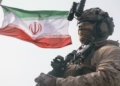
The United States and Iran are preparing to hold a third round of nuclear negotiations in Geneva this week, as diplomatic and strategic pressures mount for a renewed agreement that could ease tensions and avert military conflict over Tehran’s nuclear programme. Delegations from both countries will meet on Thursday in Switzerland, continuing a series of indirect talks that resumed earlier this month after an extended pause in 2025.

Iran’s Foreign Minister Abbas Araghchi, leading the Iranian team, said in the run‑up to the talks that a deal with Washington is “within reach” if diplomacy is given priority, framing the negotiations as a historic opportunity to strike an accord that addresses the core concerns of both sides. Araghchi reaffirmed Tehran’s position that Iran will “under no circumstances ever develop a nuclear weapon” while emphasising its right to pursue peaceful nuclear technology for energy and research.
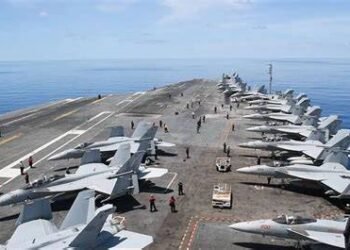
The talks are taking place against a backdrop of heightened military tension in the Middle East. The United States has deployed significant naval assets and other forces to the region — the largest such mobilisation since the Iraq war — and President Donald Trump has publicly warned that failure to reach a deal could prompt military action against Iranian nuclear facilities. Tehran, for its part, has said it would respond firmly to any attack, describing such actions as acts of aggression.
Diplomats and analysts note that previous rounds of negotiations made incremental progress but stopped short of concrete agreements, reflecting deep divisions between Washington’s insistence on strict limits on uranium enrichment and Tehran’s demands for sanctions relief and recognition of its sovereign nuclear rights. In the current round, Tehran has signalled a willingness to show maximum flexibility on enrichment issues as part of its effort to prevent war, though key obstacles remain.
The outcome of the Geneva talks will be closely watched by global markets and governments alike. Energy markets, in particular, have reacted to geopolitical risk, with oil prices edging higher as traders factor in the possibility of conflict in a region critical to global supplies. The talks are seen as a last‑ditch diplomatic effort amid a cycle of pressure that includes fresh US sanctions and Iranian warnings of forceful responses.

Whether the negotiations yield a substantive framework for a nuclear deal — or simply defer deeper confrontation — remains uncertain, but both sides have framed the talks as pivotal at a moment when the international community is keen to avoid escalation into conflict.
Related News:
 Iran Says ‘Guiding Principles’ Agreed With US at Nuclear Talks
 Shock US Raid: Maduro Pleads Not Guilty in Manhattan Court
 UK and France Agree Troop Deployment Plan for Ukraine
 EU Weakens as Trump Targets Venezuela and Greenland
 Israel Dossier Sparks Australian Political Interference Concern
 Venezuela Oil Deal Opens Tensions with US Control
 US Citizens Warned to Venezuela Flee Amid Paramilitary Threats
 Trump Says US Will Act on Greenland ‘Whether They Like It or Not’
 Gulf states warn Trump Iran strikes risk wider Middle East war
 Machado Trump medal gesture reshapes Venezuela power struggle
 Greenland defence seen as shared Nato duty amid troop arrivals
 Gulf states warn Trump Iran strikes risk wider Middle East war
 Trump Receives Machado’s Nobel Medal in White House Meeting
 Iran unrest slows under brutal crackdown and global tensions
 Syria President Declares Victory as Ceasefire Reached with SDF
 US Considers Asylum for British Jews Amid Rising Antisemitism
 Russia Strikes Kyiv and Kharkiv as Peace Talks Enter Day Two
 Emails Show Epstein Funded Mandelson’s Husband After Jail
 Thousands Protest ICE Operations in Nationwide US Day of Action
 Epstein Files Reveal Trump Officials’ Emails with Financier
 Thousands Protest ICE in New York Against Trump Deportation Campaign
 US Must Be Prudent When Supplying Arms to Taiwan, Xi Tells Trump
 Fears of New Arms Race as US-Russia Nuclear Weapons Treaty Expires
 US Military Says Two Killed in Strike on Alleged Drug Boat in Eastern Pacific
 Trump Endorses Japan’s Takaichi Ahead of Snap Election
 Is Bangladesh’s Youth Turning Against India? — A Deepening Debate
 Hong Kong Court Jails Pro-Democracy Media Tycoon Jimmy Lai for 20 Years
 Venezuela’s Opposition Says Party Leader Kidnapped Hours After Being Freed
 Christchurch Shooter Seeks to Overturn Guilty Plea in Appeals Court
 Sydney Protest Pepper Spray Clash During Herzog Visit
 Trump Bizarrely Claims China Will ‘Terminate All Ice Hockey in Canada’ in Threat to Block New Border Bridge
 Russia Rages “Now Is the Time to Strike” as UK Faces Fresh WW3 Nuclear Threats
 Eleven Killed in Israeli Strikes on Gaza, Rescuers Say
 US Says It “Supports” UK Chagos Islands Deal
 ‘I Would Scream in My Sleep’: Alawite Women from Syria Tell of Kidnap and Rape
 US Pushes to Recruit Organised Crime Gangs into Gaza Police Force
 Ukraine Peace Talks End in Acrimony After Two Hours
 Leave Chagos Now, Britain Tells Returning Islanders
 Britain’s Reliance on China Makes Us ‘Weak Link in the West’, Warn MPs
 Indian University Kicked Out of AI Summit for Claiming Chinese Robot Dog as Its Own Invention
 India Sentences Three Men to Death for Attack on Israeli Tourist and Hosts
 As Trump Retreats from Climate Goals, China Is Becoming a Green Superpower
 US Urges Iran to Make Deal as Military Presence Rises
 US Build-Up of Warships and Fighter Jets Tracked Near Iran
 Trump’s Foreign Policy Dilemma Laid Bare by Iran Tensions
 UK Has Not Given US Permission to Use RAF Bases for Iran Strikes
 Hamas Holds Vote to Choose New Interim Leader, Source Tells BBC
 US Partially Evacuates Beirut Embassy Amid Rising Iran Tensions
 Drugs, Denial, Stigma: Fiji’s HIV Crisis Hits Children
 Queen says speechless after meeting Gisèle Pelicot over powerful memoir
 German Chancellor Lands in Beijing for Inaugural China Trip
 Shein’s Elusive Boss Hails Chinese Roots in Rare Public Appearance
 Cuba Kills Exiles in Speedboat Attack from US Waters
 Four Killed on US-Registered Speedboat Were Cuban Nationals, Cuba Says
 Canada Says U.S. Unlikely to Lift Tariffs Amid Ongoing Trade Tensions
 US ‘Suitcase Murderer’ Deported From Bali After 11 Years in Jail
 UK Must Act with Courage and Clarity on Israel-Palestine Conflict, Says Foreign Affairs Committee Report
 Yvette Cooper Signals Global Momentum Towards Gaza Peace Deal Amid Humanitarian Crisis
 Chaos at Ibrox as Martin’s Rangers Era Comes to an End
 Trump Claims Modi Has Agreed to Halt Russian Oil Imports Amid Heightened US Pressure
 Russia’s Latest Push to Win US Favors Shows Deep Desperation
 BBC to Apologise Over Edited Trump Speech Amid Backlash
 Britain deploys RAF specialists to assist Belgium with drone threats
 Trump Urges Herzog to Grant Netanyahu Full Pardon
 Indian authorities demolish Kashmir home linked to Red Fort blast
 Greene Pushes Epstein Files Amid Trump Fallout
 December Run-Off in Chile as Election Produces No Winner
 Zelenskyy Signs Fighter Jet Deal Amid Russian Drone Attacks
 Shadow Fleet at Sea: Europe’s Battle Against Illicit Oil Shipping
 Tiny Curacao Makes History as Smallest Nation to Reach World Cup
 India’s COP30 Delay Raises Global Climate Concerns
 US Suspends Afghan Immigration After White House Shooting
 ‘Extinct’ Antelope Returns to Sahara, Bringing Hope
 US Senate rejects resolution limiting Trump military powers
 Sydney Shark Attack Surge Shocks Australia Beaches
 Portugal Election Delivers Socialist Win as Far Right Surges
 Australian Families Leave Syrian Camp for Home
 Epstein Eyed Record Label Investment to Access Women, Files Suggest
 How Do You Modernise Mango Farming? India’s Growers Urged to Innovate as Climate Change Hits
 Ukraine Negotiator Reveals What It Feels Like Facing Russia