Published: 2 March 2026 . The English Chronicle Desk.
The English Chronicle Online
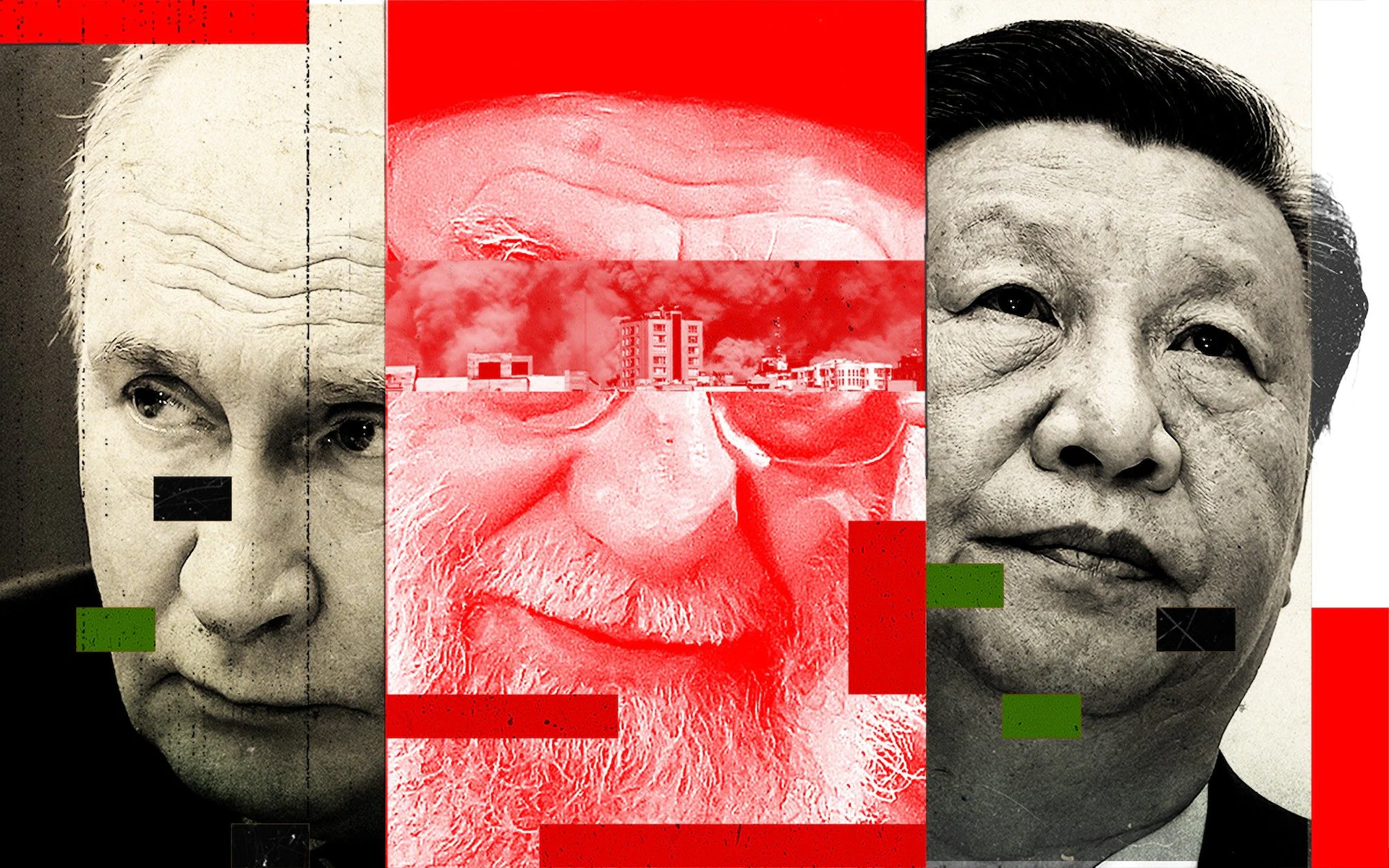
The reported death of Iran’s Supreme Leader Ayatollah Ali Khamenei in a joint United States–Israel military strike represents a seismic shift not only for Tehran’s domestic politics but also for Russia and China’s strategic calculations — two major global powers that have relied on close ties with Iran as part of broader geopolitical balancing acts. Their responses underscore global tensions between great‑power interests, regional conflict dynamics and diplomatic positioning in an era of intensified U.S. influence and competition.

For Russia, Khamenei’s death is both a diplomatic setback and a strategic inflection point. President Vladimir Putin and other senior officials denounced the strike as a “cynical murder” and a violation of international law, offering public condolences to Tehran while asserting solidarity with Iran’s government and people. Moscow has emphasised continued contact with Iranian authorities and decried the U.S.–Israeli operation as an escalation that undermines regional stability.
Russia’s investment in its relationship with Iran stretched across energy, defence and regional security cooperation — including weapons transfers used in Ukraine and joint diplomatic alignment against Western sanctions. Khamenei was widely recognised in Moscow as a pivotal figure in sustaining these ties. His removal therefore represents a loss of a long‑standing strategic partner and introduces uncertainty into bilateral cooperation frameworks that Moscow had cultivated for decades.
Faced with this uncertainty, Russian policymakers are likely to walk a delicate diplomatic line — condemning Western military action while avoiding direct military entanglement. Kremlin analysts note that the strategic partnership with Tehran does not carry a mutual defence clause, limiting Russia’s options for a forceful response. Instead, Moscow appears focused on maintaining political alignment and mitigating the destabilising effects of the conflict on energy markets, sanctions regimes and its own foreign policy priorities.
For China, Khamenei’s death is a foreign policy challenge with economic and geopolitical dimensions. Beijing swiftly condemned the killing as a “grave violation” of Iranian sovereignty and decades‑old principles of international relations, urging an immediate halt to hostilities and calling for a diplomatic resolution. China has deep energy and trade ties with Tehran, sourcing significant oil and gas quantities and positioning Iran as a key partner in Belt and Road economic initiatives.
China’s stance reflects both economic self‑interest and strategic caution. Continued conflict threatens energy market stability, disrupts logistics corridors and complicates Chinese investments in Iran’s infrastructure. At the same time, Beijing’s condemnation positions it (alongside Russia) as a counterweight to U.S. influence, appealing to a broader cohort of developing states that object to unilateral military action without broad international mandate.
Both Russia and China have framed their responses within international legal and diplomatic norms, denouncing the strikes and urging restraint while stopping short of any direct military intervention. Their messaging emphasises the risks of escalation, calling on global institutions to prevent further destabilisation and uphold principles of sovereignty.
The strategic implications extend beyond immediate diplomatic statements. With the Middle East thrust into deeper instability, Russia and China face competing pressures: to support Iran as an ally and economic partner, to manage their own regional interests in areas like energy and security, and to calibrate relations with the United States at a time when superpower rivalries are intensifying. Both capitals are likely to use multilateral forums, strategic communications and economic levers to shape evolving dynamics, but will hesitate to overcommit militarily in a conflict that could entangle them in wider hostilities far from their borders.

In essence, Khamenei’s death has forced Moscow and Beijing to reassess their regional strategies. For Russia, preserving influence without overextension is the priority; for China, balancing energy security, trade interests and global diplomatic positioning takes precedence. While both powers criticise U.S. and Israeli actions, their responses will be shaped by long‑term strategic interests rather than short‑term political posturing — a careful diplomacy in a drastically altered Middle Eastern landscape.
Related News:
 Months of Planning Behind US‑Israeli Mission to Target Iran’s Supreme Leader
 Cooper: Joining US Strikes on Iran ‘Not in Britain’s Interest’
 Iran Says ‘Guiding Principles’ Agreed With US at Nuclear Talks
 US and Iran to Hold Talks as Pressure for Nuclear Deal Builds
 Israel and Hezbollah Exchange Fire as Conflict Worsens
 Iran’s Regime Still Intact — Coming Days Will Test Its Survival
 Allies of US in the Gulf Bear Brunt of Iran Attacks
 Hopes and Fears as US Iranians Take to Streets After Toppling of Supreme Leader
 Retaliations Continue on Day Two of US-Israel Attacks on Iran
 At Least 153 Dead After Reported Strike on School, Iran Says
 At Least 153 Dead After Reported Strike on School, Iran Says
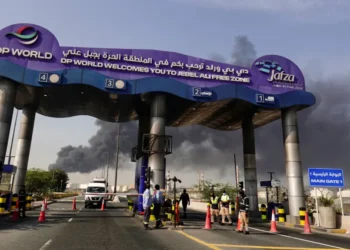 ‘It’s Eerie’ – Dubai on Edge as City Comes Under Attack
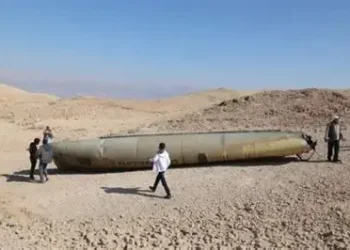 BBC Reports from Beit Shemesh After Deadly Iranian Missile Strike
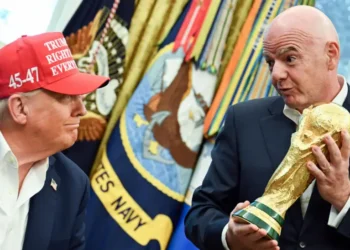 Iran, the US, and a World Cup That Starts in Three Months
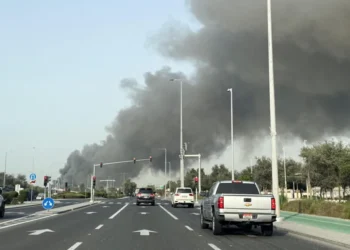 Allies of US in the Gulf Bear Brunt of Iran Attacks
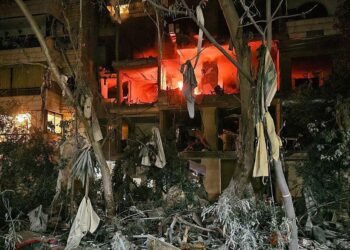 Israeli Attacks Kill 31 in Lebanon, Iran Strikes Across Region, US Warplanes Crash in Kuwait
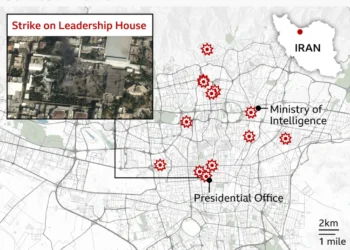 In Maps: Strikes Across Iran and the Middle East
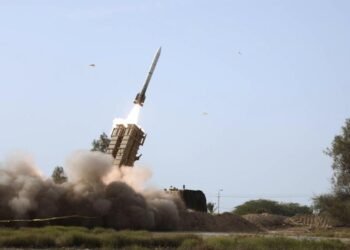 UK Will Allow US to Use Bases to Strike Iranian Missile Sites, PM Says
 Shock US Raid: Maduro Pleads Not Guilty in Manhattan Court
 UK and France Agree Troop Deployment Plan for Ukraine
 EU Weakens as Trump Targets Venezuela and Greenland
 Israel Dossier Sparks Australian Political Interference Concern
 Venezuela Oil Deal Opens Tensions with US Control
 US Citizens Warned to Venezuela Flee Amid Paramilitary Threats
 Gulf states warn Trump Iran strikes risk wider Middle East war
 Machado Trump medal gesture reshapes Venezuela power struggle
 Greenland defence seen as shared Nato duty amid troop arrivals
 Gulf states warn Trump Iran strikes risk wider Middle East war
 Trump Receives Machado’s Nobel Medal in White House Meeting
 Iran unrest slows under brutal crackdown and global tensions
 Syria President Declares Victory as Ceasefire Reached with SDF
 US Considers Asylum for British Jews Amid Rising Antisemitism
 Russia Strikes Kyiv and Kharkiv as Peace Talks Enter Day Two
 Emails Show Epstein Funded Mandelson’s Husband After Jail
 Thousands Protest ICE Operations in Nationwide US Day of Action
 Epstein Files Reveal Trump Officials’ Emails with Financier
 Thousands Protest ICE in New York Against Trump Deportation Campaign
 Fears of New Arms Race as US-Russia Nuclear Weapons Treaty Expires
 US Military Says Two Killed in Strike on Alleged Drug Boat in Eastern Pacific
 Trump Endorses Japan’s Takaichi Ahead of Snap Election
 Is Bangladesh’s Youth Turning Against India? — A Deepening Debate
 Venezuela’s Opposition Says Party Leader Kidnapped Hours After Being Freed
 Christchurch Shooter Seeks to Overturn Guilty Plea in Appeals Court
 Russia Rages “Now Is the Time to Strike” as UK Faces Fresh WW3 Nuclear Threats
 Eleven Killed in Israeli Strikes on Gaza, Rescuers Say
 US Says It “Supports” UK Chagos Islands Deal
 ‘I Would Scream in My Sleep’: Alawite Women from Syria Tell of Kidnap and Rape
 US Pushes to Recruit Organised Crime Gangs into Gaza Police Force
 Ukraine Peace Talks End in Acrimony After Two Hours
 Leave Chagos Now, Britain Tells Returning Islanders
 Britain’s Reliance on China Makes Us ‘Weak Link in the West’, Warn MPs
 Indian University Kicked Out of AI Summit for Claiming Chinese Robot Dog as Its Own Invention
 India Sentences Three Men to Death for Attack on Israeli Tourist and Hosts
 As Trump Retreats from Climate Goals, China Is Becoming a Green Superpower
 US Urges Iran to Make Deal as Military Presence Rises
 US Build-Up of Warships and Fighter Jets Tracked Near Iran
 UK Has Not Given US Permission to Use RAF Bases for Iran Strikes
 Ukraine Negotiator Reveals What It Feels Like Facing Russia
 Mandelson Arrested Amid Political Turmoil as Ukraine Marks Four Years of Conflict
 Russian Troops Executed by Commanders, Soldiers Tell BBC
 Drugs, Denial, Stigma: Fiji’s HIV Crisis Hits Children
 Ukraine war briefing: Why Ukraine remains defiant and does not feel close to defeat
 Queen says speechless after meeting Gisèle Pelicot over powerful memoir
 ‘Anyone who runs is shot’: Russian soldiers describe killings of troops who refuse orders
 Ukraine remembers its dead as war enters a fifth year
 German Chancellor Lands in Beijing for Inaugural China Trip
 Shein’s Elusive Boss Hails Chinese Roots in Rare Public Appearance
 Cuba Kills Exiles in Speedboat Attack from US Waters
 Seven Killed in Ukrainian Drone Attack on Russian Factory
 ‘Fear Is Everywhere’: Reports From Mexican City Turned Into War Zone by Drug Cartel Feud
 Four Killed on US-Registered Speedboat Were Cuban Nationals, Cuba Says
 Canada Says U.S. Unlikely to Lift Tariffs Amid Ongoing Trade Tensions
 US ‘Suitcase Murderer’ Deported From Bali After 11 Years in Jail
 Orbán Accuses Ukraine of Disrupting Oil Supplies to Hungary
 Blackouts and Emergency Aid: Why the Cuban Revolution Faces Its Biggest Threat Yet
 Why Asian Firms Are Not Cheering Trump Tariff Ruling
 Why Asian Firms Are Not Cheering Trump Tariff Ruling
 Pakistan Strikes Afghanistan as PM Says Forces Ready to ‘Crush’ Taliban
 Middle East Flights Halted After Iran Strikes
 India and Canada Seal Series of Deals as Carney and Modi Reset Ties