Published: 3 March 2026 . The English Chronicle Desk.
The English Chronicle Online
Recent police operations in several UK cities have focused on targeting the organisers of illegal brothels rather than the sex workers who operate within them, reflecting a strategic shift in law-enforcement priorities that aims to disrupt exploitation networks while reducing harm to individuals engaged in consensual adult work.

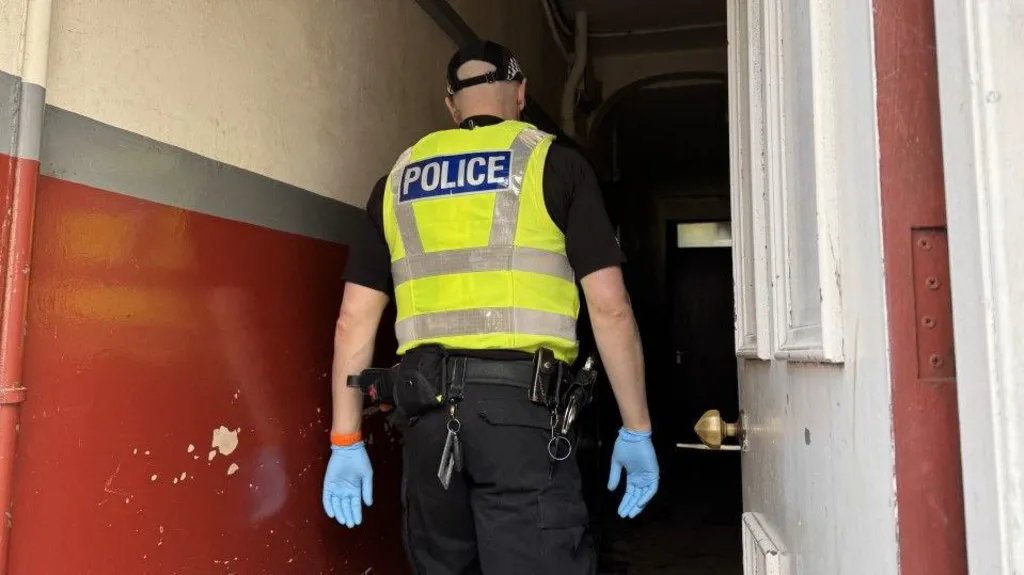
In raids carried out over the past month in London, Manchester and Birmingham, forces executed warrants at properties suspected of operating as unlicensed brothels. Officers arrested multiple people alleged to be managers, facilitators and individuals involved in coercive or profit-driven activities, according to statements from regional police forces. In several cases, evidence seized included financial records, client logs and digital devices believed to document organised prostitution activity.
Crucially, police emphasised in public briefings that sex workers present at the premises were treated as potential victims or witnesses rather than suspects. Forces say they are working to ensure that individuals engaged in sex work are offered support and referred to appropriate services, including health, welfare and legal advice, instead of being prosecuted solely for their involvement in unlicensed venues. This approach aligns with updated guidance from national policing bodies on handling brothel-related offences with sensitivity to vulnerability and exploitation.
Under current UK law, running or managing a brothel — defined as premises used for prostitution by more than one person — is a criminal offence, whereas the act of selling sex by an individual adult is not illegal. Legal analysts say this distinction underpins law-enforcement emphasis on disrupting organised and exploitative elements of the sex industry while avoiding punitive action against consenting adult workers.
Advocates for sex workers’ rights welcomed the operational focus. Organisations representing sex workers have long argued that criminal penalties against individuals in the industry increase vulnerability, deter access to health services, and push work into unsafe, clandestine environments. By directing enforcement efforts at organisers — particularly where exploitation, control or financial coercion are alleged — police aim to reduce harm without inadvertently penalising those whose primary offence might be working in an unregulated setting.
Campaigners also underscored the importance of protective measures during raids. Forces involved in recent operations reported they provided information on services for sex workers — including healthcare, housing advice and specialised charities that assist people exiting exploitative situations — and used trauma-informed approaches to minimise distress during law-enforcement engagements.
Legal experts note that prosecutions of brothel organisers are often technically complex and require robust evidence of exploitation or managerial control. Cases frequently hinge on financial documentation, digital communication and witness testimony establishing that individuals knowingly profited from or directed sex-work activity. Police said that ongoing investigations will be supported by multidisciplinary units involving financial investigators, safeguarding officers and specialist prosecutors.
Opposition to brothel raids is not uniform. Some civil-liberties advocates argue that brothel criminalisation itself should be reconsidered, suggesting that decriminalisation could improve safety and oversight while reducing the impetus for covert venues altogether. Others counter that without legal frameworks governing brothel operation, exploitation risks remain significant. The current enforcement strategy seeks to thread a narrow path between upholding the law, protecting individual rights and targeting alleged criminal networks.
For residents and community groups in areas affected by the raids, reactions have been mixed. Some welcome action against illegal brothel operations — especially where there were concerns about antisocial behaviour, trafficking or organised criminal involvement — while others caution that enforcement must be coupled with broader social and economic support to address underlying causes of exploitation and vulnerability.

Police officials insist that the shift in focus does not represent a retreat from enforcing laws related to prostitution or associated criminality but rather reflects a more nuanced, evidence-led and victim-centred approach. They emphasise that ongoing operations will continue where there is credible intelligence of exploitation or criminal profit, and that individuals involved will be treated according to the specifics of each case.
As the broader debate over sex-work policy and enforcement continues — including calls for legal reform and improved worker protections — the current police strategy underscores an effort to balance public safety, legal accountability and harm reduction in responses to illegal brothel activity.
Related News:
 Stop Releasing Phone Thieves Who Reoffend, Met Police Chief Urges Courts
 Disability and LGBT Hate Crimes Set to Become Aggravated Offences
 Last‑ditch Call to Save Police Front Counters in London
 Sadistic Pair Jailed for Blowing Up Sheep
 Grave of Murdered Toddler James Bulger Vandalised
 Outsiders Disrupted Search for Missing Teen Noah Donohoe
 Tasers Introduced in UK Prisons to Combat Rising Violence and Protect Staff
 Targeted Attack in Bury Sparks Murder Investigation as Community Awaits Justice
 Man Remanded After Children Fall Ill at Leicestershire Summer Camp in Shocking Child Cruelty Case
 Hunt Intensifies for Southport Riot Suspects as Police Release Full List of 40 Still at Large
 AI Revolutionises Grooming Gang Investigations as Police Target Cold Cases Across England and Wales
 Police Advised to Disclose Ethnicity of Suspects in High-Profile Cases
 Merseyside Police Helicopter Crew Cleared After Low-Altitude Pursuit of Suspect
 UK Launches Major Crackdown on Networks Profiting from Online Child Sexual Abuse
 Jailed Georgian Opposition Leaders Warn UK of Iranian Links to Ruling Party
 No Evidence Found to Substantiate Alleged Rape in Oxfordshire Churchyard, Police Confirm
 UK Police to Gain New Powers to Manage Repeated Protests, Home Office Announces
 Madeleine McCann Detectives to Testify Against Woman Accused of Stalking the Family
 Boris Johnson Breached Rules on Post-Office Business Contacts
 Afghan Man Guilty of Threatening Nigel Farage in TikTok Video
 UK Gamer Recruited by Wagner Group Found Guilty of Arson
 Migrant Sex Offender Deported After Erroneous Prison Release
 Five More Prisoners Freed by Mistake in Essex Week
 Nearly 48,000 Zombie Knives Removed from UK Streets in a Year
 Afghan man charged with murder after west London knife attack
 Man Charged Over Cambridgeshire Train Stabbing
 French Taxi Driver Cleared in David Lammy Theft Case After Fare Dispute
 Just Stop Oil Protesters Convicted Amid Climate Defence Row
 Met Police Culture Makes Racial Harm ‘Inevitable’
 British Grandmother to Return Home After Death Sentence in Bali
 Remaining rebel Labour MPs have whip restored
 Victims’ commissioner Baroness Newlove dies aged 63
 ‘Fake Admiral’ Sparks Outrage at Remembrance Event
 Paralegal Fired After Exposé on Illegal Worker Scam
 Dan Wootton Rejects Catfishing Allegation in Court
 Serial Rapist and Former Cop Found Guilty Again
 Gardener Guilty of Brutal Attack on Teacher Partner
 Twelve Prisoners Released in Error, Two Still Missing
 Met Police Under Scrutiny for Vetting Failures Among Hundreds of Recruits
 Woman Jailed for Life After Killing E-Bike Rider in Tragic Mistaken Identity Case
 Betfair Faces Pressure Over Funds Lost to Gambling Fraud
 Emails Show Epstein Funded Mandelson’s Husband After Jail
 Police Probe Mandelson Over Alleged Epstein Leak
 Royal Marine Admits Killing Man with Fatal Punch
 Appeal to B&B Owners Over Cash Point Ram-Raid
 Man in Court Charged with Belfast Murder
 Rapist Caught by DNA 20 Years After Teen Attack
 UP IN FLAMES: Huge Blaze Rips Through Odeon Cinema, Students Evacuated
 Wayne Couzens Still Eligible for £7k Pension
 Motorists Could Face ‘Mandatory’ Driving Ban for Road Offences Under Tougher Laws
 Teenagers Guilty of Killing Man They Lured to Beach
 Met Using E‑Bikes and Drones to Catch Phone Thieves
 ‘Staggeringly Stupid’ Man Jailed After Tattooing Children
 Teacher Who Lied About Cambridge Degree Banned From Profession
 Illegal Skin Lightening Cream Being Sold in UK Butchers, Watchdog Warns
 Man Who Threw Kittens Into River Thames Sentenced
 Deaf Woman Killed After Night Out With Strangers, Court Hears
 Prisoner Escapes London Hospitals Twice in a Week
 Sisters to Repay £220k After Gatwick Airport Thefts
 Suspect in Rhode Island Ice Hockey Shooting Killed Ex‑Wife and Son
 How Much Could Andrew’s Arrest Hurt the Royal Family?
 Andrew Released Under Investigation After Arrest
 Epstein Eyed Record Label Investment to Access Women, Files Suggest
 Two Teens Found Dead at East Yorkshire Holiday Park
 Fly-Tippers to Be Hunted by ‘Drone Squad’ in Crackdown from the Sky
 Dad Found in Bed with Daughter 16 Years After Abandoning Her as a Child
 I Confronted a Mugger with an 18-Inch Machete in London – No Wonder Tom Cruise is Leaving
 ‘Don’t Make Us Security Guards,’ Says Teacher Stabbed by Pupil
 ‘We’ve Been Left Homeless After Our Builder Went Bust’
 Court Error Frees Rape Suspect Who Flees UK
 Trial Date Set for Student Accused of Racial Hatred
 Two Arrested After Woman Set on Fire in Revenge Attack
 Driver Admits Causing Death of Mother Pushing Pram
 Rape Accused Had Fight With Man in Alley, Court Told
 Flatmates Cleared of Raping Man After Night Out
 MoD Launches Review into Whether Epstein Used RAF Bases
 Man Charged Over Derry Kidnapping Incident
 Suspects in Lisa Dorrian Case Released on Bail
 Murder Charge After Security Guard Stabbed in Violent Attack
 Man Arrested Over 2021 Bedroom Killing of Teenager