Published: 3 March 2026 . The English Chronicle Desk.
The English Chronicle Online
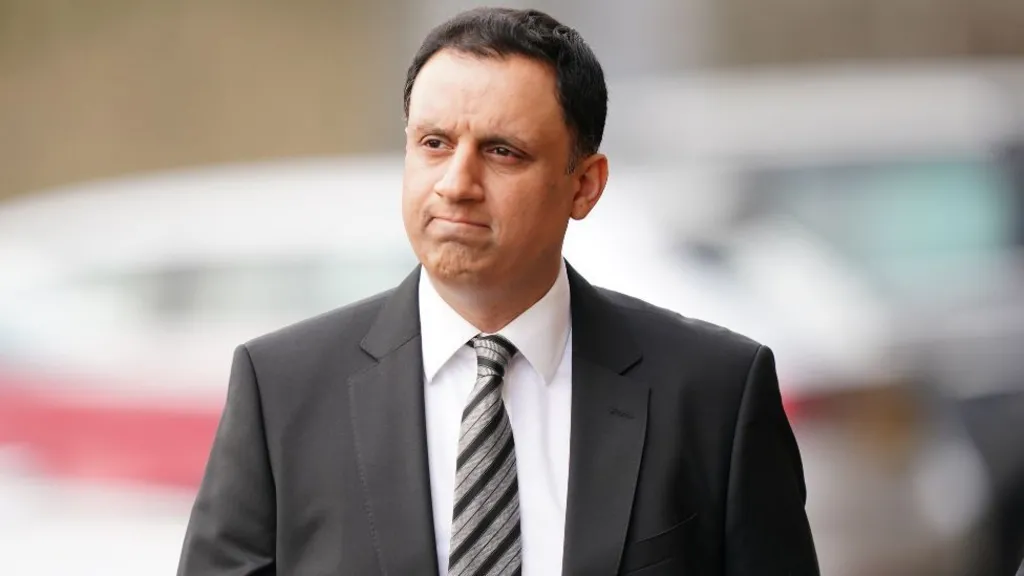
Anas Sarwar, leader of the Scottish Labour Party, has publicly rejected a tribute posted by his father honouring Iran’s Supreme Leader Ayatollah Ali Khamenei, drawing attention to a rare political and familial rift against the backdrop of a deepening Middle East crisis. The dispute highlights contrasting views on international conflict within a high‑profile political family and reflects broader sensitivities in British public debate over reactions to the recent assassination of Iran’s long‑time ruler.

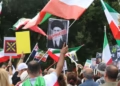
The controversy erupted after Mohammad Sarwar, a former Labour MP in the UK and ex‑governor of Punjab in Pakistan, posted messages on social media mourning Khamenei’s death following recent US‑Israeli air strikes. In the posts — written in Urdu and circulated on the platform X — he referred to Khamenei as a “martyr” and a “strong voice of resistance” whose passing was a blow to the Muslim world.
Speaking to reporters at Glasgow Airport, Anas Sarwar made clear that he disagrees strongly with his father’s sentiments. “He’s wrong,” Sarwar said, describing Khamenei as a brutal dictator responsible for suffering in Iran and threats to neighbouring countries. He emphasised that while people hold varied opinions about Tehran’s late leader, he did not share the praise expressed by his father and backed urgent de‑escalation efforts in the region amid risks of further violence.
Sarwar outlined his own position on the conflict in broader terms, calling for peace and security for all nations in the Middle East and linking it with the imperative to prevent Iran from acquiring nuclear capability. He framed his stance within a call for diplomatic resolution and reduction of hostilities rather than celebration of any leader’s death.
The episode has drawn media attention not only because of the senior political profile of the individuals involved but also because it emerges at a moment of intense global scrutiny over reactions to Khamenei’s killing, which has elicited varied responses from governments, religious organisations and political figures around the world. Some, including foreign governments and Islamic organisations, have issued condolences or condemned the strikes, while others have backed diplomatic restraint and a push to avoid further escalation.

Sarwar’s rejection of his father’s tribute underscores how international events can reverberate domestically and intersect with political leadership responsibilities. It also highlights the challenges public figures face when family members’ views — especially on polarising geopolitical matters — diverge sharply from their own official positions.
Related News:
 UK Must Act with Courage and Clarity on Israel-Palestine Conflict, Says Foreign Affairs Committee Report
 Starmer and Trump to Meet in Scotland Amid Growing Gaza Ceasefire Pressure
 Minister Dismisses Legal Concerns Over UK’s Pledge to Recognise Palestinian State
 MPs Call on UK Government to Delay Biometric Visa Checks for Gaza Students Amid Humanitarian Crisis
 Radioactive Leak at UK’s Nuclear Warhead Base Sparks Outcry Over Safety and Secrecy
 ‘I’m collateral damage’: ex-minister Tulip Siddiq on her Bangladesh corruption trial
 Mutual Inconvenience: Why Alaska Was Chosen for the Trump-Putin Summit on Ukraine
 “I Don’t Expect to Live a Normal Life”: How a Leeds Teenager Became the Target of a Chinese Bounty
 Ministers Accused of Defamation Over Palestine Action Ban and Mass Arrests
 UK Defence Secretary Says Allied Troops ‘Ready to Act from Day One’ if Ukraine Ceasefire Agreed
 Is the UK Ready to Put Boots on the Ground in Ukraine? Assessing Military Capacity and Challenges
 Protests Expected as Israeli Arms Firms Join Global Defence Trade Fair in London
 UK Home Office to Launch French Beach Signage to Warn Asylum Seekers of Risks
 UK Immigration Figures: Separating Facts from Perceptions
 Far-Right Rally in London Draws Record Crowds Amid Clashes with Police
 Thousands Gather in London to Protest Donald Trump’s Second UK State Visit
 Trump Urges UK to “Call Out the Military” to Secure Borders Amid State Visit
 UK Recognises State of Palestine in Push to Preserve Hope for Peace
Trump’s UN Speech Criticises London and UK Policies, Draws Far-Right Attention
UK Recognises State of Palestine in Push to Preserve Hope for Peace
Trump’s UN Speech Criticises London and UK Policies, Draws Far-Right Attention
 UK Fighter Jet Purchase Could Breach Nuclear Treaty, Warns CND
 A Third of EU Citizens in UK Report Discrimination by Public Bodies Post-Brexit
 Jailed Georgian Opposition Leaders Warn UK of Iranian Links to Ruling Party
 Russia repeatedly targets UK military satellites, warns Space Command chief
 Pro-Palestine March to Proceed in London Despite Calls to Cancel After Manchester Attack
 UK Universities Warn Students Ahead of 7 October Pro-Palestine Protests
Starmer Considers Stricter Measures on Pro-Palestinian Protest Chants
UK Universities Warn Students Ahead of 7 October Pro-Palestine Protests
Starmer Considers Stricter Measures on Pro-Palestinian Protest Chants
 Public Trust in SNP Hits Historic Low Amid NHS Concerns
 Tony Blair Met Jeffrey Epstein at Downing Street in 2002
 China’s Mega Embassy in London Faces Further Delay
 Johnson Suggests Mandelson Linked to China Spy Controversy
 Minister Blames Deputy for Collapse of China Spy Case
 Shabana Mahmood Warns Border Failings Are Eroding Trust in States
 Witness statements reveal the CPS China spy row collapse in the UK
 Large scale Chinese spying in UK sparks political storm
 Nigel Farage Calls Vladimir Putin ‘A Very Bad Dude’
 Rachel Reeves signals welfare reform ahead of key budget
 Prince Andrew met alleged Chinese spies during Pitch@Palace China trips
 Kosovo agrees to host Britain’s refused asylum seekers
 Plaid Cymru Triumphs in Caerphilly, Ending Labour Century-Long Hold
 Rachel Reeves to lead UK trade push in Saudi Arabia amid rights debate
 British Woman in Iran ‘Losing Hope’ Amid Ongoing Detention
 Johnson Approved China’s London ‘Super-Embassy’ in 2018
 BBC Journalist Held and Interrogated in Vietnam
 Zohran Mamdani becomes New York City’s first Muslim mayor
 Second world war veterans honoured as King leads Remembrance Sunday
 BBC director-general and news chief resign amid bias row
 New review urges UK to repatriate Shamima Begum, others from Syria
 Rama Rebukes Mahmood for Targeting Albanian Families
 Russian Vessel Used Lasers on RAF Pilots, UK Claims
 Ireland Boosts Ukraine Aid as Zelensky Visits Dublin
 Britain Demands Israel Reverse Ban on Aid Groups
 US Africa aid remarks spark anger after leaked State email
 Barron Trump police call heard in London assault trial
 Trump Pulls Canada from His Controversial ‘Board of Peace’ Plan
 Starmer China visit raises human rights pressure on Beijing
 UK and EU Signal Fresh Push for Defence Cooperation Talks
 Emails Show Epstein Funded Mandelson’s Husband After Jail
 Cory Bernardi joins One Nation for SA election
 Starmer Condemns ‘Depraved’ Russian Strikes on Ukraine
 Russia Trolls Savage ‘Finished’ Keir Starmer After Mandelson Scandal Explodes
 Starmer Weighs Fast-Tracking Defence Boost
 Police Assessing Stansted Airport Private Flights Over Epstein Ties
 Britain’s Reliance on China Makes Us ‘Weak Link in the West’, Warn MPs
 Trump Warns Over Chagos Islands Deal
 Trump and Chagos Deal Rift Over Iran Strikes
 How Much Could Andrew’s Arrest Hurt the Royal Family?
 Andrew Mountbatten-Windsor Arrest After FBI Radar
 UK Has Not Given US Permission to Use RAF Bases for Iran Strikes
 Australian PM Says Former Prince Andrew Has Suffered ‘Extraordinary Fall’ but That Won’t Prompt Republic Referendum
 Farage Chagos Islands Row Sparks Fury
 Trump Tariffs Threat Spark UK and EU Alarm
 Town Vigil Marks Four Years of Ukraine War
 New Zealand Backs Removing Andrew From Royal Line of Succession
 Green Party Triumphs in Gorton and Denton By‑Election
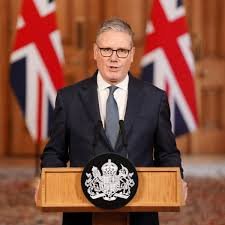 UK Allows US Base Use Amid Iran Tensions
 Britain’s Position and Trump Vows to Press On in Iran Conflict
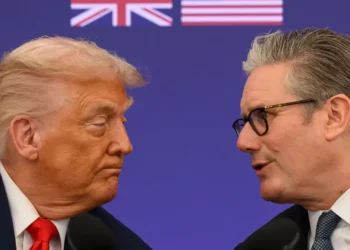 Chris Mason: Trump Calls Starmer as US and Europe Diverge on Iran Strikes
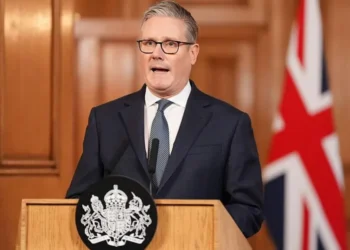 Starmer Speaks to Trump After UK Joins Defensive Operation
 UK Will Allow US to Use Bases to Strike Iranian Missile Sites, PM Says
 Cooper: Joining US Strikes on Iran ‘Not in Britain’s Interest’